
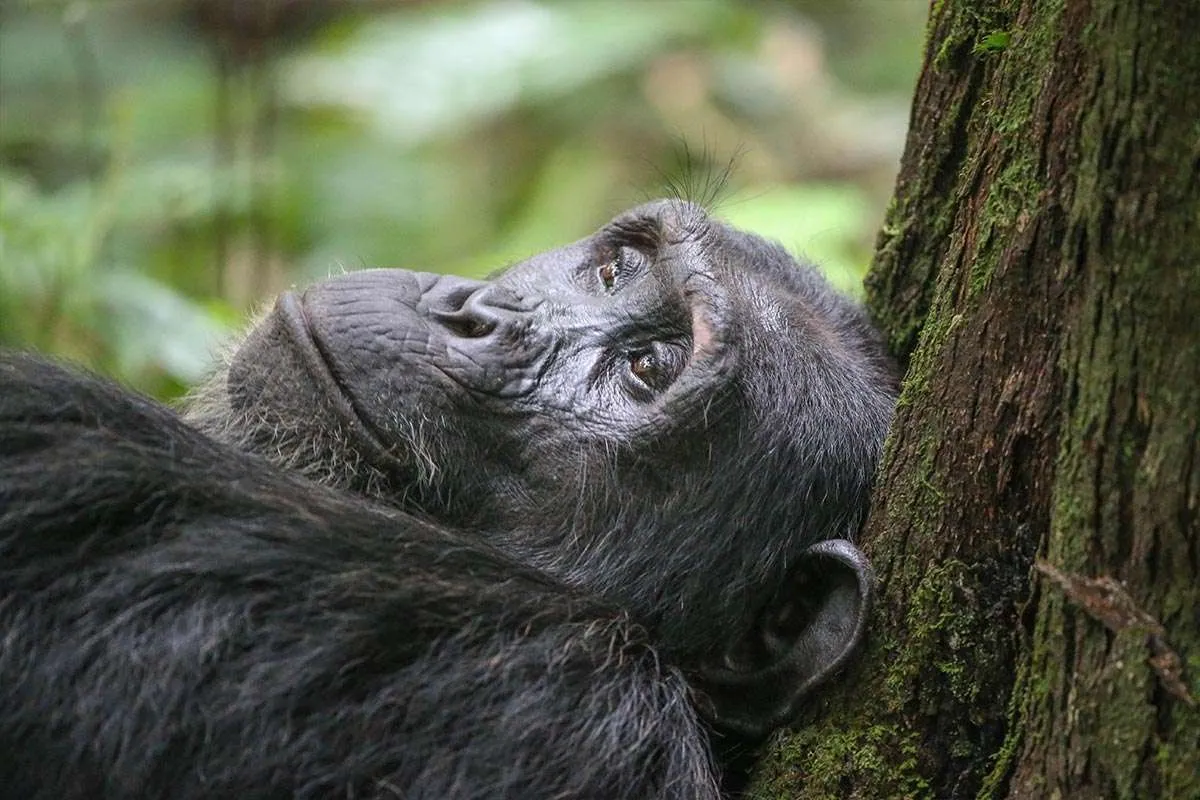
Chimpanzee Trekking in Nyungwe Forest, Rwanda
Nyungwe Forest National Park, in southwestern Rwanda, is one of Africa’s oldest and most biodiverse rainforests, and its chimpanzee trekking is often overshadowed by Rwanda’s world-famous mountain gorilla trekking in Volcanoes National Park – despite being a genuinely rewarding, distinctly different primate experience in its own right.
Why Nyungwe Is Different From Volcanoes National Park
Where Volcanoes National Park’s Virunga mountains hold Rwanda’s gorillas, Nyungwe is ancient, dense montane rainforest – among the oldest rainforest in Africa, predating even the more famous Congo Basin forests further west. This age and biodiversity is part of why Nyungwe holds not just chimpanzees but thirteen recorded primate species in total, along with well over 300 bird species, making it one of Rwanda’s most ecologically rich single destinations.
What Chimpanzee Trekking in Nyungwe Involves
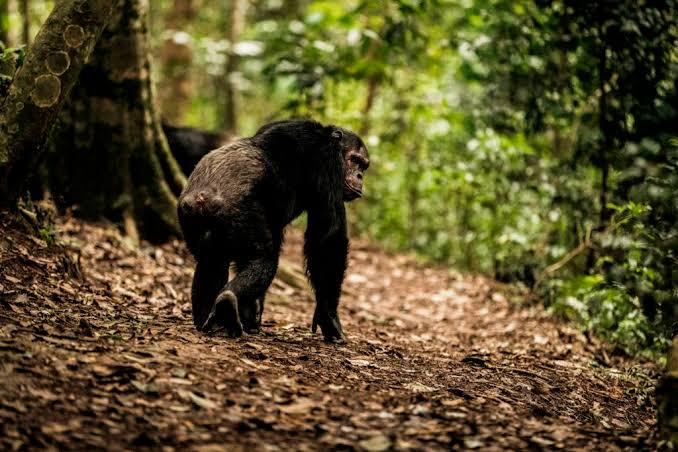
Trekking begins early, typically before 5am, since Nyungwe’s chimpanzee community ranges widely and rangers need to locate them before they move too far from the previous evening’s nesting site. The hike itself can be considerably more demanding than gorilla trekking – Nyungwe’s chimps cover more ground daily than habituated gorilla families, and the forest terrain includes steep, often muddy slopes that test fitness even on a good day.
How Nyungwe Compares to Uganda’s Kibale Forest
Uganda’s Kibale National Park is generally considered East Africa’s premier chimpanzee trekking destination, with a higher chimp density and correspondingly more predictable sightings than Nyungwe typically offers. Nyungwe’s advantage is combining chimp trekking with genuinely spectacular rainforest scenery, a canopy walkway suspended high above the forest floor, and considerably richer overall biodiversity – making it a stronger choice for travelers wanting a fuller rainforest experience rather than chimp sightings alone.
The Nyungwe Canopy Walkway
Beyond chimp trekking, Nyungwe’s suspended canopy walkway – one of only a few of its kind in Africa – offers a genuinely different rainforest perspective, letting visitors walk at treetop height across three suspension bridges strung between platforms. It’s a popular half-day addition to a chimp trekking visit, and doesn’t require the same fitness level as the trekking itself, making it accessible to a wider range of travelers on the same trip.
Combining Nyungwe With Gorilla Trekking
Nyungwe sits in Rwanda’s southwest, a considerable drive from Volcanoes National Park in the north, which means combining both primate experiences in one trip requires real time – typically adding at least two to three extra days of driving to a standard gorilla trekking itinerary. Many travelers instead choose one or the other for a shorter Rwanda visit, or extend into a longer trip specifically to include both when time allows.
Best Time of Year for Nyungwe Chimp Trekking
Rwanda’s dry seasons, roughly June to September and December to February, offer firmer trails and generally easier trekking conditions, though chimp trekking remains possible year-round since the forest is permanently occupied. The wet season brings lush, dramatic scenery and stronger birding, at the cost of muddier, more physically demanding trails on the steeper sections of forest.
Chimpanzee Behaviour in Nyungwe
Nyungwe’s chimpanzee community is large and genuinely wild, moving through the canopy and forest floor in loose, dynamic groups that can shift and split throughout the day as they forage. Vocalisations – particularly the famous pant-hoot call used to communicate across long distances in dense forest – are often heard well before any visual sighting, building real anticipation during the approach.
Habituation and Permit Numbers
Only one of Nyungwe’s chimpanzee communities is currently habituated for tourism, which limits daily permit numbers compared to Uganda’s Kibale Forest, where multiple habituated communities spread visitor pressure across a larger area. This scarcity is part of why booking Nyungwe permits well in advance matters, particularly during Rwanda’s peak travel season.
Other Wildlife and Birding in Nyungwe
Beyond chimpanzees, Nyungwe holds Rwenzori colobus monkeys in troops that can number in the hundreds, along with L’Hoest’s monkey, grey-cheeked mangabey, and several other primate species rarely seen outside this specific forest. Serious birders rank Nyungwe among East Africa’s top destinations, with a strong concentration of Albertine Rift endemic species found nowhere else in the region.
What to Pack for Nyungwe
Waterproof hiking boots, a rain jacket, long trousers, and gloves are all worth packing given Nyungwe’s genuinely wet, dense rainforest terrain – broadly similar to what our gorilla trekking packing list recommends for Volcanoes National Park, since both involve comparable forest conditions. A good rain cover for camera equipment is worth adding too, given how frequently Nyungwe lives up to its rainforest reputation.
Getting to Nyungwe Forest
Most visitors reach Nyungwe by road from Kigali, a drive of around five to six hours, or by combining it with a stop at Rwanda’s other southern attractions along the way. Given the distance from the capital, most itineraries budget at least two nights in the Nyungwe area to properly justify the drive and allow a rest day between long travel and the trek itself.
Self-Drive vs Guided Trekking in Nyungwe
Chimpanzee trekking itself is always ranger-led regardless of how you arrange transport, but a guided safari with a dedicated driver-guide makes the long drive from Kigali considerably more comfortable, and adds local knowledge for combining Nyungwe with other southern Rwanda stops along the route. Given the distance and road conditions on parts of the route, self-driving is possible but demands a genuinely confident, experienced driver comfortable with mountainous terrain.
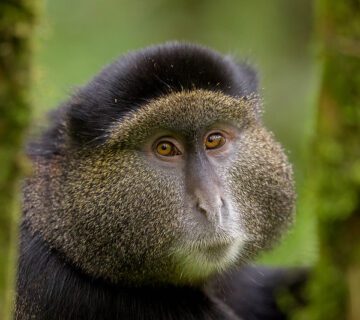
Nyungwe’s Golden Monkeys and Other Primates
While chimpanzees draw most of the attention, Nyungwe’s Rwenzori colobus troops are themselves a genuine highlight, moving through the canopy in coordinated groups that can number in the hundreds – one of the largest arboreal primate troops anywhere in Africa. L’Hoest’s monkey, a shy, ground-dwelling species largely restricted to the Albertine Rift, is another Nyungwe specialty worth watching for on any forest walk, chimp trekking included.
Photographing Chimpanzees in Dense Forest
Nyungwe’s thick canopy creates challenging low-light conditions for photography, considerably darker than the more open terrain of a typical savanna game drive. A lens with strong low-light performance, or a willingness to push ISO higher than usual, makes a real difference here, and a certain amount of patience is required given how much of the sighting happens through gaps in dense foliage rather than a clean, unobstructed view.
Combining Nyungwe With Akagera for a Full Rwanda Circuit
Travelers with enough time sometimes combine Nyungwe’s rainforest primates with a Big Five safari at Akagera National Park in the east, alongside gorilla trekking in the north – a genuinely comprehensive circuit that showcases Rwanda’s full range of landscapes and wildlife in a single, longer trip. This kind of full-country itinerary typically needs 10 to 12 days to avoid feeling rushed given the driving distances involved between Rwanda’s three headline destinations.
Community Tourism Around Nyungwe
Villages bordering Nyungwe have developed a range of community tourism activities alongside standard trekking, including tea plantation tours on the forest’s edge and cultural visits that channel tourism revenue directly into local livelihoods. These add-ons are worth discussing with your operator if you want your Nyungwe visit to extend beyond wildlife alone into Rwanda’s wider community and conservation story.
Nyungwe vs Uganda’s Broader Gorilla and Chimp Circuit
Uganda offers a similar chimp-plus-gorilla combination within a single country, pairing gorilla trekking in Bwindi with chimp trekking in Kibale Forest, generally with shorter driving distances between the two than Rwanda’s Nyungwe-to-Volcanoes route requires. Travelers choosing between the two countries for a combined primate trip often weigh Rwanda’s more polished, premium travel experience against Uganda’s shorter internal distances and lower overall cost – see our gorilla trekking price comparison for the full cost picture across both countries.
Frequently Asked Questions
Is chimpanzee trekking in Nyungwe harder than gorilla trekking?
Generally yes – Nyungwe’s chimps cover more ground daily than habituated gorilla families, and treks can involve longer, steeper hikes with less certainty about final trek duration.
Can I do Nyungwe chimp trekking as a day trip from Kigali?
It’s technically possible but not recommended given the five to six hour drive each way combined with an early trekking start – an overnight stay near the park makes for a considerably more comfortable, less exhausting experience.
Do I need a separate visa for Nyungwe if I’m already visiting Rwanda for gorillas?
No, Nyungwe is within Rwanda, so your standard Rwanda visa or East Africa Tourist Visa covers both destinations on the same trip – see our regional visa requirements guide for how the visa options compare.
Is Nyungwe worth visiting if I’ve already done chimp trekking in Uganda?
Yes, for travelers with a genuine interest in rainforest ecosystems – Nyungwe’s biodiversity, canopy walkway, and overall scenery are different enough from Kibale to justify a second chimp trekking experience rather than feeling repetitive.
Ready to Plan Your Rwanda Primate Safari?
Whether Nyungwe chimp trekking, Volcanoes National Park gorillas, an Akagera Big Five safari, or a full combination of all three fits your trip best, our team can help you plan realistic timing and logistics. Get in touch below and let’s start planning your Rwanda adventure with a packing list built around forest trekking conditions.



No comment