Frequently Asked Questions About Gorilla Trekking
Mountain gorilla trekking is one of the most sought-after wildlife experiences on the planet, and it is also one of the most heavily regulated. Because permits are limited, expensive, and tied to strict conservation rules, most first-time trekkers arrive with a long list of questions – about ethics, fitness, cost, safety, and what actually happens once you step into the forest. Below we answer the questions we hear most often from travelers planning a gorilla trek in Uganda, Rwanda, or the Democratic Republic of Congo.
Is it morally acceptable to go gorilla trekking?
When gorilla trekking is carried out in a morally upright manner – that is, if trekkers and operators adhere to the government-mandated guidelines – it is very ethical, and in fact essential to gorilla conservation. Permit revenue directly funds ranger patrols, anti-poaching units, and community development programs around the parks, which is precisely why mountain gorillas are one of the only great ape populations in the world that is still growing rather than shrinking. Responsible trekking, done through a licensed operator that respects the rules, helps preserve mountain gorillas for future generations rather than threatening them.
Is it possible to observe gorillas in Uganda?
Yes. Mgahinga Gorilla National Park and Bwindi Impenetrable Forest National Park are the two gorilla trekking locations in Uganda. Both national parks are situated in the southwest of the country, roughly eight to nine hours by road from Kampala or Entebbe, or a short scenic flight away.
Out of the four mountain gorilla trekking national parks in the world, Bwindi is the most popular destination because it is home to more than half of the world’s surviving mountain gorillas and has over 20 habituated gorilla families spread across four trekking sectors – see how Bwindi compares to Mgahinga National Park if you’re deciding between the two for your trip.
To what extent is the Rwandan gorilla hike challenging?
The walk to visit the gorillas in Volcanoes National Park, Rwanda, is not technically difficult, but the altitude, steep terrain, and thick vegetation can make it more physically demanding than trekkers expect. Trails climb through bamboo forest and volcanic slopes that can be slick after rain, and the air is noticeably thinner above 2,500 metres. Spending an hour with mountain gorillas in their natural habitat is widely considered worth the effort, but building up general fitness in the weeks before your trip – regular walking or hiking is enough – will make the day far more enjoyable.
How physically fit do I need to be for gorilla trekking?
You do not need to be an athlete, but a reasonable baseline of fitness helps. Treks can range from a 30-minute stroll to a seven-hour hike depending on where the gorilla family happens to be feeding that day, and the terrain is often steep, muddy, and uneven. Porters are available at every park to carry your daypack and offer a helping hand on difficult sections, and we recommend hiring one regardless of your fitness level – it also puts direct income into the local community.
Is it appropriate to make eye contact with a gorilla?
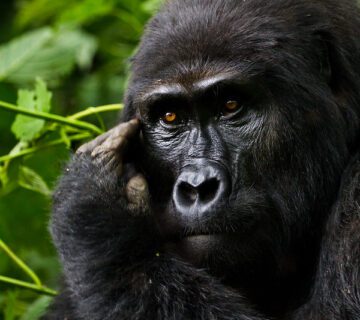
No. Direct, prolonged eye contact can be interpreted by a silverback as a challenge or threat to his family, and he may charge or beat his chest in response. Rangers advise trekkers to glance at the gorillas naturally, the way you would look at any wild animal, but to avoid staring them down. Avoiding sustained eye contact, moving slowly, and following your guide’s instructions are the simplest ways to keep an encounter calm for everyone, gorillas included.
Is the cost of gorilla trekking justified?
For most travelers, yes. Trekking with mountain gorillas is a genuinely rare wildlife experience – there are only around 1,000 mountain gorillas left in the world, found in just three countries – and the hour spent with a habituated family is consistently described by past guests as one of the most memorable moments of their trip. The permit price also funds the conservation work that keeps the species alive, so the cost is best understood as part experience, part direct contribution to saving an endangered great ape.
What should I bring to Uganda for a gorilla trek?
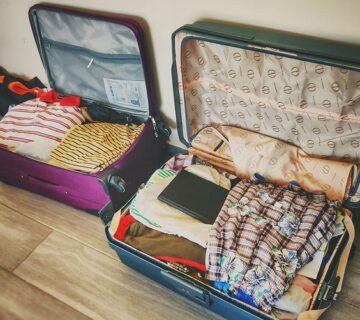
Read our complete gorilla trekking packing list for full details, but the essentials are: a lightweight waterproof jacket, long-sleeved shirt and trousers (tucked into socks to guard against safari ants and nettles), a good pair of waterproof hiking boots with ankle support, gardening or hiking gloves for grabbing vegetation on steep sections, a hat, sunscreen, insect repellent, drinking water, and a small daypack. A change of clothes left in the vehicle is also a good idea, since forest trails are frequently muddy regardless of season.
What is the duration of gorilla trekking in Rwanda, Congo, and Uganda?
Typically, gorilla trekking lasts between one and eight hours in total, including the mandatory hour spent with the assigned gorilla family and the walk back to the briefing point. The exact duration depends on where the trackers last recorded the gorillas’ nesting site the previous evening – gorilla families move throughout the forest to feed, so no two treks are ever quite the same length.
How many days does a Ugandan gorilla trek take?
The minimum duration of a gorilla trekking safari is three days: a transfer to Bwindi Impenetrable National Park on day one, gorilla trekking on day two, and a drive back to Entebbe, Kampala, or Kigali on day three – see our 3-day Bwindi gorilla trekking safari for a ready-made itinerary. Most travelers combine the trek with a few extra days for a wildlife safari in Queen Elizabeth or Murchison Falls National Park, or a chimpanzee trek in Kibale Forest, to make the long drive south worthwhile.
What is the difference between gorilla trekking and gorilla habituation?
Standard gorilla trekking gives you one hour with a fully habituated family and is limited to eight visitors per group. The gorilla habituation experience, offered only in Uganda’s Rushaga sector of Bwindi, allows a maximum of four visitors to spend up to four hours with a gorilla family that is still in the process of becoming accustomed to human presence, alongside the researchers and trackers doing that habituation work. It costs more and involves more walking and observation time, but offers a deeper, more research-oriented encounter for repeat visitors or serious wildlife enthusiasts.
When is the best time of year to visit Uganda to see gorillas?
The two dry seasons – December to February and June to August – are generally the ideal times to travel, since trails are less muddy and slippery, though our full guide to the best time for gorilla trekking in Uganda covers the trade-offs of each season in more detail. Gorilla trekking is possible year-round, however, since gorillas live in the forest permanently and permits remain available even in the rainy months, often at a small discount.
How can I get ready for Ugandan gorilla trekking?
Since there are only eight gorilla permits available per day for Mgahinga Gorilla National Park and around 160 permits per day across Bwindi Impenetrable National Park’s four sectors, it is best to plan ahead by reserving a permit through a licensed tour operator several months in advance, especially for travel during the July-August and December-January peak season – also check the minimum age requirement for gorilla trekking before you book, since it affects who in your travel party can take part.
Which country is best for gorilla trekking?
Uganda is generally considered the most accessible and affordable gorilla trekking destination, protecting its mountain gorillas across Bwindi Impenetrable National Park and Mgahinga Gorilla National Park. Rwanda’s Volcanoes National Park offers a shorter drive from the capital and slightly easier terrain in places, while trekking in the Democratic Republic of Congo’s Virunga National Park is the least expensive option but requires more careful attention to current travel advisories. The “best” country usually comes down to budget, how much time you have, and whether you’re combining the trek with a wider East Africa itinerary.
What is the cost of a Ugandan gorilla trekking permit?
The cost of Uganda gorilla trekking permits, which cover both Bwindi Impenetrable National Park and Mgahinga Gorilla National Park, is USD 800 for foreign non-residents, USD 700 for foreign residents, and UGX 300,000 for East African citizens – see our full 2025/2026 Uganda gorilla permit price guide for low-season discounts and other related park fees. The permit fee includes the guide, rangers, trackers, and a portion that goes directly to community development projects around the park.
When going on a gorilla trip, how much do you tip?
It is customary to tip your driver-guide, the trekking guide, and the porters separately. A reasonable guideline is $15-20 per day for your driver-guide, $10-15 per person for the trekking guide, and $10-15 for a porter, though this varies by group size and service quality. Tipping typically happens at the end of the trek or at the end of the safari, handed directly to the individuals concerned rather than pooled.
What can I expect on a gorilla trip?
Expect an early start – a briefing at the park headquarters around 7:00 am, followed by a walk that can range from under an hour to most of a day depending on where the gorillas are. Trails can be steep, muddy, and overgrown, particularly during the rainy season, so waterproof boots and gloves make a real difference. Once your group locates the gorilla family, trackers position you a safe distance away, and you’re allowed exactly one hour of observation, during which flash photography, eating, and loud talking are not permitted, and direct staring should be avoided.
What is a typical gorilla family like?
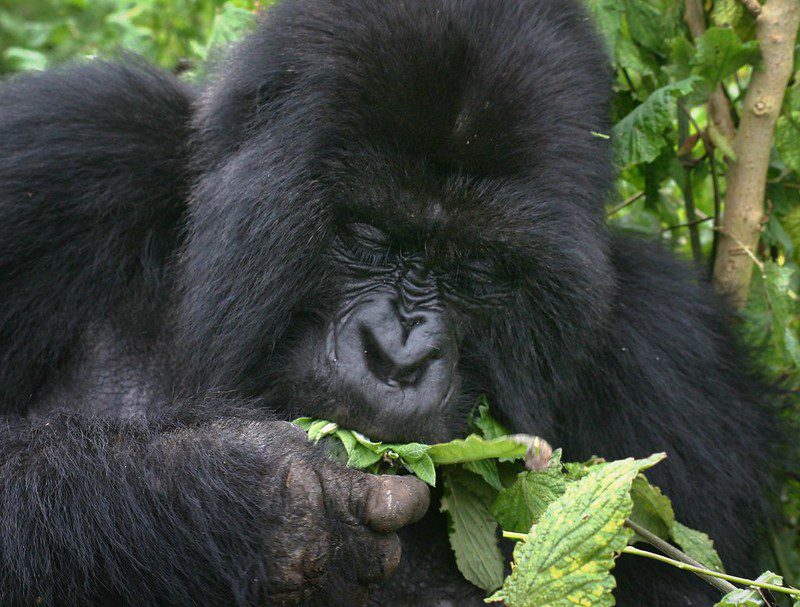
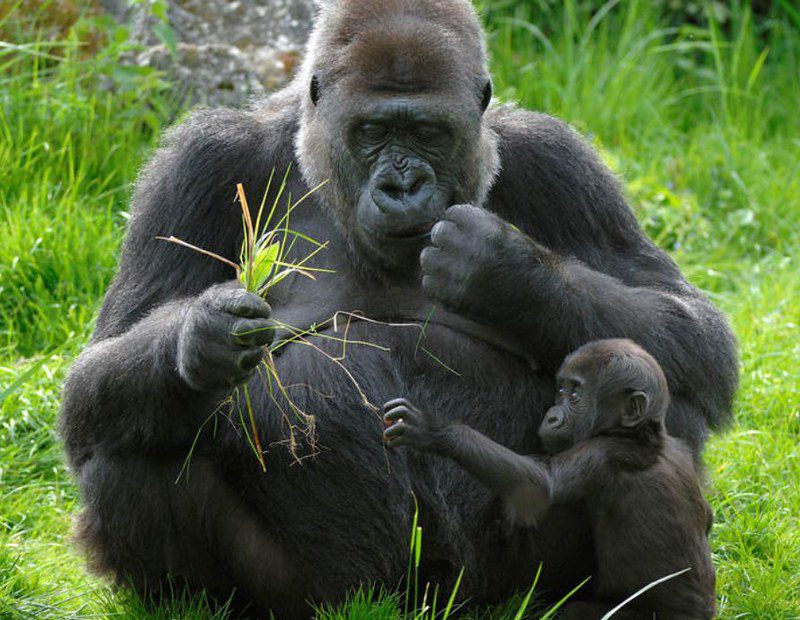
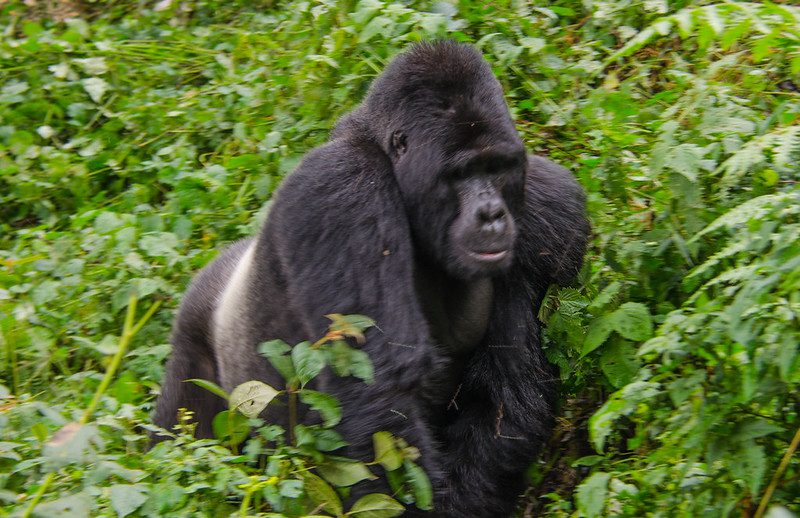
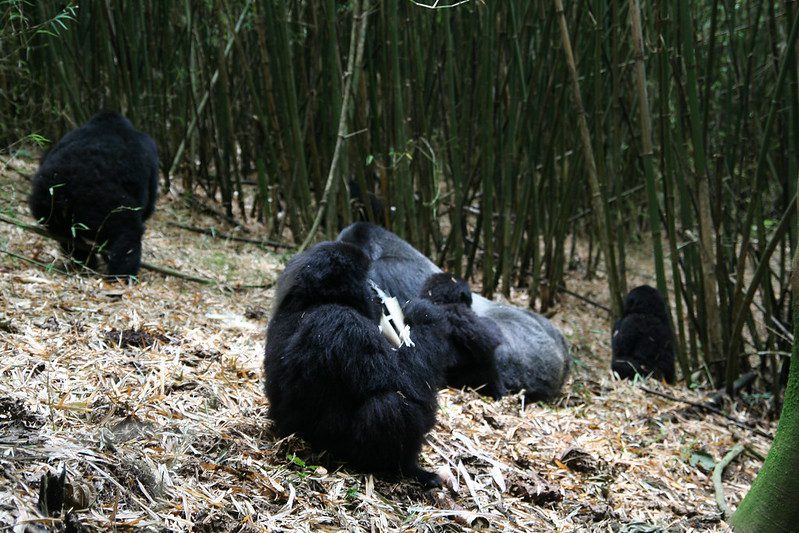
A habituated mountain gorilla family is usually led by one dominant silverback, along with several adult females, younger blackback males, juveniles, and infants, and can range from five to more than thirty individuals in a single group. The silverback makes all major decisions for the group – where to feed, when to move, and how to respond to perceived threats – while females handle most of the direct care of infants. Watching the group’s social dynamics, from grooming to play-fighting among juveniles, is often just as memorable as the initial sighting.
When a gorilla charges at you, what should you do?
Always observe how the gorilla behaves – this and other official gorilla trekking rules and etiquette are briefed to you before every trek. Remain composed, avoid direct eye contact, and do not run. If the gorilla charges, crouch down slowly, make yourself smaller, and follow your guide’s lead – most charges are bluff displays meant to test whether you’re a threat, and they stop well short of contact once the gorilla is satisfied you aren’t one.
What is the price of gorilla trekking in Rwanda?
The priciest gorilla trekking permits are offered by Rwanda and cost USD 1,500 per person per day – see how gorilla trekking costs and experiences compare across Uganda, Rwanda, and Congo. Permits in the Democratic Republic of Congo are considerably cheaper, though most travelers weigh price against accessibility, park infrastructure, and current safety advisories before choosing a country.
What colours are appropriate for a Ugandan gorilla trek?
We advise visitors to pack muted, earthy colours – khaki, olive, light brown, and forest green – since they blend into the forest environment and don’t startle wildlife the way bright colours or white clothing can. This advice applies not just to gorilla trekking in Uganda, but to safari destinations across Rwanda, Tanzania, Kenya, and Congo as well.
Which time of year is ideal for seeing gorillas?
The two dry seasons – December to February and June through mid-September – are generally considered ideal, since forest trails are firmer and less slippery. If you’re building a longer itinerary, this window also overlaps well with a Tanzania safari and the wildebeest migration in the Serengeti, making it possible to combine a gorilla trek with East Africa’s other headline wildlife event on a single trip.
How much time are guests allowed to spend with the gorillas?
Standard gorilla trekking permits allow exactly one hour with the gorilla family once you locate them, though the walk to reach that point can take anywhere from 30 minutes to several hours. The one-hour limit is strictly enforced by rangers to minimise stress on the gorillas and reduce the risk of disease transmission from repeated close human contact.
If a gorilla approaches or follows you, what should you do?
Never try to run if a gorilla is moving toward you. Gorillas are considerably faster than humans over short distances, and fleeing can trigger a chase response. The best course of action is to stay quiet, avoid sudden movements, and let your guide manage the situation – gorillas that are used to habituated trekking groups generally lose interest quickly once they’ve confirmed you aren’t a threat.
Can I bring a camera on a gorilla trek?
Yes, cameras and smartphones are welcome and encouraged, but flash photography is strictly prohibited, as sudden bright light can startle or agitate the gorillas. A camera with good low-light performance is useful, since the forest canopy blocks a lot of natural light. Selfie sticks and tripods are generally discouraged since they can be awkward to manage at close range and slow down group movement.
What frightens gorillas?
Somewhat surprisingly, gorillas are wary of small reptiles and insects such as chameleons and caterpillars, and they generally dislike getting wet – they’ll often go out of their way to cross streams via fallen logs rather than wade through water. Loud noises, sudden movements, and unfamiliar scents can also unsettle a group, which is part of why guides ask trekkers to stay quiet and move calmly.
What time does gorilla trekking start at all trekking locations?
Gorilla trekking begins early at every park, with registration and a briefing at the park headquarters at around 7:00 am. Rangers use radio contact with trackers who have already located the previous night’s nesting site to assign each visitor group to a specific gorilla family before setting off, so punctual arrival matters if you want the most efficient route into the forest.
Is gorilla trekking safe for children?
The minimum age for gorilla trekking is 15 years across Uganda, Rwanda, and Congo, a rule set by park authorities rather than individual operators, largely due to the physical demands of the trek and disease-transmission concerns. Younger children can usually be looked after at the lodge or park headquarters, or taken on a shorter nature walk or the Batwa cultural experience instead, while older family members trek.
Ready to Start Planning Your Gorilla Trek?
Gorilla permits are limited and sell out months in advance during peak season, so the best time to start planning is now. Our team can help you choose the right country and season, secure your permit, and build it into a full Uganda, Rwanda, or Congo itinerary that fits your time and budget. Get in touch below and let’s start planning your gorilla trekking adventure.