
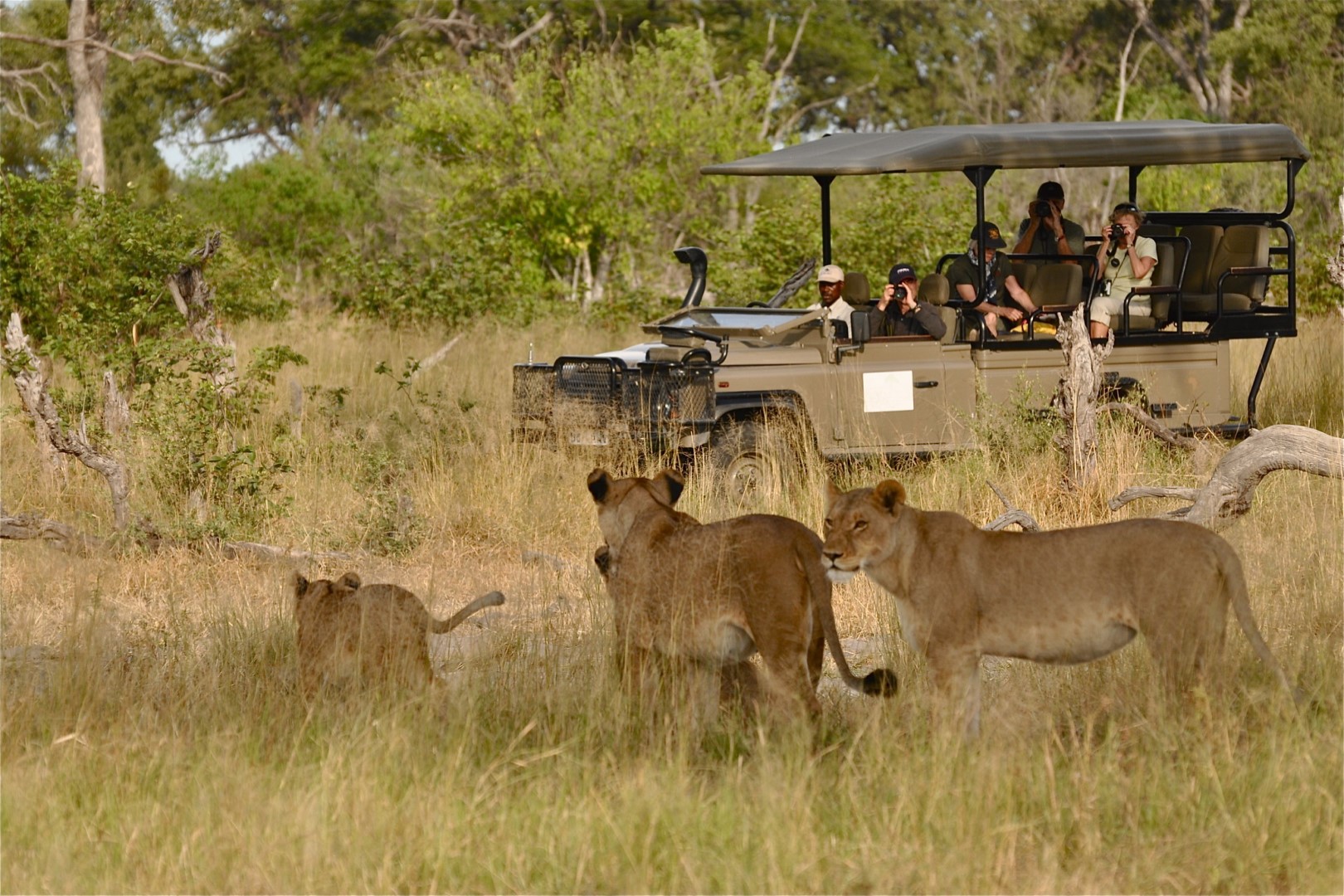
What Not to Pack for a Safari: Items Rangers Wish You Had Left at Home
Packing for an African safari requires a different approach from preparing for a city holiday or a beach vacation. You need clothing that suits changing temperatures, comfortable shoes for outdoor activities, protection against the sun, and practical equipment for wildlife viewing. However, packing too much can create unnecessary problems, especially when your itinerary includes small safari vehicles, domestic flights with strict luggage limits, remote camps, or several nights in the wilderness.
Many travellers focus on what they need to bring and forget that some items are better left at home. Experienced safari guides, park rangers, and lodge staff regularly see visitors arrive with unsuitable clothing, oversized suitcases, unnecessary gadgets, strongly scented products, and equipment that makes wildlife activities more difficult. Some belongings simply take up space, while others can create safety concerns or disturb animals.
The best safari packing list is not the longest one. It is the list that gives you everything you need without making travel unnecessarily complicated. Whether you are visiting Uganda’s Bwindi Impenetrable National Park, tracking wildlife in Kenya’s Maasai Mara, exploring Tanzania’s Serengeti, or joining a gorilla trekking adventure in Rwanda, knowing what not to pack can make your journey more comfortable and responsible.
Oversized Hard-Shell Suitcases
A large, rigid suitcase may be convenient for an international flight, but it can become a burden once you begin travelling between safari destinations. Some safari vehicles have limited luggage compartments, and smaller aircraft used for bush transfers may impose strict baggage allowances. A suitcase that fits easily into an airport trolley may be difficult to accommodate in a light aircraft or the luggage area of a four-wheel-drive vehicle.
The problem becomes more noticeable on itineraries involving several lodges. Your luggage may need to be loaded and unloaded repeatedly, sometimes on uneven ground or in rainy conditions. Large suitcases can also leave less room for other passengers’ belongings, camera equipment, and essential supplies.
A soft-sided travel bag is often a more practical choice for safari travel. It can fit into irregular storage spaces and is generally easier to handle when vehicles are fully loaded. However, the correct luggage type depends on your transport arrangements, so confirm the operator’s requirements before travelling.
You do not necessarily need to leave every hard-shell suitcase at home. If your itinerary involves road transfers and conventional hotels, a medium-sized suitcase may work perfectly well. The key is to avoid packing a large case simply because you own one.
Too Many Clothes and Shoes
One of the most common safari packing mistakes is bringing a different outfit for every day. Travellers sometimes imagine that they need separate clothes for morning game drives, afternoon activities, dinner, sightseeing, and lodge relaxation. In reality, most safari clothing can be worn more than once, provided it remains clean, comfortable, and suitable for the conditions.
Many safari lodges offer laundry services, although availability, costs, and turnaround times vary. Some remote camps have restrictions on washing certain items, so it is worth checking before relying on laundry. Even without a laundry service, a small selection of versatile clothing is usually enough for a week-long safari.
Pack lightweight trousers, breathable shirts, a warm layer, underwear, socks, and a rain jacket appropriate to the season. Choose items that can be mixed and matched rather than bringing several complete outfits that serve the same purpose.
Shoes are another source of unnecessary luggage. Travellers may pack hiking boots, trainers, sandals, dress shoes, and several spare pairs without considering which activities are actually planned. For a standard vehicle-based safari, comfortable closed shoes and a pair of sandals may be sufficient. Gorilla trekking or longer guided walks may require sturdy, supportive footwear with suitable grip.
Your itinerary should determine your footwear. If you are joining a challenging forest trek, appropriate hiking boots are more useful than fashionable shoes. If you are spending most of your time on game drives, heavy mountaineering boots may be unnecessary.
Bright Clothing That Draws Unwanted Attention
Rangers and safari guides often recommend neutral, understated clothing for wildlife activities. Bright colours such as neon pink, fluorescent green, and vivid orange are not usually the most practical choices for walking safaris or forest excursions.
The concern is not that every bright colour will automatically frighten wildlife. Animal responses depend on the species, setting, distance, movement, and behaviour of the people nearby. Nevertheless, subdued clothing helps visitors blend into the surroundings and reduces visual distraction during certain activities.
Khaki, olive, brown, beige, and other muted colours are useful options for many safari settings. Lightweight fabrics that dry reasonably quickly are also practical when temperatures change or rain arrives unexpectedly.
Avoid interpreting neutral clothing advice as a requirement to purchase an entirely new wardrobe. Ordinary comfortable clothes in suitable colours will often work. You do not need a head-to-toe professional safari outfit to enjoy a game drive.
There are also situations where clothing guidance differs. Some wildlife activities have specific requirements, and local operators may provide advice based on the species being visited. For example, travellers going on gorilla trekking excursions should follow the guidance provided by their park authority or tour operator, particularly regarding long sleeves, trousers, and protection from vegetation.
Camouflage Clothing and Military-Style Accessories
Camouflage clothing may seem appropriate for a wilderness holiday, but it is not a good default choice for civilian safari travellers. In some African countries, camouflage patterns and military-style clothing are restricted or regulated, and wearing them in public may attract unwanted attention or create misunderstandings.
The rules differ by country, so travellers should check the regulations of each destination rather than assuming that an item acceptable at home will be acceptable abroad. This is especially important when crossing borders between countries on a regional safari.
There is no need to wear camouflage to observe wildlife. Neutral outdoor clothing is normally sufficient for game drives, guided walks, and most forest excursions. A practical shirt, comfortable trousers, and suitable footwear will serve you better than clothing designed to resemble a military uniform.
The same caution applies to accessories that look like official security equipment. Avoid packing items that could be mistaken for police or military gear unless they have a legitimate purpose and are permitted under local law.
Strong Perfumes, Scented Sprays, and Excessive Cosmetics
Perfume, heavily scented body sprays, and strongly fragranced lotions are rarely essential safari items. Some travellers pack several personal fragrance products because they expect to use them as they would at home. In the wilderness, however, these products can be unnecessary additions to an already crowded bag.
Strong scents may attract insects or contribute to an unpleasant experience for other people sharing a vehicle or small lodge space. The effect varies by product and environment, so it would be inaccurate to claim that perfume always attracts dangerous wildlife. The more practical concern is avoiding unnecessary fragrances when spending time outdoors.
A simple personal-care kit is usually enough. Bring unscented or lightly scented toiletries where practical, along with sunscreen, lip balm, moisturiser if needed, and your usual hygiene products. If you have sensitive skin or rely on specific products, prioritise those rather than packing a large collection of cosmetics.
Insect repellent is a different matter. It can be an important part of personal protection in many safari destinations, especially in areas where mosquitoes and other biting insects are present. Choose an appropriate product and follow its label instructions. Do not replace effective insect protection with perfume or assume that natural fragrance products provide reliable protection.
Food, Snacks, and Unnecessary Groceries
It is understandable to worry about food when travelling to remote destinations, particularly if you have dietary restrictions or are unsure what safari lodges provide. However, filling your luggage with large quantities of groceries is rarely necessary.
Many safari packages include meals, drinking water arrangements, and sometimes packed lunches for long game drives. What is included varies by accommodation and tour package, so review the details before shopping. Carrying food that your lodge already provides adds weight and can create storage problems.
Food can also attract insects and other animals if it is stored carelessly. Leaving snacks open in a safari vehicle, tent, or room can create avoidable problems. In camps where wildlife moves freely through the grounds, guests should follow staff instructions about food storage and disposal.
If you need specific snacks for a medical, dietary, or personal reason, bring a reasonable quantity in sealed packaging. Travellers with allergies, diabetes, or other dietary requirements should discuss their needs with the operator in advance rather than relying entirely on food purchased after arrival.
Be particularly careful with fresh produce, meat, seeds, and other agricultural products when crossing international borders. Countries have different biosecurity and customs requirements, and some items may need to be declared or may not be permitted. Check the rules for your route before packing food.
Drones Without Permission
A drone may seem like an excellent way to photograph elephants, savannah landscapes, lakes, and mountain forests from above. However, it is one of the most important items to reconsider before a safari.
Drone use is regulated in many countries, and national parks or protected areas may prohibit recreational flights or require specific authorisation. Rules can cover registration, importation, flight locations, operator qualifications, permits, and safety distances. Permission to bring a drone into a country does not automatically mean you can fly it inside a national park.
Drones can disturb wildlife, disrupt other visitors’ experiences, and create safety risks around aircraft, people, and animals. The noise and movement may interfere with a quiet wildlife encounter, while a drone flying near a gorilla group or other sensitive species can be especially inappropriate.
Before packing one, check the current aviation rules and the regulations of every protected area on your itinerary. Obtain any required permissions in advance and follow restrictions imposed by park authorities. If you cannot confirm that your planned use is legal and authorised, leave the drone at home.
A camera with a suitable lens, a smartphone, or binoculars can provide excellent safari experiences without introducing the complications associated with unauthorised flights.
Loud Speakers and Music Equipment
Portable speakers are useful at home, on road trips, and during beach holidays. On safari, they are generally unnecessary and can disturb both wildlife and other guests.
Many people travel to African wilderness areas for the opportunity to hear natural sounds, including birds calling, insects buzzing, wind moving through grass, and animals communicating. Loud music can interfere with these experiences and make it harder for guides and visitors to hear important sounds.
During wildlife activities, quiet behaviour is often essential. Guides may need to communicate instructions, listen for animal movement, or help guests maintain an appropriate distance from wildlife. Music playing through a speaker makes these tasks more difficult.
Headphones may be suitable for listening to music privately during a long transfer, provided you remain aware of your surroundings and can hear instructions. However, keep entertainment devices silent during game drives, guided walks, and wildlife encounters unless your guide indicates otherwise.
You do not need to turn every moment of your safari into an activity filled with entertainment. The quiet periods between sightings are part of the experience, and many travellers find that listening to the environment becomes one of the most memorable parts of their trip.
Flashlights That Are Too Bright or Poorly Used
A reliable torch can be useful at safari lodges and camps, especially where paths are unlit or electricity is limited. The mistake is not bringing a flashlight. It is bringing equipment that is unnecessarily powerful or using it carelessly around wildlife.
Extremely bright beams can temporarily affect night vision and disturb people or animals if directed into their eyes. Shining a torch directly at nocturnal animals may alter their behaviour, and repeated disturbance can interfere with normal wildlife activity.
A compact headlamp or ordinary flashlight with adjustable brightness is often sufficient for walking between accommodation areas, locating belongings, or navigating a dark room. A red-light setting can be useful in some situations, but it does not make every use harmless or automatically acceptable around wildlife.
Follow lodge instructions about moving around after dark. In some camps, guests must be escorted by staff because animals may move through the grounds. A torch does not make it safe to walk alone where staff have instructed visitors not to do so.
During night drives, use only the lighting permitted by the operator and park rules. Never assume that your personal flashlight can be used freely during wildlife viewing.
Cheap Binoculars That Cannot Hold Focus
Binoculars can significantly improve a safari, allowing you to observe birds, distant antelope, and wildlife behaviour without approaching animals. However, packing an unreliable pair can be almost as frustrating as bringing none at all.
Very cheap binoculars may have poor optical clarity, awkward focus controls, or insufficient brightness in low-light conditions. Some are also uncomfortable to hold for extended periods. These problems become obvious when you are trying to identify a distant animal during a short sighting.
You do not need professional wildlife optics worth hundreds of dollars to enjoy a safari. A dependable pair of binoculars with suitable magnification and clear optics is usually more valuable than a large, inexpensive model with impressive-looking specifications.
For many travellers, 8×42 binoculars provide a useful balance of magnification, brightness, and stability. A 10×42 pair can reveal more detail at greater distances but may be harder to hold steady. The best choice depends on your eyesight, budget, and how you plan to use them.
Avoid bringing several pairs unless different travellers genuinely need them. One reliable pair per person, or a suitable shared pair for occasional viewing, is often enough.
Large Amounts of Cash and Unnecessary Valuables
Carrying too much cash can create avoidable security concerns. Safari travellers sometimes bring large sums because they expect remote areas to operate entirely on cash. Although cash remains useful in many parts of East Africa, the amount you need depends on your itinerary, payment arrangements, and the places you visit.
Some lodges and operators accept cards, while others may have limited connectivity or different payment requirements. Mobile money services are widely used in some local settings but may not be practical for every international visitor. Tipping customs, local purchases, optional activities, and emergency expenses should all be considered when planning your spending money.
Confirm which costs are already included in your safari package. You may not need to carry cash for accommodation, park permits, or transport if these have been paid in advance. Keep a reasonable amount available for personal expenses, tips, and places where electronic payment is unavailable.
Avoid carrying expensive jewellery, multiple watches, or other valuables that you will rarely use. Safari activities can involve dust, rain, uneven ground, and frequent movement between vehicles and lodges. Simple, practical accessories are easier to manage.
Divide your cash and payment cards sensibly, keep them secure, and avoid displaying large sums in public. You should also keep emergency funds separate from your everyday spending money.
Expensive Jewellery and Fragile Accessories
An African safari is generally not the best setting for jewellery that needs constant attention. Large earrings, expensive necklaces, delicate bracelets, and valuable watches can become inconvenient during long drives, forest walks, and outdoor activities.
Dust, sweat, rain, and frequent changes of clothing can make jewellery uncomfortable or difficult to maintain. Small pieces may also be misplaced when you remove them before trekking or swimming.
For gorilla trekking, chimpanzee tracking, and other activities involving dense vegetation, simple accessories are often more practical. Jewellery that catches on branches or clothing can become a nuisance, while anything valuable creates an unnecessary concern if it is lost.
If you are combining a safari with a wedding, anniversary celebration, or luxury city stay, you may wish to bring a special accessory. Keep it securely stored and use it only when appropriate. There is no need to pack several valuable items for activities where they offer little practical benefit.
Unnecessary Electronic Gadgets
Modern travellers can accumulate a surprising number of electronic accessories. Smartphones, tablets, laptops, cameras, action cameras, drones, portable gaming devices, smartwatches, e-readers, and multiple charging systems can quickly fill a bag.
Some electronics are genuinely useful. A smartphone can hold travel documents, help with communication, and capture photographs. A camera may be important for wildlife photography, while a power bank can be helpful during long transfers. The problem arises when you pack several devices that perform similar functions.
Consider how you will actually use each item. If you are not planning to edit photographs professionally, you may not need to carry a laptop on a short safari. If your smartphone takes photographs that meet your expectations, an additional compact camera may offer limited value.
Electronic equipment also requires charging and protection from dust, moisture, and accidental damage. More devices mean more cables, adapters, batteries, and time spent managing equipment.
Choose a small collection of devices that supports your priorities. If photography is central to your trip, invest in suitable camera equipment and protection. If you prefer a relaxed wildlife experience, a smartphone and binoculars may be enough.
Before travelling, confirm the charging arrangements at your accommodation. Some remote camps have limited electricity or specific charging hours, so do not assume that every device can be charged whenever you need it.
Unnecessary Plastic Bags and Poorly Packed Toiletries
Plastic bags may seem like a convenient way to separate dirty clothes, shoes, snacks, and toiletries. However, single-use plastics are restricted or regulated in some destinations, including certain East African countries. Rules vary by country and product type, so travellers should check current requirements before packing plastic shopping bags or other restricted items.
Reusable packing cubes, washable laundry bags, and suitable dry bags can keep belongings organised without relying on disposable packaging. A small waterproof bag is also useful for protecting electronics or separating damp clothing after rain.
Toiletries are another area where travellers frequently overpack. Large bottles of shampoo, several moisturisers, multiple hair products, and full-sized cosmetic collections can add unnecessary weight. Many safari lodges provide some basic toiletries, but this should never be assumed without checking.
Transfer personal-care products into appropriately labelled travel containers where permitted, or purchase travel-sized versions. Keep essential products in secure packaging to prevent leaks. If you use a specialist product for skin care or another personal requirement, bring enough for the trip rather than relying on uncertain availability in remote areas.
Avoid leaving wrappers, packaging, or personal waste in vehicles, camps, forests, and protected areas. Carry waste until you can dispose of it properly, following instructions from your guide or accommodation staff.
Firearms, Weapons, and Restricted Self-Defence Items
Travellers sometimes consider bringing items such as knives, pepper spray, or other self-defence equipment because they associate wilderness travel with danger. These items are not a substitute for professional guidance and can create legal or transport complications.
Rules concerning weapons and self-defence products differ between countries and may also apply to transit airports. An item that is legal to own at home may be prohibited, restricted, or subject to declaration requirements at your destination. Airline rules may impose additional restrictions on cabin or checked baggage.
Safari guests should not attempt to protect themselves from wild animals using personal weapons or by approaching wildlife. Guides, park rangers, and trained lodge staff are responsible for managing wildlife encounters according to local procedures. Visitors should follow their instructions and maintain the distances required by the activity.
Pack ordinary travel safety essentials instead, such as a charged phone, emergency contact information, personal medication, and a small first-aid kit suited to your needs. If you are uncertain about a particular item, check the applicable customs and airline regulations before travelling.
Plastic Water Bottles You Do Not Need
Hydration is important on safari, particularly during hot afternoons, long game drives, and physically demanding treks. However, bringing a large collection of disposable water bottles from home is rarely necessary.
Your operator may provide drinking water during transfers and activities, and many lodges have arrangements for supplying guests with safe drinking water. These arrangements vary, so confirm them before departure. Never assume that untreated water from a stream, lake, or tap is safe to drink simply because you are in a natural environment.
A reusable water bottle is often a practical choice when suitable refill facilities are available. Choose a bottle that is easy to clean, seals securely, and has enough capacity for the activities planned. For strenuous walks, follow your guide’s advice about how much water to carry.
Travellers who need a particular type of water, or who are unsure about the safety of local supplies, should discuss their requirements with their operator. Depending on the destination, sealed bottled water or another approved supply may be more appropriate.
The goal is not to avoid all plastic under every circumstance. It is to carry what you need, use safe drinking-water arrangements, and avoid unnecessary waste.
Books and Heavy Entertainment Items
A long-haul flight or extended road transfer may encourage you to pack several books, notebooks, magazines, and entertainment accessories. A little reading material can make travel more enjoyable, but heavy items often remain unused once the safari begins.
Safari days can start early, with departures before sunrise and long periods spent outdoors. After returning to camp, many travellers prefer to shower, eat, review photographs, or rest before the next activity. Your available free time may be shorter than you expect.
An e-reader or a single lightweight book can provide entertainment without taking up much room. You can also download reading material, music, and films to your phone or tablet before leaving home, particularly if mobile data coverage may be unreliable.
Do not plan your safari around the assumption that every lodge will have dependable internet or television. Some properties provide excellent connectivity, while others offer limited access because of their location or infrastructure.
Bring enough entertainment for travel days, but leave the heavy collection at home unless reading is a central part of your holiday.
Medicines You Cannot Legally Carry or Do Not Understand
Personal medication is essential when required, but packing medicines without checking their rules can cause problems at borders. Certain prescription medicines, controlled substances, and medical products may be subject to import restrictions or documentation requirements.
Do not assume that a medicine permitted in your home country is automatically permitted in every country on your route. Check the relevant rules for your destination and any transit countries, especially if you are carrying controlled medication.
Keep necessary medicines in their original packaging where practical, and carry prescriptions or supporting documentation when appropriate. Pack enough for the expected trip and allow for possible delays. Essential medication should generally remain accessible during travel rather than being placed somewhere you cannot reach easily.
At the same time, avoid bringing a large collection of unfamiliar medicines simply because you expect to encounter every possible illness. A suitable personal first-aid kit, prescribed medication, and destination-specific health advice are more useful than an assortment of products you do not know how to use.
Speak to a qualified healthcare professional or travel clinic about recommended vaccinations, malaria prevention where relevant, and any medical preparations required for your itinerary. Requirements and recommendations depend on the countries visited, activities planned, and your individual circumstances.
Heavy Equipment for Activities You Have Not Booked
Some travellers pack for every possible activity, including mountain climbing, camping, fishing, cycling, swimming, and extended hiking, even when their itinerary consists mainly of vehicle-based wildlife viewing.
Specialist equipment is useful when it matches a confirmed activity. It becomes a burden when you carry it without a clear plan to use it.
For example, a full camping setup is unnecessary if you are staying in lodges and tented camps that provide beds and bedding. Heavy climbing equipment may not be needed for a guided nature walk. A large fishing kit has little value if fishing is not included in your itinerary.
Before departure, read the itinerary carefully and ask your operator what equipment is supplied. Some activities provide walking sticks, protective gear, life jackets, or other items, while others require guests to bring specific personal equipment.
Gorilla trekking is a good example of why activity-specific preparation matters. You may need sturdy footwear, long trousers, long sleeves, rain protection, and a small daypack. You generally do not need to bring every piece of equipment associated with a multi-day wilderness expedition. Follow the instructions supplied by your operator and the relevant park authority.
Items That Encourage Unsafe Wildlife Behaviour
Some belongings become problematic because of how visitors use them. Feeding wildlife, attempting to attract animals with food, approaching animals for photographs, or using objects to provoke a reaction can create safety concerns and disturb natural behaviour.
Do not pack food specifically to feed monkeys, baboons, birds, elephants, or other wild animals. Feeding can encourage animals to associate people with food, increase unwanted encounters, and interfere with natural feeding patterns. Follow park rules and never offer food to wildlife unless an authorised activity explicitly permits a controlled practice under professional supervision.
Selfie sticks and other extended accessories also require care. They should never be used to reach toward animals or cross a vehicle’s safety boundary. A long accessory does not make it acceptable to get closer than your guide recommends.
If you are photographing wildlife, use your camera’s zoom or a suitable telephoto lens rather than trying to move closer. Stay inside the vehicle where required, keep your voice low, and listen to your guide. Rangers and guides are not simply trying to make an encounter more restrictive. Their instructions help protect visitors, wildlife, and the long-term quality of the experience.
What Rangers and Guides Actually Want You to Bring
Knowing what to leave at home is only part of preparing well. Rangers and guides also appreciate visitors who arrive with the right essentials and understand how to behave in protected areas.
Bring comfortable, weather-appropriate clothing, reliable footwear for your planned activities, sun protection, insect repellent where appropriate, and any personal medication you require. A reusable water bottle may be useful if your operator has safe refill arrangements. Binoculars can improve wildlife viewing, while a small daypack helps keep essential items within reach.
For forest activities, include suitable rain protection and clothing that protects your skin from vegetation. For open savannah game drives, a warm layer can be valuable during early mornings, even in destinations that are hot later in the day. A hat, sunglasses, and sunscreen can also make long periods outdoors more comfortable.
Your camera equipment should reflect your interests rather than your desire to carry every available accessory. If wildlife photography is a priority, bring the lenses, batteries, memory cards, and protective storage you genuinely need. If photography is secondary, simpler equipment may allow you to enjoy sightings without spending the entire trip adjusting settings.
Most importantly, bring a willingness to follow instructions. Keep a respectful distance from animals, remain quiet when requested, avoid littering, and never leave designated areas without permission. Listen carefully during safety briefings, especially before gorilla trekking, chimpanzee tracking, walking safaris, boat trips, or night activities.
Check Your Itinerary Before You Close Your Suitcase
The most reliable way to avoid overpacking is to prepare according to your actual safari rather than a generic list. A traveller spending five nights on vehicle-based game drives in the Serengeti will have different requirements from someone combining gorilla trekking in Bwindi with a beach stay in Zanzibar. A person joining a walking safari may need different footwear from someone visiting wildlife parks entirely by vehicle.
Start by reviewing the transport arrangements. Confirm luggage limits for any domestic flights, the type of safari vehicle being used, and whether there are restrictions on bag size or weight. If you are travelling with specialist photography equipment, ask whether it must be carried separately from your main luggage.
Next, review your accommodation. Ask whether laundry is available, what toiletries are provided, how drinking water is supplied, and whether electricity is available throughout the day. These details help you decide how much clothing, personal-care equipment, and charging equipment to carry.
Then consider your planned activities. Gorilla trekking, chimpanzee tracking, guided forest walks, boat safaris, mountain hikes, and conventional game drives do not require identical preparation. Follow the advice given for each activity and avoid purchasing specialist equipment unless it serves a genuine purpose.
Finally, remove anything you packed only because you might possibly use it. If an item is bulky, expensive, difficult to replace, restricted by local rules, or unlikely to serve a clear purpose, reconsider whether it deserves space in your bag.
A well-packed safari bag should make travel easier, not become another problem to manage. Leave unnecessary valuables, oversized luggage, loud entertainment equipment, unauthorised drones, excessive toiletries, and unsuitable specialist gear at home. Focus instead on comfort, safety, respect for wildlife, and the practical needs of your itinerary. You will spend less time managing your belongings and more time enjoying the landscapes, animals, and memorable encounters that brought you to Africa in the first place.







No comment