
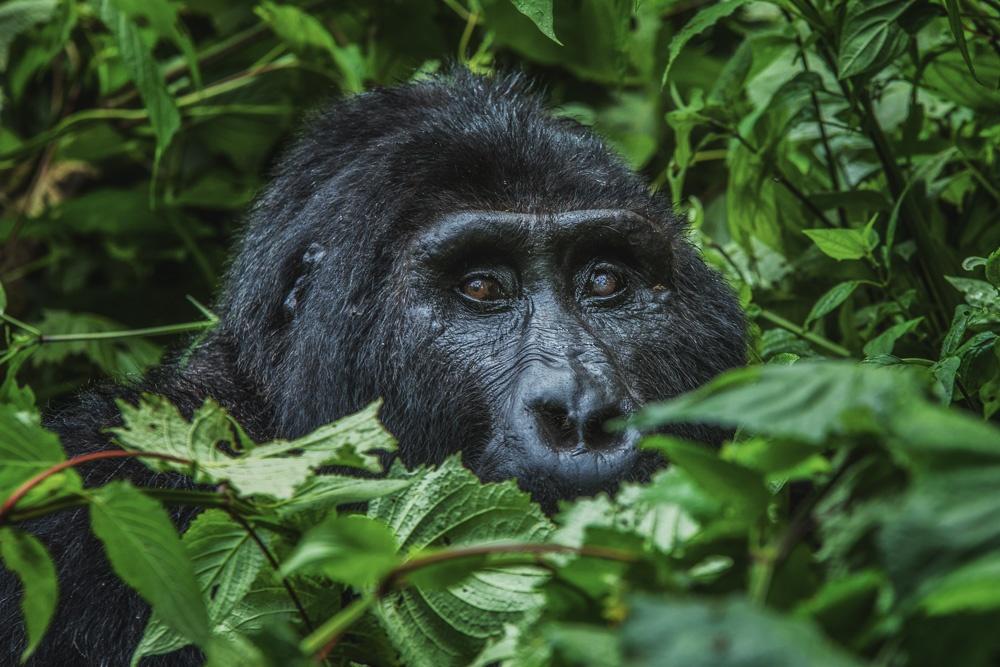
Gorilla Trekking in April and November
Gorilla Trekking in April and November: How Much Mud to Expect
Rain begins falling over Uganda’s Bwindi Impenetrable National Park as a group of visitors follows their ranger into the forest. Within minutes, the trail becomes slippery, hiking boots collect red mud and mist settles across the surrounding hills. Somewhere ahead, trackers are searching for a family of mountain gorillas.
For some travellers, these conditions are part of the adventure. For others, they raise an important question: how difficult does gorilla trekking become during the rainy months?
Gorilla trekking in April and November is possible in both Uganda and Rwanda, but visitors should prepare for wet forest trails, slippery slopes and unpredictable weather.
April generally falls within the longer rainy season, while November is part of the shorter rains. Both months offer green landscapes, atmospheric photographs and opportunities to experience the mountain forests with fewer tourists.
This guide explains how much mud to expect, which month may be more difficult and how to prepare for a comfortable and responsible gorilla trek.
1. Why Are April and November Rainy Months?
Uganda and Rwanda experience seasonal rainfall patterns influenced by their equatorial locations and mountainous landscapes.
Two wetter periods commonly affect gorilla trekking destinations.
The longer rainy season generally runs from March to May, while a shorter rainy period occurs around October and November, sometimes extending into December.
April normally falls within the wetter part of the first season.
November can also bring substantial rainfall, although conditions vary considerably between years.
Because mountain gorillas inhabit high-altitude forests, rain and mist remain possible even during traditionally drier months.
2. April vs November: Which Month Is Muddier?
April is often the muddier month in Bwindi and Volcanoes National Park, particularly when repeated heavy rainfall saturates the ground.
November can also produce difficult trekking conditions, especially after several consecutive wet days.
April and November Comparison
| Factor | April | November |
|---|---|---|
| Rainy season | Long rains | Short rains |
| Rainfall | Often frequent and heavy | Variable, sometimes heavy |
| Forest trails | Frequently muddy | Often muddy |
| Slippery slopes | Common concern | Common after rain |
| Vegetation | Very lush | Green and growing |
| Visitor demand | Often lower | Often lower |
| Trekking availability | Normally year-round | Normally year-round |
The actual difficulty depends on rainfall immediately before your trek, the terrain and the location of the assigned gorilla family.
3. How Muddy Does Bwindi Become in April?
Bwindi is a mountainous rainforest with narrow trails, exposed roots and steep slopes.
During April, repeated rainfall can soften the soil and create slippery walking conditions.
Some sections become particularly challenging where people and animals have repeatedly passed.
Red clay-rich soil can cling to boots, while wet leaves and exposed roots reduce grip.
Water may also collect in depressions or run along footpaths.
However, not every part of the forest becomes deep mud.
Rockier ground may remain comparatively firm, while shaded valleys can stay wet long after the rain stops.
4. What Is Gorilla Trekking Like in November?
November belongs to the shorter rainy season.
Visitors may experience cloudy mornings, passing showers or prolonged rain.
The forest often looks beautifully green, with mist surrounding the hills.
Trails can still be very slippery, particularly after several wet days.
However, November sometimes offers more breaks between heavy showers than April.
This can make the experience more comfortable for travellers who prefer slightly less persistent rainfall.
The difference is not guaranteed.
A particularly wet November can be harder than a relatively dry April.
5. How Deep Can the Mud Get?
There is no reliable standard mud depth for gorilla trekking trails.
Conditions change over short distances.
One section may contain only a thin slippery layer, while another may have deep footprints or standing water.
Visitors may encounter sticky mud around their boots or need to step carefully across wetter sections.
Typical Forest Conditions
| Trail Surface | Walking Experience |
|---|---|
| Damp soil | Usually manageable with good footwear |
| Soft mud | Boots may sink slightly |
| Sticky clay | Mud clings to footwear |
| Wet roots | Increased slipping risk |
| Steep muddy slope | Requires careful foot placement |
| Waterlogged depression | May require an alternative step or route |
It is more useful to prepare for changing surfaces than to expect a particular depth of mud.
6. Why Walking Downhill Can Be Difficult
Many visitors worry about climbing steep slopes, but descending through wet forest can be equally challenging.
During downhill walking, your feet must maintain grip while your body moves forward.
Mud and wet leaves can reduce traction.
A small slip may become serious on steep terrain.
This is why good hiking boots and trekking poles are useful.
Porters can also provide practical assistance when conditions are difficult.
Travellers with existing knee problems should discuss the physical demands with a healthcare professional before booking.
7. Does Rain Make Gorilla Trekking Longer?
Rain can slow progress, but it does not automatically mean the gorillas will be farther away.
The duration of a trek depends mainly on the assigned family’s location and movements.
However, slippery ground may force visitors to walk more slowly.
Rangers may choose alternative routes or allow additional rest breaks.
What Can Affect Trekking Time?
- Distance from the trailhead.
- Steepness of the terrain.
- Rainfall and ground conditions.
- Dense vegetation.
- Movement of the gorilla family.
- Fitness and pace of visitors.
A short trek can still be physically demanding when the ground is wet.
Equally, a long trek may involve stretches of comparatively firm terrain.
8. Do Gorillas Move Differently During Rainy Months?
Mountain gorillas continue their daily activities throughout the year.
They feed, rest, groom and travel through the forest during both wet and dry conditions.
Rainfall can influence vegetation growth and food availability.
However, travellers should not assume that gorillas always remain at lower elevations or become easier to find during the rainy season.
Their movements depend on several ecological and social factors.
Advance trackers monitor the assigned families and communicate their locations to ranger-guides.
This system helps visitors reach the gorillas regardless of the season.
9. Which Bwindi Sector Is Best During the Rains?
Bwindi has four main trekking sectors: Buhoma, Ruhija, Rushaga and Nkuringo.
All can experience mud and difficult walking conditions.
Bwindi Sector Comparison
| Sector | Rainy-Season Consideration |
|---|---|
| Buhoma | Forest paths can become slippery after heavy rain |
| Ruhija | Cooler highland conditions and muddy slopes |
| Rushaga | Variable terrain with possible steep approaches |
| Nkuringo | Steep landscapes can make wet descents demanding |
No sector guarantees an easy trek during April or November.
The actual route depends on where the assigned gorilla family is located.
Visitors with mobility concerns should explain their needs before group allocation.
10. What About Gorilla Trekking in Rwanda?
Rwanda’s Volcanoes National Park also experiences substantial rainfall during April and November.
Its mountainous landscape includes bamboo vegetation, forest paths and volcanic slopes.
During heavy rain, trails can become slippery and difficult to negotiate.
The higher elevations may feel cool, especially when clothing becomes wet.
Some paths are more open than Bwindi’s dense forest routes, but this does not necessarily make them easier.
The location of the assigned family remains the main factor affecting trekking difficulty.
11. What Boots Should You Wear?
Waterproof hiking boots with good ankle support and reliable traction are among the most useful items for a wet-season gorilla trek.
Choose boots that have already been worn comfortably.
New footwear may cause blisters during long hikes.
A deep, well-designed tread can provide better grip on muddy ground.
However, no boot prevents every slip.
Footwear Recommendations
| Item | Recommendation |
|---|---|
| Hiking boots | Waterproof, supportive and comfortable |
| Sole | Deep tread suitable for muddy trails |
| Socks | Moisture-managing hiking socks |
| Gaiters | Useful for keeping mud out |
| Spare footwear | Comfortable shoes for the lodge |
| Spare socks | Helpful after a wet trek |
Avoid ordinary trainers with smooth soles.
12. What Else Should You Pack?
Good clothing makes a major difference during wet-weather trekking.
Wear lightweight layers that can dry relatively quickly.
Avoid heavy cotton clothing that remains wet for long periods.
April and November Packing Checklist
- Waterproof hiking boots.
- Long hiking trousers.
- Lightweight waterproof jacket.
- Gardening or trekking gloves.
- Walking pole.
- Waterproof backpack cover.
- Dry bag for electronics.
- Spare socks.
- Packed lunch and drinking water.
- Required personal medication.
- Camera protection against rain.
Choose a jacket that allows reasonable ventilation while walking.
Rain protection is most useful when it remains comfortable during physical exertion.
13. Should You Hire a Porter During the Rainy Season?
Hiring a porter is particularly helpful during muddy trekking conditions.
A porter can carry your backpack, reducing the weight you must manage while walking.
They may also provide support when crossing slippery areas.
This assistance can be valuable during steep descents or when climbing difficult sections.
Porters also receive income from tourism activities around the national parks.
However, their assistance cannot eliminate every risk.
Visitors must still wear suitable footwear and follow ranger instructions.
14. Can Heavy Rain Cancel Gorilla Trekking?
Gorilla trekking generally continues during rainy weather.
A passing shower or muddy trail does not automatically lead to cancellation.
However, park authorities may alter arrangements or suspend activities when conditions become unsafe.
Possible concerns include severe storms, dangerous slopes or access problems.
Safety decisions belong to the relevant park authority.
Visitors should not assume that wet weather automatically qualifies them for a refund or free rescheduling.
Check the permit terms and travel insurance conditions before departure.
15. Are April and November Cheaper for Gorilla Trekking?
April and November are often considered quieter travel periods.
Some lodges offer lower seasonal accommodation rates, although this is not universal.
Permit prices and promotional discounts depend on official rules, nationality, residency status and travel dates.
Visitors should check current permit rates through Uganda Wildlife Authority or Rwanda Development Board.
Do not assume that a rainy-season visit automatically qualifies for a discounted permit.
The biggest potential savings may come from accommodation offers and greater availability.
16. Are There Advantages to Trekking During the Rains?
Despite the mud, April and November offer several attractions.
The forests become particularly green and atmospheric.
Clouds and mist can create beautiful photographic conditions.
There may also be fewer tourists at some lodges and trekking headquarters.
Birdwatching can be rewarding, although activity varies by species and location.
For travellers who enjoy lush landscapes and do not mind wet hiking conditions, these months can provide memorable experiences.
17. How to Protect Your Camera From Rain and Mud
Forest moisture can affect cameras, lenses and mobile phones.
Use a waterproof cover or protective bag.
Keep spare batteries and memory cards in a dry pouch.
Avoid changing lenses unnecessarily during heavy rain.
Carry a clean microfibre cloth for drying equipment.
Do not remove protective equipment while standing in deep mud or on unstable slopes.
Remember that flash photography is prohibited during gorilla viewing.
18. How to Reduce Slipping Risks
Walking carefully is more important than maintaining a fast pace.
Take shorter steps on steep ground.
Place your feet deliberately and avoid rushing.
Use a trekking pole when helpful.
If you feel unstable, ask your ranger or porter for assistance.
Never attempt to take a photograph while crossing a dangerous section of trail.
If conditions become too difficult, explain the problem to your ranger rather than continuing silently.
19. Frequently Asked Questions
Is April Too Rainy for Gorilla Trekking?
No. Gorilla trekking normally operates throughout April, but travellers should expect frequent rain and slippery ground.
Is November Better Than April?
November may offer more variable rainfall, making it an attractive alternative for some visitors. However, neither month guarantees dry conditions.
Will My Boots Become Muddy?
Very possibly. Waterproof boots with reliable grip are recommended.
Can I See Gorillas During Heavy Rain?
Gorillas remain in the forest throughout the year. Whether an encounter can proceed depends on local conditions and ranger safety decisions.
Is Gorilla Trekking Safe During the Rainy Season?
Authorised trekking is professionally managed, but wet terrain increases physical challenges. Preparation and ranger guidance remain essential.
Is Gorilla Trekking in April or November Worth It?
Gorilla trekking in April and November offers a different experience from the popular drier months.
Visitors should prepare for muddy trails, slippery slopes, changing weather and potentially slower hiking.
April is generally wetter, while November may provide more variable conditions.
Neither month guarantees an easy or difficult trek.
The location of the gorilla family, recent rainfall and your physical preparation all influence the experience.
With suitable boots, waterproof clothing, a porter and realistic expectations, wet-season gorilla trekking can be rewarding.







No comment