
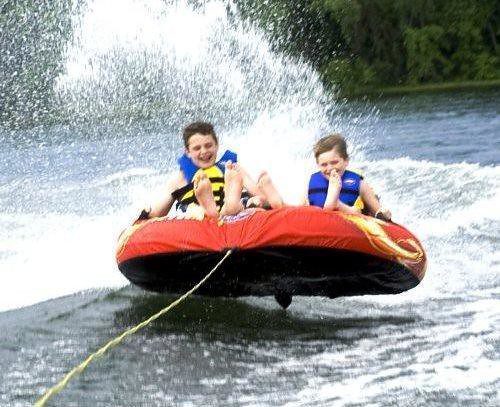
Tubing safaris in Uganda offer more than just thrilling water adventures—they provide a unique opportunity to experience nature in a sustainable and eco-friendly manner. As travellers increasingly seek responsible tourism options, tubing safaris stand out as an activity that promotes environmental conservation while allowing participants to connect with Uganda’s natural beauty. In this exploration of tubing safaris, we delve into how this activity embodies eco-friendliness and sustainability, making it a rewarding choice for conscious adventurers.
Responsible Water Practices
Tubing safari operators in Uganda prioritise responsible water practices to minimise environmental impact. They adhere to guidelines for waste disposal, ensuring that no litter is left behind in the waterways. By promoting cleanliness and respect for the environment, tubing safaris contribute to preserving the pristine condition of Uganda’s rivers and ecosystems.
Low-Impact Tourism
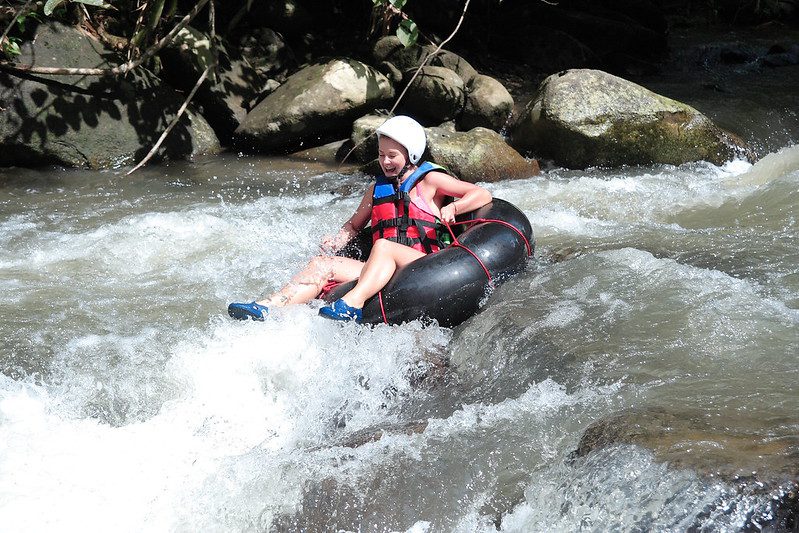
Unlike motorised water activities that can disturb wildlife and disrupt natural habitats, tubing safaris maintain a low impact on the environment. The gentle float along the waterways allows participants to observe wildlife from a distance without causing disturbance, fostering a harmonious coexistence between visitors and the natural ecosystem.
Conservation Education
Many tubing safari experiences in Uganda incorporate elements of conservation education. Knowledgeable guides share insights about local flora, fauna, and conservation efforts during the safari, raising awareness among participants about the importance of preserving Uganda’s biodiversity. This educational aspect enhances the overall value of the tubing adventure.
Support for Local Communities
Eco-friendly tubing safari operators often collaborate with local communities along the riverbanks. They engage in community-based tourism initiatives, providing economic opportunities for residents through cultural experiences, handicraft sales, and sustainable livelihood projects. By supporting local communities, tubing safaris contribute to community empowerment and sustainable development.
Carbon Footprint Reduction
Tubing safaris inherently have a lower carbon footprint compared to motorised water activities. Participants rely on natural currents or gentle paddling, reducing fuel consumption and emissions. This eco-friendly approach aligns with global efforts to mitigate climate change and promote eco-tourism practices.
Wildlife Conservation and Protection
By respecting wildlife and their habitats, tubing safaris play a role in wildlife conservation and protection. Guides emphasise the importance of observing wildlife from a safe distance, avoiding interference with natural behaviours, and respecting protected areas along the riverbanks. These conservation principles ensure that wildlife can thrive undisturbed in their natural environment.
Partnerships with Conservation Organisations
Some tubing safari operators collaborate with conservation organisations and national parks to support conservation initiatives. This partnership may include funding conservation projects, participating in wildlife monitoring programmes, or contributing to habitat restoration efforts. Travellers choosing eco-friendly tubing safaris indirectly support these conservation endeavours.
Promotion of Sustainable Tourism Principles
Tubing safaris serve as a model for sustainable tourism principles in Uganda’s water-based recreational activities. They demonstrate the possibility of offering memorable and enjoyable experiences to visitors while upholding environmental ethics and promoting long-term conservation goals. This alignment with sustainable tourism principles benefits both the environment and local communities.
Tubing safaris in Uganda exemplify eco-friendly and sustainable adventure tourism, showcasing how responsible practices can coexist with recreational activities in natural settings. By choosing tubing safaris that prioritise environmental conservation, travellers not only enjoy a memorable and immersive experience but also contribute positively to the preservation of Uganda’s natural heritage and support sustainable tourism development.
Adventure and Conscience, Genuinely Compatible
Tubing safaris prove that a genuinely thrilling, memorable adventure activity and a genuinely low environmental footprint aren’t opposing goals, they can, and should, coexist in the same afternoon on the water.
Where in Uganda Tubing Safaris Typically Take Place
Jinja, at the source of the Nile, remains Uganda’s primary hub for tubing safaris, offering both calmer stretches suited to beginners and more energetic sections for confident swimmers, all within a setting that showcases the river’s natural beauty and surrounding riverside communities. All in Africa Safaris can arrange a tubing safari with operators specifically committed to these eco-friendly practices.
Bringing Family and Friends Into the Experience
Tubing’s gentle, guided nature makes it a genuinely accessible activity for mixed-age groups, meaning the sustainability lessons woven into the experience reach a wide range of travelers rather than only committed eco-tourists.
What a Typical Eco-Friendly Tubing Session Looks Like
A well-run tubing safari begins with a safety and conservation briefing, followed by a two-to-three-hour float during which guides point out local wildlife, explain riverside ecology, and reinforce the low-impact practices covered throughout this guide. This structure ensures the sustainability principles aren’t simply marketing language but genuinely shape how the activity unfolds on the water.
Small Choices That Add Up Across an Entire Trip
A tubing safari’s modest environmental footprint becomes genuinely meaningful when multiplied across an entire trip built around similarly conscious choices, accommodation, transport, and other activities alike.
How Tubing Compares to Other Nile Water Activities
Compared to white water rafting or motorized boat tours, tubing offers a genuinely gentler, quieter way to experience the Nile, better suited to wildlife observation and environmental appreciation than adrenaline-focused activities. Travelers interested in both experiences often combine a tubing safari with a separate rafting session to experience the river from two distinctly different paces.
Choosing an Operator Committed to Genuine Sustainability
Beyond marketing claims, looking for concrete evidence of the practices described in this guide, documented waste management, verifiable community partnerships, actual conservation funding, helps travelers distinguish operators genuinely committed to eco-friendly tubing from those using the label loosely. All in Africa Safaris works exclusively with tubing operators who can speak specifically to these practices.
Why This Matters Beyond a Single Afternoon
The habits and awareness built during a single tubing safari often carry forward into how travelers approach the rest of their trip, and sometimes their travel choices well beyond Uganda.
What to Bring for an Eco-Conscious Tubing Trip
Reef-safe sunscreen, a reusable water bottle, and a genuine commitment to packing out any personal waste all extend the eco-friendly principles of the activity itself to your own personal preparation, ensuring your presence on the river aligns with the sustainability goals the safari promotes. Avoiding single-use plastics wherever possible during your trip reinforces this commitment beyond the tubing session itself.
Combining Tubing With Broader Sustainable Travel Choices
Choosing eco-friendly tubing as part of a wider Uganda itinerary that also prioritizes community-owned lodges and responsible wildlife viewing practices extends this sustainable travel philosophy across your entire trip rather than isolating it to a single activity. All in Africa Safaris can help build a genuinely sustainable Uganda itinerary around this same set of values.
Why Uganda’s Rivers Deserve This Level of Care
The Nile and its tributaries around Jinja support genuinely significant biodiversity and local livelihoods, making the low-impact approach central to tubing safaris not just an environmental nicety but a practical necessity for keeping these waterways healthy for both wildlife and the communities that depend on them. This context helps explain why so much emphasis is placed on responsible practices for what might otherwise seem like a simple recreational activity.
Safety Practices That Align With Sustainability Goals
Interestingly, many of the safety practices standard to tubing safaris, moving in guided groups, respecting designated float sections, avoiding disturbance to riverbank wildlife, also directly support the activity’s environmental goals, showing how genuine safety and sustainability consistently reinforce each other rather than competing. Guides trained in both dimensions bring considerably more value to the experience than those focused on safety alone.
The Economic Case for Sustainable Tubing Tourism
Beyond the direct community partnerships already covered, sustainable tubing tourism creates a genuine economic incentive for riverside communities to protect rather than exploit their natural surroundings, since a healthy, attractive river directly supports continued tourism revenue. This alignment between economic interest and conservation outcome is a defining feature of well-structured ecotourism activities like tubing safaris.
What Makes Jinja Specifically Well-Suited to This Model
Jinja’s established tourism infrastructure, developed over years of adventure tourism activity, provides the operational maturity needed to run genuinely sustainable tubing operations at scale, trained guides, proper equipment, established community relationships, that a newer or less-developed destination might struggle to replicate. This maturity is part of why Jinja remains Uganda’s clear hub for this specific activity.
How Tubing Fits Into a Broader Responsible Travel Movement
Uganda’s growing emphasis on ecotourism across gorilla trekking, community-based lodges, and activities like tubing safaris reflects a broader national shift toward sustainable tourism as a core economic and conservation strategy, rather than an isolated marketing trend limited to a single activity. Choosing a tubing safari built around these principles connects your individual trip to this larger, genuinely meaningful movement.
A Model Worth Supporting With Your Booking
Every eco-conscious tubing booking sends a genuine market signal that sustainable practices matter to travelers, encouraging more operators across Uganda’s adventure tourism sector to adopt these same standards.
Planning Your Eco-Friendly Tubing Adventure
Choosing a tubing safari built around the genuine sustainability principles covered in this guide turns a fun day on the water into a meaningful contribution toward Uganda’s environmental and community wellbeing. All in Africa Safaris can arrange your tubing safari with operators who share this same commitment to responsible, low-impact adventure, proving that fun and genuine environmental care aren’t mutually exclusive, but genuinely reinforce each other on the water.

No comment