
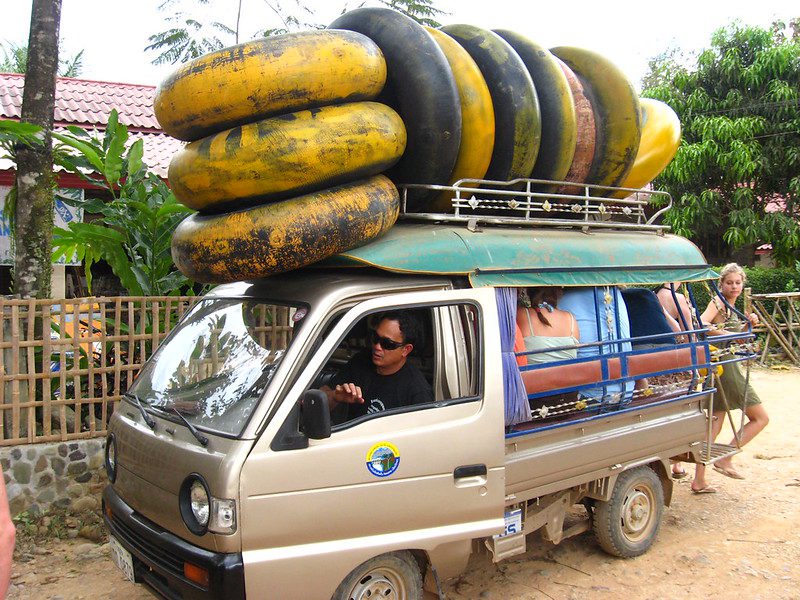
Packing for a tubing safari in Uganda requires careful consideration to ensure a comfortable and enjoyable experience amidst the country’s scenic waterways and diverse wildlife. Here’s a comprehensive guide on essential gear and supplies to pack for your tubing adventure:
Appropriate Clothing
Swimwear: Pack comfortable and quick-drying swimsuits or swim trunks suitable for water activities.
Lightweight Clothing: Include lightweight, breathable clothing such as T-shirts, shorts, and sandals for after-tubing activities or relaxing at your accommodation.
Sun Protection: Don’t forget wide-brimmed hats, sunglasses with UV protection, and lightweight long-sleeved shirts or cover-ups to shield your skin from the sun’s rays.
Footwear and Water Shoes
Water Shoes: Invest in sturdy water shoes with good grip to protect your feet while tubing and walking on riverbanks.
Comfortable Sandals: Pack comfortable sandals or flip-flops for casual wear and ease of movement around camp or lodging areas.
Safety Equipment
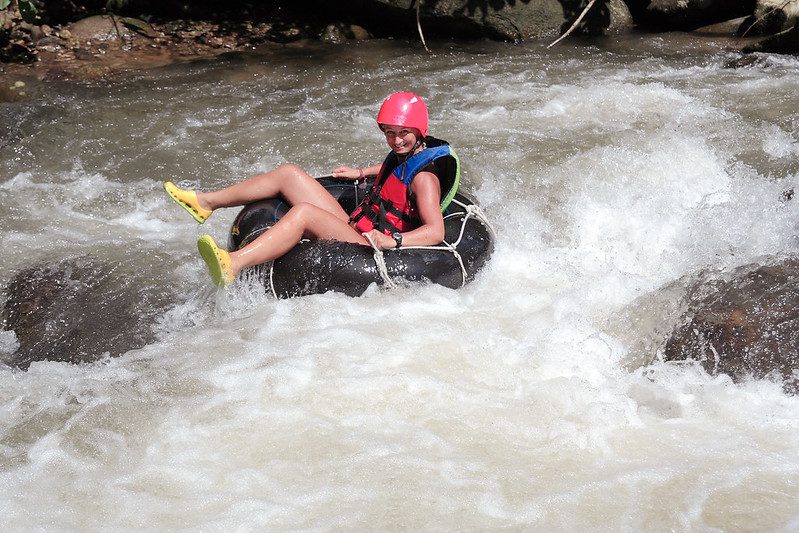
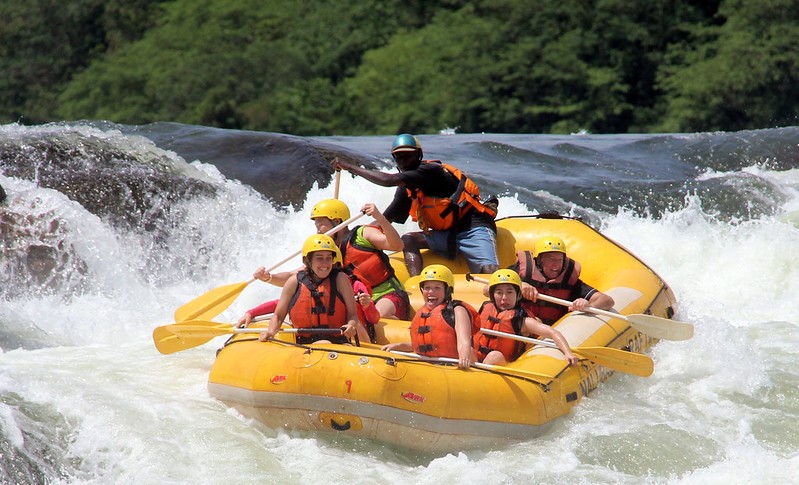
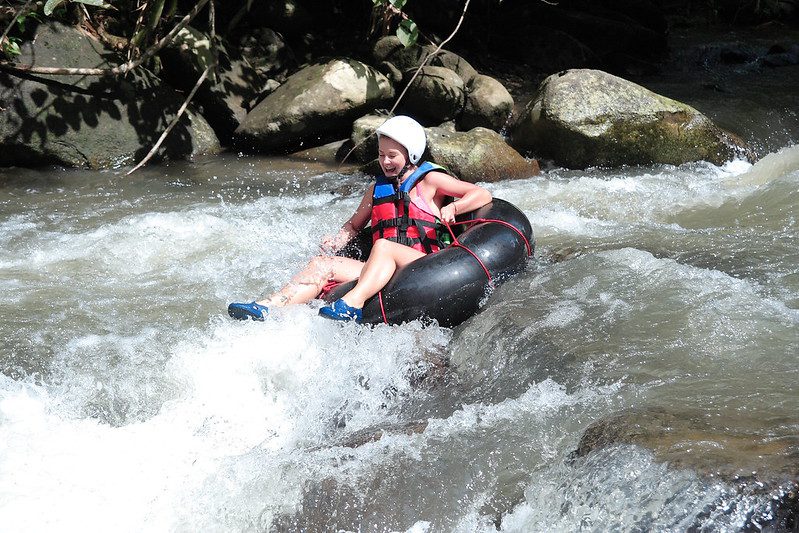
Life Jacket: A properly fitting and approved life jacket is essential for safety during tubing. Most tour operators provide life jackets, but ensure they fit comfortably and are in good condition.
Helmet (if required): Depending on the tubing route’s difficulty level, a helmet may be necessary for added safety, especially during rapids or challenging sections.
Waterproof Bags and Dry Bags
Waterproof Bags: Carry waterproof bags or dry bags to protect essential items such as cameras, phones, wallets, and documents from water splashes or immersion.
Ziplock Bags: Pack smaller items or valuables in ziplock bags for added protection against water.
Sunscreen and Insect Repellent
Sunscreen: Use a high SPF waterproof sunscreen to protect exposed skin from sunburn, reapplying as needed during the tubing safari.
Insect Repellent: Bring insect repellent to ward off mosquitoes and other biting insects, particularly in the evening or near water sources.
First Aid Kit
Basic First Aid Supplies: Pack a small first aid kit containing bandages, antiseptic wipes, pain relievers, blister pads, and any personal medications you may need.
Waterproof Container: Keep your first aid supplies in a waterproof container or bag to protect them from moisture.
Hydration and Snacks
Water Bottle: Carry a reusable water bottle to stay hydrated during the tubing safari. Some operators provide water, but having your bottle ensures access to water throughout the excursion.
Snacks: Pack lightweight, non-perishable snacks such as energy bars, nuts, fruits, or trail mix to keep you fueled during breaks or after the tubing adventure.
Camera or GoPro
Waterproof Camera: Bring a waterproof camera or GoPro to capture the scenic beauty, wildlife sightings, and thrilling moments of your tubing safari. Ensure it is securely attached or stored in a waterproof case.
Towel and Change of Clothes
Towel: Pack a compact and quick-drying travel towel for drying off after the tubing experience.
Change of Clothes: Have a spare set of dry clothes to change into after the tubing safari, especially if you plan to continue exploring or dining afterward.
Respectful Attitude and Environmental Awareness
Respect for Nature: Maintain a respectful attitude towards wildlife, fellow participants, and the environment during your tubing safari. Avoid littering, follow designated routes, and adhere to safety guidelines provided by your tour guide.
By packing these essential gear and supplies for your tubing safari in Uganda, you’ll be well-prepared to enjoy a safe, comfortable, and memorable adventure along the country’s stunning waterways, creating lasting memories amidst nature’s beauty.
What Not to Bring on a Tubing Safari
Beyond knowing what to pack, avoiding bulky non-waterproof electronics, loose jewelry that can easily be lost in the water, and excessive cash or valuables you can’t secure in a dry bag keeps your day genuinely worry-free rather than spent guarding belongings.
How Physically Demanding Is Tubing, Really
Tubing safaris in Uganda generally involve minimal physical exertion beyond paddling occasionally to steer, making the activity genuinely accessible to a wide range of fitness levels and ages, though calmer stretches suit beginners and nervous swimmers better than sections with stronger current.
Packing Differently for Jinja’s Calmer Versus Livelier Stretches
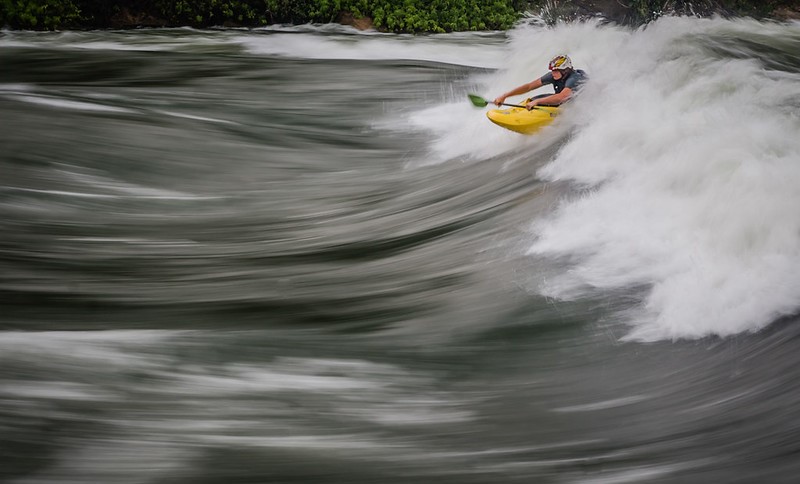
Since Jinja’s tubing routes range from gentle, family-friendly floats to sections with genuine current and small rapids, confirming which stretch your specific tour covers beforehand helps you pack and prepare appropriately, a helmet and secured dry bag matter considerably more on livelier routes. All in Africa Safaris can confirm exactly which route your tubing safari covers before you pack.
Choosing a Reputable Tubing Operator
Beyond personal packing, confirming that your chosen operator provides well-maintained life jackets, briefs participants thoroughly on safety procedures, and maintains an appropriate guide-to-participant ratio matters just as much as anything you bring yourself. All in Africa Safaris works exclusively with tubing operators who meet these safety standards.
What a Typical Tubing Day Looks Like
A standard tubing safari begins with a safety briefing and gear fitting, followed by a two-to-three-hour float during which guides point out riverside wildlife and explain local ecology, before concluding back at the launch point with time to change into dry clothes. Understanding this structure in advance helps you time your packing and preparation accordingly.
Combining Tubing With Other Jinja Activities
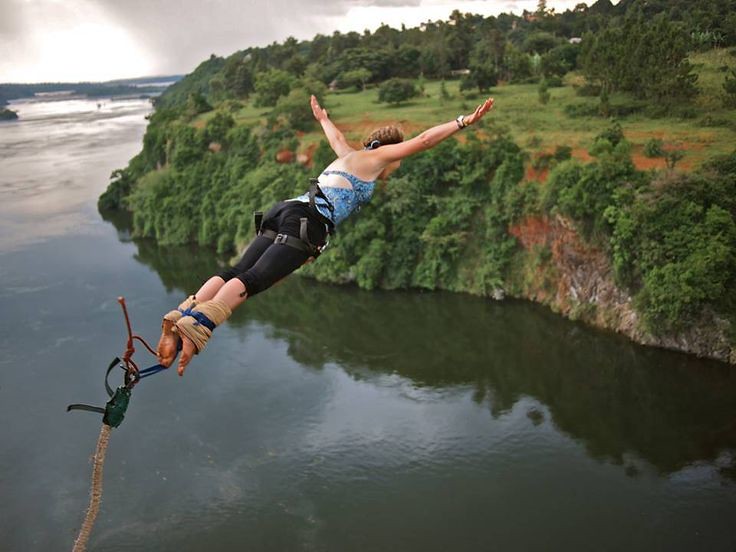
Since Jinja serves as Uganda’s adventure tourism hub, many travelers pair their tubing safari with white water rafting, bungee jumping, or a source-of-the-Nile boat tour, meaning a slightly broader packing list covering multiple activities is worth considering if your itinerary includes more than tubing alone.
Weather Considerations for Packing
Jinja’s warm, humid climate means lightweight, quick-drying fabrics consistently outperform heavier cotton clothing, both during the tubing activity itself and for staying comfortable afterward while your gear dries out.
Protecting Electronics on the Water
Beyond simply using a dry bag, securing your phone or camera with a floating strap adds a second layer of protection against total loss should it slip from your grip, a small precaution worth taking given how easily gear can disappear beneath moving water.
What Operators Typically Provide Versus What You Should Bring
Most reputable Jinja tubing operators supply the tube itself, a fitted life jacket, and often a helmet on livelier routes, meaning your own packing list can focus specifically on personal comfort items, sun protection, dry storage, and a change of clothes, rather than safety equipment already covered by the tour.
Sunscreen Choices That Protect the River Too
Choosing a reef-safe or biodegradable sunscreen for a tubing safari helps minimize the environmental impact of sunscreen runoff on the river’s ecosystem, a small but meaningful choice given how many hours you’ll spend directly in the water.
Packing for Families With Children
Families tubing with children should pack properly sized child life jackets rather than relying on adult sizing, along with extra snacks and a change of clothes specifically for younger participants, who tend to tire and chill more quickly than adults during a multi-hour float. All in Africa Safaris can confirm which tubing routes and operators are best suited to family groups with children.
Timing Your Tubing Safari Around Weather
While tubing runs comfortably throughout the year, checking recent rainfall before your trip is worth doing, since heavier rain upstream can increase current speed and river level, changing what would otherwise be a gentle float into a livelier one.
A Waterproof Phone Case Versus a Dedicated Waterproof Camera
While a good waterproof phone case handles most casual photo and video needs during a tubing safari, travelers seriously interested in documenting the experience often find a dedicated waterproof action camera delivers noticeably better image stabilization and battery life across a multi-hour float.
Drying and Storing Wet Gear After Your Tubing Safari
Packing a separate, dedicated wet bag for your soaked swimwear and towel keeps the rest of your luggage dry as you continue on to your next destination, a simple organizational habit that pays off considerably on a longer multi-stop Uganda itinerary.
Why Layering Still Matters on a Warm-Weather Activity
Even in Jinja’s generally warm climate, spending hours wet in the water followed by open-air drying time can leave you genuinely chilled, making a light, quick-drying layer worth having on hand for after the tubing activity concludes rather than assuming warm weather alone is enough.
Building a Multi-Activity Packing List for Jinja
Travelers combining tubing with white water rafting or bungee jumping during the same Jinja stay benefit from a single, slightly more comprehensive packing list covering all three activities, quick-drying clothing, sturdy water shoes, and secure storage for valuables, rather than repacking separately for each excursion. All in Africa Safaris can outline exactly what a combined multi-activity Jinja itinerary requires.
A Checklist Worth Reviewing the Night Before
Running through your packed bag the evening before an early tubing departure, rather than scrambling in the morning, catches any forgotten item while there’s still time to address it, a small habit that noticeably reduces day-of stress.
Local Currency for Small Purchases Along the Way
Keeping a small amount of local currency in a secured waterproof pouch covers incidental purchases, snacks or a drink at a riverside stop, without needing to dig through a larger bag full of other gear.
Packing With Confidence for Your Tubing Adventure
A well-packed bag, appropriate swimwear, secured valuables, sun protection, and basic first aid, turns a tubing safari from a source of minor worry into a genuinely relaxed, memorable day on the Nile. All in Africa Safaris can send a detailed, tour-specific packing checklist ahead of your Jinja tubing safari so nothing important gets left behind.


No comment