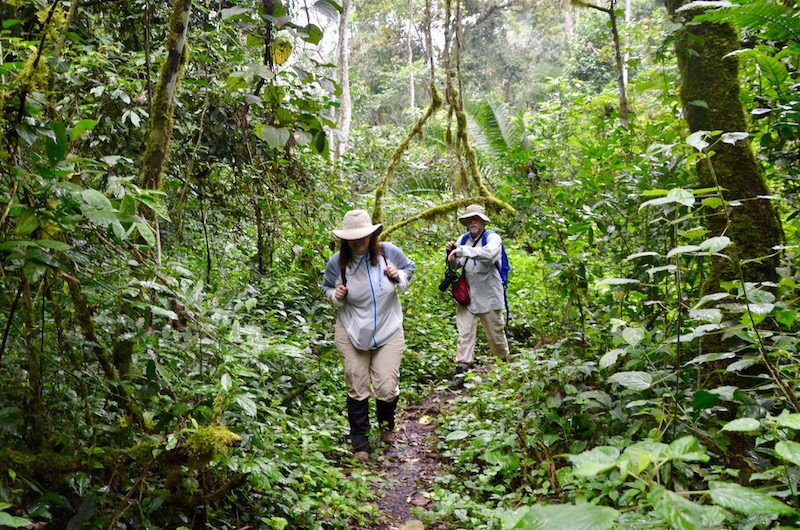
The optimum time to go chimp trekking in Kibale Forest National Park, Uganda, is determined by weather and personal preferences. Chimpanzee trekking is possible all year in Kibale, however particular seasons of the year may provide a better experience. Here are some things to think about.
Dry Season (June to September and December to February)
This is generally considered the best time for chimpanzee trekking in Kibale. The weather is drier, making the trails more accessible and the forest less muddy. Chimpanzees are also more active and easier to locate during these months.
Wet Season (March to May and October to November)
Chimpanzee trekking is still possible during the wet season, but it can be more challenging due to muddy trails and occasional heavy rainfall. However, the forest is lush and green, and there are fewer tourists, so you may have a more intimate experience with the chimpanzees.
Chimpanzee Habituation Experience (CHE)
If you’re interested in spending more time with chimpanzees and observing their behaviors, consider participating in the Chimpanzee Habituation Experience, which is available year-round. This allows you to spend several hours with a group of chimps as they are habituated to human presence.
Avoid Peak Tourist Seasons
If you prefer fewer crowds and a more peaceful trekking experience, consider avoiding the peak tourist seasons in Uganda (July to September and December). Opt for the shoulder or off-peak months when there are fewer visitors.
Weather Tolerance
Keep in mind that weather conditions can vary, even during the dry season. Be prepared for some rain, especially in the wetter months, and ensure you have appropriate rain gear.
Check the availability of chimpanzee trekking permits, as they can be limited, especially during the high season. It’s advisable to book your permits well in advance to secure your spot.
Chimpanzee Behavior
Chimpanzee behavior can vary throughout the year, so consider your specific interests. If you want to observe specific behaviors, such as feeding or grooming, research the best time for those activities.
Finally, the optimum time to go chimp trekking in Kibale Forest National Park is determined by your preferences for weather, crowd levels, and the sort of experience you seek. Both the dry and rainy seasons provide distinct chances, so pick the one that best fits your needs and interests.
Month-by-Month Considerations
June through September consistently delivers Kibale’s firmest trails and highest visitor numbers, aligning with school holidays and the broader East Africa peak season, so book both permits and accommodation well ahead if these months work best for your schedule. December through February offers a second dry window, generally quieter than the mid-year peak, with similarly reliable trail conditions. March through May, Uganda’s long rains, brings the muddiest trekking but also the lushest forest and the thinnest crowds, a genuine trade-off worth considering if solitude matters more to you than dry boots.
How Weather Affects Chimp Behavior and Sightings
Chimps don’t disappear during the wet season, but their movement patterns shift somewhat with fruiting cycles, which respond to rainfall, meaning trackers sometimes cover different ground in different seasons to locate the day’s active troop. Early morning remains the most productive time regardless of season, since chimps are typically most vocal and active in the hours after dawn, before the heat of the day settles the forest into a quieter rhythm.
Combining Kibale With Seasonal Activities Elsewhere in Uganda
If your Kibale visit is part of a wider Uganda itinerary, timing often gets decided by your other destinations rather than Kibale alone, gorilla trekking in Bwindi and game viewing in Queen Elizabeth National Park follow broadly the same dry-season logic, making a single well-timed trip across all three genuinely practical. Travelers building a itinerary purely around Kibale, without other time-sensitive stops, have more flexibility to choose the quieter shoulder months for a more relaxed, less crowded trek.
Booking Windows for Permits
Permit availability tightens noticeably during the dry-season peak months, sometimes selling out weeks in advance for the most popular time slots, while shoulder and wet-season months typically offer more flexibility for last-minute bookings. All in Africa Safaris can advise on current permit availability and help you choose a trekking window that balances weather, crowds, and the rest of your Uganda itinerary.
What a Trek Feels Like in Each Season
Dry-season treks tend to move faster and cover more ground comfortably, firm trails let trackers and trekkers alike move quickly once a chimp group’s location is confirmed by call or sighting. Wet-season treks slow the pace considerably, muddy sections require careful footing, but the payoff is a forest that feels genuinely alive: dripping foliage, amplified birdsong, and a rich, earthy atmosphere that many photographers and nature writers actually prefer over the drier, dustier conditions of peak season.
Temperature and Comfort Considerations
Kibale sits at a moderate elevation that keeps temperatures comfortable year-round compared to Uganda’s hotter savanna parks, mornings can still feel cool enough to want a light jacket before the day warms up, regardless of season. Humidity remains fairly constant given the forest environment, so breathable, quick-drying clothing matters more here than heavy layering, even during the cooler dry-season months.
The Chimpanzee Habituation Experience in More Detail
Unlike the standard one-hour trek, the Habituation Experience places you with researchers working directly with a chimp community still becoming accustomed to human presence, sessions can run up to four hours and typically start earlier in the morning, following the chimps from their overnight nests through the start of the day’s activity. This option runs on a much smaller daily quota than standard trekking permits, so travelers specifically interested in this deeper experience should book especially early, regardless of which season they’re visiting in.
Pairing Kibale’s Timing With Bigodi Wetland Sanctuary
The community-run Bigodi Wetland Sanctuary just outside Kibale’s main gate offers a shorter walking option well suited to any season, since its boardwalk trails handle wet weather considerably better than the main forest’s dirt paths. Many travelers use a Bigodi visit as a lower-effort activity on a wetter-season trip, or as a worthwhile afternoon add-on regardless of when they’re visiting, given its strong birdlife and additional primate sightings beyond Kibale’s chimps.
Photography Considerations Through the Seasons
Dry-season light filtering through Kibale’s canopy produces a dappled, high-contrast effect that can challenge camera exposure settings, while the wet season’s softer, more diffused overcast light is often genuinely easier to shoot in despite the mud underfoot. Chimps moving through dense understory regardless of season call for a fast lens and a willingness to shoot at higher ISO, tripods are impractical on a moving trek, so image stabilization and steady handheld technique matter more than equipment weight here.
What to Pack for Kibale Trekking
Sturdy, closed-toe hiking boots with good ankle support matter regardless of season, given Kibale’s uneven forest floor, and waterproof boots specifically pay off during the wetter months when trails turn genuinely muddy. Long trousers and long sleeves in breathable, quick-drying fabric protect against both undergrowth scratches and biting insects, and gardening-style gloves are worth packing for gripping vegetation on steeper sections. A daypack with rain cover, even during the ostensibly dry season, since Kibale’s forest microclimate can produce unexpected showers, rounds out a sensible packing list.
Physical Fitness and Trek Difficulty
Standard chimp treks in Kibale are moderately demanding rather than extreme, typically covering a few kilometers over one to three hours depending on how quickly a chimp group is located, but the terrain’s unpredictability, roots, mud, sudden inclines, means a reasonable baseline fitness level makes the experience considerably more enjoyable. The Habituation Experience’s longer duration asks more of participants than the standard trek, worth factoring in honestly when deciding which option suits your fitness level and available time.
Children and Kibale Chimp Trekking
Kibale’s chimp trekking permits carry a minimum age requirement, typically 12 years old, younger than gorilla trekking’s 15-year minimum but still a meaningful consideration for families traveling with younger children. Families with children below the minimum age often combine a Kibale stay with the more accessible Bigodi Wetland Sanctuary walk, which carries no formal age restriction and offers a gentler, boardwalk-based introduction to the region’s wildlife and birdlife for younger travelers.
Accommodation Options Near Kibale
Lodges and camps clustered around Kibale’s main entrance range from simple budget guesthouses to more established mid-range and upmarket properties, most positioned to allow an early start on trek mornings without a long pre-dawn drive. Many of the same properties also arrange transport and guided access to Bigodi Wetland Sanctuary and nearby community activities, useful for travelers wanting to fill an afternoon after a morning trek without arranging separate logistics themselves.
What Happens If You Don’t Find Chimps
Kibale’s chimp-sighting success rate is genuinely high year-round, well above 90 percent by most operator estimates, since trackers maintain daily contact with several habituated communities and radio ahead once a group is located. On the rare occasion a trek doesn’t yield a sighting, most parks offer a follow-up trek at reduced cost or no additional charge, worth confirming with your operator at the time of booking regardless of which season you’re visiting in.
Rules and Etiquette During a Trek
Standard guidelines apply regardless of season: maintain roughly seven meters of distance from the chimps, keep voices low, and avoid trekking if you’re feeling unwell, since chimpanzees share close genetic similarity with humans and can contract human illnesses. Groups are kept deliberately small, generally a maximum of six visitors per habituated community per session, preserving both the quality of the sighting and the chimps’ ongoing habituation to limited, low-impact human contact.