
Rwanda’s Tea Estates: Visiting Gisovu, Pfunda and Beyond
Rwanda’s volcanic soil and cool highland climate produce some of East Africa’s finest tea, grown across estates most gorilla-trekking itineraries drive straight past without a second glance. Rwanda’s tea estates, particularly Gisovu and Pfunda, offer genuinely worthwhile guided tours through the full production process, from raw leaf to packaged product, set against some of the country’s most photogenic rolling green landscape.
Key Highlights
- Gisovu Tea Estate, in Karongi (Kibuye) district, is 100 percent privately family-owned, with its factory established in 1977
- Gisovu was named Best Tea in Africa at the 2012 African Tea Convention and holds Rainforest Alliance certification under pesticide-free farming standards
- Pfunda Tea Company, near Rubavu, was established in 1965, making it Rwanda’s oldest operating tea estate
- Pfunda produces roughly 2,500 metric tonnes of tea annually, with peak daily production around 90 tonnes during the rainy season
- Guided tours typically run 2 to 4 hours, covering the full production process from raw leaf arrival through withering, cutting, drying, sorting and packaging
- Both estates combine genuine agricultural and industrial insight with striking, photogenic tea-terraced landscape
Gisovu: A Family-Owned Estate With International Recognition
Gisovu Tea Estate in Karongi district, near Lake Kivu’s Kibuye area, stands out as a fully privately family-owned operation, tea growing here traces back to the colonial era, though the current factory was established in 1977. The estate produces green, black and orthodox tea, and its quality earned formal international recognition when it was named Best Tea in Africa at the 2012 African Tea Convention, a genuine competitive distinction rather than a self-awarded marketing claim.
Certified, Pesticide-Free Production
Gisovu holds Rainforest Alliance certification and follows pesticide-free farming standards, producing roughly 2,300 tonnes of tea annually under practices that prioritise environmental sustainability alongside product quality. For travellers with any interest in sustainable agriculture, this certification adds a genuine layer of substance to what might otherwise be purely a scenic estate visit.
Pfunda: Rwanda’s Oldest Tea Estate
Pfunda Tea Company, roughly 9 kilometres from Rubavu town along the Kigali-Musanze-Rubavu highway, holds the distinction of being Rwanda’s oldest tea estate, established in 1965 and still producing some of the country’s finest green, black and specialty teas from the region’s temperate climate and fertile volcanic soil. Annual production runs around 2,500 metric tonnes, with daily output reaching roughly 90 tonnes during peak rainy-season harvest periods, a genuinely substantial industrial operation behind the scenic tea terraces visitors actually see.
What a Tea Tour Actually Involves
Guided tours at either estate run roughly 2 to 4 hours, walking visitors through the complete production journey: freshly picked green leaves arriving at the factory, the withering process that reduces moisture content, cutting and rolling to break down leaf structure, controlled drying to halt oxidation at the right point, and final sorting and grading before packaging for shipment. Seeing this full sequence, rather than just the finished product on a shelf, gives genuine insight into how much precision and timing goes into producing a consistent, high-quality tea.
The Landscape Itself Is Worth the Visit
Beyond the factory process, both estates offer genuinely striking rolling hillsides of neatly terraced tea bushes, a distinctive agricultural landscape that photographs beautifully and offers a completely different visual register from Rwanda’s volcanic peaks or lake scenery. Walking or driving through the tea fields themselves, ideally with a guide who can explain the growing and harvesting cycle, rounds out the factory tour with genuine field-level context.
The Growing Process Behind the Factory Tour
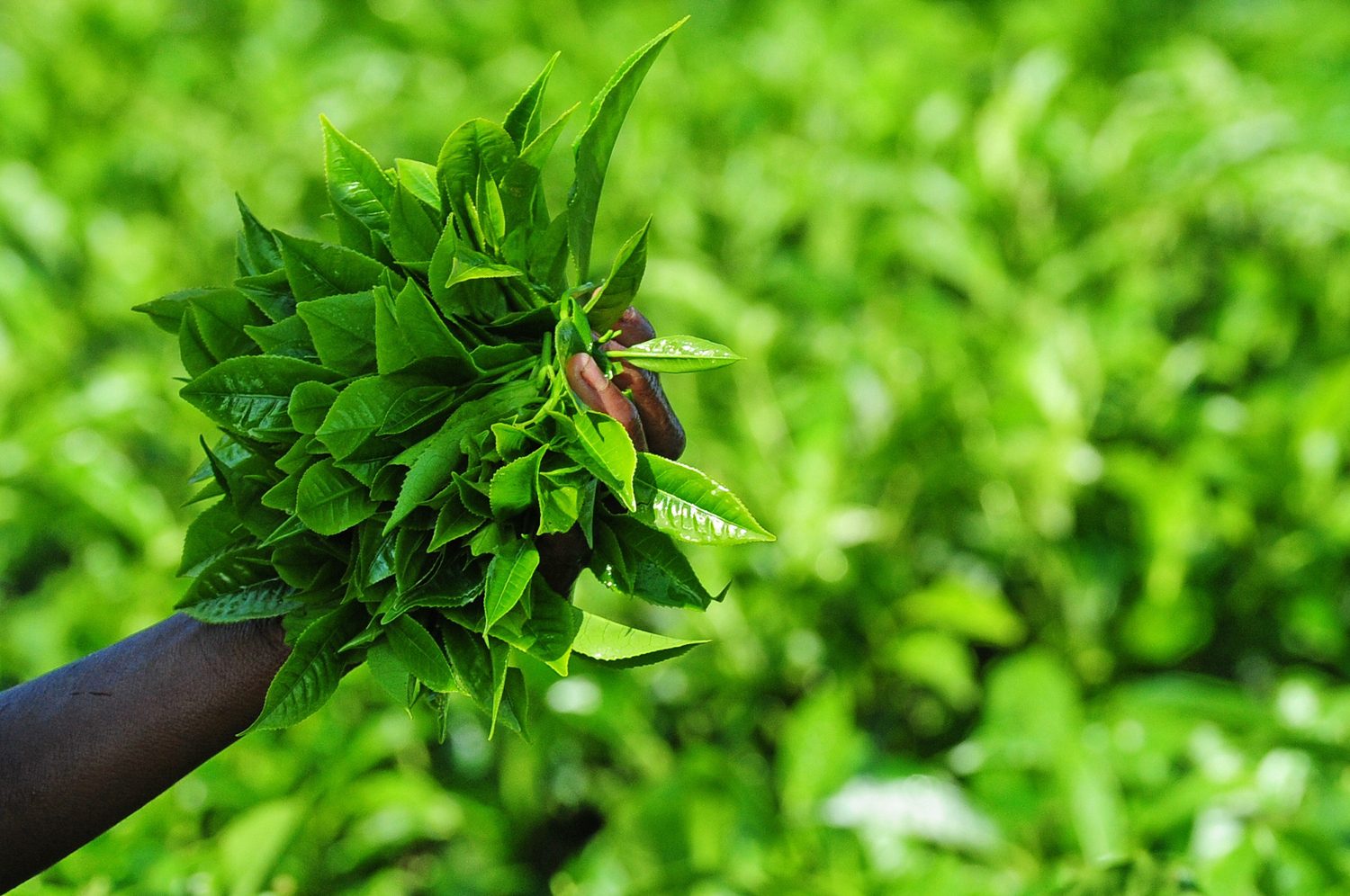
Before any leaf reaches the factory floor, tea bushes on both estates undergo careful, largely hand-managed cultivation across the terraced hillsides, with skilled pickers selectively harvesting only the youngest, most tender leaves and buds that produce the highest quality final product. This selective hand-picking, repeated across the growing season, represents genuinely labour-intensive agricultural work that most visitors never see directly during a standard factory-focused tour, making a request to walk the growing fields alongside pickers a worthwhile addition for travellers wanting the fullest possible picture.
Why Altitude and Rainfall Matter So Much
Both estates benefit from the specific combination of high elevation, consistent rainfall and volcanic soil fertility that characterises Rwanda’s western highlands, conditions that directly shape the flavour profile and quality the country’s tea has become known for internationally. Guides at both estates can explain how these specific growing conditions compare to other major tea-producing regions worldwide, adding genuine horticultural context to what might otherwise read as simply pleasant scenery.
Tea Tasting: The Tour’s Most Anticipated Stop
Most tea estate tours conclude with a tasting session, sampling different grades and varieties, green, black and sometimes speciality blends, straight from the estate’s own production, often paired with brief guidance on how to properly assess a tea’s colour, aroma and flavour the way professional tasters do. For many visitors, this tasting stop is genuinely the highlight of the whole tour, a direct, sensory payoff after watching the full production process unfold across the preceding hours.
Learning to Taste Like a Professional
Guides at both estates can walk interested visitors through the basics of professional tea tasting, known in the industry as “cupping,” covering how colour, clarity, aroma and mouthfeel all factor into grading a batch’s quality. It’s a genuinely engaging, hands-on complement to the more observational factory tour, giving visitors an active role rather than simply watching machinery process leaves.
Rwanda’s Tea Industry in Context
Tea ranks among Rwanda’s most significant agricultural exports, a sector the country has deliberately cultivated for both economic development and, at estates like Gisovu, genuine environmental sustainability credentials that appeal to increasingly quality- and ethics-conscious international tea buyers. Visiting these estates offers a window into a genuinely important piece of Rwanda’s economy beyond the tourism and gorilla-trekking narrative that dominates most visitors’ understanding of the country.
A Landscape Shaped by Colonial-Era Agriculture, Now Rwandan-Led
Tea cultivation in Rwanda traces back to the colonial era, when the crop was first introduced to the country’s highland regions, but the industry today, including estates like Gisovu’s fully family-owned operation, reflects a transition toward genuinely Rwandan-led agricultural enterprise rather than a colonial-era legacy structure persisting unchanged. Understanding that history adds real depth to what might otherwise read as a purely scenic, apolitical estate visit, connecting the crop growing on the hillside in front of you to a much longer arc of agricultural and economic history across this part of Rwanda.
Employment and Community Impact
Both estates function as significant local employers, drawing workers from surrounding communities for both field cultivation and factory processing roles, making them genuinely important pieces of the regional economy well beyond their role as a tourist attraction. Tour proceeds and general estate revenue support this employment base directly, giving a tea estate visit a tangible economic dimension similar to the community-rooted model seen at sites like the Nyamirambo Women’s Center, even if tea production itself is a considerably larger, more industrial operation.
Which Estate Should You Visit?
Gisovu suits travellers already routing through the Karongi/Kibuye area along Lake Kivu, offering the added draw of its international recognition and sustainability certification. Pfunda fits more naturally into a Musanze-based itinerary given its location near Rubavu, making it the more convenient choice for travellers whose trip centres on gorilla trekking in Volcanoes National Park. Neither estate significantly outshines the other in tour quality, so proximity to the rest of your itinerary is the more practical deciding factor.
Planning Your Visit
Booking Ahead
Tea estate tours are generally best arranged in advance through the estate directly or a tour operator, ensuring a guide is available and that your visit doesn’t coincide with a period when the factory floor is closed to visitors for operational reasons.
What to Bring
Comfortable walking shoes for both the factory floor and any field walking, and a camera, since the terraced hillsides offer some of the most distinctly photogenic agricultural scenery anywhere in Rwanda.
Frequently Asked Questions
Can I buy tea directly at the estates?
Yes, both estates typically sell their tea directly on-site, often at better prices and with fresher stock than what’s available through general retail elsewhere.
Can I visit both Gisovu and Pfunda on the same trip?
Yes, though given the driving distance between them, most itineraries reasonably choose one based on proximity to the rest of the trip rather than attempting both on a single visit, unless your overall Rwanda itinerary already covers both the Kivu and Musanze regions.
Is a tea estate tour suitable for children?
Generally yes, the tours are low-intensity and educational, though supervising children around factory machinery during the processing sections is worth keeping in mind.
How does a tea estate visit fit into a gorilla trekking itinerary?
Both estates sit within reasonable range of the main gorilla trekking circuit around Musanze and the Lake Kivu shore, making a tea tour a practical half-day add-on rather than requiring significant extra travel, and a genuinely relaxed, low-key day between more physically demanding activities elsewhere on the itinerary.
Is the tour physically demanding?
No, it’s a relatively easy walking tour across flat or gently sloping ground, accessible to most fitness levels without strenuous terrain.
What’s the best time of year to visit a tea estate?
Estates operate and welcome visitors year-round, though visiting during peak harvest season, typically the rainy months, offers the most active, visibly busy production process to observe compared to quieter periods.
Recommended Safaris
Rwanda’s tea estates pair naturally with a Musanze or Lake Kivu-based itinerary. Ready to build a Gisovu or Pfunda tea tour into your own Rwanda trip, alongside gorilla trekking or Lake Kivu time? Reach our team through our Book Now page and we’ll plan it around your dates.





No comment