
Visiting Dian Fossey’s Grave on Mount Bisoke’s Slopes
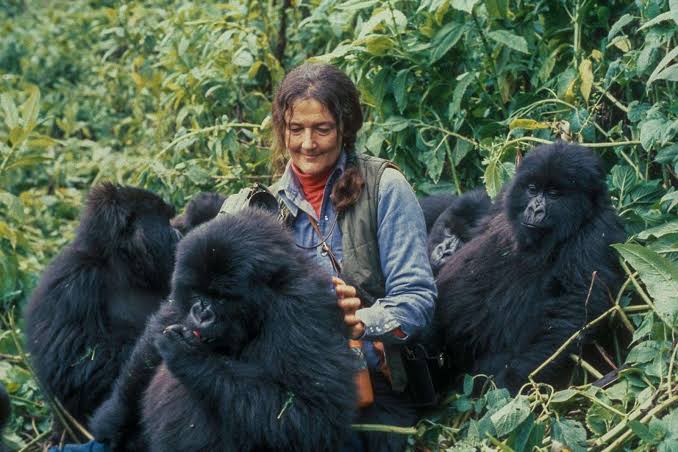
On the slopes of Mount Bisoke, in a clearing she chose herself decades before her death, lies Dian Fossey’s grave, buried beside Digit, the gorilla whose death at poachers’ hands she never fully recovered from, and surrounded by more than nineteen other gorillas she spent her life protecting. The hike to reach it is one of Volcanoes National Park’s most quietly powerful activities, a genuine pilgrimage rather than a standard sightseeing stop.
Key Highlights
- Located at the former Karisoke Research Center site on Mount Bisoke’s slopes, within Volcanoes National Park
- Dian Fossey was murdered in her cabin at Karisoke in 1985, after 18 years studying mountain gorillas at the site
- She is buried in the gorilla graveyard she herself established, next to her favourite gorilla, Digit, and more than nineteen others
- The round-trip hike covers roughly 6 kilometres, typically taking 3 to 4 hours depending on fitness and trail conditions
- A separate permit is required, priced around 75 US dollars for foreign non-residents
- The Karisoke Research Center itself relocated in 2022 to a new dedicated campus, though the historical gravesite remains on the mountain
Who Dian Fossey Was, and Why This Site Matters
Dian Fossey spent eighteen years living and working at Karisoke, establishing the research station in 1967 and building the foundational scientific understanding of mountain gorilla behaviour that gorilla tourism and conservation still rely on today. Her research wasn’t detached academic observation; she became genuinely, deeply attached to individual gorillas she studied, and her fierce, sometimes controversial opposition to poaching made her a target long before her death.
Digit and the Gorilla Graveyard
Digit, one of the gorillas Fossey studied most closely, was killed by poachers in 1977, a loss that affected her profoundly and hardened her resolve against the poaching networks operating in the region. She established a small cemetery at Karisoke specifically to bury gorillas killed by poachers or other causes, a place of genuine mourning rather than a formal scientific archive, and it’s this same graveyard where she herself was buried after her murder in her cabin in 1985, her body found alongside evidence suggesting the killing was connected to her anti-poaching work.
What the Hike Actually Involves
Visitors report to Volcanoes National Park headquarters at Kinigi in the early morning, typically around 7am, before a roughly 30-minute drive to the trailhead at Mount Bisoke’s base. From there, the hike covers approximately 6 kilometres round trip, climbing to an altitude of roughly 2,900 to 3,000 metres, with the Dian Fossey trail branching off from the main Bisoke hiking route partway up the mountain.
Difficulty and Conditions
The hike sits at a moderate difficulty level, manageable for most visitors with basic fitness, though the trail’s muddy, often steep sections through dense vegetation become genuinely more demanding during Rwanda’s rainy seasons. Total time, including the walk to the grave and back, typically runs 3 to 4 hours, making it a substantial but achievable half-day activity for most reasonably fit travellers.
What You’ll Actually See
The gravesite itself carries deliberate, meaningful contrast: Fossey’s own grave bears a proper stone marker, while the gorillas buried around her, including Digit, are marked only with simple wooden signs, a visual hierarchy that somehow still communicates the genuine equality of care she held for all of them in life. Standing at the site, with Karisoke’s former research station grounds nearby, offers a tangible, physical connection to the earliest chapter of mountain gorilla conservation history.
Gorillas in the Mist and Fossey’s Wider Legacy
Fossey’s own 1983 book, Gorillas in the Mist, brought international public attention to mountain gorillas and their conservation crisis in a way scientific papers alone never could, later adapted into a 1988 film that introduced her story and Karisoke’s work to a global audience far beyond the conservation and primatology community. That combination, rigorous field research paired with genuinely compelling public storytelling, is part of why her legacy extends so far beyond academic circles into broader popular awareness of gorilla conservation.
An Unresolved Murder
Fossey’s 1985 murder has never been definitively solved, though investigations and subsequent analysis have generally connected it to her uncompromising, often confrontational stance against poaching networks operating around Karisoke at the time. This unresolved element adds a genuinely sombre, unfinished quality to the site that visitors should be prepared for, a memorial to someone whose death, much like her life’s work, remains tied to the same anti-poaching struggle that continues in various forms across the region today, decades after her murder went formally unresolved.
The Broader Fight Against Poaching, Then and Now
The anti-poaching struggle Fossey dedicated herself to, and ultimately died in connection with, has evolved substantially since 1985, moving from her often unilateral, confrontational approach toward today’s coordinated system of trained ranger patrols, community engagement programmes and cross-border cooperation between Rwanda, Uganda and DR Congo. Standing at her grave with this evolution in mind offers a genuinely useful lens on how far anti-poaching efforts have institutionally matured, while also recognising that the underlying threat she fought against has never fully disappeared from the region.
Rangers Who Carry Forward Her Original Mission
Many of the rangers and trackers working in Volcanoes National Park today operate within a professional, institutional structure that traces its conceptual roots directly back to the protective, anti-poaching ethos Fossey championed decades before formal ranger training programmes existed in their current form. Guides leading the grave hike often share their own perspective on this continuity, connecting Fossey’s individual, sometimes reckless dedication to the considerably more systematic protection framework gorillas benefit from today.
The Karisoke Research Center’s Modern Chapter
In 2022, the Karisoke Research Center’s active operations relocated to a new, dedicated campus, the Ellen DeGeneres Campus of the Dian Fossey Gorilla Fund, meaning ongoing gorilla research and conservation work now happens at this newer, purpose-built facility rather than the original mountain site. The historical gravesite and former camp location on Bisoke’s slopes remain accessible to hikers, preserved as a memorial and historical site even as the practical research mission has moved to more modern facilities.
Planning Your Visit
Permits and Cost
A dedicated permit is required to hike to Dian Fossey’s grave, separate from standard gorilla trekking permits, priced around 75 US dollars for foreign non-residents, with adjusted rates for foreign residents in East Africa. Booking this permit in advance through the park authority or a tour operator is standard practice rather than a walk-up activity.
What to Bring
Waterproof hiking boots suited to genuinely muddy conditions, a rain layer regardless of season, and reasonable fitness for a multi-hour climb at meaningful altitude are all worth taking seriously rather than treating this as a casual walk.
How This Hike Connects to a Wider Volcanoes National Park Visit
The Dian Fossey grave hike shares its starting point and permit system with several other Volcanoes National Park activities, including golden monkey trekking and the standard Mount Bisoke summit hike, meaning travellers building a multi-day Volcanoes-focused itinerary can reasonably combine this historical pilgrimage with other park activities across their stay without excessive additional logistics. It’s worth discussing sequencing with your operator, since combining this hike with gorilla trekking on the same day is generally discouraged given the physical demands of both.
A Contrast to the Gorilla Trekking Experience
Where gorilla trekking centres on a living, thriving population you’re actively there to see, this hike is inherently backward-looking, a memorial and historical pilgrimage rather than a wildlife encounter. Visiting both on the same trip gives a genuinely fuller picture of mountain gorilla conservation, from its difficult, dangerous origins under Fossey’s direct protection to the considerably more secure, institutionally supported population that exists today.
Frequently Asked Questions
Can I combine this hike with gorilla trekking on the same trip?
Yes, many visitors do exactly that, though typically on separate days given the physical demands of each activity and the different permits required for each.
Are there memorial plaques or information panels at the site itself?
Yes, guides and site signage provide historical context on Fossey, Digit and the wider gorilla graveyard, though much of the deepest interpretation genuinely comes from an accompanying guide’s own knowledge rather than written panels alone.
Is the hike appropriate for children?
Given the altitude, distance and potentially muddy, steep conditions, this hike suits older children and teenagers with genuine hiking stamina better than very young children.
Why is Dian Fossey’s story still relevant to gorilla trekking today?
Her research methods, including the habituation techniques she pioneered, directly underpin how gorilla families are prepared for tourist visits today, making her work the genuine scientific foundation beneath the entire modern trekking industry.
Is this hike emotionally difficult, given the subject matter?
Many visitors describe it as a genuinely moving, reflective experience rather than a purely physical activity, worth approaching with that emotional dimension in mind rather than treating it as just another hiking checklist item.
Should I read Gorillas in the Mist before visiting?
It’s not required, but many visitors find that reading Fossey’s own account beforehand adds genuine depth and emotional context to standing at the actual gravesite, turning an abstract historical figure into someone whose voice and perspective you’ve already encountered directly.
Recommended Safaris
The Dian Fossey grave hike pairs naturally with gorilla trekking in Volcanoes National Park. Ready to build this hike into your own Rwanda itinerary, alongside gorilla trekking or a Mount Bisoke summit attempt? Reach our team through our Book Now page and we’ll plan it around your dates.

No comment