
Rwanda in Bloom: Birding During the Wet Season
Rwanda changes when the rains come. Hills turn greener; forests look darker. Wetlands fill with new life. For people who love birds, this time of year is a special way to see the country. The land feels full of energy from the morning, with sounds moving through treetops, sunbirds flying among flowers, and waterbirds gathering near fresh wetlands. Rwanda in Bloom: Birding During the Wet Season is an opportunity to see a part of the country that many travelers miss.
The wet season is usually linked with paths and sudden rains, but those problems should not stop bird lovers. Rain brings food, plants, insects, and places to build nests, making conditions for birds. Many birds become noisier. Flowers that bloom bring nectar-feeding birds. Trees that have fruit give food to forest birds. The result is a bird-watching experience filled with movement, sounds and colors.
Rwanda is very good for birding because it is small. You can visit different places on one trip. You can start in the highlands near Volcanoes National Park, then go to the forests of Nyungwe, visit the wetlands and grasslands of Akagera, and end by the side of Lake Kivu. Each place has its birds, and the wet season makes each area look new.
Why the Wet Season Is Special for Birding
Rain affects how birds act and how their homes look. Plants grow fast insects are more common. Many plants have flowers and fruit. These changes offer food for kinds of birds. In forest areas this can make bird activity very exciting because different birds move through the trees looking for food.
For people who take pictures the wet season also gives natural views. Mist can rest over mountain forests in the morning and water drops can collect on leaves and flowers. When the clouds clear rays of sunlight can shine on birds sitting in the trees. Even regular birds can become special when they are surrounded by greenery.
The season also brings bird movement. Rwanda is in an area for both local and visiting birds and certain times of the year bring more birds to the country. Birds that travel may join the birds making more types available for careful observers.
Birding during the season also needs patience. A rain shower may stop the forest for a while. Things can start again quickly after the rain stops. Sometimes the best times are right after the rain, when birds come out to eat and sing. A flexible plan helps you use these times of activity.
Forests Full of Birdsong
Nyungwe Forest is one of Rwandas places for bird watching and becomes very special when it rains. The old forest has different areas from thick plants to open spaces and edges of the forest. Its place near the Albertine Rift makes it very important for birds that’re hard to find in other places.
Walking through Nyungwe during the season can feel like entering a different world. The ground is very green streams carry water and mist often stays between the trees. Bird sounds may come from around. Some birds stay hidden in leaves while others show up for a moment along the path.
Some birds that stand out are the Great Blue Turaco, the Red-throated Alethe, the Rwenzori Turaco, the White-tailed Ant Thrush and many sunbirds. The forest has other birds from the Albertine Rift making every walk a chance to see something new.
The canopy walkway adds another way to experience the forest. From above the ground you can look into parts of the trees that’re hard to see from the bottom. Birds moving between the trees may be easier to see during calm times, after rain.
Wetlands, Flowers and Open Landscapes
Rwandas forests are really well known. The countrys wetlands and savannas are a totally different story for birdwatching. Akagera National Park is really special because it has lakes, marshes, woodlands, grasslands and savannas all in one place.
When it rains the parks grasslands become super green and fresh. The water levels. The plants around the lakes and marshes start to grow more. This is great for waterbirds and birds of prey and insects eaters love it too because they have food to eat.
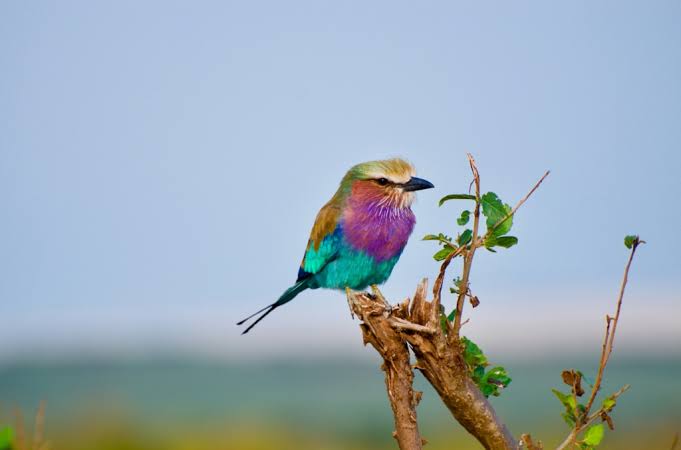
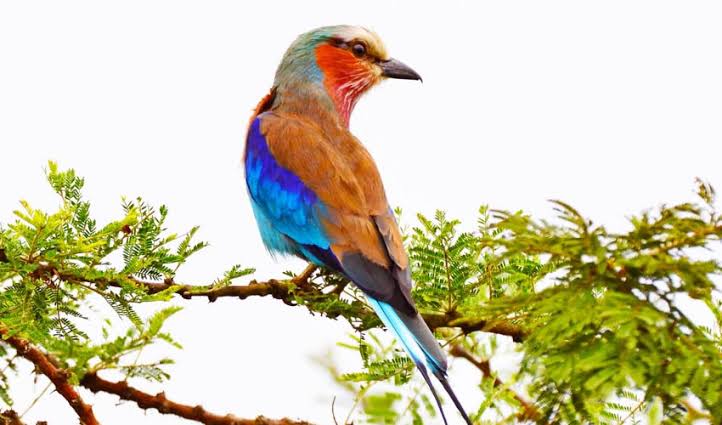
If you go for a drive in Akagera in the morning you will see a lot of birds. You might see African fish eagles sitting near the water and herons and egrets walking along the shore. You might also see swallows and other birds flying overhead and colorful rollers might appear at the edge of the woods.
The wet season is also a time to see Rwandas flowers. Sunbirds are much fun to watch because they are always moving and they have really bright feathers. When there are a lot of flowers many sunbirds will come to the place, which is great for watching and taking pictures.
Mountain Birding in the Virungas
The highlands of Volcanoes National Park are another place to go birdwatching. The mountains are famous for the gorillas. The forests and bamboo areas around them are also home to many different kinds of birds. The combination of altitude, forest, bamboo and open mountain areas means that you can see birds that like cooler weather.
In the morning during the season the Virungas can be really misty and cool. This makes it feel like you are really in the wilderness especially when you hear birds calling through the trees. You might see birds like the Rwenzori turaco, francolin and sunbirds in the right habitats.
To go birdwatching you need to listen as much as you look. The forests in the mountains are really dense. The birds are often high up so it can be hard to see them. A local guide who knows the area can help you figure out what the birds are saying and show you where to look.
This is why birdwatching in Rwanda during the season is so great for both beginners and experienced birders. You are not just going from one place to another to see birds on a list. You are learning about how birds react to the weather the altitude, the plants and the time of year.
Exploring Lake Kivu and Gishwati-Mukura
Lake Kivu is a relaxed place to go birdwatching. The shore gardens, farms and forests around the lake are home to different kinds of birds. Early in the morning by the lake can be really peaceful with birds starting to move before it gets too hot.
If you go to Gishwati-Mukura National Park you will see another kind of forest. This park is important for birds that live in the Albertine Rift. It is a quieter part of Rwanda. During the season the forest looks really fresh and green with lots of plants and birds moving around.
Spending time in these crowded places can make the experience feel more personal. You might spend a minutes watching one bird move from branch to branch or listening to a call before you can find the bird. These small moments can be the memorable part of your birdwatching trip.
Planning Your Wet-Season Birding Journey
It is really important to be prepared for birdwatching during the season. You should bring waterproof clothes because it can rain suddenly. You should also have bags or covers to protect your camera, binoculars, phone, notebook and other stuff. Good walking shoes with grip are also important because the trails in the forest can be slippery.
It is still an idea to get up early. Many birds are most active in the few hours of daylight when it is cooler and they are eating more. Getting up early also means you can have the forest trails and open areas to yourself before the weather changes.
Having a birding guide can make a big difference. Rwanda has birds that are easier to recognize by their calls than by how they look. Guides who know the area can recognize those calls. Know where to find the birds. They can save you a lot of time. Help you see birds you might have missed otherwise.
You should also be flexible when you are planning your trip. You might have a schedule. The weather can affect the roads and the trails. If you leave some time at each place you can wait for the weather to get better or go back to a place that was good, for birdwatching.
A Season of Renewal
The wet season brings more than a chance to see birds. It shows how closely animals are linked to the changing land. Rain fills streams brings life to plants helps insects grow makes flowers bloom and gives food for animals. Birds react to all these changes making the season a great time to watch nature change.
For people to deal with some rain, Rwanda in Bloom: Birding During the Wet Season can be one of the most special wildlife experiences in the country. You might hear a turaco before you see it watch a sunbird fly between flowers. Meet a waterbird standing near a new wetland. Each moment is part of a story about seasonal change.
The fun of birding during the season is that you never know what you will find. A forest path might show an Albertine Rift bird that is not seen often. A quiet lake might suddenly be full of bird sounds. A part of the savanna might have raptors flying over green grass. These moments are worth looking for and waiting for.
Rwanda has places all year but the rain makes them special.
Forests get more green wetlands get more lively and flowers add color to the hills. For people who love birds this is a chance to see the country when nature feels very active.
No matter if you spend days in Nyungwe look in the wetlands of Akagera walk through the mountain forests of the Virungas. Visit many places in one trip the wet season has a lot to offer. Rwanda in Bloom: Birding During the Wet Season shows the experience of watching a country change while the birds react to everything, around them.
The best way to enjoy this is simple: get up early travel with care keep your things dry listen well and give yourself time to look around. You don’t need weather to have a great birding day. Sometimes a quick rain, a foggy forest and the sudden sound of a bird are exactly what make the trip special.
