Uganda Birding Guide: The Shoebill Stork Edition
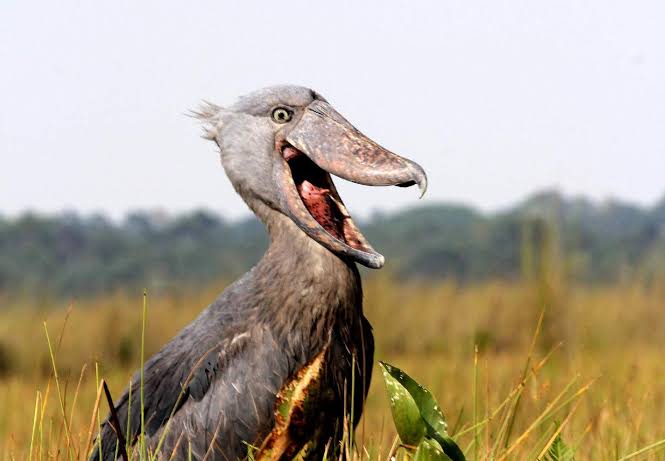
Uganda is a place to see birds. It has forests, wetlands, savannahs, mountains, and lakes. These places are home to more than 1,000 kinds of birds.. One bird is really special. The shoebill stork is very interesting. It looks like a bird from a time ago. People come from all over the world to see it. The Uganda Birding Guide: The Shoebill Stork Edition will help you understand why this bird is so popular.
The shoebill stork is not like other birds. It does not move around quickly. It stands still. Then catches its food very fast. This is very exciting to watch. Seeing the shoebill stork in its home is an experience. It is something you will remember for a time.
Why Uganda Is the Worlds Best Place to Find the Shoebill
Uganda has wetlands. These wetlands are perfect for the shoebill stork. The bird likes to live in places with moving water and many fish. People in Uganda are working to protect the shoebill stork. They are also helping tourists see the bird. This is why Uganda is one of the places to see the shoebill stork.
There is a place called Mabamba Swamp. It is very famous for the shoebill stork. You can take a canoe ride through the swamp. See the bird. The swamp is not far from Entebbe. So you can visit even if you do not have a lot of time. Local guides will help you find the shoebill stork.
Murchison Falls National Park is another place. You can take a boat ride on the Nile River. See the shoebill stork. You might also see elephants, giraffes and other animals. This park is great for people who want to see different animals.
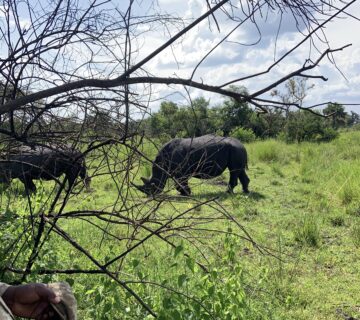
There are smaller wetlands where you can see the shoebill stork. These places are like Ziwa Rhino Sanctuary. You can also see the bird in some marshes in Uganda. You might not see the bird every time.. Uganda is one of the best places to see the shoebill stork.
Understanding the Shoebills Remarkable Character
A Living Survivor From Ancient Times
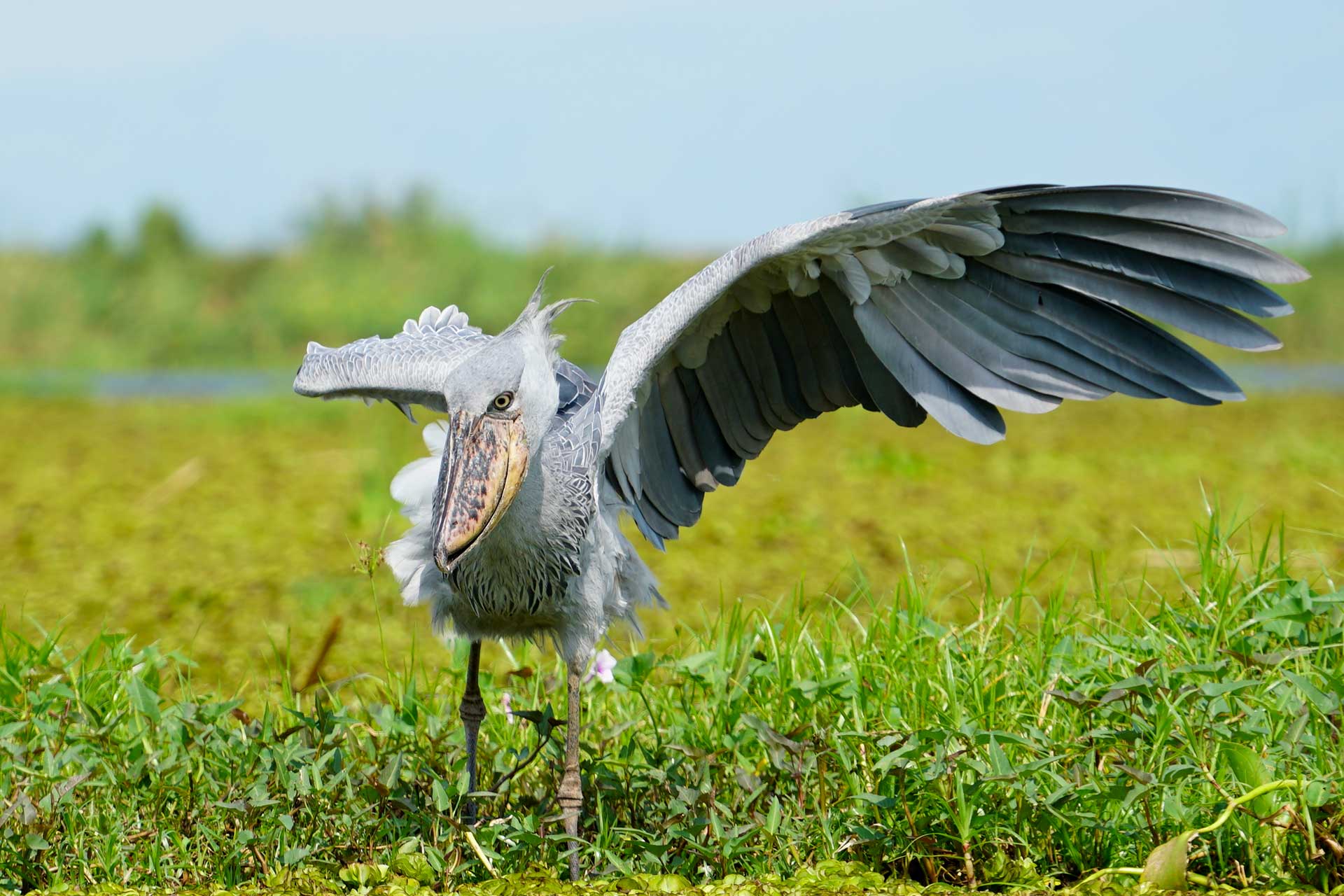
The shoebill stork is an interesting bird. It has a bill that looks like a shoe. Its eyes are very sharp. Its feathers are blue-gray. The bird is very tall. It looks like a creature from a time ago. Scientists think the shoebill stork has been around, for millions of years.
The shoebill stork uses its bill to catch food. It eats fish, frogs and other animals that live in the water. The bird is very patient. It stands still for a time and then catches its food very fast. This is a lesson. Sometimes it is better to wait for the moment instead of acting quickly.
The Quiet Beauty of Observation
A lot of people come to see birds. They want to see something exciting happen.. The best thing about birding is when you slow down and really look at things. You start to notice the things like how the light changes and the sounds that birds make. It is really peaceful when you are in the wetlands.
The shoebill is an example of this. It is a calm bird and it helps people to appreciate being quiet and still. In todays world it is nice to sit and watch a bird for a while. It can be really refreshing to sit there for an hour and watch a bird.
Planning Your Shoebill Birding Adventure
If you want to see a shoebill you should come at the time of year. You can see shoebills all year round. It is easier to get to the wetlands when it is dry. The best time to go is early in the morning when it is cool and the birds are active.
You should also pack the things. A good pair of binoculars is important because you can see the birds close without disturbing them. A camera with a zoom lens is also good because you can take pictures of the birds without getting close. You should wear clothes that’re the same color as the things around you so you do not scare the birds.
You should also bring shoes that can get wet insect repellent, sunscreen, water and a light jacket that can keep you dry. The weather in the wetlands can change quickly so you should be prepared. If you have the things you can just enjoy the experience and not worry about the weather.
It is an idea to hire a guide who knows the area. They can show you where the shoebills are and tell you about the birds in the area. They can make your trip really special. Help you learn more about the birds. It also helps the people who are trying to protect the wetlands.
Than One Extraordinary Bird
The shoebill is a really special bird but there are a lot of other great birds in Ugandas wetlands. You can see African jacanas walking on the water and malachite kingfishers flying around with their colors. You can also see African fish eagles calling from the trees and bee-eaters flying around in the areas.
If you go into the forest you can see blue turacos, hornbills and barbets. There are a lot of birds that live in the forest that you can see. If you go to the savannah you can see secretary birds crowned cranes, bustards and raptors. Even if you just came to see the shoebill you will probably see a lot of birds that you will really like.
A lot of people come back to Uganda again and again because there are many different birds to see. Every time you come you will see something different.
Conservation Makes Every Visit Meaningful
Uganda Birding Guide: The Shoebill Stork Edition is also a reminder that when we visit these places we can help protect the birds and the wetlands. The wetlands are in danger because of farming, pollution and climate change. This is not a problem for the shoebill but for all the other birds that live in the wetlands.
Some people in the communities are working to protect the wetlands and the birds. They are trying to teach people about how to treat the birds and the wetlands with respect. If we choose to work with people who’re responsible and care about the birds we can help make a difference.
We should all try to be responsible when we are visiting the wetlands. We should not get too close, to the birds. We should not make too much noise. We should not try to feed the birds. We should respect the places where they live. If we all do these things we can help protect the wetlands and the birds for a time.
Birding as a Personal Journey
Lessons Beyond the Checklist
Many people start birding with the goal of seeing rare birds. Over time however the hobby often becomes something deeper. It builds patience, curiosity, observation and appreciation for places that are often ignored.
Standing quietly near papyrus reeds while waiting for a shoebill teaches the importance of being present. There is no need to rush from one place to another. Every moment spent listening to frogs watching dragonflies or looking at herons adds depth to the experience.
The wetlands show visitors that every species has a role in an environment. Protecting one bird helps protect plants, fish, insects, reptiles and mammals that live in the same place.
For photographers each trip is a challenge. Light changes every minute reflections move across the water and animals act in ways. The best photo cannot be forced. It has to be earned with patience and care.
Creating Memories That
Few wildlife experiences leave such a strong impression as seeing a wild shoebill for the first time. The first look often starts with excitement as the guide points toward faraway reeds. Slowly the big shape becomes clear standing still before turning its strong head toward people who are coming closer.
A seconds later cameras go down as many travelers just watch in silence. The moment is bigger than taking pictures or checking off birds. It becomes a reminder that amazing wildlife still lives in places where nature’s strong.
Families, people traveling alone photographers and birders who have seen birds all say they feel the same after their first meeting. Surprise turns into admiration into thanks for seeing such a special bird in its home.
Uganda Birding Guide
The Shoebill Stork Edition is more than a travel book. It is an invitation to discover Uganda with patience with curiosity and with respect for nature. Every boat trip through wetlands every sunrise over papyrus marshes and every faraway sound of wetland birds adds to an experience that goes beyond just seeing wildlife.
When your trip finally brings you face to face, with the shoebill you might find that the biggest reward is not checking another bird off your list. Instead it is realizing how much a single bird can change the way you see the world. That lasting bond is what makes Uganda Birding Guide: The Shoebill Stork Edition an experience having and why so many people come back home ready to protect the wild places that made it possible.