

Ruaha National Park: A Complete Guide
Ruaha National Park genuinely stands as Tanzania’s largest national park and one of East Africa’s most genuinely wild, uncrowded safari destinations, a considerable wilderness where the country’s northern and southern wildlife ranges genuinely overlap, producing a species diversity and predator density that rivals the Serengeti while receiving only a fraction of the visitor traffic.
Why Ruaha’s Position Genuinely Creates Unusual Species Overlap
Ruaha genuinely sits at a considerable ecological crossroads, where East Africa’s typical savannah species range overlaps with more southern African wildlife distribution, meaning the park genuinely hosts both greater and lesser kudu alongside more familiar East African species, a genuinely unusual combination researchers link directly to Ruaha’s transitional geographic position between two major wildlife distribution zones.
How Ruaha’s Considerable Elephant Population Genuinely Ranks Among Tanzania’s Largest
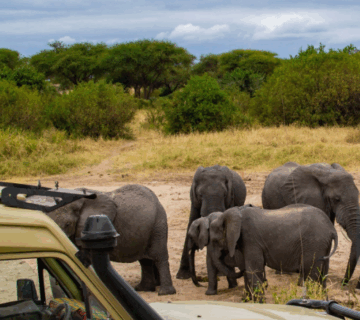
Ruaha genuinely hosts one of Tanzania’s largest elephant populations, with considerable herds moving across the park’s extensive baobab-studded landscape, and researchers studying the population have found Ruaha’s elephants display measurably different social and movement patterns than more heavily visited populations elsewhere, likely reflecting the park’s genuinely lower disturbance levels from vehicle traffic.
Why the Great Ruaha River Genuinely Anchors the Park’s Dry-Season Wildlife Concentration
During Ruaha’s considerable dry season, the Great Ruaha River becomes genuinely critical to the park’s wildlife, with predator and prey species alike concentrating along the diminishing water source, creating genuinely dramatic and predictable game viewing during the driest months, when the wider park’s more dispersed wet-season wildlife pulls into a considerably more concentrated, accessible pattern along the riverbank.

How Ruaha’s Predator Density Genuinely Compares to Tanzania’s More Famous Parks
Despite receiving considerably fewer visitors than the Serengeti or Ngorongoro Crater, Ruaha genuinely maintains predator density researchers consider comparable to Tanzania’s more famous northern circuit parks, with strong resident lion, leopard, and considerable African wild dog populations, the latter genuinely significant given how endangered wild dogs remain across much of their historical range.
Why Ruaha’s Baobab-Dominated Landscape Genuinely Creates a Distinctive Visual Character
Ruaha genuinely features considerable numbers of massive, ancient baobab trees scattered across its terrain, some genuinely estimated at several centuries old, creating a visually distinctive landscape considerably different from the more open grassland typical of Tanzania’s northern parks, meaning photography and general scenic appeal genuinely differ meaningfully from what visitors accustomed to Serengeti-style plains might expect.
How Ruaha’s Remote Location Genuinely Preserves Its Uncrowded Character
Given Ruaha’s considerable distance from Tanzania’s more accessible northern safari circuit, the park genuinely receives dramatically fewer visitors than comparable wildlife-rich destinations, meaning game drives genuinely offer a considerably more solitary, personal wildlife encounter than the multi-vehicle sightings common across more heavily visited parks during peak season.
Where to Stay Within Ruaha National Park
Ruaha genuinely offers a range of tented camps and lodges positioned to take advantage of the Great Ruaha River’s dry-season wildlife concentration, and discussing current water levels and specific wildlife activity with your operator genuinely helps optimise timing for your particular visit.
Best Time of Year to Visit Ruaha National Park
Ruaha’s dry season genuinely offers the most concentrated and predictable wildlife viewing as animals gather along the diminishing river. See our regional best-time guide for how East Africa’s broader seasonal patterns affect wider trip planning.
Getting to Ruaha National Park
Ruaha genuinely requires a scheduled flight from Dar es Salaam or Arusha given its considerable distance from Tanzania’s main safari circuit, a journey that reflects the park’s genuine remoteness and directly explains why visitor numbers remain so comparatively low.
Photographing Ruaha’s Baobabs and Wildlife
Capturing elephant herds against ancient baobab silhouettes, or predator activity along the Great Ruaha River, offers genuinely distinctive photographic opportunities considerably different from Tanzania’s more commonly photographed northern parks. See our camera gear guide for broader equipment recommendations.
What to Pack for a Ruaha Safari
Standard game drive gear – neutral clothing, sun protection, and binoculars – covers most of what the park requires, and dust protection genuinely matters given Ruaha’s characteristically dry terrain during peak viewing season. If your wider itinerary includes gorilla trekking, our gorilla trekking packing list covers that portion separately.
Why Ruaha’s Considerable Size Genuinely Requires More Flexible Trip Planning
Given how genuinely vast Ruaha’s total area is, ranking as Tanzania’s largest national park, covering the park’s full range of habitat and wildlife genuinely benefits from a longer stay than a quick single-night stop would allow, meaning discussing realistic itinerary length directly with your operator genuinely helps set accurate expectations for how much of this considerable wilderness you can meaningfully experience.
How Ruaha’s Wild Dog Population Genuinely Represents a Real Conservation Priority
Given how severely African wild dog populations have declined across much of their historical range, Ruaha’s genuinely healthy resident population represents one of Tanzania’s most important strongholds for the species, and researchers studying wild dog pack behaviour increasingly view Ruaha’s relatively undisturbed wilderness as genuinely valuable for observing natural pack dynamics with minimal human interference.
Why Kudu Sightings Genuinely Set Ruaha Apart From Northern Tanzania
Both greater and lesser kudu, antelope species genuinely uncommon or absent across Tanzania’s more visited northern parks, occur reliably within Ruaha, meaning the park genuinely offers a meaningful species-list addition for travelers who have already covered the Serengeti-Ngorongoro circuit and are specifically seeking wildlife they haven’t yet encountered elsewhere in the country.
Comparing Ruaha to the Serengeti for a Tanzania Itinerary
Where the Serengeti offers genuinely unmatched migration drama and predator density within a considerably more developed tourism infrastructure, Ruaha’s core strength lies specifically in its genuine wilderness character, considerable size, and comparatively uncrowded viewing, meaning the two destinations genuinely suit different traveler priorities within a broader Tanzania safari, uncrowded remoteness versus more accessible, infrastructure-rich wildlife viewing.
Why Guides Value Ruaha’s Genuine Wilderness Character
Given how rarely visitors encounter other vehicles during a Ruaha game drive, experienced guides genuinely value the park’s rare combination of strong wildlife density and near-total solitude, an increasingly uncommon pairing across East Africa’s more heavily visited safari circuits.
Why Ruaha’s Buffalo Herds Genuinely Draw Considerable Predator Attention
Ruaha genuinely supports substantial buffalo herds that, much like the collective decision-making documented in buffalo populations elsewhere, move across the park’s considerable terrain tracking seasonal grazing quality, and these herds genuinely draw sustained attention from Ruaha’s resident lion prides, making buffalo-lion interaction one of the park’s more reliably observed predator-prey dynamics during dry season concentration.
How Ruaha’s Leopard Population Genuinely Benefits From the Park’s Dense Riverine Vegetation
The considerable riverine vegetation lining the Great Ruaha River genuinely provides excellent cover for the park’s resident leopard population, whose naturally elusive, avoidance-focused behaviour benefits directly from this dense habitat structure, meaning leopard sightings, while genuinely possible, require the same patient, considered approach experienced guides apply across most other East African destinations.
Frequently Asked Questions
What makes Ruaha different from Tanzania’s northern parks?
Its position at a genuine ecological crossroads brings species overlap, considerable size, and dramatically fewer visitors than the Serengeti-Ngorongoro circuit.
How do I get to Ruaha National Park?
A scheduled flight from Dar es Salaam or Arusha, given the park’s considerable distance from Tanzania’s main safari circuit.
Does Ruaha have strong predator viewing?
Yes, genuinely so – predator density is considered comparable to Tanzania’s more famous northern parks, including a healthy wild dog population.
When is the best time to visit Ruaha?
Dry season, when wildlife concentrates predictably along the diminishing Great Ruaha River.
Can I see kudu at Ruaha that I wouldn’t see elsewhere in Tanzania?
Yes – both greater and lesser kudu occur reliably here, species genuinely uncommon across the country’s more visited northern parks.
Why Ruaha’s Considerable Distance From Arusha Genuinely Shapes Realistic Itinerary Combinations
Given how far Ruaha sits from Tanzania’s northern circuit, combining it with destinations like the Serengeti genuinely requires an internal flight connection rather than road travel, meaning Ruaha typically functions best either as a dedicated standalone trip or paired specifically with Tanzania’s other remote and specialised destinations sharing similarly less-developed access infrastructure and a comparable focus on genuine wilderness over convenience.
Why Discussing Ruaha’s Remoteness Honestly With Your Operator Genuinely Matters
Given how considerably Ruaha’s flight-dependent access and vast size differ from the more road-connected convenience of parks like Amboseli, discussing realistic travel time and total trip length openly with your operator genuinely helps set accurate expectations before committing to this genuinely rewarding but considerably more logistically demanding destination.
Why Ruaha’s Rewards Genuinely Justify the Extra Effort for the Right Traveler
For travelers who have already experienced Tanzania’s more accessible northern circuit and are genuinely seeking a considerably wilder, less mediated wildlife encounter, Ruaha’s genuine combination of considerable scale, species diversity, and near-total solitude genuinely represents one of the entire country’s most rewarding, if logistically demanding, safari destinations currently available to travelers today.
Why Extended Stays Genuinely Reveal the Most About This Considerable Wilderness
Given how much Ruaha’s wildlife activity genuinely shifts across different sections of the park depending on season and recent rainfall, an extended multi-night stay genuinely reveals considerably more of the park’s genuine character than a brief single-night stop, rewarding patient travelers with the kind of layered, unhurried wilderness experience the park’s considerable scale was always genuinely built to provide.
Ready to Plan Your Tanzania Safari?
Whether Ruaha’s genuine wilderness, a wider Tanzania circuit, or a full combined itinerary is your priority, our team can build a trip matched to your interests. Get in touch with our team below today and let’s start planning your complete Tanzania safari itinerary together.

No comment