
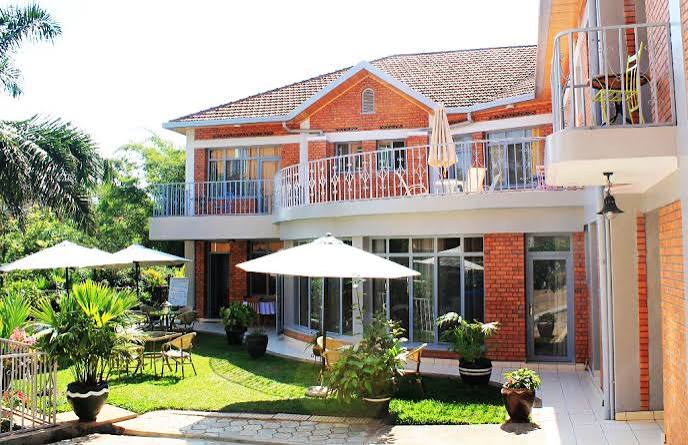
Kigali on a Budget: Where to Stay, Eat and Move for Less
Rwanda’s reputation for premium, high-cost gorilla trekking tourism often overshadows a simpler truth about its capital: Kigali on a budget is genuinely achievable, and doesn’t require sacrificing safety, cleanliness or a good time. Between affordable guesthouses, inexpensive local eateries and Kigali’s famously efficient moto-taxi network, a traveller who plans carefully can experience the capital thoroughly without a premium-tourism price tag.
Key Highlights
- Budget guesthouses and hostels in Kigali run considerably cheaper than international hotel chains, without a meaningful drop in safety or cleanliness
- Local restaurants, particularly buffet-style spots, offer generous, affordable meals well below tourist-restaurant pricing
- Moto-taxis are Kigali’s cheapest and fastest way to move around the city
- Many of Kigali’s best experiences, walking neighbourhoods, markets, viewpoints, cost little or nothing
- Kigali’s reputation for cleanliness and safety holds at every price point, not just premium tourism
- A realistic daily budget can run a fraction of what a full gorilla-trekking-inclusive itinerary costs
Where to Stay for Less
Kigali’s guesthouse and budget hotel scene has grown considerably alongside the city’s broader tourism development, offering clean, secure, well-located rooms at a fraction of international chain-hotel pricing. Neighbourhoods like Kiyovu and Remera offer a good mix of budget guesthouses within easy reach of restaurants, moto-taxi access and central attractions, without the premium pricing that comes with staying directly in Kigali’s most upscale commercial districts.
Hostels and Shared Accommodation
A small but growing number of hostels cater specifically to backpackers and budget travellers, typically offering dorm beds alongside private rooms at meaningfully lower rates than even budget guesthouses, and often doubling as a useful source of practical local travel advice from staff and fellow travellers passing through.
Eating Well Without Overspending
Kigali’s local restaurant scene, distinct from its smaller cluster of international and tourist-oriented dining spots, offers genuinely excellent value. Buffet-style local restaurants, serving a rotating spread of Rwandan and East African staples for a fixed, modest price, are widely considered the best value meal in the city, filling and flavourful without tourist-restaurant markup.
Street Food and Markets
Grilled brochettes, roasted maize, and fresh fruit from street vendors and market stalls offer some of Kigali’s cheapest genuine local food experiences, particularly around busier commercial areas and markets like Kimironko Market, where affordable eating and everyday local shopping naturally overlap.
Getting Around for Less
Moto-taxis, Kigali’s ubiquitous motorcycle taxis, are by far the cheapest and often fastest way to move around the city, particularly during periods of heavier traffic when a car struggles more than a motorcycle to navigate busy streets. Agreeing on a fare before the ride begins, standard practice across Kigali, keeps costs predictable and avoids any confusion on arrival.
Ride-Hailing Apps and Shared Options
Ride-hailing apps operating in Kigali offer a useful, often slightly pricier alternative to hailing a moto directly, trading a small cost increase for upfront fare transparency and the convenience of not needing to negotiate. For longer or multi-stop days, comparing moto and app pricing for each specific trip helps keep overall transport costs down without sacrificing convenience.
Free and Low-Cost Things to Do
Some of Kigali’s most memorable experiences cost little to nothing. Walking through Nyamirambo’s colourful streets, admiring the illuminated Convention Centre dome at night, or simply exploring one of the city’s many hillside viewpoints all deliver genuine Kigali character without an entrance fee.
Budgeting for the Genocide Memorial
A visit to the Kigali Genocide Memorial, one of the capital’s most important stops for understanding Rwanda’s history, is free to enter, though a modest voluntary donation is widely encouraged and genuinely worth making given the memorial’s ongoing preservation and education work.
Timing Your Visit to Save Further
Kigali’s accommodation and activity pricing shows relatively little seasonal fluctuation compared to Rwanda’s gorilla-trekking regions, where permit demand drives significant price and availability swings by season. This makes Kigali itself a comparatively forgiving destination to budget for regardless of when your broader Rwanda trip falls, one less variable to plan around than the more seasonally sensitive parts of a wider itinerary.
Booking Ahead vs Arriving Flexible
Budget guesthouses generally don’t require the far-in-advance booking that gorilla permits demand, giving budget-conscious travellers more flexibility to adjust plans, compare prices, or simply arrive and look around before committing to a specific place to stay.
A Realistic Daily Budget Breakdown
A traveller prioritising cost savings can realistically cover a guesthouse room, three local meals, and a reasonable amount of moto-taxi travel around the city for a modest daily total, a small fraction of what a premium hotel and tourist-restaurant itinerary would run. This isn’t about cutting corners on safety or missing out on Kigali’s character; it’s simply choosing local-standard options over international-standard pricing at every stage of the day.
Where Splurging Still Makes Sense
Even a tightly budgeted Kigali stay can afford the occasional splurge, a rooftop cocktail with a dome view, a nicer dinner out, without derailing an otherwise frugal trip, since Kigali’s overall cost baseline sits low enough that the occasional treat rarely threatens a realistic budget.
Staying Connected Without Overpaying
A local SIM card, widely available at the airport and at phone shops throughout the city, is considerably cheaper than relying on international roaming for a Kigali stay, and data plans covering a week or more of typical use cost relatively little. Setting this up in your first hour in the city is one of the simplest, highest-value budget moves available to any traveller, immediately unlocking cheaper ride-hailing, map navigation and communication with guesthouses or tour operators for the rest of the trip.
Wifi Availability
Most guesthouses, cafes and even a number of local restaurants offer free wifi, reducing reliance on mobile data for anything beyond active navigation while moving around the city, a small but genuinely useful cost-saving habit over a longer stay.
Shopping and Souvenirs Without Overspending
Kimironko Market remains the best single destination for budget-conscious souvenir shopping, offering considerably lower prices than boutique craft shops aimed specifically at tourists, provided you’re comfortable with the light negotiation that’s standard practice there. Buying directly from market vendors rather than curated gift shops routinely saves a meaningful percentage on textiles, baskets and craftwork without any real difference in quality.
Negotiating Respectfully
Gentle, good-humoured negotiation is culturally normal and expected at Kigali’s markets, and even a few words of Kinyarwanda during the exchange, covered in our guide to essential Kinyarwanda phrases, tends to shift pricing conversations in a visitor’s favour while keeping the interaction warm rather than adversarial.
Budget Day Trips From Kigali
Several worthwhile day trips from Kigali require only modest transport costs and no accommodation spend at all, letting budget travellers add meaningful variety to a Kigali-based stay without the expense of relocating. Public minibus transport, considerably cheaper than a private hire car, connects Kigali to a range of nearby towns and attractions for travellers willing to trade a bit of convenience for real savings.
Minibus Travel Basics
Shared minibuses, locally a standard and widely used form of transport, depart from central stations once reasonably full and cover set routes at a fraction of private transfer pricing, a genuinely useful budget option for travellers comfortable navigating without a dedicated English-speaking guide alongside them.
Safety at Every Price Point
One of Kigali’s most consistently noted traits among travellers is that its reputation for cleanliness and safety holds regardless of where you’re staying or eating, a genuinely unusual quality compared to many capital cities where budget neighbourhoods carry real safety tradeoffs. Choosing a budget guesthouse over a premium hotel in Kigali doesn’t meaningfully change your personal safety profile the way it might elsewhere, one less thing budget travellers need to weigh against cost.
Common Budget Mistakes to Avoid
The single most common overspend budget travellers make in Kigali is defaulting to hotel or app-based transport pricing for every trip rather than comparing against a moto-taxi fare first, a habit that can quietly add up to a meaningful chunk of daily spend over a multi-day stay. Similarly, eating exclusively at hotel restaurants out of convenience, rather than venturing even a short walk to a local buffet spot, routinely costs several times more for a broadly comparable meal.
Currency Exchange Tips
Exchanging money at official bureaus or banks rather than informal street exchangers avoids both safety risk and unfavourable rates, and withdrawing Rwandan francs directly from ATMs, widely available across central Kigali, is generally straightforward and competitively priced compared to pre-exchanging currency before arrival. Carrying a mix of cash for markets and moto fares, alongside a card for guesthouse payments where accepted, covers most everyday budget-travel scenarios without complication.
Frequently Asked Questions
Is Kigali safe for budget travellers staying in cheaper accommodation?
Yes, Kigali’s reputation for safety and cleanliness holds broadly across price points, and budget guesthouses in well-located neighbourhoods are widely used by both local and international travellers without particular safety concerns.
What’s the cheapest way to get from the airport into the city?
Moto-taxis and ride-hailing apps both offer considerably cheaper airport transfers than pre-arranged private transport, though first-time visitors sometimes prefer the added convenience and certainty of arranging pickup in advance.
Can I find good food in Kigali without eating at tourist restaurants?
Yes, local buffet-style restaurants and street food stalls offer some of the city’s best value and most authentic meals, generally at a fraction of tourist-restaurant pricing.
Does travelling to Kigali on a budget mean missing out on the city’s highlights?
Not meaningfully; many of Kigali’s most memorable experiences, neighbourhood walks, markets, viewpoints and the Genocide Memorial, are free or low-cost by design.
Is it worth pairing a budget Kigali stay with a gorilla trekking permit elsewhere in Rwanda?
Absolutely; keeping Kigali costs low is a sensible way to offset the larger, largely fixed cost of a gorilla permit elsewhere in the country, without compromising your time in the capital itself.
Recommended Safaris
A budget-friendly Kigali stay pairs naturally with stops covered in our guides to Nyamirambo, Kimironko Market and the Kigali Genocide Memorial. Ready to plan a Rwanda trip that makes the most of every dollar in the capital? Reach our team through our Book Now page and we’ll plan it around your budget and dates.


No comment