
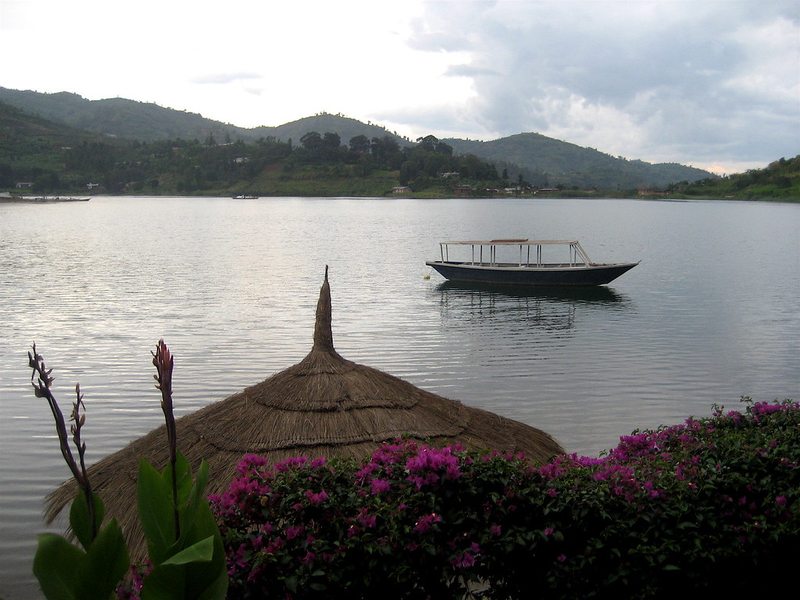
Rwanda’s Hot Springs of Rubavu: Healing Waters on Lake Kivu
Lake Kivu’s Rubavu shoreline is best known for its beaches and Congo Nile Trail access, but a short drive inland reveals a genuinely different kind of attraction: the Nyamyumba Hot Springs, a pair of naturally heated volcanic pools that locals have used for generations, valued for their perceived healing and spiritual significance long before they appeared on any visitor’s itinerary.
Key Highlights
- Nyamyumba Hot Springs sit roughly 7 kilometres from Gisenyi (Rubavu town), on Lake Kivu’s eastern shore
- Two distinct pools, locally named “male” and “female,” differ in temperature
- The springs draw their heat from the East African Rift System and nearby Virunga volcanic activity
- Water at the volcanic source reaches roughly 75 degrees Celsius before cooling into the bathing pools
- Local communities have long valued the springs for therapeutic and spiritual significance
- The site pairs naturally with a wider Rubavu and Lake Kivu itinerary
Where the Springs Sit on the Map
Nyamyumba Hot Springs are located in Nyamyumba Sector of Rubavu District, roughly 7 kilometres from Gisenyi town, the same lakeside town most visitors know simply as Rubavu. The relatively short distance from town makes the springs an easy half-day add-on for travellers already based along the Lake Kivu shoreline rather than a destination requiring dedicated separate planning.
Getting There
The route from Gisenyi follows local roads inland from the lakeshore, typically covered by taxi, a hired driver, or as part of an organised tour that bundles the springs with other Rubavu-area stops. Given the site’s modest size and relatively short visit duration, most itineraries treat it as a half-day stop rather than an overnight destination in its own right.
Two Pools, Two Temperatures
The springs consist of two separate bathing pools, locally referred to as “male” and “female,” a naming convention reflecting traditional local use rather than any current restriction on who may bathe where. The two pools differ noticeably in temperature, giving visitors a genuine choice between a hotter and a milder soak depending on personal tolerance and how long you intend to stay in the water.
Why the Water Runs So Hot
At its volcanic source, the water reaches approximately 75 degrees Celsius, a temperature far too hot for direct bathing, before cooling as it travels and mixes on its way into the two pools visitors actually use. This cooling process is why timing and pool choice matter: arriving early or late in the day, when ambient conditions shift the water’s felt temperature slightly, can noticeably change how comfortable a soak feels.
The Geological Story Behind the Heat
Rubavu’s hot springs owe their existence to the western branch of the East African Rift System, the same tectonic process responsible for the Virunga volcanic range and, more broadly, for Lake Kivu’s own unusual depth and geothermal characteristics. Active volcanic activity beneath this stretch of the Rift heats groundwater as it circulates through subsurface rock, and that superheated water eventually surfaces as a hot spring wherever geological conditions allow it a path upward.
Part of a Wider Regional Pattern
Nyamyumba isn’t an isolated geological curiosity; it’s one of several geothermal hot springs scattered around the Lake Kivu basin, alongside springs near Rubavu town itself and further south near Bugarama, all connected to the same rift-driven volcanic system. This same underlying geology is responsible for gases entering Lake Kivu from below, contributing to the lake’s well-documented accumulation of dissolved methane and carbon dioxide, a genuinely unusual limnological feature that sets Kivu apart from most other African Great Lakes.
Local Significance Beyond Tourism
Long before the springs featured in any visitor guide, communities living around Nyamyumba have valued the site for its perceived healing properties, treating a soak as something closer to a therapeutic or even spiritual practice than simple recreation. Visitors who understand this context tend to approach the site with more genuine respect, recognising it as a place with real ongoing meaning for local residents rather than purely a novelty stop on a tourist route.
Visiting Respectfully
Because the springs remain actively used by local community members, not just set up for tourism, visitors benefit from the same respectful, low-impact approach recommended at any culturally significant site: following local guidance on pool etiquette, avoiding excessive noise or disruption, and treating the site as a shared community resource rather than an exclusive tourist attraction.
Rwanda’s Wider Hot Springs Landscape
Nyamyumba is Rwanda’s best-known hot springs site for visitors, but it isn’t the country’s only one. Additional geothermal springs exist near Rubavu town itself and further south near Bugarama, both tied to the same rift-driven volcanic geology, though none of Rwanda’s other springs currently match Nyamyumba’s combination of accessibility from a major tourism base and organised visitor infrastructure. For most travellers building a Lake Kivu itinerary, Nyamyumba remains the practical, well-established choice over these lesser-visited alternatives.
Why Nyamyumba Became the Visitor-Facing Site
Proximity to Gisenyi’s hotels, restaurants and tour operator infrastructure gave Nyamyumba a natural advantage over more remote geothermal sites in the region, allowing it to develop basic visitor facilities and a more established local guiding presence over time. This accessibility, rather than any difference in the water’s underlying character, is largely why Nyamyumba appears in far more travel itineraries than Rwanda’s other, less accessible hot springs.
Health Considerations Before You Soak
As with any natural hot spring, a handful of common-sense precautions apply. Pregnant visitors, and anyone with cardiovascular conditions or heat sensitivity, should approach the hotter of the two pools with particular caution, or consult a doctor before bathing at all. Staying hydrated before and after a soak, given both the water’s heat and Rwanda’s equatorial climate, meaningfully reduces the risk of feeling lightheaded during or after a visit.
Skin and Mineral Content
Many visitors report a noticeably soft, smooth feeling to their skin after bathing, commonly attributed to the water’s dissolved mineral content picked up from its volcanic source, though as with most natural hot springs worldwide, no medical claims about specific therapeutic outcomes should be taken as guaranteed. The pleasant sensation alone, mineral-driven or otherwise, is generally reason enough for visitors to consider the detour worthwhile.
Photographing the Springs
The rising steam off the hotter pool, particularly visible in cooler morning air, makes for genuinely striking photography, especially when paired with the surrounding hillside greenery typical of this part of Rubavu District. Overcast mornings, somewhat counterintuitively, often produce the most dramatic steam visibility, since a stronger temperature contrast between the water and the surrounding air makes the rising vapour considerably more visible against the sky.
What to Bring for a Visit
A swimsuit, a change of dry clothes, a towel, and sandals suited to uneven ground around the pools cover the practical basics for a Nyamyumba visit. Given the heat of the water and Rwanda’s equatorial sun, bringing drinking water and limiting how long you stay in the hottest pool on any single visit both help keep the experience comfortable rather than overwhelming.
Best Time of Day to Visit
Morning visits tend to be quieter and cooler in ambient temperature, making the contrast with the heated pool water feel more pronounced and pleasant, while a late-afternoon visit works well as a relaxing close to a day spent elsewhere around Rubavu or Lake Kivu.
Combining the Springs With a Wider Rubavu Itinerary
Nyamyumba Hot Springs works best as one stop within a broader Rubavu and Lake Kivu stay rather than a sole reason for the trip. Our piece on Lake Kivu covers the shoreline’s beaches, water activities and Congo Nile Trail access in depth, while a visit to Rubavu’s own nearby tea estates adds an agricultural and scenic counterpoint to a lakeside-and-springs day.
A Natural Pairing With Post-Trekking Recovery
Travellers combining a Rwanda trip with gorilla or golden monkey trekking in Volcanoes National Park often find a relaxed Lake Kivu stretch, hot springs included, a genuinely restorative close to a physically demanding forest trek, the warm mineral water offering a different kind of recovery than simply resting at a lodge.
A Site That Rewards Understanding Its Context
Visitors who arrive at Nyamyumba expecting a purpose-built spa resort are likely to find the reality more modest and considerably more authentic: simple volcanic pools, actively used by the surrounding community, set within a landscape whose geology explains almost everything about why the water is hot in the first place. Understanding that geological and cultural context transforms what could otherwise read as a brief, unremarkable stop into one of the more genuinely distinctive half-days available along the Lake Kivu shoreline.
Frequently Asked Questions
Is it safe to bathe in the Nyamyumba Hot Springs?
Yes, when using the bathing pools as intended rather than the much hotter volcanic source water; choosing the milder of the two pools and limiting time in the hotter one helps most visitors have a comfortable, safe soak.
How far is Nyamyumba Hot Springs from Gisenyi town?
Roughly 7 kilometres, an easily manageable half-day trip by taxi, hired driver or organised tour from anywhere along the Rubavu lakeshore.
Is there an entry fee to visit the springs?
A modest local access fee typically applies; exact pricing is best confirmed with a local guide or tour operator at the time of your visit.
Can the hot springs be combined with other Lake Kivu activities in a single day?
Yes, many visitors pair a springs visit with beach time, a boat trip, or a stop at nearby tea estates, all comfortably reachable within the same day from a Rubavu base.
Why are the two pools called “male” and “female”?
The names reflect traditional local naming conventions tied to the pools’ differing temperatures and long-standing community use, rather than any current restriction on who may use each pool.
Recommended Safaris
Nyamyumba Hot Springs pairs naturally with a wider Rubavu stay. Our pieces on Lake Kivu and Rwanda’s tea estates both connect directly to this corner of the country. Ready to build a relaxed Lake Kivu stretch, hot springs included, into your own Rwanda itinerary? Reach our team through our Book Now page and we’ll plan it around your dates.

No comment