
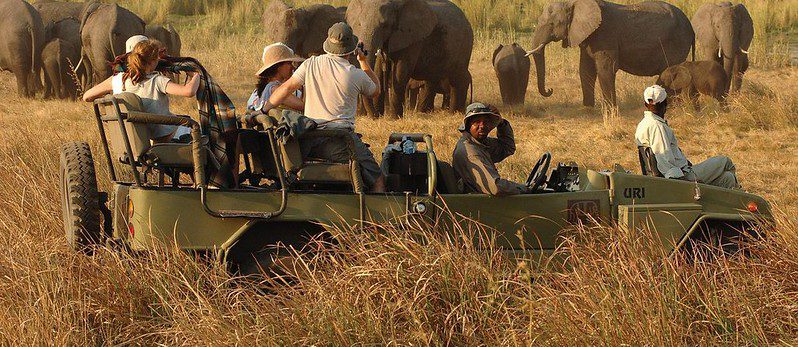
Finding the Perfect Season for Your Tanzania Adventure Safari Tour
Tanzania Wildlife Safari Seasons Embarking on a Tanzania adventure safari is a dream for many wildlife enthusiasts, and choosing the right time of year can significantly enhance the experience. Tanzania is a diverse and stunning country that boasts an array of landscapes and a rich variety of wildlife, making it an ideal destination for an unforgettable safari tour. In this article, we will explore the best time of year to embark on a Tanzania adventure safari, with a special focus on the Tanzania wildlife safari and the awe-inspiring event known as the Great Migration.
Tanzania Adventure Safari Tour: The Great Migration
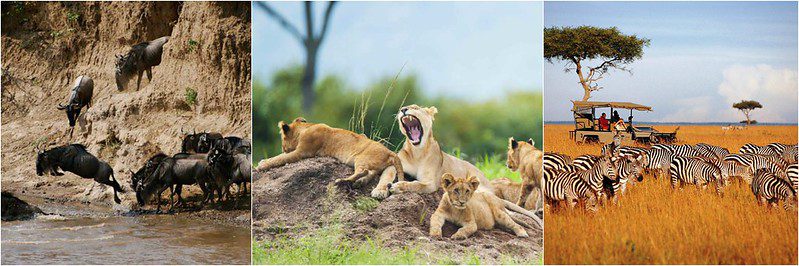
One of the most captivating events in the natural world, the Great Migration, takes place in Serengeti National Park and the Maasai Mara in neighbouring Kenya. This annual migration sees millions of wildebeest, zebras, and other herbivores traveling in search of greener pastures. To witness this spectacular phenomenon, plan your Tanzania adventure safari between July and October, when the migration is in full swing. During this time, the dramatic river crossings and the sheer magnitude of the animal movement create an unparalleled spectacle for safari-goers.
Tanzania Wildlife Safari Seasons
Understanding the seasons in Tanzania is crucial for planning an optimal safari experience. Tanzania experiences two distinct seasons: the dry season and the wet season. The dry season, which runs from June to October, is considered the best time for a Tanzania wildlife safari. During this period, the vegetation is sparse, and animals congregate around water sources, providing excellent visibility for spotting wildlife.
If you prefer a more lush and green landscape, the wet season from November to May is ideal. While the wildlife is still abundant, the scenery is transformed with vibrant greenery. Keep in mind that the wet season can bring occasional downpours, making some areas challenging to access.
Tanzania Safari Tour Highlights
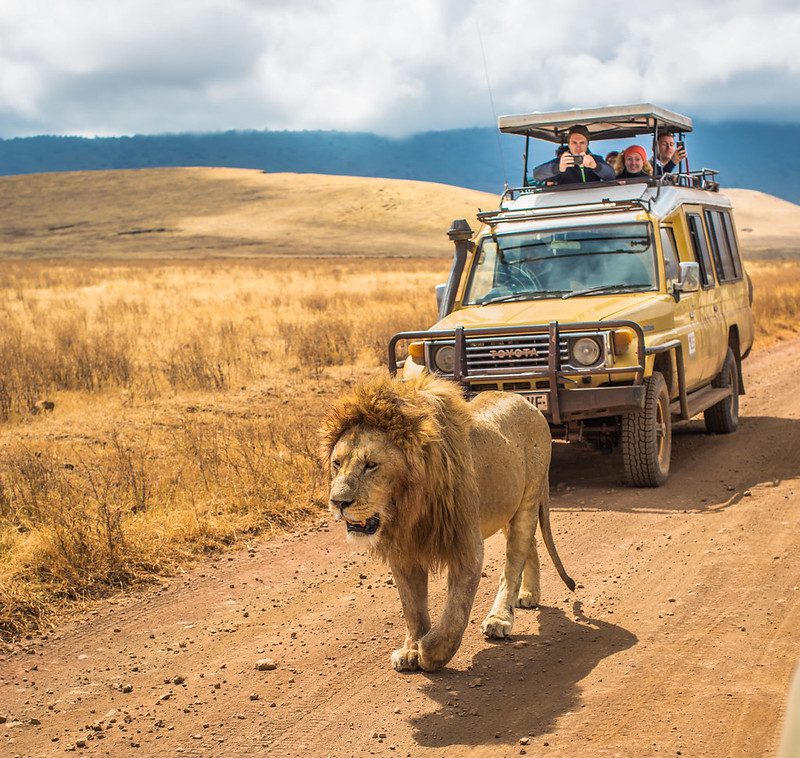
When planning your Tanzania safari tour, consider visiting the Ngorongoro Crater, a UNESCO World Heritage Site and home to a vast array of wildlife. The Ngorongoro Crater provides a unique setting where animals thrive in a self-contained ecosystem.
Additionally, Tarangire National Park is a must-visit destination, especially during the dry season when the Tarangire River becomes a lifeline for the park’s diverse fauna. Elephants, giraffes, and various predators gather around this water source, creating incredible opportunities for wildlife enthusiasts.
Calving Season: January to March
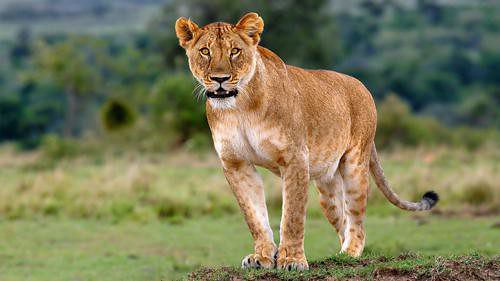
Beyond the well-known July-to-October migration window, the southern Serengeti’s calving season, roughly January through March, offers its own distinct highlight: hundreds of thousands of wildebeest calves born within a few short weeks on the short-grass plains around Ndutu. This concentration of vulnerable young animals draws intense predator activity, making calving season one of the best windows for big-cat sightings anywhere in East Africa, alongside the sheer spectacle of newborn calves finding their feet within minutes of birth.
Shoulder Season Advantages
April, May, and November, Tanzania’s shorter and longer rains respectively, see the fewest visitors and, correspondingly, the best lodge rates of the year, a genuine consideration for budget-conscious travelers willing to trade some unpredictability in weather for meaningfully lower costs. Wildlife doesn’t disappear during these months, resident populations in the Serengeti, Ngorongoro, and Tarangire remain present year-round, and the landscape’s lush, green transformation appeals to photographers seeking a different look than the dusty dry-season plains.
Combining a Safari With Zanzibar
Many Tanzania itineraries pair the mainland safari circuit with a beach extension on Zanzibar, and timing both halves well matters: Zanzibar’s own dry season, roughly June to October and December to February, overlaps usefully with the mainland’s safari-friendly dry months, making a combined trip easier to schedule than it might first appear. Zanzibar’s short rains in November and long rains from March to May are worth avoiding if beach time is a priority, even if you’re flexible on the safari portion of your trip.
A Quick Month-by-Month Reference
January to March: calving season and excellent predator action in the southern Serengeti. April to May: long rains, quiet parks, lowest rates. June to July: dry season begins, herds moving through the western corridor. August to October: peak dry season, Mara River crossings, the busiest and most sought-after months. November: short rains, transitional, herds beginning their return south. December: dry season resumes, good general game viewing across the northern circuit.
Ready to time your Tanzania safari around the season that matters most to you? All in Africa Safaris can help build an itinerary around the Great Migration, calving season, or simply the quietest, most budget-friendly window that fits your travel dates.
The River Crossings: Timing the Unpredictable
The Serengeti’s famous Mara River crossings, where wildebeest and zebra brave crocodile-infested waters, don’t happen on a fixed calendar; they depend on the herds’ own movement in response to rainfall and grazing, generally clustering between July and October but genuinely capable of shifting a few weeks in either direction from year to year. Experienced operators track current herd positions and crossing activity closely during this window rather than relying purely on historical averages, which is why booking with a specialist who monitors real-time migration reports gives you meaningfully better odds of witnessing an actual crossing rather than simply visiting the right general area at the right general time.
Ngorongoro Crater: A Year-Round Exception
Unlike the migration-dependent Serengeti, Ngorongoro Crater’s resident wildlife population stays within the crater’s confines throughout the year, making it one of the few Tanzania destinations where timing your visit around seasonal wildlife movement genuinely doesn’t matter. This makes the Crater a reliable anchor for any Tanzania itinerary regardless of when you’re traveling, useful to know if your dates are fixed by other constraints, work schedules, school holidays, and you can’t fully optimize around the migration’s exact position.
Weather Beyond Rain: Temperature Variation
Even within Tanzania’s broad dry and wet season split, temperature varies meaningfully by altitude and region: the Ngorongoro Highlands and higher-elevation lodges can be genuinely cold at night and in early morning, even during the dry season, while the Serengeti’s lower plains and coastal Zanzibar stay warm year-round. Packing layers rather than assuming uniform warmth across your whole itinerary avoids uncomfortable surprises, particularly for dawn game drives at higher-altitude camps.
How Far in Advance to Book
Peak dry-season months, particularly the July-to-October migration window, see camps along popular routes book out six months to a year ahead for the most sought-after properties, while shoulder-season travel offers considerably more last-minute flexibility. If your travel dates are fixed around a specific migration phase or calving season, early booking matters more than almost any other single planning decision you’ll make for the trip.
Photography Considerations Through the Seasons
Dry-season dust hanging in the air around the Serengeti’s plains often produces dramatic, golden-hued light at dawn and dusk, a look many wildlife photographers specifically travel for, while the wet season’s clearer, rain-washed air and dramatic storm-cloud skies offer their own distinct visual appeal for landscape-oriented shots. Calving season in the southern Serengeti adds predictable predator action to the mix, valuable for photographers prioritizing action shots over the migration’s larger-scale spectacle.
What to Pack for a Tanzania Safari
Neutral-toned clothing, layers for cool mornings that warm quickly once the sun rises, and reliable sun protection form the core of a sensible Tanzania packing list regardless of season. Travelers visiting during the wetter months should add a proper rain jacket and consider closed, waterproof footwear for any walking-based activities, while dry-season visitors benefit more from dust protection, a scarf or buff for open-vehicle game drives is a small addition that makes a real difference on dustier routes.
Health and Vaccination Considerations
Malaria risk exists across Tanzania’s safari circuit year-round, though it rises somewhat during and just after the wetter months, making prophylaxis and mosquito precautions worth discussing with a travel health provider regardless of when you’re traveling. Yellow fever vaccination requirements depend on your travel history and routing, worth confirming well ahead of departure since requirements can affect entry regardless of the season you’ve chosen for the safari itself.
Choosing Between Northern and Southern Circuits
The Serengeti, Ngorongoro, and Tarangire, Tanzania’s northern circuit, draw the bulk of visitors and align most closely with the migration timing discussed throughout this article, while the southern circuit’s Ruaha and Selous see far fewer visitors and follow a somewhat different, though broadly similar, dry-wet seasonal pattern. Travelers seeking the migration specifically should stay focused on the northern circuit’s timing, while those prioritizing solitude over the migration spectacle may find the southern parks’ quieter year-round character a better fit regardless of month.
Hot Air Balloon Safaris and Timing
Dawn balloon safaris over the Serengeti run year-round but book out especially quickly during the July-to-October migration season, when the sight of herds scattered across the plains from above is at its most dramatic. Weather-dependent cancellations are more common during the wetter months, worth building a buffer day into your itinerary if a balloon flight is a priority activity you don’t want to risk losing to a single rained-out morning.
Currency, Costs, and Seasonal Pricing
Park fees and permit costs stay largely fixed year-round in Tanzania, unlike accommodation rates, which swing considerably between peak dry-season pricing and the discounted rates offered during the quieter shoulder months. Budgeting with this seasonal swing in mind, rather than assuming a flat daily cost across the whole trip, gives a more accurate sense of what a Tanzania safari will actually cost depending on which window you choose to travel in.

No comment