
Our safari experts have assembled a list of frequently asked questions to help answer some you may have, especially if it’s your first time on safari.
Planning and Booking
How far in advance should I book my safari? For gorilla trekking especially, permits are limited and sell out months ahead during peak season, so booking three to six months in advance is a safe rule of thumb. Standard game-viewing safaris in Kenya and Tanzania have more flexibility but still benefit from early booking during the July to October and December to February high seasons.
What’s the best time of year to go on safari? It depends on what you want to see. The dry months, roughly June through October, offer the most reliable wildlife viewing across East Africa as animals concentrate around water sources, while January to March is calving season on the southern Serengeti plains, when predator action peaks. Gorilla trekking is possible year-round since the gorillas don’t migrate.
Do you offer tailor-made itineraries? Yes. While we have a range of set Uganda, Rwanda, Kenya, and Tanzania itineraries, most travelers work with us to adjust pace, parks, and accommodation level to their preferences and budget.
Travel Documents and Health
Do I need a visa? Most nationalities need a visa for Uganda, Rwanda, Kenya, and Tanzania, though many can be arranged online in advance or on arrival. Requirements change periodically by nationality, so it’s worth confirming your specific situation with us before you travel.
Do I need vaccinations to travel to East Africa? A yellow fever vaccination certificate is required for entry into several East African countries, and your doctor may also recommend protection against malaria, typhoid, and other common travel-related illnesses. Always consult a travel health professional a few weeks before departure.
Is East Africa safe for travelers? Millions of tourists visit East Africa’s safari destinations safely every year. As with any international travel, we advise standard precautions, and our guides and drivers are experienced in navigating the region safely.
On Safari
What should I pack? Neutral-colored, breathable clothing, layers for cool early mornings, a wide-brimmed hat, sunscreen, binoculars, and comfortable closed-toe shoes cover most safari days. Gorilla trekking adds waterproof hiking boots, gardening gloves, and a rain jacket to that list.
What’s the minimum age for gorilla trekking? Uganda, Rwanda, and Congo all enforce a minimum age of 15 for gorilla trekking permits, though there’s no upper age limit as long as you’re reasonably fit for the hike.
How many people can I be trekking with? Gorilla families are visited by a maximum of eight trekkers per day, a rule designed to reduce stress on the gorillas and limit the risk of disease transmission between humans and the animals.
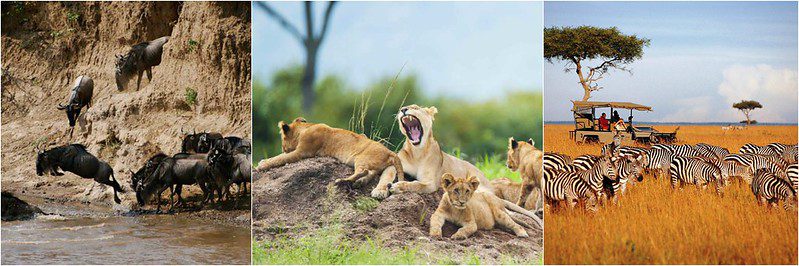
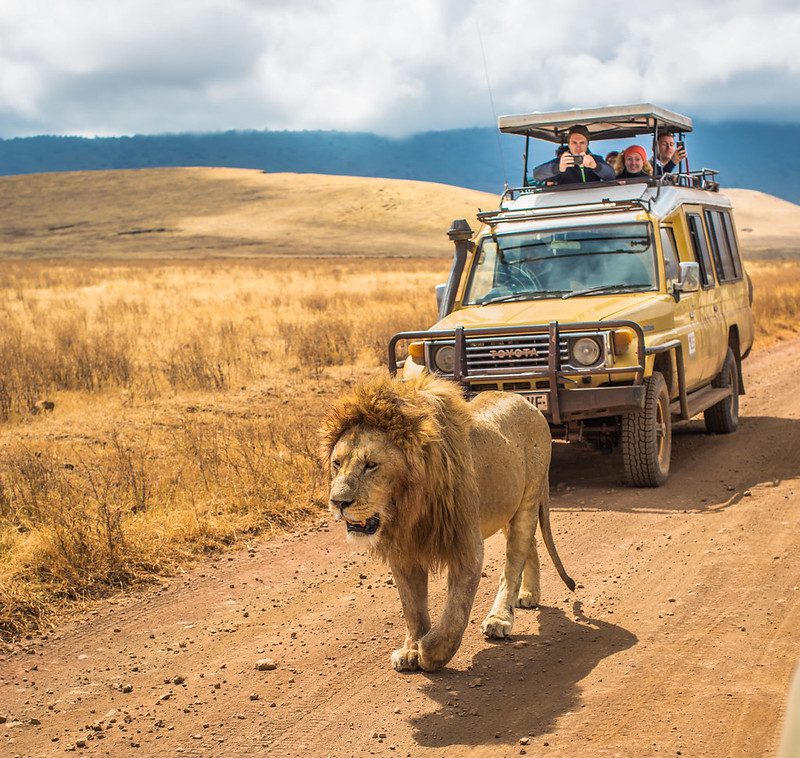
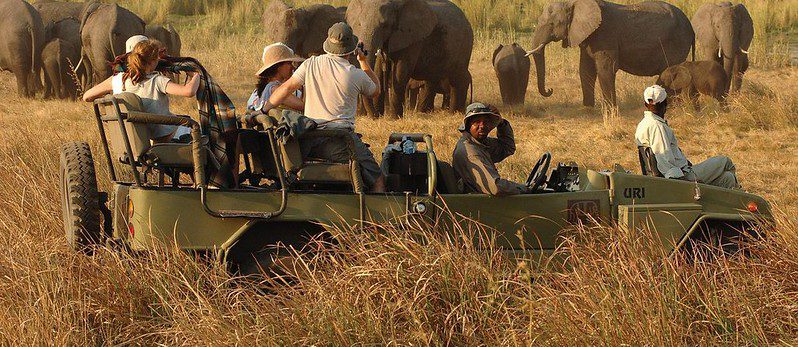
What kind of vehicles do you use? We use 4×4 safari vehicles with pop-up roofs for game viewing, suited to the road conditions found in East Africa’s national parks and appropriate for photography at any angle.
Booking With Us
What’s included in the price of a safari? This varies by itinerary, but typically includes accommodation, park fees, a driver-guide, transport, and most meals during the safari. Flights, visas, tips, and personal expenses are usually excluded; your itinerary will spell out exactly what’s covered.
Can you help with flights and pre/post-safari accommodation? Yes, we regularly assist travelers with flight recommendations and additional nights before or after a safari, including beach extensions in Zanzibar or Diani.
Money and Payments
What currency should I bring? US dollars are widely accepted across Uganda, Rwanda, Kenya, and Tanzania for park fees, permits, and tips, though local currency is useful for smaller purchases. Bring newer bills, many vendors and banks in the region reject US dollar notes printed before 2009 or with visible marks.
Should I tip my guide and driver? Tipping is customary and genuinely appreciated, though never obligatory. Typical guidance is roughly $10 to $20 per day for a driver-guide and a similar range for gorilla trekking guides and porters, but we’re happy to advise on appropriate amounts for your specific itinerary.
Can I pay in installments? Yes, most bookings allow a deposit to secure permits and accommodation, with the balance due closer to your travel date. We’ll walk you through the payment schedule when you book.
Photography and Etiquette
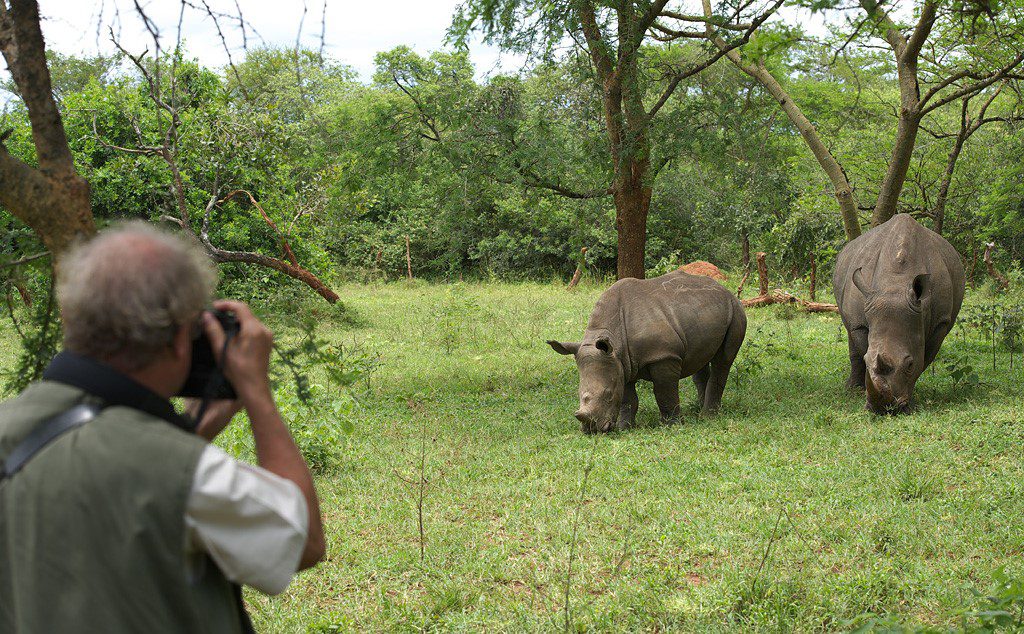
Can I take photos during gorilla trekking? Yes, photography is welcome, but flash photography is prohibited as it can startle the gorillas. A camera with good low-light performance is worth having, since forest light is often dim.
How close can I get to the gorillas? Park rules require a minimum distance of about seven meters from the gorillas, both to protect you and to reduce the risk of disease transmission between humans and gorillas, who are susceptible to many of the same illnesses we are.
Family Travel and Accessibility
Can children come on safari? Standard game-drive safaris welcome travelers of all ages, though some camps set a minimum age for young children. Gorilla trekking has a firm minimum age of 15, so families with younger children typically split the itinerary, with game drives for everyone and trekking reserved for older members of the group.
What if I have mobility concerns? Game drives are accessible to most travelers since they’re vehicle-based. Gorilla trekking is more physically demanding, but porters and, in some cases, a sedan-chair service can assist travelers who need extra support on the trail; let us know your needs when planning so we can match you to an appropriate sector and pace.
Weather and Seasonal Packing
Does it rain a lot on safari? East Africa has two rainy seasons, roughly March to May and November, but rain typically falls in short, heavy bursts rather than all day, and game viewing continues regardless. Gorilla trekking is more affected by rain since trails become muddier, but treks still go ahead.
How cold does it get? Early mornings on game drives and, especially, at higher-altitude parks like Bwindi and Ngorongoro can be surprisingly cool, sometimes down to single digits Celsius, so a warm layer for the start of the day is worth packing even in the dry season.
Wildlife and Conservation
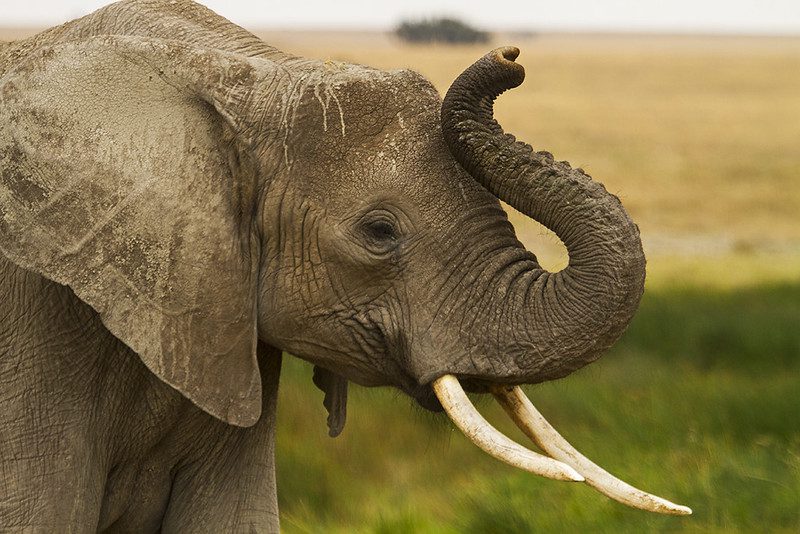
Am I guaranteed to see the Big Five? No sighting is ever 100% guaranteed since these are wild animals, but multi-day itineraries across parks like the Serengeti, Maasai Mara, and Queen Elizabeth significantly improve your odds, and experienced guides know where each species is most reliably found.
Does my safari fee support conservation? Yes. Park entrance fees and gorilla trekking permits fund ranger patrols, anti-poaching efforts, and community programs in the areas surrounding the parks, meaning your visit directly contributes to protecting the wildlife you’ve come to see.
Can I see gorillas and the Big Five on the same trip? Yes, many itineraries combine Uganda’s gorilla trekking with savannah parks like Queen Elizabeth or Murchison Falls, or pair Rwanda gorilla trekking with a Kenya or Tanzania extension for classic game viewing.
Connectivity and Communication
Will I have phone signal on safari? Mobile coverage is generally good near towns and reasonable in many park areas, though it drops out entirely in more remote sections of parks like Bwindi or Ruaha. A local SIM card is usually the most reliable and affordable way to stay connected between camps.
Can I stay in touch with family back home? Most camps offer WiFi in common areas, even if not in individual rooms or tents, so checking in periodically is usually possible, just don’t expect constant connectivity, part of the appeal of being deep in a national park.
Group and Solo Travel
Can I join a group departure, or is everything private? We offer both. Scheduled group departures work well for solo travelers who want to share costs and meet fellow travelers, while private itineraries give you full control over pace, route, and vehicle. Let us know your preference when you enquire and we’ll match you accordingly.
Is it safe to travel solo on safari? Yes, solo travelers join safaris in East Africa every year without issue. Your driver-guide is with you throughout game drives, and camps are generally secure, well-established properties used to hosting travelers of all group sizes.
Making Changes to Your Booking
Can I change my dates after booking? Date changes are often possible, particularly for standard game-viewing itineraries, subject to availability at your chosen camps. Gorilla trekking permits are more restrictive since they’re tied to a specific date, so changes there need to happen as early as possible.
What’s your cancellation policy? Cancellation terms vary depending on how far in advance you cancel and which services are involved, permits, in particular, are typically non-refundable once issued. We’ll walk you through the specific terms for your itinerary before you book.
Food and Dietary Needs
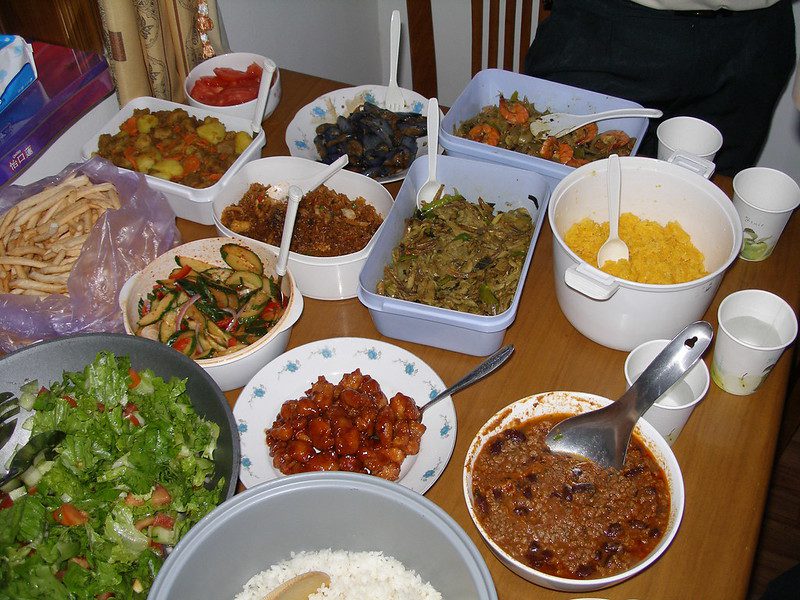
Can you accommodate dietary restrictions? Yes, vegetarian, vegan, and most allergy-related requests can be accommodated at camps and lodges with advance notice, ideally provided when you book rather than on arrival.
We update this list as new questions come up from travelers planning their own East Africa trip, so it’s worth a second look if you’ve checked before. Have a question we haven’t covered here? Get in touch with our team and we’ll help you plan your trip.
)