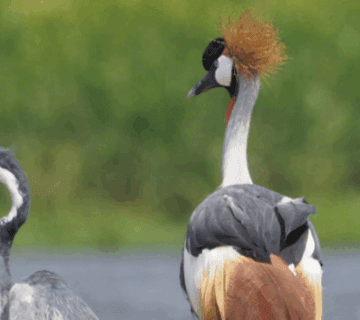
Birding in Kibale National Park.
The second most popular activity among safari visitors in Kibale National Park is birdwatching. Because it is home to the greatest number of monkey species and birders’ hoven, Kibale National Park is known as the primate capital of the world.
In spite of this, the park was established as a national park in 1993 with the goal of safeguarding many wild chimpanzees and other small primate species. Furthermore, the park has been designated as an Important Bird Area, allowing birdwatchers to witness a variety of bird species.
With over 350 bird species, including six indigenous to the area, Kibale National Park is a birder’s dream. In addition to the 138 bird species that visitors can observe, birdwatching is possible on the park’s several nature routes through Kibale Forest and the Bigodi Wetland Sanctuary.
The following are some of the bird species found in Kibale National Park:
Kingfisher with a blue breast, Cisticola by Chubb, African Black-headed Oriole, African Emerald Cuckoo, African Green-pigeon, Black-capped Waxbill, Ash flycatcher, Barn swallow, Alpine swift, African wood owl, Black-crowned Tchagra, Papyrus canary, Papyrus gonolek, Cameroon Sombre greenbul, Olive with a white collar, The most sought-after African pitta, Abyssinian ground thrush, and green-breasted pitta Dark crimsoning, Crowned Eagle, Collared Apalis, Among the bird species observed were the blue-breasted kingfisher, yellow-rumped tinker bird, and brown-chested alethe.
The blue-headed bee-eater, Nahan’s francolin, masked apalis, and Cassin’s spine tail are four bird species that are unique to Uganda National Parks. Join the migratory bird species that often come here from November to April.
Travelers have a fantastic opportunity to see a variety of birds during a guided woodland walk, which is generally one of the finest ways to observe birds in Kibale woodland National Park. Bigodi Wetland Sanctuary, a community enterprise, is the park’s greatest place to go birdwatching. Skilled local guides lead visitors on a four-hour walking track where they may look for a variety of bird species.
The ideal times of day to go bird watching in Kibale National Park are in the morning and evening. The best time to go bird watching is in the morning, which begins at 7 am at the Kanyanchu Visitor Center and is led by a knowledgeable bird guide. With the assistance of an experienced guide who is aware of the best bird-spotting trails, the birders are assured of seeing a variety of bird species.
With over 1099 bird species that may be seen in several national parks, reserves, wetlands, and savannah grassland, among other places, Uganda is generally one of the best places in the world to go bird watching. Mabamba Bay Wetland, Budongo Forest in Murchison Falls National Park, Bwindi Forest National Park, Lake Mburo National Park, Entebbe Botanical Gardens, and Semuliki National Reserves are a some of the top birdwatching destinations, along with Kibale Forest National Park.
The ideal season to go birdwatching at Kibale National Park
In Kibale, birdwatching is possible all year round. However, the greatest time to go bird watching in Kibale is during the rainy season, which runs from March to May and from September to November. During this period, the park offers a variety of food.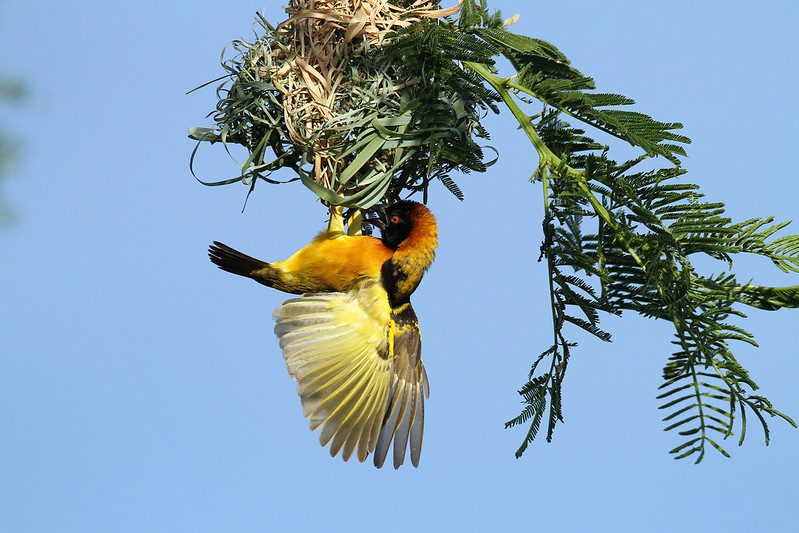
What should I bring to Kibale National Park for a birdwatching trip?
To make your birding tours unforgettable, you must bring a number of essentials, such as a mineral water bottle, insect repellent, sunglasses, a pair of binoculars, a field bag and field clothes, a guided birding book, a hat, a poncho, a sweater, a rain jacket, hand gloves, and many more.
Accessing Kibale National Park
Kibale National Park is accessible by air and vehicle.
By vehicle
After traveling 300 kilometers from Kampala to Fort Portal, visitors reach the park. It’s a lovely, enjoyable road trip that takes roughly five to six hours to complete.
By Air
Entebbe International Airport serves as the airport for flights to Nyakisharara or Kasese airports in Mbarara. The tourist landing takes one hour and twenty minutes, after which the driver guide will pick you up and put you off at the lodge.
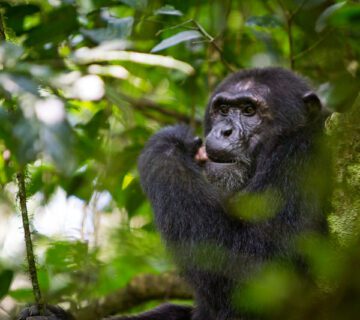
In addition to having the greatest monkey population in East Africa, Kibale National Park is a true birdwatching hotspot. However, the majority of visitors come to the park only to hike chimpanzees, unaware that they can also combine birdwatching with chimpanzee trekking or a habituation experience.
The daily cost of chimpanzee trekking is $200, while the cost of chimpanzee habituation is $250 per person each track. Other primates that can be seen in Kibale National Park are Guereza colobus, Olive Baboons, L’hoests, Red-tailed Monkeys, and Grey-checked Mangabeys.
We suggest that you contact reliable tour operators for assistance in booking birding safaris if you would want further information on organizing a safari in Uganda.
Why Bigodi Wetland Sanctuary Genuinely Offers a Community-Run Alternative Worth Prioritizing
Since this sanctuary genuinely operates as a community enterprise rather than a standard park facility, birding here genuinely combines strong sighting opportunities with direct economic benefit to the local community, adding a dimension of impact that a purely park-run walk wouldn’t provide. All in Africa Safaris can arrange a guided walk through Bigodi Wetland Sanctuary.
How the Green-Breasted Pitta’s Reputation Genuinely Draws Serious Birders From Around the World
Since this species genuinely ranks among the most sought-after sightings for dedicated birders globally, its presence in Kibale genuinely elevates the park’s status well beyond a general wildlife destination into a genuine pilgrimage site for serious birding enthusiasts.
Why Combining Chimpanzee Trekking With Birdwatching Genuinely Maximizes a Kibale Visit
Since most visitors genuinely arrive focused solely on chimpanzee tracking, travelers who build in dedicated birding time genuinely unlock a second, equally rich dimension of the park that the majority of guests overlook entirely. All in Africa Safaris can combine chimpanzee trekking with a dedicated birdwatching excursion in Kibale.
How the Migratory Season From November to April Genuinely Adds Species Diversity Beyond the Resident List
Since migratory birds genuinely supplement Kibale’s already substantial resident population during this window, travelers visiting within this period genuinely have the chance to spot species that simply aren’t present the rest of the year.
Why the Four Uganda-Endemic Species Genuinely Make Kibale a Must-Visit for Serious Birding Life Lists
Since the blue-headed bee-eater, Nahan’s francolin, masked apalis, and Cassin’s spine tail genuinely can’t be reliably found outside Uganda, dedicated birders genuinely treat a Kibale visit as essential for completing a broader East African birding checklist. All in Africa Safaris can plan your birding itinerary around Uganda’s endemic species.
How the 7 AM Kanyanchu Start Time Genuinely Aligns With Peak Bird Activity
Since birds genuinely feed most actively in the cooler early morning hours, starting at this specific time genuinely maximizes sighting opportunities compared to a later or more casual start, making the early wake-up genuinely worth the effort.
Why Choosing the Rainy Season for Birding Genuinely Runs Counter to Typical Safari Season Advice
Unlike game drives, which genuinely favor the dry season, birding genuinely peaks during March-to-May and September-to-November when food is abundant, meaning birders genuinely benefit from planning around a different seasonal calendar than typical wildlife-focused travelers. All in Africa Safaris can time your Kibale birding trip to the optimal rainy-season window.
How Kibale’s Position Within Uganda’s Broader Birding Circuit Genuinely Rewards Multi-Park Itineraries
Since Uganda genuinely hosts over 1,099 bird species across multiple destinations like Mabamba Bay and Bwindi, travelers who combine Kibale with other birding hotspots genuinely build a far more complete picture of the country’s exceptional avian diversity.
Why Proper Field Gear Genuinely Determines How Much a Birding Walk Actually Delivers
Since spotting distant or camouflaged species genuinely depends on quality binoculars and appropriate clothing, arriving properly equipped genuinely makes the difference between a frustrating walk and one filled with confirmed sightings. All in Africa Safaris can advise on essential gear for a Kibale birding excursion.
How Chimpanzee Habituation Experiences Genuinely Offer Extra Time to Notice Bird Activity Along the Way
Since habituation treks genuinely run longer than standard chimp tracking, the extended time in the forest genuinely gives attentive visitors more opportunities to spot birds moving through the canopy than the shorter standard trekking option allows. All in Africa Safaris can combine a chimpanzee habituation experience with extended birding opportunities.
Why Kibale’s Primate Capital Status Genuinely Complements Rather Than Competes With Its Birding Appeal
Since the same dense forest habitat genuinely supports both exceptional primate density and rich bird diversity, visitors genuinely don’t have to choose between the two, the ecosystem’s richness genuinely rewards attention to both categories of wildlife simultaneously.
Why Bringing a Field Guide Book Genuinely Helps Travelers Identify and Remember Rare Sightings
Since Kibale genuinely hosts such an extensive species list, carrying a dedicated birding field guide genuinely helps visitors confirm identifications on the spot and build a lasting personal record of what they’ve seen, rather than relying purely on memory afterward.
Planning Your Kibale National Park Birding Adventure
From the elusive green-breasted pitta to Uganda’s endemic species, genuinely Kibale offers one of East Africa’s premier birdwatching experiences. All in Africa Safaris can turn this overview into a fully confirmed itinerary tailored to your travel dates.