
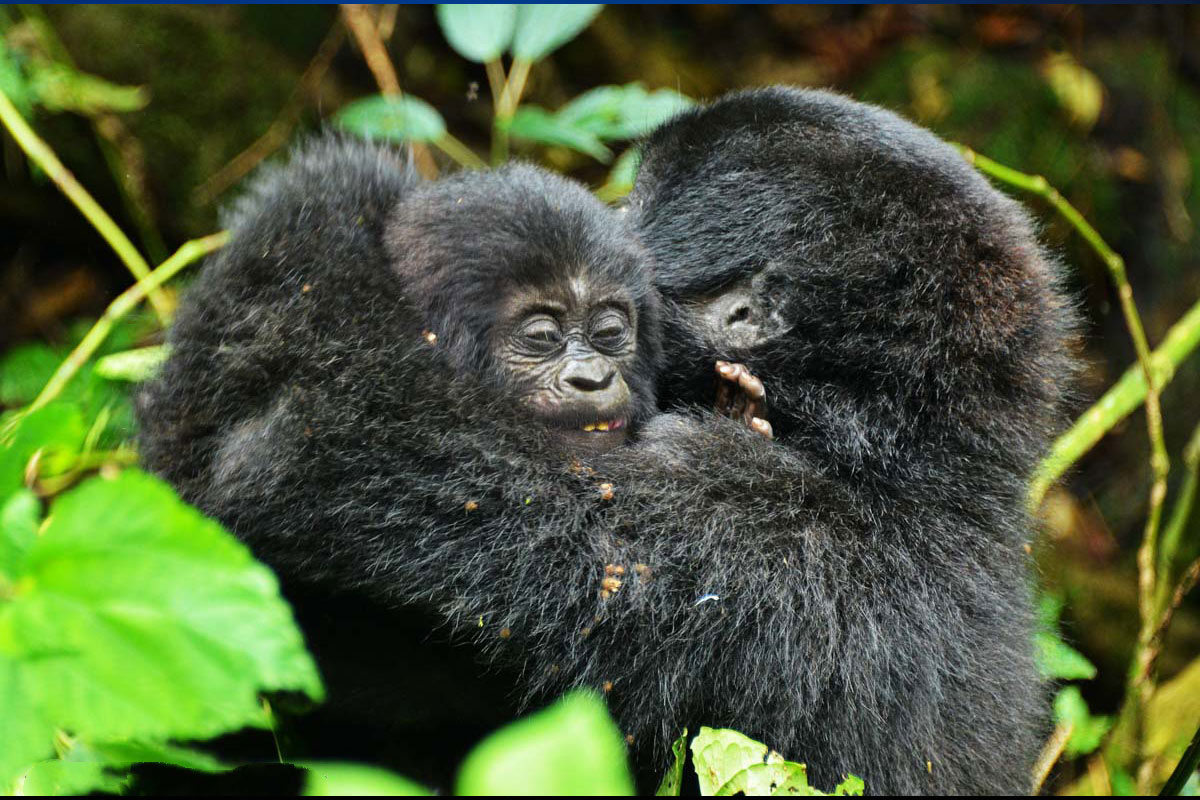
Best Months for Gorilla Trekking Beyond the Usual Dry Season Advice
Gorilla trekking in Uganda and Rwanda is often recommended during the dry seasons, particularly from June to September and from December to February. These months generally offer firmer trails, less rain and more comfortable walking conditions. However, choosing a gorilla trekking date based only on dry-season advice can mean missing opportunities to enjoy quieter forests, greener landscapes, greater flexibility with accommodation and, in some cases, lower travel costs.
The best month for gorilla trekking depends on more than the weather. Your budget, fitness level, preferred destination, travel dates, accommodation requirements and plans for the rest of your holiday all influence the decision. A traveller who wants the easiest possible hike may prefer the middle of the dry season. Someone who values fewer visitors and does not mind muddy trails may find the wetter months more rewarding.
Mountain gorillas live in high-altitude forests, where weather can change quickly throughout the year. Even during a relatively dry month, mist and rain can appear during a trek. Conversely, a rainy-season morning may provide several hours of suitable walking conditions. The seasonal calendar is useful for planning, but it cannot predict the weather on a particular trekking day.
Uganda’s Bwindi Impenetrable National Park and Mgahinga Gorilla National Park, together with Rwanda’s Volcanoes National Park, offer opportunities to see habituated mountain gorilla families throughout the year. The animals do not disappear during the rainy season, and trekking is not limited to the months traditionally promoted as the best time to visit.
Understanding the advantages and disadvantages of each period can help you choose dates that fit your priorities rather than following the same recommendation as every other traveller.
Why the Dry Season Is Not Always the Best Choice
The dry season remains an excellent option for many visitors. Trails are generally less slippery, walking can be more comfortable and the likelihood of prolonged rainfall may be lower. These conditions are particularly helpful for travellers who have limited hiking experience, are visiting with older family members or want to combine gorilla trekking with a busy itinerary.
However, dry-season popularity creates its own challenges. June, July and August are especially busy in many parts of East Africa, while the Christmas and New Year period can also attract substantial demand. Gorilla permits are limited by the number of visitors allowed to see each habituated family, and preferred trekking dates can become difficult to secure.
Accommodation near the parks may also be more expensive during popular travel periods. Travellers who wait until their flights are booked before checking permit availability can find that the dates they need are no longer available. Changing the itinerary at that stage may involve additional transport costs or unnecessary overnight stays.
The rainy season offers a different set of advantages. Visitor numbers are often lower, the forest becomes lush and green, and some lodges may offer more favourable rates. Flexible travellers can sometimes find permits more easily, although availability still needs to be confirmed for the exact dates.
The trade-off is the terrain. Wet trails can be muddy, steep slopes become more difficult to navigate and rain protection becomes essential. The right choice depends on whether easier walking or a quieter, potentially better-value experience matters more to you.
March: A Good Month for Flexible Travellers
March marks the transition towards the wetter part of the year in many gorilla trekking areas. Conditions vary between Uganda and Rwanda and can also differ from one week to another. Some days may be suitable for comfortable trekking, while others bring persistent rain or muddy sections of trail.
For travellers who can adjust their dates, March can offer a useful alternative to the busiest dry-season months. Visitor demand may begin to ease, and the forests develop a fresh green appearance as rainfall increases. This creates attractive conditions for nature lovers and photographers who enjoy capturing the forest environment alongside the gorillas.
The main consideration is flexibility. A March itinerary should allow enough time for road transfers, check-in arrangements and changes caused by weather. If your holiday includes several national parks, avoid planning every activity so tightly that a delayed transfer affects the entire trip.
March can suit experienced hikers and travellers who are comfortable walking on uneven ground. First-time trekkers can also visit during this period, provided they understand the physical demands and prepare appropriately. Good boots, waterproof clothing and a willingness to accept changing conditions are more useful than relying on a forecast several months before departure.
April: For Travellers Who Do Not Mind Muddy Trails
April is commonly one of the wettest months in the gorilla trekking regions of Uganda and Rwanda. Rain can make the forest trails slippery, particularly on steep slopes where exposed roots, soft soil and wet vegetation complicate the walk. A trek that might feel manageable under dry conditions can require more effort after heavy rainfall.
Yet April has advantages for visitors who are prepared for the conditions. The forests are often intensely green, streams and vegetation reflect the wet season, and fewer tourists may be travelling compared with the busiest dry-season periods. This can create a more peaceful atmosphere around some lodges and trekking areas.
Travellers should not confuse fewer visitors with an easier trek. The number of people on a trail does not determine its difficulty, and wet ground can make the hike physically demanding regardless of experience. Anyone with concerns about balance, knee problems or walking on steep terrain should discuss their needs with a qualified medical professional and the tour operator before choosing this month.
April can be suitable for budget-conscious travellers, but the overall saving depends on the destination and the specific services included. Lower accommodation rates do not automatically mean that every part of a safari is cheaper. Transport, park charges and gorilla permits must be checked separately, using current official rates and conditions.
For visitors who value lush scenery and can tolerate wet weather, April can still provide a rewarding encounter with mountain gorillas.
May: Green Forests and Potential Value
May usually remains part of the rainy season, although the timing and intensity of rainfall vary. Some periods are very wet, while others offer improving conditions as the month progresses. Travellers should avoid assuming that the final weeks will be dry or that the first weeks will necessarily be difficult.
The forest environment is one of May’s attractions. Fresh vegetation creates rich colours, and the surrounding hills can appear particularly dramatic when mist moves between the slopes. Photographers may appreciate the atmosphere, although cloudy conditions and rain can affect light, camera equipment and visibility.
May can also appeal to visitors looking for greater flexibility in their booking arrangements. Demand may be lower than during the peak dry season, which can improve the chances of finding suitable accommodation. The actual availability of permits and rooms depends on the park, trekking date and property selected, so confirmation is still necessary before making non-refundable travel arrangements.
A practical May itinerary should include appropriate clothing and enough time for the journey between destinations. Roads leading to remote forest areas can be affected by rain, and the final approach to a lodge may take longer than expected. A well-planned route reduces the pressure to rush and leaves more room to enjoy the experience.
For travellers who are comfortable with changing weather, May can offer a useful balance between green-season scenery, potentially quieter surroundings and flexible travel planning.
June: The Beginning of the Popular Dry-Season Window
June is often a strong month for gorilla trekking because conditions generally become drier in many trekking areas. Trails may be firmer, and visitors often find walking more comfortable than during the wettest weeks. The weather is still variable, however, and rain remains possible in high-altitude forests.
June is particularly useful for travellers who want to combine gorilla trekking with other wildlife experiences in Uganda or Rwanda. In Uganda, an itinerary may include Bwindi or Mgahinga alongside Queen Elizabeth National Park, Kibale Forest or other destinations, depending on the available time. Rwanda visitors may combine Volcanoes National Park with Nyungwe Forest National Park or Akagera National Park.
The advantage of June is that it can offer good trekking conditions before the busiest part of the mid-year travel period reaches its height. Demand is still substantial, so travellers with fixed dates should arrange permits and accommodation well in advance.
June is not necessarily quieter or cheaper than every other month. Prices depend on the specific lodge, travel dates, room category and booking conditions. The best approach is to compare complete safari quotations rather than assuming that a particular month automatically offers the lowest rate.
For visitors seeking a practical balance between trail conditions and a wider East African itinerary, June is worth considering.
September: A Useful Alternative to the Peak of July and August
September can be an attractive month for gorilla trekking, particularly for travellers who want to benefit from the long dry-season period while avoiding some of the intense demand associated with the middle of the year. Conditions often remain favourable for walking, although rainfall patterns differ between locations and can begin to change as the month progresses.
One advantage of September is the opportunity to combine gorilla trekking with other experiences without building the entire holiday around the busiest school-holiday weeks. Depending on the route, visitors can include wildlife viewing, birdwatching, cultural activities and scenic drives.
In Rwanda, September is also associated with Kwita Izina, the annual gorilla naming ceremony. The event attracts visitors and conservation stakeholders, so travellers considering a trip around the ceremony should check the official event dates and arrange permits and accommodation early. It is a special cultural and conservation occasion, but it can also increase demand in the region.
September is not guaranteed to be quiet. Its popularity, local events and changing travel patterns can affect accommodation availability. Nevertheless, it is a useful option for visitors who want relatively favourable trekking conditions without automatically choosing July or August.
October: A Shoulder Month Worth Considering
October often marks the return of the short rains in Uganda and Rwanda. The timing varies, and some trekking days may remain relatively dry while others experience regular showers. This uncertainty is one reason October is often overlooked by travellers who prefer a predictable itinerary.
For flexible visitors, however, October can be a worthwhile choice. The forests begin to regain their lush appearance, and visitor numbers may be lower than during the main dry-season peak. Accommodation availability can also be more favourable, depending on the destination and dates.
The key is to plan realistically. Waterproof clothing, good hiking boots and a spare set of dry clothes are essential. A private vehicle can provide flexibility when moving between parks, while an itinerary with sufficient overnight stops helps reduce the effect of changing road conditions.
October can work well for travellers interested in a combined gorilla and wildlife safari. In Uganda, the itinerary may include a savannah park before or after Bwindi, while Rwanda visitors can combine Volcanoes National Park with other parts of the country. The final route should reflect the time available and the condition of the roads, rather than trying to include every major destination.
November: For Travellers Prioritising Flexibility and Quiet Surroundings
November is often associated with the short rainy season in gorilla trekking regions. Rainfall can make trails slippery and increase the physical effort required, but the month can also appeal to travellers who prefer a quieter travel environment.
The lower demand associated with some rainy-season periods may make it easier to find accommodation and suitable travel dates. However, this should never be treated as a guarantee. Particular gorilla families, lodges and travel dates may still be in demand, and last-minute availability can vary significantly.
November is worth considering if you have flexible dates and are comfortable with wet conditions. It can be especially appealing to nature enthusiasts who enjoy the forest itself rather than treating the gorilla encounter as the only reason for visiting. The vegetation, birdlife, mist and changing light can all contribute to the experience.
Before choosing November, ask your operator about the expected transfer times, accommodation access and the physical demands of the trekking sector being considered. The condition of trails and roads can vary, and local knowledge is more useful than a general statement that the entire country is either wet or dry.
December: A Month With Two Different Travel Experiences
December is not uniform throughout the month. Early December may offer a different combination of weather and availability from the Christmas and New Year period, when international travel demand often increases.
The month is part of the shorter dry-season window in many areas, making it attractive to visitors who want relatively favourable trekking conditions. However, the forest can still receive rain, and the steep terrain means that waterproof clothing remains important.
The festive period can bring increased demand for gorilla permits, flights, vehicles and accommodation. Families and travellers working around school holidays should secure permits before making assumptions about the rest of the itinerary. Leaving the gorilla permit until the final stage of planning can make the trip more expensive or force a change of dates.
Early December may provide more flexibility than the busiest holiday dates, depending on availability. If your schedule allows, compare several departure dates and ask about accommodation rates before deciding.
December is a good example of why a month should not be judged as a single block. The best choice depends on the exact travel week, the park you plan to visit and how much flexibility you have.
Uganda or Rwanda: Which Destination Works Best Outside the Dry Season?
Both Uganda and Rwanda offer year-round mountain gorilla trekking, but the wider travel experience differs. Your choice should account for the permit budget, trekking location, preferred accommodation, travel time and the activities you want to combine with gorillas.
Gorilla Trekking in Uganda
Uganda offers mountain gorilla trekking in Bwindi Impenetrable National Park and Mgahinga Gorilla National Park. Bwindi has several trekking sectors, including Buhoma, Ruhija, Rushaga and Nkuringo. Each has different accommodation options, access routes and trekking characteristics.
The sector matters because Bwindi is a large, mountainous forest rather than one small trekking area. A lodge near Buhoma may not be conveniently located for a trek booked in Rushaga. Travellers should confirm the assigned sector and arrange accommodation accordingly instead of choosing a lodge based only on its advertised distance from Bwindi.
Uganda can be especially suitable for visitors who want to combine gorilla trekking with a longer wildlife itinerary. Queen Elizabeth National Park offers savannah game drives and boat-based wildlife viewing, while Kibale Forest is known for chimpanzee trekking. Depending on the route and time available, visitors may also explore other national parks, lakes and cultural destinations.
During wetter months, the potential advantage of lower demand should be weighed against the longer road journeys and variable access conditions that can affect some remote areas. A well-planned itinerary should allow enough time to reach the correct trekking sector without rushing.
Gorilla Trekking in Rwanda
Rwanda’s mountain gorilla trekking takes place in Volcanoes National Park in the north of the country. The park is part of the Virunga volcanic landscape and is known for its forested mountain slopes and dramatic scenery.
One practical advantage is that the journey from Kigali to the Volcanoes National Park area is relatively short compared with some road journeys to Uganda’s more remote trekking sectors. This can make Rwanda attractive to visitors with limited time who want to focus on gorilla trekking without spending several days travelling between destinations.
Rwanda also offers options for combining gorilla trekking with other experiences, including chimpanzee trekking and canopy activities in Nyungwe Forest, wildlife viewing in Akagera National Park and cultural visits. The feasibility of these additions depends on the total number of days available.
The permit price and any seasonal promotions should be verified directly with the relevant official authority before booking. Rwanda’s standard international gorilla permit has historically been more expensive than Uganda’s, and any advertised low-season offer may have specific eligibility requirements. Do not assume a discount applies simply because you are travelling during a rainy month.
Does the Rainy Season Reduce Your Chances of Seeing Gorillas?
Rain can make the trek harder, but it does not mean the gorillas are absent. Mountain gorillas live in these forest environments throughout the year, and habituated groups are monitored by experienced trackers. The main seasonal difference for visitors is usually the condition of the trails, the weather during the walk and the overall comfort of the experience.
Gorilla trekking is a wildlife activity, not a fixed indoor appointment. The time required to locate a family depends on its movements, the terrain and the route taken by the trackers. Some groups may be reached after a relatively short walk, while others require a much longer hike. No operator can guarantee a particular trekking duration or the exact physical difficulty of the route.
Rain may also affect photography. Water on the lens, low light, mist and dense vegetation can make it harder to capture clear images. On the other hand, wet leaves, rich green colours and soft forest light can create atmospheric photographs when conditions cooperate.
The best preparation is to accept that the forest is naturally wet, even in the drier months. Carry waterproof layers, protect your camera and phone, use footwear with good grip and follow the guide’s instructions. Being prepared for rain is more reliable than trying to identify a month when it cannot happen.
How to Choose the Best Month for Your Fitness Level
Fitness is an important consideration because gorilla trekking takes place in mountainous forest terrain. The walk may involve steep climbs, descents, slippery roots, thick vegetation and uneven ground. The level of difficulty varies according to the gorilla family’s location and the route selected by the trackers.
Travellers who prefer firmer trails may find the drier periods more comfortable. June to September and December to February are commonly recommended for this reason, although conditions still vary. Visitors who are less confident on steep ground should discuss their concerns with the operator well before travel.
The rainy season does not automatically exclude people with moderate fitness, but it can increase the effort needed to maintain balance and negotiate muddy slopes. Good preparation includes regular walking, gentle hill training where possible and practising with the footwear intended for the trek.
If you have a mobility limitation, an injury or a health concern that could affect strenuous walking, discuss the activity with a qualified healthcare professional and the park or tour operator before booking. Do not assume that every gorilla family is reached by an easy route. Ask what support arrangements are available and whether any accessibility options are officially offered for your chosen park.
Porters are available in many trekking areas and can help carry daypacks or provide support on difficult sections. Hiring a porter can also provide local employment. However, porter assistance does not remove the need to be able to complete the trek safely.
Budget Considerations Beyond the Permit Price
The total cost of gorilla trekking involves more than the permit. Accommodation, transport, meals, guide services, park fees, domestic flights where applicable and the number of days spent in the region all affect the final price.
The rainy season may provide opportunities to reduce some costs, especially when accommodation providers offer lower rates during quieter periods. However, permit discounts are not universal and should never be assumed. Uganda and Rwanda have different permit policies, and rates or promotional conditions can change. Confirm current prices with the relevant wildlife authority before paying.
A shorter itinerary can sometimes reduce overall spending, but cutting out necessary overnight stops may lead to tiring journeys and a less comfortable experience. For example, choosing a low-cost lodge far from the booked trekking sector may require an early departure or a longer transfer. The saving may not be worthwhile if it reduces rest time or makes the trekking morning more stressful.
Travellers should request a clear quotation that identifies what is included. Confirm whether the permit is included and who is responsible for obtaining it, as well as whether accommodation, meals, vehicle costs, park charges and airport transfers are covered. Check payment deadlines, cancellation conditions and the refund policy for each service.
The best-value month is therefore not necessarily the wettest month or the one with the lowest advertised room rate. It is the period when the overall cost, trail conditions, availability and travel arrangements fit your needs.
What to Pack When Trekking Outside the Dry Season
A rainy-season gorilla trek requires clothing and equipment that protect you from water, mud and changing temperatures. A waterproof jacket and trousers can be useful, although breathable layers are important because climbing in humid conditions can become warm. Wear long trousers and long-sleeved clothing to help protect your skin from vegetation and insects.
Sturdy hiking boots with good grip are essential. They should be comfortable, properly fitted and broken in before the trip. New boots can cause blisters, especially on long or steep walks. Gaiters may help prevent mud and vegetation from entering your boots, while trekking poles can provide extra stability where permitted and practical.
Bring gardening-style gloves or durable lightweight gloves if you want protection when holding vegetation for balance. Follow your guide’s instructions about where to place your hands, since plants may have thorns and the forest floor can conceal unstable surfaces.
A waterproof cover for your daypack can protect snacks, documents and spare clothing. Keep electronics in sealed protective bags, and carry only the equipment you need during the trek. A small supply of drinking water and suitable energy snacks can be useful, subject to park rules and your guide’s advice.
A change of clothes is especially helpful after a wet trek. Leave it at the lodge or in the vehicle if the arrangements allow, so you can change after returning. Pack insect repellent, sunscreen and any personal medication you require. For health advice, consult a qualified travel-health provider well before departure.
How Far in Advance Should You Book?
Booking lead time depends on the season, group size, preferred trekking date and accommodation category. During popular dry-season periods, permits and well-located lodges can become limited several months ahead. Travellers planning for July, August, Christmas or New Year should avoid leaving the permit until the last minute.
Wetter months may offer greater flexibility, but this is not a reason to assume that every date will remain available. A particular lodge or trekking sector may have limited capacity even when overall visitor demand is lower. Groups travelling together should be especially careful because several permits need to be available for the same date.
The safest sequence is to choose the destination and approximate dates, check permit availability, confirm accommodation and transport arrangements, and then finalise flights in line with the booking conditions. If your dates are fixed, build the trip around the confirmed permit rather than expecting the permit to fit a fully booked itinerary.
Ask your operator to explain the cancellation and amendment rules before making payment. A change of date may affect accommodation, flights and ground transport even if a permit can be amended under the applicable rules.
The Best Month Depends on the Experience You Want
There is no single month that suits every gorilla trekking traveller. The drier periods from June to September and December to February generally offer firmer trails and are often the easiest starting point for first-time visitors. September and some shoulder-season dates can be attractive for travellers seeking a balance between walking conditions and availability, although actual weather and demand vary.
March, April and May can suit visitors who prefer green landscapes, quieter surroundings and the possibility of lower accommodation costs. October and November offer similar opportunities during the short rains, provided travellers prepare for mud and remain flexible about weather conditions. December requires particular attention to dates because early-month travel can differ from the busy festive period.
For Uganda, consider the trekking sector and how it fits into the rest of your safari. For Rwanda, weigh the permit budget, access to Volcanoes National Park and any additional destinations you want to include. In both countries, confirm the current permit rate and availability before booking non-refundable travel.
Most importantly, do not choose a month solely because it is labelled the best season. Choose it because the expected trail conditions, cost, crowd levels and wider itinerary match your priorities. Mountain gorilla trekking can be rewarding throughout the year, and careful preparation is often more valuable than trying to find a month with perfect weather.







No comment