
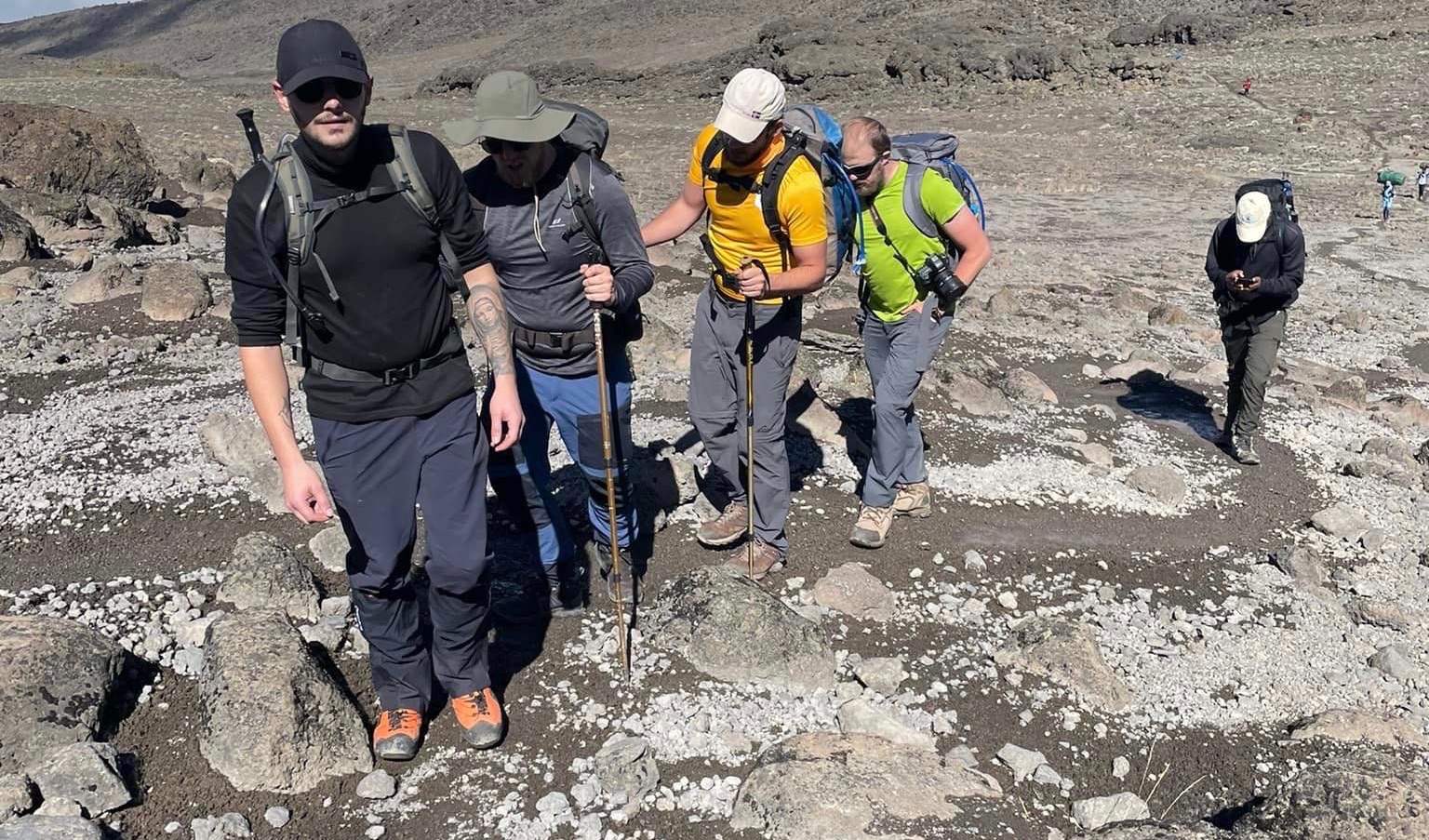
Best Months to Climb Kilimanjaro, Mount Kenya and the Rwenzori
Climbing Mount Kilimanjaro, Mount Kenya and the Rwenzori Mountains offers three very different mountain experiences in East Africa. Kilimanjaro attracts trekkers who want to reach the highest point in Africa, Mount Kenya combines dramatic alpine scenery with trekking and technical climbing routes, while the Rwenzori Mountains are famous for their mist-covered valleys, giant groundsels, glaciers and challenging wet terrain.
Choosing the right month can make a major difference to the experience. Weather affects trail conditions, visibility, summit attempts, camping comfort and the amount of time spent walking through rain or cloud. However, there is no single month that guarantees perfect conditions on all three mountains. Each has its own rainfall patterns, elevation zones and seasonal challenges.
For Kilimanjaro, January and February, followed by June to October, are generally the preferred climbing periods. Mount Kenya is often best during January and February or August and September, depending on the route and whether you plan to trek or undertake technical climbing. The Rwenzori Mountains generally offer more favourable conditions during the drier periods around December to early March and June to September, although rain and mist can occur at any time.
The best choice also depends on your priorities. If you want clearer summit views, aim for a relatively dry period. If you prefer quieter trails and do not mind difficult weather, shoulder seasons may be worth considering. Technical climbers must also consider snow, ice and rock conditions, while trekkers need to think about mud, stream crossings and the difficulty of walking at altitude.
Understanding these differences helps you choose suitable dates, prepare the right equipment and build an itinerary that allows enough time for acclimatisation. It is especially important to avoid treating all three mountains as if they share the same climate simply because they are located in East Africa.
Understanding East Africa’s Mountain Seasons
East Africa lies close to the equator, but high mountains experience conditions that differ considerably from the surrounding lowlands. Rainfall, temperature and visibility can change sharply with elevation. A warm morning at the foot of a mountain may lead to freezing temperatures near the summit, and clear weather can turn into rain, wind or mist within a short period.
The region generally experiences periods of heavier and lighter rainfall, but the timing and intensity vary between locations. Kilimanjaro and Mount Kenya have relatively recognisable dry-season climbing windows. The Rwenzori Mountains, located along the Uganda and Democratic Republic of the Congo border, are particularly wet because of their geography and exposure to moisture.
The two main rainfall periods in many parts of Uganda and Kenya are commonly associated with the long rains around March to May and shorter rains around October or November. Tanzania’s seasonal patterns are not identical, and local mountain conditions can differ from those in nearby towns. These periods are useful planning guides rather than fixed rules.
Dry-season climbing usually provides firmer trails and better opportunities for distant views. Wet-season climbing can mean slippery ground, saturated clothing, cloud-covered peaks and more demanding river crossings. Nevertheless, dry weather does not eliminate the risks associated with altitude, cold or sudden storms.
For all three mountains, a suitable itinerary is just as important as the month. A longer climb with adequate acclimatisation is generally preferable to a rushed ascent. Weather may influence your chances of enjoying the summit, but allowing your body enough time to adapt to altitude is a central part of safe mountain travel.
Best Months to Climb Mount Kilimanjaro
Mount Kilimanjaro in Tanzania rises to 5,895 metres at Uhuru Peak, making it the highest mountain in Africa. Its popularity comes partly from the fact that trekkers can reach the summit without technical climbing skills under suitable conditions, although the altitude, cold and length of the journey make it a serious physical challenge.
Kilimanjaro can be climbed throughout the year, but the most popular periods are January to early March and June to October. These windows generally offer more favourable weather, clearer views and better trail conditions than the main rainy periods. Conditions still vary, and snow, wind, rain and freezing temperatures can occur in any season.
January and February: Clear Views and Good Trekking Conditions
January and February are among the most attractive months for climbing Kilimanjaro. The mountain often experiences relatively dry conditions, and mornings can provide excellent views across the surrounding plains. These months are particularly appealing to climbers who want a good balance between weather and the number of people on the main routes.
The lower forest sections can still receive rain, but conditions are often suitable for trekking. Higher up, the landscape changes from forest to moorland, alpine desert and the cold summit zone. Climbers need to prepare for these changes by carrying appropriate layers rather than assuming the warm conditions at the base will continue throughout the ascent.
February is often a particularly good choice for visitors who prefer warmer daytime conditions than those commonly experienced during the middle of the year. It can also provide opportunities to see snow and ice near the summit, depending on current conditions.
These months are popular, so travellers should arrange their climb early if they have fixed dates or a preferred route. The best itinerary is not necessarily the shortest. Allowing enough days for acclimatisation can improve your ability to cope with the altitude and gives you a more measured ascent.
March: A Transition Towards the Long Rains
March can provide good climbing conditions, particularly during the earlier part of the month. As the season progresses, rainfall may become more frequent, making conditions less predictable. The transition does not happen on the same date every year, so climbers should discuss current conditions with their operator before selecting a departure.
Visitors who climb in March should be prepared for both dry spells and wet weather. The forest trails may become muddy, while cloud can reduce visibility around the upper slopes. These conditions do not necessarily prevent a climb, but they can make the experience less comfortable.
If you have flexibility, early March is generally a more attractive option than planning around the peak of the long rains. If your dates fall later in the month, ask about route suitability, equipment requirements and whether the proposed itinerary allows enough flexibility for weather changes.
April and May: The Wettest Period
April and May are generally the least favourable months for a conventional Kilimanjaro trek because of the long rains. The lower slopes can become wet and muddy, cloud often affects visibility, and rain can make the ascent more demanding. At higher elevations, precipitation may fall as snow or ice, adding to the challenge.
These months may appeal to experienced trekkers who want fewer people on the mountain and are comfortable with difficult conditions. However, quiet trails should not be mistaken for easy climbing. Wet clothing, slippery ground and limited visibility can make an already demanding journey harder.
Travellers planning a first Kilimanjaro ascent are usually better served by choosing one of the more reliable dry-season windows. If you must travel during April or May, use a reputable operator with experienced mountain guides, appropriate equipment and a realistic plan for changing conditions.
June to August: The Main Dry-Season Climbing Window
June marks the beginning of the longer dry-season period, and conditions generally become more favourable as the season develops. July and August are among the busiest months on Kilimanjaro because many international visitors travel during school holidays and the mountain often offers good trekking conditions.
Trails are usually firmer than during the long rains, and visibility can be excellent. However, temperatures at altitude can be extremely cold, particularly during the final ascent to Uhuru Peak. Climbers need insulated clothing, suitable gloves, a warm hat and a sleeping system appropriate for the expected conditions.
The popularity of July and August means that camps and routes can feel busy. If you prefer a quieter experience, consider a different part of the dry season or discuss route choices with your operator. Less crowded routes may offer a different atmosphere, but the best choice should also reflect acclimatisation, logistics and the time available.
September and October: A Strong Choice for Many Climbers
September is often one of the best months for climbers who want favourable weather without travelling during the busiest part of the peak season. Conditions commonly remain dry, and the reduction in holiday traffic after August can make the mountain feel less crowded.
October can also be an excellent month, especially during its earlier weeks. Later in the month, the short rains may begin to affect conditions, although their timing and intensity vary. Climbers should avoid assuming that the entire month will remain dry.
For many travellers, September offers a practical balance between trail conditions, visibility and crowd levels. October suits people with flexible dates who are willing to accept some weather uncertainty in exchange for the possibility of quieter routes.
November and December: Short Rains and Festive Travel
November is associated with the short rains in many parts of northern Tanzania. Showers can make trails wet, and cloud may affect views, but the conditions are not necessarily poor throughout the month. Some climbs proceed in reasonable weather, while others encounter prolonged rain.
December can be more favourable as the month progresses, although rainfall remains possible. The Christmas and New Year period attracts many visitors, so accommodation, transfers and climbing departures may be in high demand.
Travellers planning a December climb should distinguish between early-month dates and the festive period. Confirm the itinerary, route, accommodation and equipment arrangements before booking flights. Regardless of the season, select an itinerary that provides adequate acclimatisation rather than choosing a short climb solely because it costs less.
Best Months to Climb Mount Kenya
Mount Kenya is Africa’s second-highest mountain, with Batian reaching 5,199 metres and Nelion reaching 5,188 metres. Point Lenana, at 4,985 metres, is the main summit objective for trekkers who want a high-altitude mountain experience without undertaking technical rock climbing.
The best time to climb Mount Kenya depends on which summit you want to reach. January and February generally offer favourable trekking conditions, while the period from July to September is another strong option. October can also be suitable, particularly earlier in the month, although rainfall may increase as the short-rain season approaches.
Unlike Kilimanjaro, where most trekkers follow routes towards one main summit, Mount Kenya offers different climbing objectives that require more careful seasonal planning. The direction of the route and the condition of the rock or ice can be particularly important for technical ascents.
January and February: Clear Mornings and Good Trekking Conditions
January and February are among the most favourable months for trekking to Point Lenana. The weather is often relatively dry, trails can be easier to navigate and clear mornings may provide excellent views of the mountain’s rugged peaks, alpine lakes and surrounding landscape.
These months also suit travellers who want to explore Mount Kenya’s different vegetation zones. The lower slopes contain montane forest and bamboo, while higher elevations reveal open moorland, unusual giant lobelias and groundsels, rocky valleys and alpine terrain.
For trekkers, the main advantage is the opportunity to enjoy the scenery with a lower likelihood of prolonged rainfall than during the main wet seasons. However, temperatures drop considerably at higher elevations, and frost is possible around high camps. Warm clothing and appropriate sleeping equipment remain essential.
January and February are also relevant to technical climbers targeting routes on the mountain’s southern side. Rock conditions can be more favourable during this period, but the precise route, current weather and the experience of the climbing team must determine whether an ascent is appropriate.
March: A Changing Weather Pattern
March is a transition month on Mount Kenya. Conditions can remain favourable during the earlier weeks, but rainfall often increases as the long-rain season approaches. The timing varies, so a climb in early March may encounter different conditions from one planned towards the end of the month.
For Point Lenana trekkers, March can still be a reasonable choice if the itinerary is flexible and the operator monitors local conditions. The main concern is the possibility of muddy trails, reduced visibility and rain during exposed sections of the ascent.
Technical climbing requires even greater care. Wet rock, changing temperatures and ice can affect route safety, particularly on exposed sections where reliable protection and good judgement are essential.
If you are planning a March climb, confirm the expected conditions for your chosen route and allow sufficient time for the expedition. Avoid selecting an itinerary that leaves no room to adjust the summit attempt if the weather deteriorates.
April and May: The Long Rains
April and May are generally challenging months for Mount Kenya. Heavy rainfall can make forest trails muddy, increase the difficulty of stream crossings and obscure the upper peaks. The combination of wet ground, cold temperatures and poor visibility can make a long mountain expedition uncomfortable.
The southern and southeastern slopes are particularly exposed to moisture, although conditions vary around the mountain. Some approaches may remain more manageable than others, but no route should be assumed to be safe simply because it lies on a different side.
Trekkers who must travel during these months should discuss alternative dates and route options with experienced local guides. Technical climbers should obtain a specific assessment of rock, snow and ice conditions rather than relying on general seasonal advice.
For most first-time visitors, choosing a drier month is the more practical decision. The potential benefit of quieter trails rarely outweighs the difficulties of prolonged rain if your main goal is to enjoy the scenery and reach Point Lenana comfortably.
June to September: A Reliable Window for Mountain Trekking
June marks the transition towards drier conditions, although the mountain may remain wet in some areas. July, August and September are generally favourable months for trekking to Point Lenana, with improved trail conditions and opportunities for clear summit views.
The weather at high altitude can be cold, particularly before sunrise. Trekkers commonly begin their final ascent to Point Lenana in darkness to reach the summit around sunrise. This requires warm layers, a headlamp, gloves and footwear suitable for cold, rocky ground.
The period is also important for technical climbers targeting Batian and Nelion. The preferred climbing window differs according to the face and route. Some northern-side routes are generally better suited to the middle of the year, when the rock is more likely to be dry. These climbs require specialist equipment, technical ability and a guide with relevant experience.
July and August may be busier than the shoulder months, especially on popular trekking routes and at established camps. September can offer an appealing balance between favourable weather and slightly reduced visitor pressure, although demand varies.
October to December: Conditions Become Less Predictable
October can be a good month for Mount Kenya, particularly during the first part of the month. As rainfall returns, trails may become wetter and visibility less consistent. November is commonly associated with the short rains, while December can bring a transition towards the drier January and February period.
A December trek may offer good conditions, but the exact dates matter. Early December and late December can have different weather patterns, and festive travel demand may affect accommodation and guide availability.
Travellers should be cautious about treating the short rains as a minor inconvenience. Wet rock can create serious hazards for technical climbers, while muddy trails can make trekking more tiring. If your dates fall during a transitional period, build flexibility into the itinerary and confirm current conditions before departure.
Best Months to Climb the Rwenzori Mountains
The Rwenzori Mountains, located along the Uganda and Democratic Republic of the Congo border, offer one of East Africa’s most distinctive high-altitude trekking experiences. Often called the Mountains of the Moon, the range is known for its dramatic valleys, dense montane forest, moss-covered trees, giant lobelias, groundsels, glaciers and rugged peaks.
The Rwenzoris differ from Kilimanjaro and Mount Kenya because they receive substantial rainfall throughout the year. Even during the relatively dry periods, mist, showers and wet ground are common. Choosing the right month can improve the experience, but visitors should expect a more humid and muddy environment than on many other East African mountain routes.
The generally preferred trekking windows are December to February and June to early September. These periods tend to provide better chances of relatively dry conditions, although weather can change quickly.
December to February: One of the Best Periods for Rwenzori Trekking
December, January and February are among the preferred months for climbing the Rwenzoris. Rainfall is often lower than during the main wet periods, making some sections of the route easier to navigate. Clearer conditions can also improve opportunities to see the mountain’s high peaks and distinctive alpine landscape.
The dry-season advantage is relative rather than absolute. The Rwenzoris are exceptionally wet compared with many other mountains, and trails can remain saturated even when rainfall decreases. Boggy ground, slippery roots, steep muddy slopes and stream crossings are part of the trekking experience.
This period can be suitable for travellers attempting the Central Circuit, longer mountain hikes or an expedition towards Margherita Peak, the highest summit in the range. The appropriate itinerary depends on fitness, experience, current route conditions and the availability of qualified guides.
For those hoping to reach Margherita Peak, choosing a favourable month is only one part of preparation. The route involves high-altitude terrain, cold conditions and sections that may require specialist mountaineering equipment and technical skills. A guide must assess current snow, ice and glacier conditions before the summit attempt.
June to August: The Main Mid-Year Window
June, July and August are another favourable period for trekking in the Rwenzoris. Rainfall is often reduced compared with the wetter months, and some routes become more manageable. These months are particularly attractive to travellers who want to explore the mountain’s vegetation zones, valleys and high-altitude scenery.
June can still bring wet conditions, especially during the transition from the earlier rainy period. July and August often provide better opportunities for trekking, although mist and showers remain possible.
The Rwenzoris are not mountains where visitors should expect consistently dry paths. Bog crossings and muddy sections can remain difficult, and the dense vegetation may hold moisture long after rainfall has stopped. Good waterproof boots, gaiters and reliable rain protection are essential.
The mid-year window can also suit travellers who want to combine a Rwenzori expedition with other Ugandan experiences. Depending on the available time, a trip may include wildlife viewing in Queen Elizabeth National Park, a visit to Kibale Forest for chimpanzee trekking or gorilla trekking in Bwindi. However, long transfers and the physical demands of mountain climbing should be considered before adding more destinations.
September and October: A Transition Worth Monitoring
September may still offer useful trekking conditions, particularly during its earlier weeks. As the season progresses, rainfall patterns can change and conditions become less predictable. October often marks a wetter transition in the region.
These months may appeal to experienced hikers who have flexible schedules and want to avoid the busiest periods. Nevertheless, the possibility of persistent rain, poor visibility and difficult trail conditions should be taken seriously.
For travellers planning a summit expedition, ask the operator about recent trail conditions, equipment requirements and the likelihood of changing the summit schedule. An itinerary that allows an additional day or some flexibility can be valuable if weather delays an ascent.
March to May and November: The More Challenging Periods
March, April and May are generally wetter months in the Rwenzori region, and November can also bring substantial rainfall. During these periods, muddy bogs, slippery rocks and swollen streams may make trekking more difficult.
These months do not automatically prevent a climb, but they require careful planning and a realistic understanding of the conditions. A trek that is physically manageable during a relatively dry spell may become much more demanding after sustained rain.
The Rwenzoris can still be attractive during wetter periods because the vegetation is lush and the forest atmosphere is dramatic. However, travellers should prioritise safety and comfort over the idea of securing a quieter mountain experience at any cost.
If your schedule is flexible, choose one of the usual drier windows. If you must travel during the wetter months, discuss the route, accommodation, equipment and contingency arrangements with an experienced local operator before committing.
Which Mountain Is Best for Your Travel Style?
Although Kilimanjaro, Mount Kenya and the Rwenzoris are all high mountains in East Africa, they suit different kinds of travellers. The best mountain for you depends on whether you want a non-technical summit trek, a technical alpine climb, a remote wilderness expedition or a challenging combination of these experiences.
Kilimanjaro is often the first choice for travellers whose main objective is reaching the highest point in Africa. Most routes do not require technical climbing skills, but the altitude makes the journey demanding. A suitable itinerary, experienced guides and adequate acclimatisation are essential.
Mount Kenya is a strong choice for trekkers who want dramatic alpine scenery and a choice of summit objectives. Point Lenana is the usual goal for non-technical trekking, while Batian and Nelion require technical climbing experience. The mountain can be particularly appealing to visitors who want to explore different routes and landscapes rather than follow a single standard ascent.
The Rwenzoris suit travellers seeking a more remote, wet and physically demanding mountain experience. The landscapes are unusual, with giant alpine plants, misty valleys, boggy trails and glacier-covered high peaks. Trekking often involves prolonged exposure to damp conditions, so preparation and equipment are particularly important.
The table below summarises the usual preferred periods for each mountain.
| Mountain | Generally favourable months | Main consideration |
|---|---|---|
| Kilimanjaro | January to early March, June to October | Altitude, summit cold and seasonal crowds |
| Mount Kenya | January to February, July to September | Route-specific weather, especially for technical climbing |
| Rwenzori Mountains | December to February, June to early September | Persistent moisture, muddy terrain and summit conditions |
These periods are general planning guidelines, not guarantees of good weather. Always confirm current conditions and the suitability of your intended route before travelling.
How to Choose Between Weather, Crowds and Cost
The busiest months are not always the best months for every traveller. Popular dry-season dates often provide favourable trekking conditions, but they can also mean more people on the trails, limited accommodation choices and the need to book well in advance.
Travellers who prefer quieter camps may consider the edges of the main dry-season windows. September can be attractive for Kilimanjaro and Mount Kenya, while early February may suit climbers seeking a balance between conditions and visitor numbers. For the Rwenzoris, December to February and June to August are the usual starting points for planning, but availability and local weather should determine the final dates.
Prices depend on more than the month. The route, number of trekking days, guide arrangements, accommodation, park charges, equipment rental and transport all affect the total cost. Technical climbs generally require more specialist support than standard trekking itineraries.
A shorter itinerary may appear cheaper, but it can reduce acclimatisation time and leave little flexibility if weather affects the summit attempt. On high mountains, the cheapest option is not necessarily the best value if it compromises safety or comfort.
Request a detailed quotation and confirm which services are included. Ask about guides, porters, accommodation, meals, park fees, equipment, transfers and emergency arrangements. Clarify cancellation terms and what happens if the operator or guide decides that conditions are unsuitable for the planned summit.
Preparing for Mountain Weather and Altitude
Regardless of the month, all three mountains require preparation for changing weather. Temperatures can fall below freezing at high elevations, and wind can make exposed areas feel much colder. Waterproof outer layers, insulated clothing, warm gloves, a hat and suitable sleeping equipment are important even during the dry season.
Footwear deserves particular attention. Kilimanjaro and Mount Kenya involve rocky, dusty or muddy trails depending on the route and season. The Rwenzoris often require boots with strong grip and effective waterproofing because of the wet vegetation and boggy terrain.
Break in your boots before departure and practise walking with the backpack you intend to carry. Basic hill training, longer walks and cardiovascular exercise can help prepare your body for consecutive days of trekking. Technical climbs require additional training and skills appropriate to the specific route.
Altitude is another major consideration. Acute mountain sickness can affect fit travellers as well as experienced hikers. Headache, nausea, dizziness and unusual fatigue may be warning signs. More serious symptoms require urgent attention and descent when indicated. Guides should monitor climbers and take symptoms seriously rather than encouraging someone to continue simply because the summit is close.
Choose an itinerary with adequate acclimatisation days and a clear emergency plan. Ask the operator about guide training, communication equipment, evacuation procedures and access to medical support. Do not assume that reaching a particular altitude is safe simply because you have climbed mountains elsewhere.
For Margherita Peak and technical objectives on Mount Kenya, confirm the required skills and equipment well in advance. Glacier conditions, snow, ice and rock quality can change, so a route that was suitable in a previous season may require a different approach during your visit.
When Should You Book Your Climb?
For popular dry-season departures, booking several months in advance is sensible, particularly if you want a specific route, private guide arrangement or preferred accommodation. This is especially important for Kilimanjaro during July and August, and for Mount Kenya during January, February and the mid-year climbing window.
The Rwenzoris may require advance coordination for longer expeditions, including guides, porters, accommodation and technical equipment where applicable. Confirm the number of trekking days, the route and the arrangements for reaching the trailhead before booking international flights.
If your dates fall during a wetter period, speak with the operator about the likely conditions and whether the itinerary can be adjusted. Flexible flights and an extra night before or after the climb can reduce pressure if road transfers or weather affect the schedule.
Do not choose a summit date based solely on a general climate chart. Obtain updated forecasts and local route information as departure approaches. Mountain weather is complex, and conditions at the summit can differ sharply from those in the nearest town.
For Kilimanjaro, Mount Kenya and the Rwenzoris, the most rewarding climb is the one that matches your fitness, technical ability, schedule and tolerance for weather uncertainty. Choosing a favourable month improves your chances of enjoying the route, but sound preparation, responsible guiding and sufficient time at altitude remain essential.







No comment