
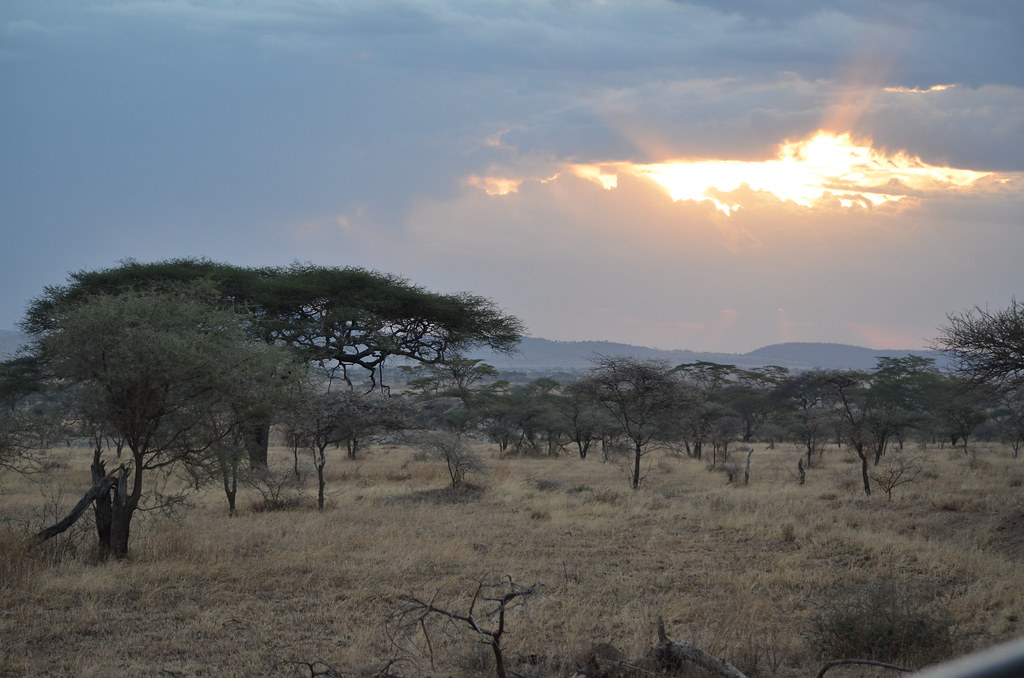
Safari in February: Calving Season and the Southern Serengeti
February is one of the most rewarding months to visit Tanzania for a wildlife safari, particularly if you want to experience the Great Wildebeest Migration during its calving season. Across the southern Serengeti and the neighbouring Ndutu plains, enormous herds of wildebeest gather on nutrient-rich grasslands to give birth. The arrival of thousands of newborn calves transforms the landscape into one of Africa’s most active wildlife environments, attracting lions, cheetahs, hyenas and other predators.
Unlike the migration season in northern Serengeti, which is famous for dramatic river crossings, February offers a different kind of wildlife experience. The focus is on new life, family groups, predator behaviour and the constant movement of animals across open plains. Visitors may watch wildebeest cows caring for their calves, see young animals taking their first steps, or observe predators searching for opportunities among the herds. Every game drive brings different possibilities, although wildlife encounters are never guaranteed.
February is also a good month for travellers who appreciate green landscapes, excellent photography conditions and a more varied safari atmosphere than the dusty dry season. The plains often retain fresh grass following seasonal rains, while scattered clouds create dramatic skies over the savannah. For travellers planning a Tanzania safari around the Great Migration, February deserves serious consideration.
Why February Is Special for the Great Wildebeest Migration
The Great Wildebeest Migration is an annual movement involving more than a million wildebeest, accompanied by large numbers of zebras and other grazing animals. The herds travel across the Serengeti ecosystem in search of fresh grass and water. Their movements are influenced by rainfall, pasture conditions and the changing availability of food, so their exact location varies from year to year.
During February, the southern Serengeti and Ndutu region are usually among the most important areas for migration viewing. The short-grass plains provide nutritious grazing for pregnant wildebeest and nursing mothers. These open grasslands allow large herds to spread across the landscape while offering young calves access to the food they need during their first weeks of life.
Calving is concentrated into a relatively short period. Tanzania National Parks describes the scale of this event as hundreds of thousands of calves born during the annual calving season, with a substantial proportion arriving within a few weeks. The result is an extraordinary concentration of wildlife across the southern plains.
For safari visitors, this creates opportunities to observe more than the migration itself. The herds are feeding, moving, resting, giving birth and protecting their young. Zebras may graze alongside wildebeest, while gazelles occupy different sections of the plains. The landscape becomes a living example of how closely animal behaviour is connected to rainfall, grass growth and the need to survive.
The timing is seasonal rather than fixed. February is generally an excellent month for calving, but the intensity and location of the herds depend on weather patterns. A safari guide who understands the local terrain and current animal movements can help you explore the most productive areas during your visit.
Where to Go in February: Southern Serengeti and Ndutu
Choosing the right area is one of the most important decisions when planning a February safari. Although the Serengeti is a vast ecosystem, the southern plains and Ndutu region are usually the main priorities for travellers hoping to see wildebeest calving.
Southern Serengeti
The southern Serengeti is characterised by extensive grasslands, scattered rocky outcrops and open views that are particularly useful for wildlife observation. During the calving season, large herds may occupy the plains, creating excellent opportunities to watch animals from a safe distance.
The open landscape is also suitable for spotting predators. Lions may rest near the herds or move through the grass in search of prey. Cheetahs often use open ground to locate potential prey and take advantage of their speed. Spotted hyenas may travel through the same areas, while jackals can sometimes be seen moving around the edges of the herds.
One advantage of the southern plains is that wildlife activity is not limited to a single attraction. Even when no dramatic hunting event is taking place, there may be newborn calves, grazing herds, territorial behaviour or predators moving between resting places. A patient game drive can therefore be rewarding without relying on a rare or dramatic encounter.
Ndutu Region
Ndutu is a particularly important destination during the calving season. It lies around the boundary between the southern Serengeti and the Ngorongoro Conservation Area, making it part of the wider ecosystem used by migrating herds. The surrounding grasslands, woodlands and seasonal water sources create a varied habitat for both grazers and predators.
Many travellers choose accommodation in or near Ndutu because it can provide convenient access to the calving areas. Staying close to the main wildlife zones allows guides to begin game drives early and spend more time searching for activity rather than travelling long distances from a distant base.
The region is especially attractive to photographers. Open plains can make it easier to follow animal movement, while the presence of newborn wildebeest creates opportunities for images that capture feeding, resting, nursing and early interactions between mothers and calves. Predators may also be visible, although sightings depend on the day’s conditions and animal movements.
Ndutu is not simply a place to look for newborn animals. It is a landscape where the relationship between grazing wildlife, predators and seasonal rainfall becomes especially visible. Spending several days in the area allows visitors to understand these patterns more fully than a short visit would permit.
Wildlife to Expect During a February Safari
Wildebeest are the main attraction during February, but the southern Serengeti offers a much wider range of wildlife. The concentration of grazing animals supports predators and scavengers, while the park’s different habitats provide opportunities to see species that are not directly connected to the calving event.
Wildebeest and Newborn Calves
The most memorable experience for many visitors is watching wildebeest calves shortly after birth. Newborns must quickly develop the strength and coordination required to stand and move with their mothers. This early mobility is essential because the herds continue moving in search of suitable grazing.
A game drive may reveal mothers nursing their calves, small groups resting in the grass or young animals attempting to keep pace with the adults. Sometimes the herds appear calm and widely spread across the plains. At other times, movement through the group can create a sense of constant activity.
Seeing a birth is possible, but it should not be treated as a guaranteed part of any itinerary. The timing of individual births is unpredictable, and guides must respect wildlife space rather than approach animals too closely. The wider calving spectacle remains rewarding even when no birth is witnessed directly.
Lions
Lions are among the most sought-after predators in the Serengeti, and the calving season provides them with opportunities to hunt where prey is abundant. Visitors may find lions resting in the shade, walking through the grass or interacting with members of their pride.
Hunting is only one part of lion behaviour. A good guide may also explain social relationships, territorial activity, communication and the importance of resting between periods of movement. Cubs, when visible, can add another dimension to a sighting, although their presence and visibility vary.
Predator encounters should always be observed responsibly. Guides are expected to maintain suitable distances, avoid disturbing animals and follow park regulations. Responsible viewing helps preserve natural behaviour while giving visitors a clearer understanding of the animals.
Cheetahs
The open plains around southern Serengeti and Ndutu can offer excellent opportunities to look for cheetahs. Their long legs, streamlined bodies and exceptional speed make them well adapted to hunting in open grassland. Unlike lions, cheetahs often depend on carefully timed pursuits rather than prolonged physical confrontation.
A cheetah sighting may involve an animal scanning the plains from a raised patch of ground, walking between grass clumps or following a herd at a distance. A hunt may happen quickly, but many encounters involve observation rather than action. This is an important distinction for travellers who expect every predator sighting to end in a chase.
Photographers often value the southern plains because the relatively open terrain can provide clear views of cheetahs and their surroundings. Even without a hunt, images of a cheetah moving through green grass or watching a herd can be memorable.
Spotted Hyenas and Jackals
Spotted hyenas are important members of the Serengeti ecosystem. They hunt, scavenge and compete with other predators for food. During the calving season, they may patrol the plains or investigate opportunities around the herds.
Jackals can also be seen in open grassland and along the edges of wildlife activity. Their smaller size makes them easy to overlook, but watching their movements can be rewarding for travellers interested in the full range of predator behaviour.
These species help explain why calving season is so active. The abundance of vulnerable young animals affects the behaviour of several predators, creating a complex ecological scene rather than a single wildlife attraction.
Zebras, Gazelles and Other Grazers
Wildebeest do not migrate alone. Zebras often travel and graze alongside them, while gazelles and other herbivores use the same broad landscape. Their feeding preferences and behaviour vary, allowing different species to share the plains.
Seeing mixed herds provides a fuller picture of the migration. Zebras may be moving through the grass in large groups, while gazelles remain alert to potential danger. The variety of body shapes, colours and movement makes these scenes particularly appealing for wildlife photography.
The Serengeti is also home to elephants, buffaloes, leopards and many other mammals, although sightings depend on habitat, location and time of day. A February safari focused on calving should still allow room to appreciate the park’s wider wildlife diversity.
Weather in the Serengeti During February
February falls within the warmer green-season period in northern Tanzania. Days are often warm, with temperatures that can approach the upper twenties Celsius, although actual conditions vary by location, altitude and rainfall. Early mornings and evenings may feel cooler, especially in open safari vehicles or at higher elevations.
The landscape is often green following the short rains of the preceding months. Grass growth supports the migrating herds, while scattered clouds can create striking light across the plains. Brief showers are possible, and some days may bring more unsettled conditions than others.
Rain does not automatically make a February safari difficult. Many game drives proceed normally, and the seasonal grasslands are part of what makes the calving period so productive. However, rain can affect road conditions, particularly on less-developed tracks. A flexible itinerary and an experienced guide are useful when planning drives around the southern plains.
Travellers should prepare for both sunshine and changing weather. Lightweight clothing is useful during the day, while a warm layer helps during early departures. A waterproof jacket, sun protection and comfortable walking shoes for use around camp are practical additions to a February packing list.
The greener environment can make wildlife photography beautiful, but taller grass and thicker vegetation in some areas may occasionally make animals harder to spot than during the dry season. The open short-grass plains around the calving areas remain an important advantage, although visibility still changes with local conditions.
How to Plan a February Serengeti Safari
A successful February safari depends on giving the southern Serengeti and Ndutu enough time. Travellers who spend only one night in the region may encounter large herds, but they have less flexibility to follow changing wildlife activity or explore different areas. Three nights in the calving region is a useful starting point, while four or more nights can suit visitors who want a slower pace or have a strong interest in photography.
The length of the entire safari depends on the other destinations you want to include. A short trip can focus on the southern Serengeti and Ngorongoro Crater. A longer northern Tanzania itinerary can add Tarangire National Park and Lake Manyara, giving you a wider range of landscapes and wildlife.
Allow Enough Time for Game Drives
Early morning and late afternoon are often productive periods for wildlife viewing because temperatures are generally more comfortable and many animals are active. Full-day game drives can also be worthwhile during calving season, especially when herds and predators are concentrated in particular areas.
Rather than rushing between several parks, consider spending multiple nights in the southern Serengeti. This allows your guide to adjust the day’s route according to recent sightings, road conditions and the position of the herds. Some days may produce several memorable encounters within a short distance, while others may require more searching.
A private safari can provide greater flexibility over departure times, photography stops and the amount of time spent observing a particular animal. Travellers on shared safaris should check the vehicle arrangements and daily schedule before booking, particularly if wildlife photography is a priority.
Choose Accommodation Near the Calving Areas
Accommodation location can make a considerable difference to your February experience. Camps around Ndutu and the southern plains are popular because they provide access to the areas where wildebeest commonly gather during the calving season.
Options range from comfortable tented camps to high-end safari camps with private facilities, dining services and guided activities. Some seasonal camps operate specifically during the migration period, while other properties remain open throughout the year. Availability can be limited during the busiest calving weeks, so booking early is advisable.
When comparing accommodation, look beyond the room rate. Consider the distance to wildlife viewing areas, whether game drives are included, the quality of the guiding arrangements and any additional park or conservation charges. A less expensive camp far from the main viewing areas may require more driving each day, potentially reducing the time available for wildlife observation.
Ask the operator to explain the proposed camp locations and how they relate to your travel dates. Migration herds move in response to environmental conditions, so no accommodation provider can guarantee that animals will remain immediately outside camp.
Book Transport Carefully
The southern Serengeti can be reached by road from other destinations in northern Tanzania or by using scheduled or charter flights where available. Road travel can provide opportunities to see changing landscapes along the way, but distances are substantial and journey times depend on road conditions and the route selected.
Flying into a suitable regional airstrip can reduce travel time, although transfers to camp and game drives still need to be arranged. Flight schedules, luggage limits and seasonal services should be confirmed before finalising the itinerary.
For travellers arriving through Kilimanjaro International Airport, an overnight stay near Arusha may be sensible before continuing to the parks, especially after a long international flight. If your arrival time permits, the safari can begin the following day. Avoid scheduling a demanding full-day drive immediately after an exhausting journey if a more comfortable alternative is available.
Combining the Southern Serengeti With Other Tanzania Destinations
February is an excellent time to focus on the calving season, but northern Tanzania offers several other destinations that can complement the experience. The right combination depends on your available time, budget and interest in wildlife, scenery or cultural experiences.
Ngorongoro Crater
Ngorongoro Crater is one of the most popular additions to a southern Serengeti safari. Its enclosed volcanic landscape supports a wide range of wildlife, including lions, buffaloes, elephants and numerous grazing species. Black rhinos may also be seen, although sightings are never guaranteed.
The crater provides a different viewing experience from the open plains of Ndutu. Its varied habitats include grassland, woodland, wetland and water sources that support different animal communities. A game drive through the crater can therefore add variety to a trip centred on wildebeest calving.
The Ngorongoro Conservation Area also forms part of the wider ecosystem used by migratory animals. However, the crater floor should not be confused with the main calving areas. Travellers hoping to prioritise newborn wildebeest should allocate sufficient time to the southern Serengeti and Ndutu rather than relying on the crater alone.
Tarangire National Park
Tarangire National Park is known for its elephants, baobab trees and distinctive savannah landscapes. It can be a worthwhile addition to a longer northern Tanzania safari, especially for travellers who want to experience a different habitat after the southern plains.
Wildlife distribution in Tarangire changes with the seasons, so February sightings can differ from those during the main dry season. The park remains attractive for its scenery, birdlife and range of resident animals, but it should not replace the southern Serengeti if calving is the main reason for travelling.
A route that includes Tarangire, Ngorongoro and the southern Serengeti can offer a varied introduction to Tanzania’s wildlife. The order should be chosen according to arrival and departure arrangements, road distances, accommodation availability and the number of nights available.
Lake Manyara National Park
Lake Manyara offers a contrast to the extensive grasslands of the Serengeti. Its scenery includes woodland, groundwater forest, open areas and lakeshore habitats. Elephants, baboons, numerous bird species and other wildlife may be encountered, depending on the conditions during your visit.
The park can work well as a shorter stop on a northern Tanzania circuit. However, adding too many destinations to a limited itinerary can reduce the time available for game drives in the calving region. If February wildlife photography or the Great Migration is your main objective, prioritise time in the south before adding extra parks.
February Safari Costs and Booking Considerations
February falls within an important wildlife-viewing period, and accommodation in the main calving areas can be in high demand. Costs vary according to the type of camp, safari vehicle, guiding arrangements, park fees, transport and the length of the trip. A luxury tented camp with private guiding and flights will usually cost considerably more than a shared road safari using simpler accommodation.
The green-season setting does not automatically mean that every safari will be inexpensive. Demand for the calving season can keep prices high in the most sought-after locations, particularly around the busiest weeks. Travellers should compare complete itineraries rather than judging value by accommodation prices alone.
Ask for a clear breakdown of what the quotation includes. Check whether park fees, conservation charges, meals, drinking water, airport transfers, game drives and applicable taxes are covered. Confirm which expenses are payable separately, such as tips, travel insurance, drinks not included in the package and optional activities.
It is also worth reviewing the cancellation and amendment conditions before paying a deposit. Seasonal camps and domestic flights may have specific payment deadlines or cancellation rules. Understanding these terms in advance helps prevent unexpected costs if travel arrangements change.
Booking several months ahead is sensible for travellers who want a particular camp or travel during a busy period. Early planning is especially useful for families, private groups and photographers who need specific accommodation arrangements. Last-minute options may exist, but the best-located camps can be fully booked.
Photography During the Wildebeest Calving Season
February is an appealing month for wildlife photography because it combines large herds, newborn animals, active predators and green scenery. The southern plains often provide open views, allowing photographers to capture animals within their natural surroundings rather than relying only on close-up portraits.
Early morning can offer soft light and cooler conditions. Late afternoon may produce warm colours across the grasslands, while clouds can add depth to the sky. The weather changes throughout the day, so photographers should be prepared to work in both bright sunlight and overcast conditions.
A telephoto lens is useful for photographing wildlife without approaching too closely. A wider lens can capture the scale of the herds and the relationship between animals and their environment. A camera beanbag or other stable support can help when photographing from a safari vehicle.
Patience is particularly important during calving season. A newborn calf may remain close to its mother for an extended period, and a predator may rest for hours without moving. Good wildlife photography often comes from observing behaviour carefully rather than asking a guide to drive rapidly from one sighting to another.
Ethical photography should always take priority over getting a particular image. Vehicles should not surround or pressure animals, and guides should follow park rules concerning approach distances and movement around sightings. Never ask a driver to block an animal’s path or disturb a mother and calf to create a better photograph.
For travellers interested in bird photography, February can also be productive because migratory species may be present alongside resident birds. The variety of habitats around the wider Serengeti ecosystem provides opportunities to photograph raptors, ground-dwelling birds and species associated with wetlands.
Is February Suitable for Families and First-Time Safari Travellers?
February can work well for families because wildlife activity is varied and the calving season offers a clear story that children and adults can understand. Watching a herd move across the plains, seeing young animals with their mothers and learning how predators fit into the ecosystem can make the safari educational as well as enjoyable.
However, family suitability depends on the children’s ages, patience and comfort with long game drives. Travel distances in northern Tanzania can be substantial, and wildlife sightings sometimes require extended periods in the vehicle. Families should discuss vehicle arrangements, meal times, rest breaks and child-friendly accommodation with their operator before booking.
Travellers visiting Africa for the first time may also appreciate February’s varied wildlife viewing. The southern Serengeti offers more than one seasonal attraction, so the trip can remain rewarding even when a particular predator is not visible. A knowledgeable guide can explain animal behaviour and help visitors understand the relationship between rainfall, grass growth and migration.
Visitors with limited mobility should confirm the accessibility of vehicles, accommodation and camp facilities. Safari vehicles may have high steps, and some camps use uneven paths or canvas structures. These details are worth discussing before the trip, rather than assuming every property will meet the same accessibility requirements.
What to Pack for a February Safari
Packing for February requires preparation for warm days, possible rain and cooler early mornings. Lightweight, breathable clothing is suitable for most daytime activities, while a fleece or light jacket can make early game drives more comfortable. Neutral colours are practical for safari settings, although comfort and sun protection matter more than following strict colour rules.
A waterproof jacket, closed walking shoes, a sun hat, sunglasses and high-factor sunscreen are useful. A small day bag can hold personal essentials during game drives, while binoculars can make it easier to observe distant animals without relying entirely on the guide’s equipment.
Photographers should bring spare batteries, memory cards and suitable protection for cameras against dust and rain. Charging facilities differ between camps, so check whether you need an adapter or portable power bank. Keep equipment secure while travelling and follow the camp’s guidance about charging devices.
Insect repellent is also worth packing. Although conditions vary, insects may be more noticeable during warmer or wetter periods. Ask a qualified travel-health professional about recommended vaccinations, malaria prevention and other precautions for your specific itinerary and medical circumstances.
Bring any personal medication in its original packaging and carry essential supplies in your hand luggage. Travel insurance should cover the activities and destinations included in your trip, along with medical assistance and evacuation where appropriate.
Common Mistakes to Avoid When Booking a February Safari
One common mistake is choosing the northern Serengeti because it is widely associated with the Great Migration. The migration moves through different areas during the year, and the famous Mara River crossings are generally associated with a different season. For February calving, the southern Serengeti and Ndutu region are usually the stronger choices.
Another mistake is allowing too little time in the main viewing area. A short stop may produce excellent sightings, but it leaves less opportunity to respond to changes in herd location or weather. Spending several nights in the south gives the guide more flexibility and reduces the pressure to move on before the experience has developed.
Travellers should also avoid assuming that every game drive will include a birth or a hunt. Wildlife behaviour is unpredictable, and no responsible operator can guarantee a specific event. A more realistic expectation is to enjoy the overall concentration of animals and the opportunity to observe natural behaviour across several days.
Overloading the itinerary with too many parks can create another problem. Every transfer takes time, and long road journeys can leave visitors tired before they reach the next destination. Select parks according to your priorities, then build the route around reasonable travel times and sufficient time for game drives.
Finally, do not choose accommodation on price alone. A camp’s location can influence how much time you spend exploring the calving areas. Ask about actual access, transfer arrangements and what is included in the rate before deciding.
Is February the Best Month for Your Serengeti Safari?
February is particularly suitable for travellers who want to see the Great Wildebeest Migration during calving season. The southern Serengeti and Ndutu plains offer the possibility of viewing newborn calves, large grazing herds and predators responding to the abundance of prey. Green landscapes and varied wildlife behaviour add to the appeal, while the opportunity to combine the region with Ngorongoro Crater or other northern Tanzania parks makes itinerary planning flexible.
It is less suitable for travellers whose main goal is to witness the famous Mara River crossings, which usually occur later in the year when herds move towards the northern Serengeti and Kenya’s Maasai Mara. Those visitors should choose their travel dates and locations according to the seasonal movement they want to experience.
For February, the most effective approach is to plan around the southern calving grounds, stay for several nights and remain flexible about daily game-drive routes. Confirm accommodation early, allow realistic travel time and choose an operator with sound knowledge of the migration and local conditions.
The result can be a safari that goes beyond simply counting wildlife sightings. February offers a chance to observe a major natural cycle as it unfolds across the Serengeti plains, from the arrival of newborn wildebeest to the daily movements of the predators and grazing herds that share this remarkable ecosystem







No comment