

A Day in the Life of a Lion Pride
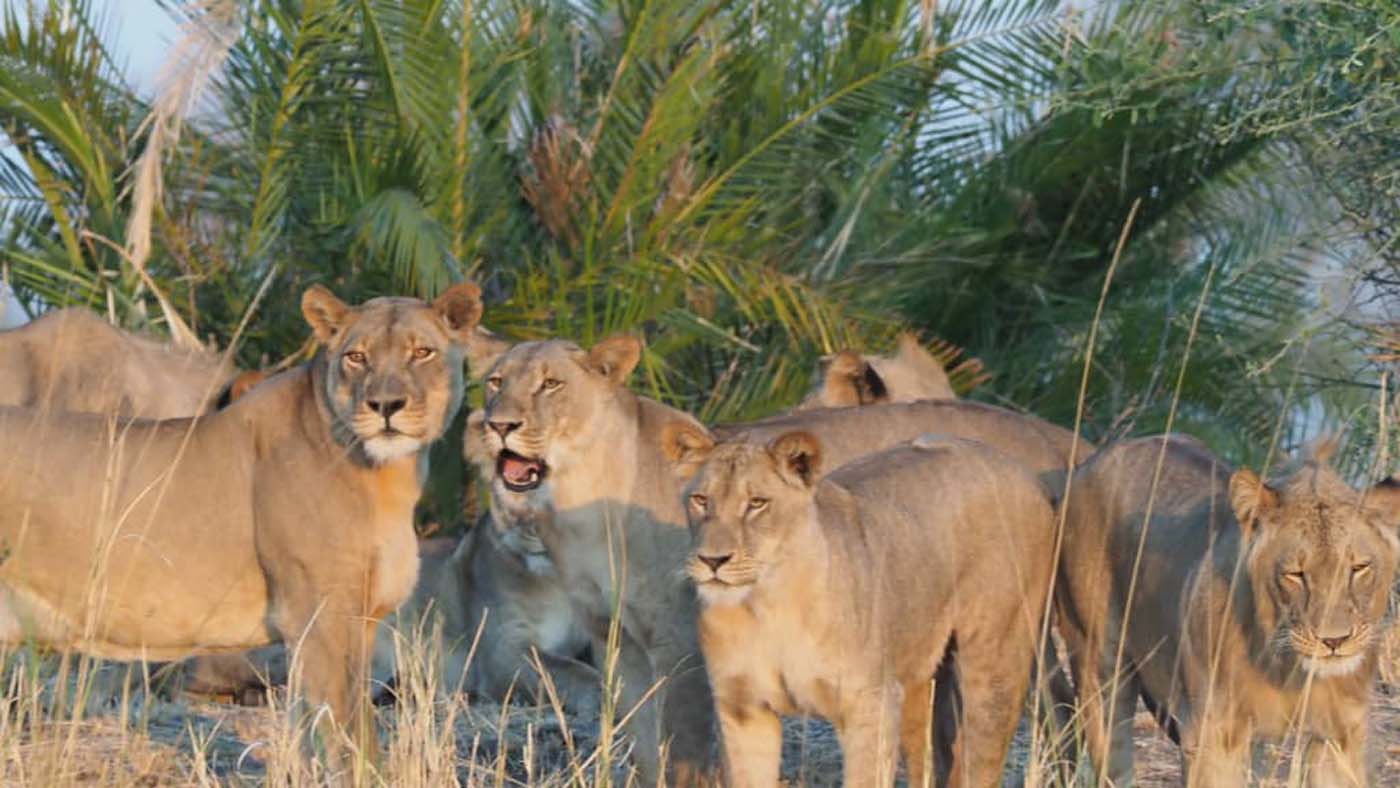
A typical day for a resident lion pride follows a fairly predictable rhythm built around two short, intense activity windows bookending long stretches of rest, a pattern shaped almost entirely by temperature, hunting strategy, and the pride’s own social structure.
This guide walks through that rhythm hour by hour, from the pre-dawn hunt through midday rest and back into the evening’s second hunting window, and what it all means for planning your own game drives.
Pre-Dawn: The Pride’s First Active Window
Lions become active again in the hour or two before sunrise, when cooler temperatures and low light favour successful stalking, and a pride’s lionesses often use this window to finish a hunt begun overnight or launch a fresh attempt before the heat of the day sets in. Our guide on what lions eat and how they hunt covers the cooperative strategy driving this early activity in more depth.
Early Morning: Feeding, Social Bonding, and Territorial Checks
Following a successful hunt, the pride settles into feeding, following the pride’s typical hierarchy with resident males often eating first when present, before the group transitions into a period of social bonding, mutual grooming, cub play, and physical closeness that reinforces the bonds holding the pride together. Resident males often use this window to patrol and scent-mark territorial boundaries, a task our guide on how lion prides are structured covers in considerably more depth.
Mid-Morning Through Midday: The Pride’s Long Rest Period Begins
As temperatures climb, the pride retreats into whatever shade is available, beginning the long rest period that will occupy most of the remaining daylight hours. Our guide on how long lions sleep each day covers exactly why this rest period stretches to 16 to 20 hours across a typical full day.
Midday: Deep Rest and Minimal Movement
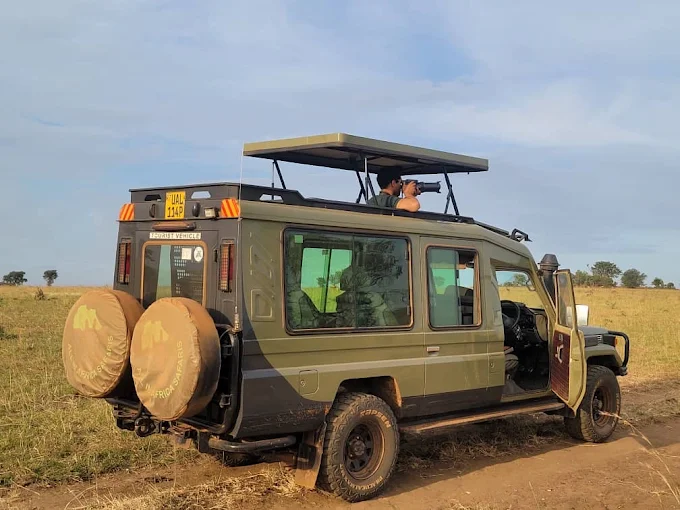
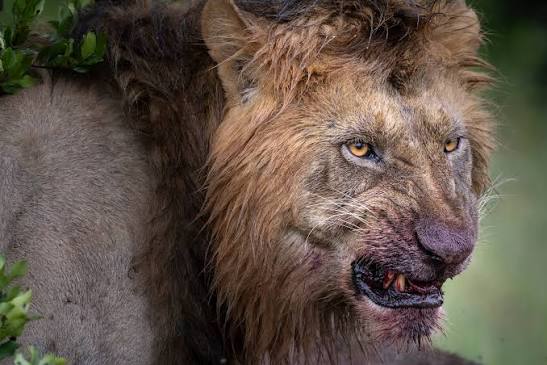
During the hottest hours, the pride does very little beyond occasional shifts in position to stay within shifting shade, and this is typically when visitors on a midday game drive encounter a pride sprawled out, seemingly unbothered by nearby vehicles, a state of deep rest rather than any sign of illness or distress.
How Cubs’ Daily Rhythm Differs From the Adults’
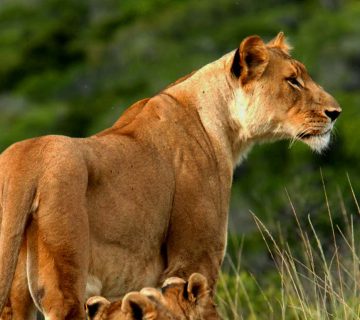
Young cubs follow a somewhat different pattern, sleeping even more than adults but also punctuating quieter periods with bursts of play, pouncing on siblings, practising stalks on unsuspecting adults’ twitching tails, and generally testing the physical skills they’ll need as adults, all under the watchful, tolerant supervision of the pride’s resident lionesses.
Late Afternoon: The Pride Begins to Stir
As temperatures ease in the late afternoon, the pride becomes gradually more active again, often beginning with stretching, grooming, and short bursts of movement before settling into a more purposeful shift toward positioning for the evening’s hunting opportunity.
Dusk: The Second Major Hunting Window
Dusk represents the pride’s other primary hunting window, when cooling temperatures and fading light again favour successful stalking, and lionesses typically begin coordinating position relative to known prey movement patterns, often the same cooperative positioning strategy used during the pre-dawn window. Our guide on night game drives covers how this activity often continues well after dark in areas where visitors can observe it.
Nighttime: Why Lions Remain Active After Dark
Unlike much of their prey, lions retain strong low-light vision, giving them a considerable nighttime hunting advantage, meaning a meaningful share of a pride’s total daily activity happens after sunset, largely unseen by visitors on standard daytime game drives, a hidden portion of the pride’s daily rhythm most visitors never witness firsthand.
How Territorial Patrol Fits Into This Daily Rhythm
Beyond hunting and resting, resident males weave territorial patrol into the day’s rhythm, particularly around dawn and dusk transitions, checking boundary markers and responding to any signs of rival males encroaching on the pride’s defended range, a responsibility our guide on why male lions leave their pride covers from the perspective of the challengers this patrol is specifically designed to deter, a constant, low-level responsibility running throughout the pride’s daily routine.
How This Daily Rhythm Shifts With the Seasons
This general daily pattern holds fairly consistently year-round, though the specific timing and intensity shift somewhat with the seasons, drier months concentrating activity more tightly around dawn and dusk given the more extreme midday heat, while cooler, wetter periods sometimes allow for a somewhat more flexible, extended activity window. Our guide on lion sightings in dry versus wet season covers this seasonal variation in more depth, layering an additional planning consideration on top of the basic daily rhythm covered throughout this guide.
Why Understanding This Rhythm Helps Plan a Game Drive
Knowing this daily rhythm helps set realistic visitor expectations and informs smart game-drive timing, since a dawn or dusk departure offers considerably stronger odds of witnessing active behaviour than a midday drive, which will very likely encounter a resting, largely inactive pride instead, a pattern experienced operators build directly into their standard daily game-drive scheduling.
How a Kill Disrupts This Otherwise Predictable Rhythm
A successful large kill, particularly one requiring several days to fully consume, disrupts the usual daily rhythm considerably, since the pride typically remains close to the carcass for an extended period, defending it from scavengers and returning periodically to feed rather than resuming the normal cycle of hunting and resting until the kill is largely consumed. Our guide on lion versus hyena competition covers exactly the kind of scavenger pressure a pride has to actively defend a large kill against during this extended feeding period.
Where to Observe This Daily Rhythm Firsthand
Ecosystems with dense, well-studied resident prides offer the strongest opportunity to observe this full daily cycle across a multi-day stay. Our guide on the best parks to see lions in East Africa covers destinations well suited to observing this rhythm across consecutive game drives timed around both dawn and dusk, giving visitors a fuller picture of the pride’s routine than any single drive could offer alone.
How Weather Reshuffles This Otherwise Predictable Rhythm
Overcast, cooler days sometimes prompt a pride to extend its active window well beyond the usual dawn or dusk stretch, since the reduced heat stress removes some of the usual incentive to retreat into deep midday rest, meaning experienced guides watch weather conditions as closely as the clock itself when predicting likely pride activity on any given day.
How Individual Pride Members’ Roles Vary Across the Day
Not every pride member follows an identical schedule: a lactating female with young cubs hidden nearby breaks from the main group periodically to nurse, while resident males spend more of their active time on boundary patrol than on the hunting itself, meaning a single pride’s overall daily rhythm represents an aggregate of several slightly different individual routines happening in parallel rather than one perfectly synchronised group schedule.
Why Water Access Punctuates the Day Too
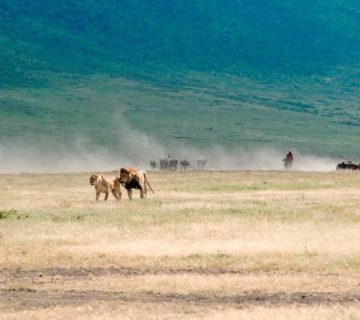
Beyond hunting and resting, a pride visits water sources periodically throughout the day and night, typically timed around the cooler activity windows rather than during peak midday heat, a routine visit that offers visitors another reliable opportunity to encounter a pride moving purposefully across open ground rather than simply resting in place.
How Guides Predict a Pride’s Likely Location at Any Given Hour
Experienced guides combine this predictable daily rhythm with detailed, current knowledge of a specific pride’s territory and recent movement to estimate likely location at any given hour, a skill that improves considerably with accumulated local experience and explains why guide tenure matters so much for reliable sightings. Our guide on choosing a lion-focused safari camp covers why this kind of accumulated local knowledge matters more than lodge amenities alone.
Frequently Asked Questions
A few quick answers to the questions travelers ask most often about a lion pride’s daily routine.
What time of day are lions most active?
Dawn and dusk represent the pride’s two primary activity windows, bookending a long midday rest period.
Do lions hunt at night?
Yes – Their strong low-light vision gives them a genuine nighttime hunting advantage over much of their prey.
Why do lions rest so much during the day?
Midday heat makes sustained activity costly, so prides conserve energy for the cooler dawn and dusk hunting windows instead.
Do cubs follow the same daily rhythm as adults?
Mostly, though they sleep even more and punctuate rest periods with genuine bursts of play and practice-stalking.
Does a big kill change the pride’s daily routine?
Yes – The pride typically stays close to a large kill for days, disrupting the usual hunt-and-rest cycle.
Ready to Plan Your African Safari?
Whether you’re hoping to catch a dawn hunt or simply observe a resting pride’s social bonding, our team can build a trip matched to your interests, timed around this natural daily rhythm. Get in touch with our team below today and let’s start planning your complete African safari itinerary together.

No comment