Mabamba Swamp, located along the shores of Lake Victoria in Uganda, is a hidden jewel that draws birdwatchers from all over the world. This one-of-a-kind and biodiverse wetland is a haven for both novice and experienced birders. Mabamba Swamp, known for its spectacular bird occupants, is a thrilling and immersive experience for anybody with an interest in ornithology.
Accessibility and Location of Mabamba Swamp
Mabamba Swamp is located in the Mpigi District, some 50 km west of Kampala, Uganda’s capital. Its proximity to the city makes it an ideal day excursion for visitors. The meandering roads that lead to the tranquil beaches of Lake Victoria provide access to this ecological beauty. Once there, travellers can embark in traditional canoes or motorised boats to negotiate the swamp’s complex canals.
A Birdwatcher’s Dream
- Shoebill Stork: Mabamba Swamp is most famous for being one of the best places in the world to spot the elusive shoebill stork. Standing at over four feet tall, with a massive shoe-shaped bill, these prehistoric-looking birds are a top attraction for birders. Seeing a shoebill in the wild is a rare and exhilarating experience, and Mabamba offers one of the best chances to witness these magnificent creatures.
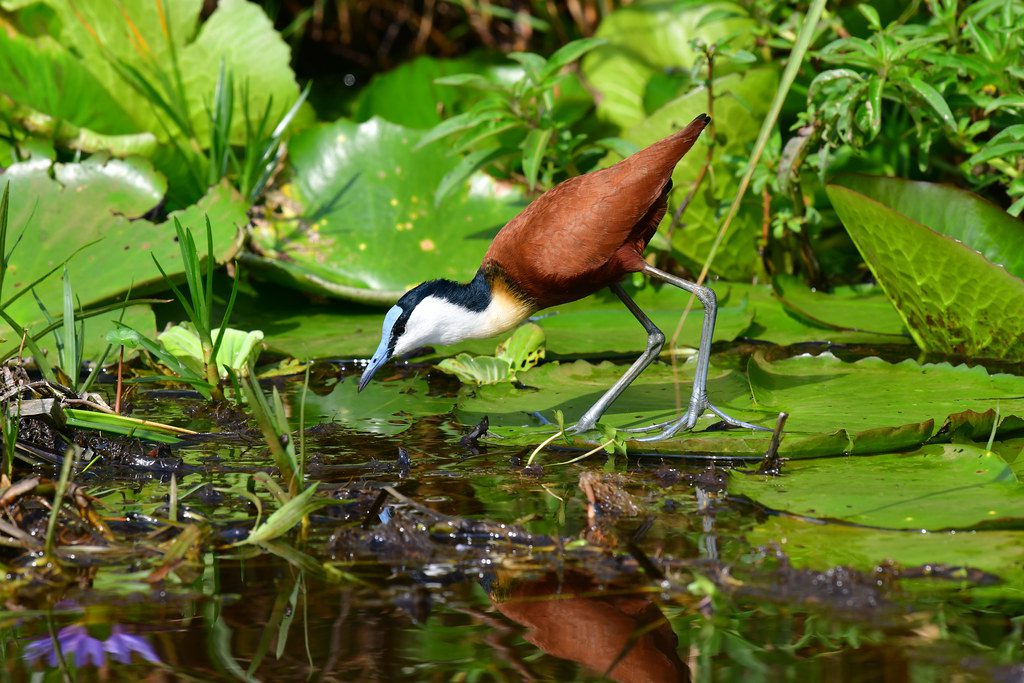
- Rich Avian Diversity: Beyond the shoebill stork, Mabamba Swamp boasts an impressive array of over 260 bird species, both resident and migratory. These include the African jacana, malachite kingfisher, pied kingfisher, swamp flycatcher, papyrus gonolek, and many more. Birdwatchers can also spot a variety of herons, egrets, and ibises gracefully wading through the swamp’s shallow waters.
- Migratory Birds: Mabamba Swamp serves as a vital stopover point for numerous migratory birds, making it a dynamic location for birdwatching year-round. During the migration season, visitors can witness flocks of European and Asian species such as the northern pintail and the black-tailed godwit.
- Papyrus Endemics: The swamp is predominantly covered in papyrus, a tall, reed-like plant that creates a unique habitat for several bird species. The papyrus gonolek, papyrus canary, and white-winged warbler are just a few of the species that call this environment home.
- Guided Tours and Local Expertise: To maximize the birdwatching experience, it is advisable to take guided tours. Local guides are not only knowledgeable about the birdlife but are also skilled at navigating the swamp’s intricate channels. They can locate hidden treasures and share their insights into the birds’ behavior and habitat.
Sustainability and Conservation of Mabamba Bay
Mabamba Swamp and its avian species are being protected. Local communities, conservation groups, and the Ugandan government are collaborating to create a balance between tourism and preservation. Sustainable tourist practises and community-based initiatives have contributed to the preservation of this natural beauty for future generations.
Visitors are advised to observe appropriate birding practises, such as keeping a respectful distance from the birds and their nesting locations, refraining from making loud noises, and not littering. Birdwatchers may help to save Mabamba Swamp’s fragile habitat by following these suggestions.
In Conclusion, Mabamba Swamp is a birder’s paradise that provides nature enthusiasts and bird lovers with a unique journey. Its great bird variety, gorgeous environment, and opportunity to see the distinctive shoebill stork make it a must-see trip for anybody who appreciates nature. Mabamba Swamp serves as a brilliant example of the beauty and relevance of these unique ecosystems as we work to safeguard and restore the world’s treasured wetlands and the wildlife that call them home.
Why 260 Species Puts Mabamba Among Uganda’s Elite Birding Sites
With over 260 recorded species packed into a comparatively small wetland area, Mabamba delivers a bird density and diversity that rivals destinations many times its size, a concentration made possible by the swamp’s varied papyrus, open water, and shoreline habitats existing side by side.
Best Time of Day and Year to Visit
Early morning departures, ideally before 8am, offer the best chance of spotting the Shoebill, while the migratory season brings an additional layer of European and Asian species passing through, meaning Mabamba genuinely rewards visits at multiple points throughout the year rather than a single narrow window.
What a Guided Canoe Excursion Actually Involves
A standard visit involves boarding a small wooden canoe with an experienced local guide who navigates the narrow papyrus channels, pointing out species and gently maneuvering toward Shoebill sighting spots without disturbing the bird’s natural behavior, typically lasting two to three hours. All in Africa Safaris can arrange this exact guided experience for your visit.
Combining Mabamba With a Broader Uganda Itinerary
Given its convenient proximity to Entebbe International Airport, many travelers use Mabamba as either an opening or closing activity for a broader Uganda safari, pairing world-class birding with gorilla trekking, chimpanzee tracking, or savannah wildlife elsewhere in the country. All in Africa Safaris can build this stop into either end of your itinerary.
What to Bring for a Comfortable Visit
Binoculars, a camera with a reasonable zoom, insect repellent, and sun protection round out the essentials for a Mabamba excursion, while closed-toe shoes are worth wearing given the sometimes muddy launch point along the lake’s edge.
Supporting Local Livelihoods Through Responsible Tourism
Tourism revenue from Mabamba Swamp visits directly supports the local guiding cooperative and surrounding fishing communities, giving residents a genuine economic incentive to protect the wetland rather than convert it to other land use, a model that has helped sustain this fragile ecosystem.
Why Patience Matters on a Shoebill Search
Even with an experienced guide, Shoebill sightings aren’t guaranteed on every visit, and travelers who approach the excursion with genuine patience rather than a rigid expectation tend to find the wider birdlife and swamp scenery just as rewarding regardless of the outcome.
The Shoebill’s Global Rarity, Explained
Found only in a handful of central and east African wetlands, the Shoebill’s limited global range makes every successful sighting genuinely rare even among well-traveled birders, a scarcity that is precisely why Mabamba’s reputation as one of the world’s most reliable Shoebill locations draws dedicated birders from around the globe.
Other Notable Species Beyond the Shoebill
Beyond the marquee attraction, Mabamba’s papyrus channels host African jacanas walking across lily pads, malachite kingfishers flashing bright blue along the water’s edge, and papyrus gonoleks calling from the reeds, each offering its own rewarding sighting even on a morning without a confirmed Shoebill.
Why Local Guides Make Such a Genuine Difference
Mabamba’s community-trained local guides bring genuinely deep knowledge of the swamp’s bird behavior and seasonal patterns, expertise built from years of daily observation that considerably improves the odds of a successful Shoebill sighting compared to navigating the channels independently.
Photography Considerations for the Swamp
Given the low canoe vantage point and often bright reflected light off the water, a camera with reasonable zoom capability and a polarizing filter to cut glare genuinely improves your odds of capturing sharp, well-exposed images throughout the excursion.
Mabamba’s Wetland Habitat Beyond the Birds
Beyond its avian residents, Mabamba’s papyrus-dominated wetland supports otters, monitor lizards, and a range of amphibians, giving observant visitors a broader sense of the swamp’s ecological richness beyond birding alone.
How Mabamba Compares to Other East African Birding Sites
While Uganda offers several strong birding destinations, Mabamba’s combination of Shoebill reliability, easy accessibility from Kampala and Entebbe, and genuinely short time commitment makes it uniquely convenient compared to more remote birding circuits that demand a multi-day dedicated trip.
Booking Ahead Versus Arranging Locally
While it’s technically possible to arrange a Mabamba excursion on short notice through local guides, pre-booking through an established operator ensures a properly licensed guide, a well-maintained canoe, and coordinated transport from your accommodation, removing any day-of uncertainty. All in Africa Safaris handles this coordination as a standard part of every Mabamba excursion booking.
Why Mabamba Remains Relatively Uncrowded
Despite its exceptional birding reputation, Mabamba receives a fraction of the visitors that flock to Uganda’s national parks, meaning the swamp’s genuinely exceptional birding remains something of an insider’s destination rather than an overcrowded mainstream stop.
A Half-Day Excursion With Outsized Rewards
Few activities in East Africa deliver as much genuine wildlife reward per hour invested as a Mabamba Swamp excursion, a half-day commitment that regularly produces sightings serious birders travel considerably further and spend considerably more time chasing elsewhere.
Ramsar Status and What It Means for Conservation
Mabamba’s recognition as a wetland of international importance obligates a level of protection and monitoring that helps safeguard the swamp against drainage or agricultural conversion, a designation with genuinely tangible conservation consequences for the ecosystem birders come to see.
Why This Wetland Deserves a Place on Every Birder’s List
Between its Shoebill reliability, its genuine species diversity, and its position within easy reach of Uganda’s main gateway airport, Mabamba earns its reputation as one of Africa’s most rewarding accessible birding destinations.
A Fitting Complement to Uganda’s Other Wildlife Experiences
Where gorilla trekking demands physical stamina and savannah safaris cover considerable driving distance, Mabamba offers a genuinely gentle, low-effort activity that still delivers world-class wildlife viewing, a welcome contrast within a more physically demanding itinerary.
Planning Your Mabamba Swamp Birding Excursion
From the elusive Shoebill stork to over 260 recorded bird species and genuinely accessible location near Entebbe, Mabamba Swamp delivers a remarkably rich birding experience within just a few hours of arrival. All in Africa Safaris can build this excursion into your Uganda itinerary at whichever point best fits your travel dates, bringing you face to face with one of East Africa’s most sought-after bird sightings.