
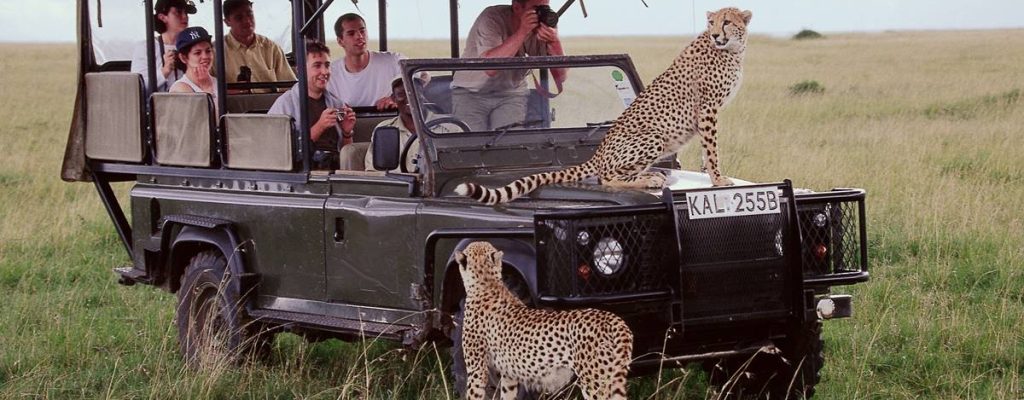
61 Days Uganda Conservation Volunteer Safari
Overview
Duration: 61 Days / 60 Nights
Destination: Uganda
Main Locations: Entebbe, Mabamba Wetland, Jinja, Ziwa Rhino Sanctuary, Murchison Falls National Park, Rwenzori Mountains foothills, Queen Elizabeth National Park, Bwindi Impenetrable National Park and Lake Mburo National Park.
Main Activities: Shoebill watching, conservation volunteering, Source of the Nile excursion, rhino tracking, wildlife game drives, Nile boat cruise, Rwenzori foothills hiking, Kazinga Channel boat cruise, mountain gorilla trekking, zebra safari, coffee-farm stays, community experiences and indigenous tree planting.
This 61-day Uganda conservation volunteer safari is an extended journey through the country’s remarkable wildlife habitats, freshwater ecosystems, mountains, tropical forests, traditional communities and agricultural landscapes. It combines wildlife tourism with supervised conservation volunteering, environmental education, cultural exchange and indigenous tree planting.
The adventure begins in Entebbe with an exploration of Mabamba Wetland, one of Uganda’s most important birding destinations and a renowned location for observing the rare shoebill stork. You will spend time learning about wetland conservation, bird habitats, responsible tourism and the relationship between local fishing communities and the wetland ecosystem.
The journey continues to Jinja, where the Nile begins its journey north from Lake Victoria. You will explore the Source of the Nile, experience the river environment and participate in suitable community-based environmental activities.
At Ziwa Rhino Sanctuary, you will experience guided white rhino tracking on foot and learn about rhino protection, monitoring and habitat management. The safari then proceeds to Murchison Falls National Park for extended wildlife exploration, game drives, a boat cruise along the Victoria Nile and a visit to the spectacular top of the falls.
From northern Uganda, travel west towards the Rwenzori Mountains for a longer stay in the mountain foothills. Enjoy guided hiking, nature walks, coffee-farm experiences and community conservation activities while learning about mountain ecosystems, forest protection and sustainable livelihoods.
Queen Elizabeth National Park introduces you to Uganda’s savannah wildlife, crater lakes, wetlands and the famous Kazinga Channel. You will enjoy game drives, a boat cruise and opportunities to explore the Ishasha sector, known for its tree-climbing lions.
The journey then continues to Bwindi Impenetrable National Park for mountain gorilla trekking, forest experiences and Batwa cultural encounters. Here, you will participate in an African cherry tree planting activity at an approved community or forest restoration site.
The final major wildlife destination is Lake Mburo National Park, where you will enjoy zebra viewing, wildlife game drives, a boat cruise and nature experiences. You will also participate in Mugavu tree planting, supporting the restoration of indigenous tree cover.
Coffee-farm stays are incorporated into the mountain and southwestern Uganda sections of the safari, allowing you to understand coffee cultivation, harvesting, processing, local livelihoods and the relationship between agriculture and environmental conservation.
This is more than a conventional wildlife holiday. It is an extended conservation and cultural experience designed to give travellers time to understand Uganda’s ecosystems and contribute positively through supervised, locally guided activities.
Safari Highlights
- Mountain gorilla trekking in Bwindi Impenetrable National Park.
- Batwa cultural experience.
- African cherry tree planting near Bwindi.
- Lake Mburo boat cruise and nature experiences.
- Mugavu tree planting at an approved restoration site.
- Coffee harvesting, processing and farm-to-cup learning.
- Community conservation education and cultural exchange.
Tree Species: Mugavu (Markhamia lutea) and African Cherry (Prunus africana)
Mugavu (Markhamia lutea)
Mugavu, scientifically known as Markhamia lutea, is an indigenous East African tree recognised by its beautiful yellow trumpet-shaped flowers and broad green foliage. It occurs naturally in Uganda and other parts of tropical Africa and is valued for its ecological, ornamental and practical importance.
Mugavu contributes to biodiversity by providing food and habitat resources for insects, birds and other organisms. Its canopy offers shade, while its root system helps stabilise soil and support the restoration of degraded landscapes.
During this safari, guests will participate in planting Mugavu seedlings at an approved community or environmental restoration site in the Lake Mburo region. The activity will involve preparing the planting holes, positioning the seedlings, covering their roots with soil and watering them where appropriate.
Participants will also learn about indigenous tree conservation, seedling protection, maintenance and the importance of choosing suitable planting locations.
African Cherry (Prunus africana)
African cherry, scientifically known as Prunus africana, is an indigenous African evergreen tree associated with montane forests. It occurs in several African countries, including Uganda, and is particularly important in high-altitude forest ecosystems.
The species contributes to forest biodiversity, supports habitat structure and helps maintain healthy forest environments. Its presence is also important in watershed protection and the conservation of montane forest landscapes.
African cherry faces conservation pressure in some areas because its bark has historically been harvested for medicinal and commercial purposes. Sustainable management, protection of natural populations and responsible restoration are therefore important.
During the Bwindi section of this safari, guests will participate in planting African cherry seedlings at an approved community or forest restoration site. The activity will include learning about the species, preparing planting holes, positioning seedlings correctly, covering their roots and watering them where appropriate.
The experience will also introduce participants to the importance of protecting indigenous forest trees and maintaining the natural habitats that support mountain gorillas, forest birds and other wildlife.
Both planting activities will be coordinated with appropriate local conservation or community representatives. Planting locations, seedling sources and follow-up care will be agreed with local partners to support successful establishment.
Detailed Itinerary
Day 1: Arrival in Entebbe and Safari Orientation
Upon arrival at Entebbe International Airport, you will be welcomed by your safari driver-guide and transferred to your accommodation.
After settling in, enjoy a short introduction to Uganda’s natural environment, wildlife conservation priorities and the activities planned for the next 61 days.
Depending on your arrival time, enjoy a relaxed walk around Entebbe, with opportunities to observe the vegetation and birdlife around Lake Victoria.
In the evening, attend an orientation covering responsible volunteering, local customs, safety, conservation ethics and the importance of working under authorised local organisations.
Accommodation: Guesthouse or lodge in Entebbe
Meal Plan: Dinner
Day 2: Mabamba Wetland Shoebill Excursion
After an early breakfast, travel to Mabamba Wetland for a guided canoe excursion through its papyrus channels.
Mabamba is internationally recognised for its birdlife and is one of Uganda’s best-known locations for observing the shoebill stork. With a knowledgeable local birding guide, navigate the wetland channels in search of this remarkable bird.
You may also encounter African jacanas, malachite kingfishers, herons, egrets, cormorants and other wetland species.
Learn about the importance of papyrus habitats, wetland vegetation, water quality and the relationship between birds and the surrounding fishing communities.
Return to Entebbe in the afternoon.
Accommodation: Guesthouse or lodge in Entebbe
Meal Plan: Breakfast, lunch and dinner
Day 3: Mabamba Wetland Conservation Orientation
After breakfast, return to the Mabamba area for an introduction to community-based wetland conservation.
Meet local guides and conservation representatives who will explain the challenges facing the wetland, including habitat degradation, unsustainable resource use, pollution and pressure from surrounding development.
Participate in supervised environmental education activities and learn how local communities contribute to protecting the shoebill’s habitat.
The afternoon will focus on understanding wetland monitoring, responsible birdwatching and the importance of sustainable livelihoods.
Accommodation: Guesthouse or lodge in Entebbe
Meal Plan: Breakfast, lunch and dinner
Day 4: Supervised Wetland Conservation Volunteering
Spend the day participating in approved community-based conservation activities around Mabamba.
Depending on the programme organised by local partners, activities may include supervised litter collection, environmental awareness work, wetland observation and habitat condition documentation.
You will learn how local conservation teams identify environmental pressures and communicate the importance of protecting wetland habitats.
The work will be non-invasive and will not involve disturbing shoebills, nests or other wildlife.
Accommodation: Guesthouse or lodge in Entebbe
Meal Plan: Breakfast, lunch and dinner
Day 5: Wetland Bird Monitoring and Environmental Education
After breakfast, join local birding representatives for a guided wetland observation session.
Learn how birdwatchers record sightings, identify species, observe feeding behaviour and understand seasonal changes in wetland bird populations.
Participate in supervised environmental education activities with local community representatives, focusing on the value of wetlands, responsible fishing and the protection of aquatic habitats.
Return to your accommodation in the afternoon.
Accommodation: Guesthouse or lodge in Entebbe
Meal Plan: Breakfast, lunch and dinner
Day 6: Entebbe Botanical Gardens and Lake Victoria Conservation Experience
After breakfast, visit the Entebbe Botanical Gardens for a guided nature experience.
Explore the garden’s vegetation, indigenous trees and bird habitats while learning about the importance of botanical conservation.
Continue with a Lake Victoria environmental learning experience, focusing on freshwater ecosystems, shoreline protection, pollution prevention and the livelihoods supported by the lake.
Depending on arrangements, participate in a supervised community environmental awareness activity.
Return to your accommodation in the evening.
Accommodation: Guesthouse or lodge in Entebbe
Meal Plan: Breakfast, lunch and dinner
Day 7: Entebbe Birdwatching and Preparation for Jinja
Enjoy breakfast before spending the morning exploring selected birding locations around Entebbe.
Your guide will help you identify different bird species and explain their ecological roles. You may also revisit selected conservation learning topics from the Mabamba experience.
The afternoon is reserved for rest, organising your luggage and preparing for the journey to Jinja.
Accommodation: Guesthouse or lodge in Entebbe
Meal Plan: Breakfast, lunch and dinner
Day 8: Transfer from Entebbe to Jinja
After breakfast, depart for Jinja in eastern Uganda.
Travel through central Uganda, passing local trading centres, agricultural landscapes and rural settlements.
Upon arrival in Jinja, check in at your accommodation and enjoy lunch.
In the afternoon, explore the town and its surroundings. Learn about Jinja’s historical connection to the Nile, its role in Uganda’s tourism industry and the communities that depend on the river.
Accommodation: Lodge or guesthouse in Jinja
Meal Plan: Breakfast, lunch and dinner
Day 9: Source of the Nile Experience
After breakfast, visit the Source of the Nile in Jinja.
Enjoy a guided boat excursion to the area where the Nile begins its journey northwards from Lake Victoria. Learn about the river’s geographical significance, freshwater ecology and importance to communities across the Nile Basin.
Observe riverbank vegetation, waterbirds and other wildlife along the waterways.
Return to Jinja and enjoy lunch before exploring selected cultural and historical attractions.
Accommodation: Lodge or guesthouse in Jinja
Meal Plan: Breakfast, lunch and dinner
Day 10: Nile River Environmental Conservation Activities
Spend the day learning about freshwater conservation and the environmental pressures affecting the Nile around Jinja.
Meet local conservation or community representatives for an introduction to riverbank protection, water pollution, responsible recreation and sustainable use of freshwater resources.
Participate in supervised activities such as approved riverbank clean-up, environmental awareness work or community conservation education.
Activities will be organised around safe and authorised locations without interfering with river operations or sensitive habitats.
Accommodation: Lodge or guesthouse in Jinja
Meal Plan: Breakfast, lunch and dinner
Day 11: Jinja Community and Cultural Experience
After breakfast, explore selected community and cultural attractions around Jinja.
Meet local artisans and community members to learn about traditional crafts, food, livelihoods and the history of the region.
You may also visit local agricultural activities and learn how farming communities interact with the surrounding environment.
The afternoon is free for relaxation or an optional Nile adventure activity arranged with a qualified operator.
Accommodation: Lodge or guesthouse in Jinja
Meal Plan: Breakfast, lunch and dinner
Day 12: Jinja River and Wetland Birdwatching
After breakfast, enjoy a guided birdwatching and nature experience along selected sections of the Nile and nearby wetland habitats.
Learn about riverine vegetation, aquatic biodiversity and the importance of maintaining healthy freshwater ecosystems.
The afternoon focuses on conservation discussions with local representatives and reflection on the environmental lessons from Mabamba and Jinja.
Accommodation: Lodge or guesthouse in Jinja
Meal Plan: Breakfast, lunch and dinner
Day 13: Jinja to Ziwa Rhino Sanctuary
After breakfast, depart Jinja and travel towards Ziwa Rhino Sanctuary in Nakasongola.
The journey takes you through central Uganda’s countryside, passing rural settlements, agricultural landscapes and trading centres.
Arrive at the sanctuary, check in and enjoy lunch.
In the afternoon, receive an introduction to the sanctuary’s rhino conservation programme, including the history of rhino recovery in Uganda, anti-poaching efforts, habitat protection and wildlife monitoring.
Accommodation: Lodge or guesthouse near Ziwa Rhino Sanctuary
Meal Plan: Breakfast, lunch and dinner
Day 14: White Rhino Tracking at Ziwa Rhino Sanctuary
After an early breakfast, participate in a guided white rhino tracking experience.
Accompanied by trained sanctuary rangers, walk through the designated habitat in search of the southern white rhinoceroses.
The rangers will explain rhino behaviour, feeding patterns, territorial movements and the importance of maintaining a safe distance from these powerful animals.
Once the rhinos are located, observe them under the guidance of the rangers.
After the tracking experience, return to the sanctuary accommodation for lunch and relaxation.
Accommodation: Lodge or guesthouse near Ziwa Rhino Sanctuary
Meal Plan: Breakfast, lunch and dinner
Day 15: Rhino Conservation Education and Monitoring Experience
After breakfast, spend the day learning about rhino conservation at Ziwa.
Meet authorised sanctuary representatives and learn about wildlife protection, ranger patrol systems, habitat management and the challenges involved in recovering threatened species.
Depending on the sanctuary’s approved volunteer programme, participate in supervised non-invasive activities such as habitat observation, environmental education or conservation documentation.
Direct involvement in rhino handling, veterinary work, patrol operations or sensitive monitoring will remain restricted to authorised professionals.
Accommodation: Lodge or guesthouse near Ziwa Rhino Sanctuary
Meal Plan: Breakfast, lunch and dinner
Day 16: Ziwa Community Conservation and Transfer to Murchison Falls National Park
After breakfast, participate in a community conservation learning session around the sanctuary.
Discuss the relationship between wildlife protection, local livelihoods, responsible tourism and community participation.
After lunch, depart for Murchison Falls National Park.
Travel through the scenic countryside towards the northern section of the park. Upon arrival, check in at your lodge and relax.
Accommodation: Lodge near Murchison Falls National Park
Meal Plan: Breakfast, lunch and dinner
Day 17: Murchison Falls National Park Wildlife Game Drive
Wake up early for breakfast before entering Murchison Falls National Park for a morning game drive.
Explore the northern savannah plains in search of elephants, buffaloes, Rothschild’s giraffes, Uganda kobs, Jackson’s hartebeests, waterbucks, oribis and warthogs.
Your guide will help you identify wildlife and explain the relationships between animals and their habitats.
You may also encounter lions and, occasionally, leopards.
Return to your lodge for lunch and relaxation.
Accommodation: Lodge near Murchison Falls National Park
Meal Plan: Breakfast, lunch and dinner
Day 18: Victoria Nile Boat Cruise
After breakfast, proceed to the Victoria Nile for a boat cruise towards the bottom of Murchison Falls.
The cruise provides opportunities to observe hippos, Nile crocodiles and waterbirds along the riverbanks. Elephants and buffaloes may also be seen approaching the river to drink.
As you approach the falls, enjoy views of the Nile as it forces its way through a narrow rocky gorge.
Return to your lodge after the cruise and spend the afternoon relaxing.
Accommodation: Lodge near Murchison Falls National Park
Meal Plan: Breakfast, lunch and dinner
Day 19: Visit the Top of Murchison Falls
After breakfast, visit the top of Murchison Falls.
Follow the designated route to the viewpoints overlooking the powerful waterfall, where the Nile squeezes through a narrow gorge before plunging downstream.
Enjoy photography and learn about the geological features, river ecosystem and surrounding vegetation.
The experience provides an opportunity to understand the relationship between water systems, wildlife and tourism in the park.
Return to your lodge in the afternoon.
Accommodation: Lodge near Murchison Falls National Park
Meal Plan: Breakfast, lunch and dinner
Day 20: Wildlife and Bird Conservation Experience in Murchison Falls
After breakfast, enjoy a guided wildlife and birdwatching experience in selected areas of the park.
Explore savannah habitats, woodland and riverine vegetation while learning about the park’s biodiversity.
Depending on the approved conservation programme, participate in supervised environmental observation or conservation education activities with authorised local representatives.
The activities will not involve approaching dangerous wildlife or entering restricted research areas.
Accommodation: Lodge near Murchison Falls National Park
Meal Plan: Breakfast, lunch and dinner
Day 21: Community Conservation and Nature Walk
Spend the day learning about the relationship between communities surrounding Murchison Falls National Park and wildlife conservation.
Meet local representatives to understand human-wildlife coexistence, responsible resource use, environmental awareness and the importance of community participation.
Depending on availability, enjoy a guided nature walk in an approved area outside sensitive wildlife zones.
Return to your lodge in the afternoon.
Accommodation: Lodge near Murchison Falls National Park
Meal Plan: Breakfast, lunch and dinner
Day 22: Transfer to the Rwenzori Foothills
After breakfast, check out and begin your journey west towards the Rwenzori Mountains region.
Travel through Uganda’s changing landscapes, passing rural settlements, agricultural areas and the western countryside.
Arrive near Kasese or a suitable Rwenzori foothills community and check in at your accommodation.
Enjoy lunch and an introduction to the mountain environment, including the local conservation programmes and hiking opportunities available during your stay.
Accommodation: Lodge or community guesthouse near the Rwenzori foothills
Meal Plan: Breakfast, lunch and dinner
Day 23: Rwenzori Foothills Hiking and Mountain Orientation
After breakfast, meet your local mountain guide for an introduction to the Rwenzori landscape.
Begin a guided foothills hike through selected trails, passing local farms, forest edges, streams and mountain vegetation.
Enjoy views of the surrounding peaks and learn about the mountain’s importance as a water catchment area.
The hike will be adapted to your fitness level and will focus on the lower mountain environment rather than a technical summit expedition.
Return to your accommodation in the afternoon.
Accommodation: Lodge or community guesthouse near the Rwenzori foothills
Meal Plan: Breakfast, lunch and dinner
Day 24: Mountain Forest and Biodiversity Walk
After breakfast, participate in a guided nature walk through an approved mountain forest or forest-edge area.
Learn about indigenous trees, mountain vegetation, birdlife, freshwater sources and the ecological importance of the Rwenzori landscape.
Your guide will explain how changes in vegetation and land use can affect water availability, soil stability and wildlife habitats.
Return to your accommodation for lunch and relaxation.
Accommodation: Lodge or community guesthouse near the Rwenzori foothills
Meal Plan: Breakfast, lunch and dinner
Day 25: Community Conservation Volunteering in the Rwenzori Region
Spend the day with local conservation representatives and community organisations.
Participate in approved activities such as environmental education, community clean-up, nursery learning, tree-care activities or restoration awareness.
Learn how mountain communities manage agricultural land, water resources and forest-edge environments.
The exact volunteer activity will depend on the host organisation’s programme and current conservation priorities.
Accommodation: Lodge or community guesthouse near the Rwenzori foothills
Meal Plan: Breakfast, lunch and dinner
Day 26: Rwenzori Foothills Hiking and Water Catchment Exploration
After breakfast, set out for another guided hike through the foothills.
Explore selected valleys, streams and agricultural landscapes while learning about the role of the Rwenzori Mountains in supporting water systems across western Uganda.
Enjoy opportunities for photography and birdwatching along the route.
Return to your accommodation in the afternoon.
Accommodation: Lodge or community guesthouse near the Rwenzori foothills
Meal Plan: Breakfast, lunch and dinner
Day 27: Rwenzori Coffee-Farm Stay and Agricultural Learning
After breakfast, visit a coffee-growing community in the Rwenzori region.
Learn about the coffee-growing process, including nursery preparation, planting, pruning, harvesting, sorting, drying and processing.
Meet local farmers and understand how coffee contributes to household incomes and community livelihoods.
Discuss the relationship between sustainable coffee farming, shade trees, soil conservation and biodiversity.
Depending on the farm’s activities and season, participate in suitable supervised farm tasks.
Accommodation: Community coffee-farm guesthouse or lodge in the Rwenzori region
Meal Plan: Breakfast, lunch and dinner
Day 28: Coffee Processing and Community Experience
Spend the day learning more about coffee production and rural livelihoods.
Participate in supervised coffee-processing activities where available, including sorting, drying, roasting and preparation.
Enjoy a traditional coffee-tasting experience and learn how farmers market their produce.
The afternoon is dedicated to community interaction and understanding the role of agriculture in conservation-friendly livelihoods.
Accommodation: Community coffee-farm guesthouse or lodge in the Rwenzori region
Meal Plan: Breakfast, lunch and dinner
Day 29: Transfer to Queen Elizabeth National Park
After breakfast, depart the Rwenzori region for Queen Elizabeth National Park.
Enjoy views of the Rwenzori Mountains as you travel through western Uganda’s countryside.
Upon arrival, check in at your lodge and enjoy lunch.
Depending on your arrival time, take a short evening drive or relax at the lodge while enjoying views of the park’s surrounding landscape.
Accommodation: Lodge in or near Queen Elizabeth National Park
Meal Plan: Breakfast, lunch and dinner
Day 30: Morning Game Drive in Queen Elizabeth National Park
Wake up early for breakfast before heading into the Kasenyi Plains for a morning game drive.
Explore the open savannah in search of African elephants, buffaloes, Uganda kobs, waterbucks, warthogs and other wildlife.
Your guide will explain animal behaviour, predator-prey relationships and the park’s diverse habitats.
You may encounter lions and, occasionally, leopards.
Return to your lodge for lunch and relaxation.
Accommodation: Lodge in or near Queen Elizabeth National Park
Meal Plan: Breakfast, lunch and dinner
Day 31: Kazinga Channel Boat Cruise
After breakfast, proceed to the Kazinga Channel for a guided boat cruise.
The channel connects Lake George and Lake Edward and is famous for its large concentrations of hippos and Nile crocodiles.
During the cruise, look out for elephants and buffaloes gathering along the banks. You may also observe African fish eagles, pelicans, cormorants, kingfishers and other waterbirds.
Enjoy the scenery while learning about the importance of the channel as a wildlife and aquatic habitat.
Return to your lodge in the afternoon.
Accommodation: Lodge in or near Queen Elizabeth National Park
Meal Plan: Breakfast, lunch and dinner
Day 32: Ishasha Sector Wildlife Exploration
After breakfast, travel towards the Ishasha sector in the southern part of Queen Elizabeth National Park.
Explore the savannah and woodland habitats in search of elephants, buffaloes, topis, Uganda kobs and other wildlife.
Ishasha is particularly famous for its tree-climbing lions, although sightings cannot be guaranteed.
Enjoy a guided wildlife experience before returning to your accommodation.
Accommodation: Lodge in the Ishasha area or near Queen Elizabeth National Park
Meal Plan: Breakfast, lunch and dinner
Day 33: Crater Lakes and Landscape Exploration
After breakfast, explore selected crater lakes and scenic viewpoints around Queen Elizabeth National Park.
Learn about the region’s volcanic history, crater formations, vegetation and the importance of these landscapes to local communities.
Enjoy photography and opportunities for birdwatching.
Return to your lodge in the afternoon.
Accommodation: Lodge in or near Queen Elizabeth National Park
Meal Plan: Breakfast, lunch and dinner
Day 34: Community Conservation and Wildlife Education
Spend the day participating in approved community conservation activities around Queen Elizabeth National Park.
Meet local representatives to learn about human-wildlife coexistence, responsible tourism, sustainable agriculture and the challenges facing communities living near protected areas.
Depending on the available programme, participate in supervised environmental education, community clean-up or conservation awareness activities.
Accommodation: Lodge in or near Queen Elizabeth National Park
Meal Plan: Breakfast, lunch and dinner
Day 35: Birdwatching and Wetland Ecology
After breakfast, enjoy a guided birdwatching experience in selected areas around Queen Elizabeth National Park.
Explore wetland habitats, open grasslands and woodland edges while learning about the park’s bird diversity.
Your guide will explain the ecological importance of wetlands and the role of waterbirds in maintaining healthy ecosystems.
Return to your lodge for lunch and relaxation.
Accommodation: Lodge in or near Queen Elizabeth National Park
Meal Plan: Breakfast, lunch and dinner
Day 36: Transfer to Bwindi Impenetrable National Park
After breakfast, depart Queen Elizabeth National Park for Bwindi Impenetrable National Park.
Depending on your chosen route, travel through the Ishasha region and southwestern Uganda’s scenic highlands.
Enjoy views of cultivated hills, rural settlements and forested landscapes along the journey.
Arrive near your designated Bwindi trekking sector, check in and relax.
Your guide will brief you about the mountain gorilla trekking arrangements.
Accommodation: Lodge near Bwindi Impenetrable National Park
Meal Plan: Breakfast, lunch and dinner
Day 37: Mountain Gorilla Trekking in Bwindi Impenetrable National Park
After an early breakfast, transfer to the designated gorilla trekking headquarters.
Following registration and a briefing by Uganda Wildlife Authority rangers, you will be assigned a habituated mountain gorilla family.
Enter Bwindi’s tropical rainforest with experienced guides and trackers. The trek may take several hours depending on the location and movements of the gorilla family.
Once the gorillas are located, spend the permitted viewing time observing them in their natural habitat.
Watch the silverback, adult females and young gorillas as they feed, groom, rest and interact.
Return to the lodge after the experience and enjoy the afternoon at leisure.
Accommodation: Lodge near Bwindi Impenetrable National Park
Meal Plan: Breakfast, lunch and dinner
Day 38: African Cherry Tree Planting and Forest Conservation
After breakfast, travel to an approved community or forest restoration site in the Bwindi region for the African cherry tree planting activity.
Begin with an introduction to Prunus africana, its ecological importance and the conservation pressures affecting indigenous montane forest trees.
With guidance from local conservation representatives, prepare the planting holes, position the seedlings correctly, cover the roots with soil and water them where appropriate.
Learn about sustainable tree management, protection of young seedlings and the importance of restoring native forest vegetation.
Spend the remainder of the day learning about community-led forest conservation.
Accommodation: Lodge near Bwindi Impenetrable National Park
Meal Plan: Breakfast, lunch and dinner
Day 39: Batwa Cultural Experience
After breakfast, enjoy a guided Batwa cultural experience with local community representatives.
Learn about the Batwa people’s traditional forest knowledge, cultural heritage, traditional food, music, storytelling and historical relationship with the forest.
The experience offers insight into the importance of respecting cultural heritage while supporting conservation and sustainable community livelihoods.
Return to your lodge in the afternoon.
Accommodation: Lodge near Bwindi Impenetrable National Park
Meal Plan: Breakfast, lunch and dinner
Day 40: Guided Forest Nature Walk and Birdwatching
Spend the day exploring an approved forest trail with a local guide.
Learn about Bwindi’s indigenous trees, forest vegetation, birdlife and ecological importance.
The walk provides opportunities to observe forest plants, butterflies and birds while understanding the role of tropical forests in supporting biodiversity and regulating water systems.
Return to your lodge in the afternoon.
Accommodation: Lodge near Bwindi Impenetrable National Park
Meal Plan: Breakfast, lunch and dinner
Day 41: Community Conservation and Tree Nursery Learning
After breakfast, participate in a community-based conservation learning experience.
Visit an approved tree nursery or restoration initiative to understand how indigenous seedlings are raised, maintained and prepared for planting.
Learn about seed collection, propagation, watering, transplanting and the importance of selecting suitable native species.
Where available, participate in supervised nursery maintenance activities.
Accommodation: Lodge near Bwindi Impenetrable National Park
Meal Plan: Breakfast, lunch and dinner
Day 42: Bwindi Coffee-Farm Stay
After breakfast, travel to a selected coffee-growing community in southwestern Uganda.
Meet local farmers and learn about coffee cultivation in the highland environment.
Explore coffee gardens and understand how altitude, rainfall, soil and shade influence coffee production.
Depending on the season, participate in suitable supervised activities such as harvesting, sorting or garden maintenance.
Accommodation: Community coffee-farm guesthouse or lodge
Meal Plan: Breakfast, lunch and dinner
Day 43: Coffee Processing and Sustainable Agriculture
Spend the day learning about coffee processing and sustainable farming.
Explore the steps involved in transforming harvested coffee cherries into dried coffee beans, including sorting, pulping, fermentation, washing and drying, depending on the processing method used by the host farm.
Discuss the importance of soil conservation, shade trees, organic matter and responsible water use.
Enjoy a coffee-tasting experience and learn about the contribution of coffee to local livelihoods.
Accommodation: Community coffee-farm guesthouse or lodge
Meal Plan: Breakfast, lunch and dinner
Day 44: Community Livelihoods and Cultural Exchange
After breakfast, spend the day with the local coffee-farming community.
Learn about household farming systems, food production, traditional cooking and the relationship between agricultural activities and forest conservation.
Participate in suitable community activities organised by the host family or local representatives.
The afternoon is reserved for cultural exchange and relaxation.
Accommodation: Community coffee-farm guesthouse or lodge
Meal Plan: Breakfast, lunch and dinner
Day 45: Additional Forest Conservation Experience
Return to an approved conservation learning site in the Bwindi region.
Depending on the host organisation’s programme, participate in supervised activities such as seedling maintenance, restoration awareness, environmental education or biodiversity observation.
The day provides an opportunity to understand how community conservation projects operate over time and why long-term monitoring is important.
Accommodation: Lodge near Bwindi Impenetrable National Park
Meal Plan: Breakfast, lunch and dinner
Day 46: Community Nature Walk and Relaxation
Enjoy a guided walk through selected community landscapes around Bwindi.
Learn about indigenous plants, farming systems, local water sources and the relationship between people and forest ecosystems.
Return to your lodge for lunch and an afternoon at leisure.
Accommodation: Lodge near Bwindi Impenetrable National Park
Meal Plan: Breakfast, lunch and dinner
Day 47: Transfer to Lake Mburo National Park
After breakfast, depart Bwindi and travel towards Lake Mburo National Park.
Enjoy the beautiful landscapes of southwestern Uganda as you pass cultivated hills, rural communities and open countryside.
Arrive at the park, complete entry formalities and transfer to your lodge.
Depending on your arrival time, enjoy a short evening wildlife drive.
Accommodation: Lodge near Lake Mburo National Park
Meal Plan: Breakfast, lunch and dinner
Day 48: Lake Mburo Zebra Safari
After an early breakfast, enter Lake Mburo National Park for a morning game drive.
Explore the park’s savannah grasslands and acacia woodland in search of Burchell’s zebras, impalas, giraffes, buffaloes, elands, waterbucks, topis and warthogs.
Lake Mburo is especially rewarding for visitors interested in observing zebras and other grazing wildlife.
Your guide will explain the park’s wildlife habitats and conservation importance.
Return to your lodge for lunch and relaxation.
Accommodation: Lodge near Lake Mburo National Park
Meal Plan: Breakfast, lunch and dinner
Day 49: Lake Mburo Boat Cruise and Wetland Birdwatching
After breakfast, proceed to Lake Mburo for a guided boat cruise.
The lake provides opportunities to observe hippos, Nile crocodiles and several waterbird species. You may also see buffaloes and other wildlife along the shoreline.
Learn about the importance of lake ecosystems, wetland vegetation and the relationship between wildlife and water resources.
Return to your lodge in the afternoon.
Accommodation: Lodge near Lake Mburo National Park
Meal Plan: Breakfast, lunch and dinner
Day 50: Guided Walking Safari in Lake Mburo National Park
After breakfast, participate in a guided walking safari in a designated area of Lake Mburo National Park.
Accompanied by an authorised ranger, explore the savannah on foot while learning about animal tracks, plants, insects and wildlife behaviour.
Walking safaris provide a different perspective from vehicle-based game drives and allow you to appreciate smaller details of the ecosystem.
Return to your lodge after the experience.
Accommodation: Lodge near Lake Mburo National Park
Meal Plan: Breakfast, lunch and dinner
Day 51: Mugavu Tree Planting and Environmental Restoration
After breakfast, travel to an approved community or environmental restoration site near Lake Mburo for the Mugavu tree planting activity.
Begin with an introduction to Markhamia lutea, its ecological importance and its role in supporting biodiversity and restoring indigenous vegetation.
With guidance from local representatives, prepare the planting holes, position the seedlings, cover their roots with soil and water them where appropriate.
Learn about protecting young trees, monitoring their growth and maintaining restoration sites.
The activity will be followed by an environmental conservation discussion with local participants.
Accommodation: Lodge near Lake Mburo National Park
Meal Plan: Breakfast, lunch and dinner
Day 52: Community Conservation and Wildlife Education
Spend the day learning about community conservation around Lake Mburo National Park.
Meet local representatives to discuss wildlife protection, land-use practices, sustainable agriculture and human-wildlife coexistence.
Depending on the available programme, participate in supervised environmental awareness activities or approved community conservation work.
Return to your lodge in the afternoon.
Accommodation: Lodge near Lake Mburo National Park
Meal Plan: Breakfast, lunch and dinner
Day 53: Lake Mburo Nature and Birdwatching Experience
After breakfast, enjoy a guided nature and birdwatching experience in selected areas around Lake Mburo.
Explore the park’s woodland, grassland and wetland habitats while identifying different bird species and learning about their ecological roles.
Spend the afternoon relaxing at the lodge.
Accommodation: Lodge near Lake Mburo National Park
Meal Plan: Breakfast, lunch and dinner
Day 54: Ankole Coffee-Farm Stay and Agricultural Learning
After breakfast, depart for a selected coffee-growing community in the wider western Uganda region.
Travel through the Ankole countryside, enjoying views of agricultural landscapes, traditional homesteads and local settlements.
Upon arrival at the host farm, receive an introduction to the area’s coffee production and community farming activities.
Learn about the role of coffee in local household incomes and its relationship with other agricultural activities.
Accommodation: Community coffee-farm guesthouse
Meal Plan: Breakfast, lunch and dinner
Day 55: Coffee Harvesting and Farm Activities
Spend the day learning about coffee cultivation at the host farm.
Depending on the season, participate in supervised coffee harvesting, sorting, garden maintenance or other suitable activities.
Learn about coffee plant care, soil fertility, shade management and sustainable agricultural practices.
Return to your accommodation in the afternoon.
Accommodation: Community coffee-farm guesthouse
Meal Plan: Breakfast, lunch and dinner
Day 56: Coffee Processing and Farm-to-Cup Experience
After breakfast, join the host farmers for a practical coffee-processing experience.
Learn about the different stages of coffee preparation, including sorting, drying, storage, roasting and brewing.
Enjoy a guided coffee-tasting session and understand how quality, processing methods and market access influence the final product.
The afternoon is free for relaxation and community interaction.
Accommodation: Community coffee-farm guesthouse
Meal Plan: Breakfast, lunch and dinner
Day 57: Sustainable Agriculture and Environmental Conservation
Spend the day exploring the relationship between farming and environmental conservation.
Learn how farmers can protect soil, manage water resources, maintain shade trees and reduce pressure on natural vegetation.
Depending on the host farm’s programme, participate in approved activities such as compost preparation, tree care, nursery maintenance or garden improvement.
Accommodation: Community coffee-farm guesthouse
Meal Plan: Breakfast, lunch and dinner
Day 58: Community Cultural Exchange and Local Livelihoods
After breakfast, spend the day learning about the host community’s culture and daily activities.
Participate in traditional food preparation, local craft demonstrations or other activities organised by the host family.
Discuss the importance of community tourism, fair opportunities for local producers and responsible visitor behaviour.
Enjoy the afternoon at leisure.
Accommodation: Community coffee-farm guesthouse
Meal Plan: Breakfast, lunch and dinner
Day 59: Conservation Reflection and Community Learning
Spend the day reviewing the conservation experiences gained throughout the journey.
Discuss wetland protection, rhino conservation, river ecosystems, mountain environments, wildlife habitats, forest restoration and sustainable agriculture.
Meet local representatives to reflect on the importance of community participation and long-term environmental protection.
Depending on arrangements, participate in a final supervised community conservation activity.
Accommodation: Community coffee-farm guesthouse
Meal Plan: Breakfast, lunch and dinner
Day 60: Return to Entebbe and Final Night
After breakfast, check out and begin the journey towards Entebbe.
Travel through Uganda’s countryside, passing agricultural landscapes, rural settlements and local trading centres.
Enjoy suitable stops for refreshments and lunch along the way.
Arrive in Entebbe in the afternoon or evening, check in at your accommodation and enjoy a final evening in Uganda.
Accommodation: Guesthouse or lodge in Entebbe
Meal Plan: Breakfast, lunch and dinner
Day 61: Departure from Entebbe International Airport
Enjoy breakfast at your accommodation before checking out.
Depending on your flight schedule, you may have time for a short walk around Entebbe or a final visit to selected local attractions.
Your driver-guide will transfer you to Entebbe International Airport for your international departure.
This marks the end of your 61-day Uganda conservation volunteer safari, an extended journey through wetlands, rivers, mountains, savannahs, tropical forests, wildlife habitats and farming communities.
Meal Plan: Breakfast
Tour Includes
- Travel in a 4×4 car
- Professional guide
- Park fees
- Accommodation
- Meals
- All Activities In Itinerary
Tour Excludes
- Alcoholic drinks
- Laundry
- Tips
- Shopping
- Insurance
- Anything not included per itinerary
Get Your Tailored 5 Days Rwanda Gorilla Trekking Hagenia abyssinica Tree-Planting Safari from Kigali to Musanze
Uganda Safari Photos
Our Green Spot Campaign
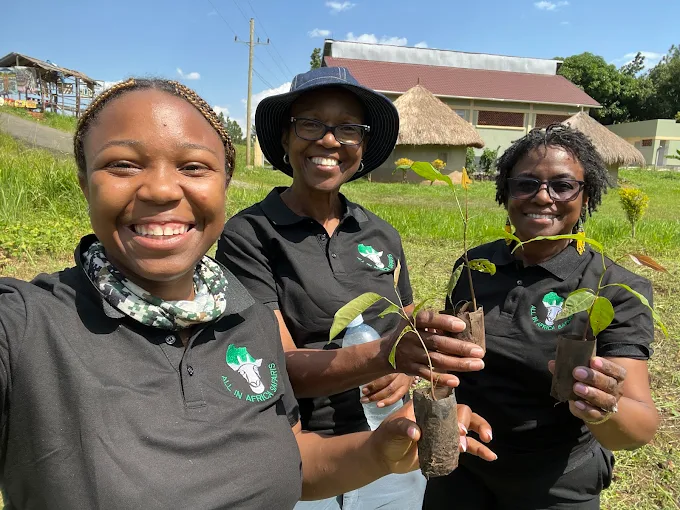
Every safari with us supports our Green Spot Campaign — planting trees across Uganda’s communities. Learn more & get involved →
All in Africa Safaris arranges tours to Uganda, Rwanda, Kenya and Tanzania
3 Days Murchison Falls Safari
Discover the Wildlife in the Murchison Falls National Park with engagement with a boat cruise and game drives which lead to a nature walk on top of the falls
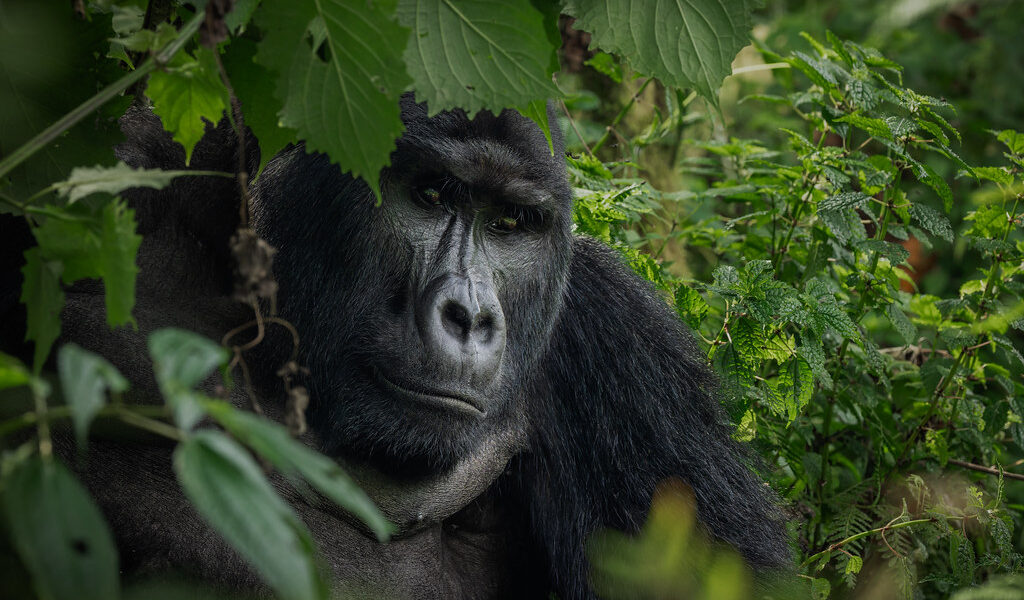
4 Days Gorillas & Queen Wildlife
Visit the magical national parks of Uganda known as Bwindi Forest and Queen Elizabeth National Park including gorilla trekking and wildlife views for travelers
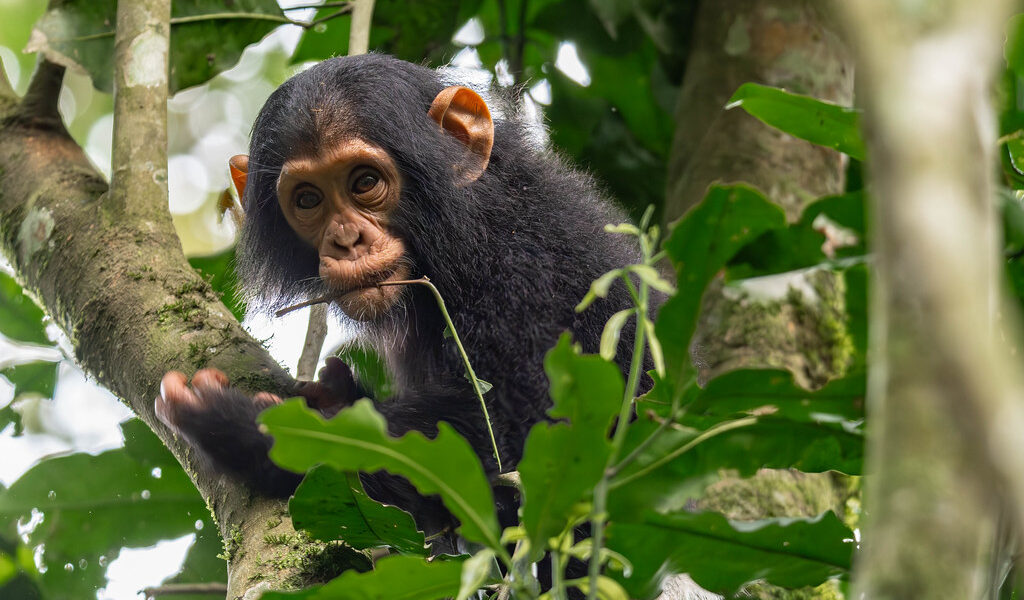
5 Days Gorillas & Chimps Track
Explore the great Mgahinga National Park conserving and protecting the endangered Mountain gorillas & chimpanzees in the pearl of Africa
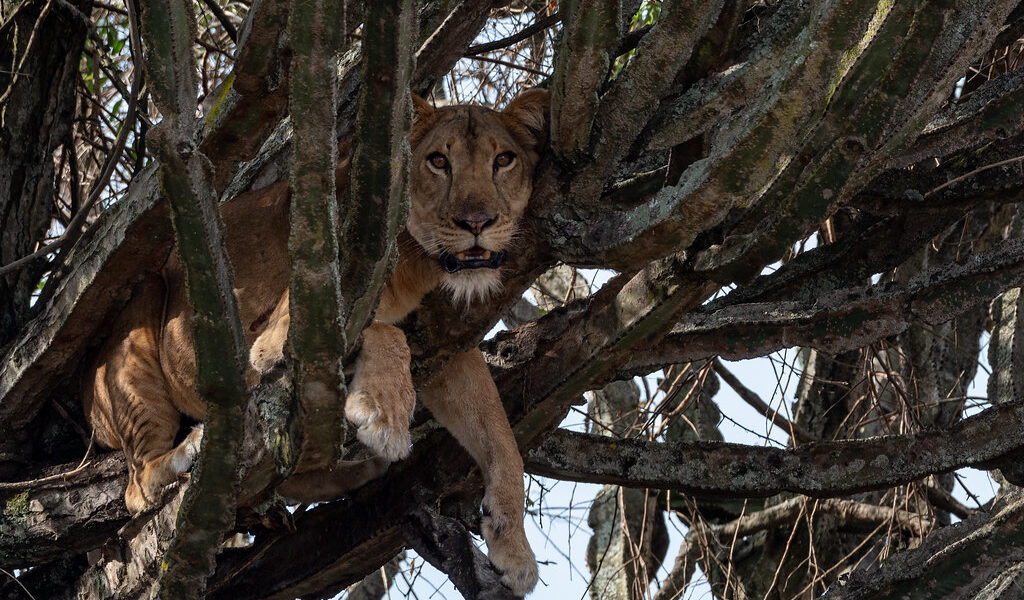
6 Days Uganda Safari
Visit the magical national parks of Uganda known as Bwindi Forest and Queen Elizabeth National Park which include the gorilla trekking and wildlife views
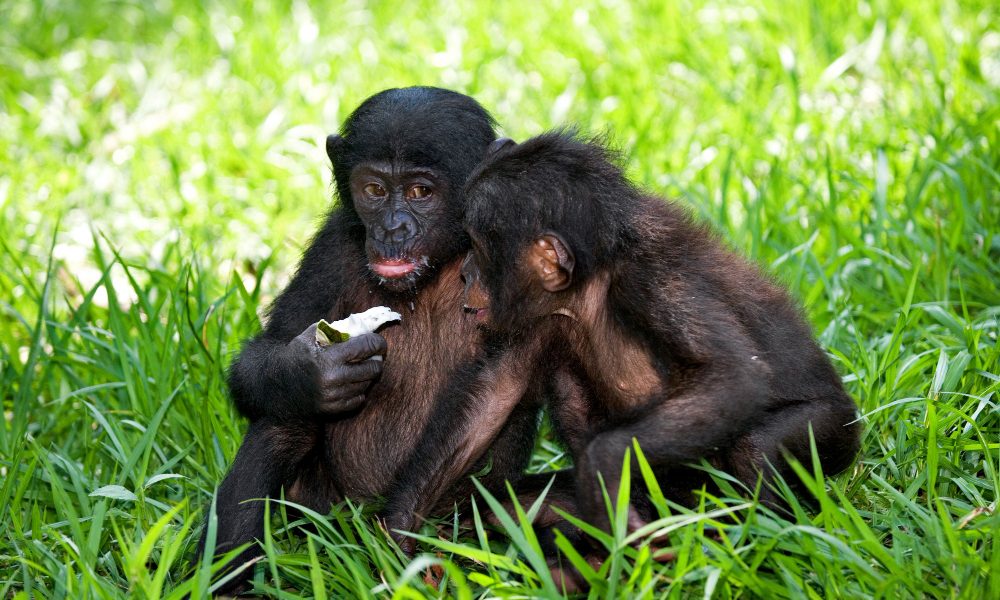
1 Day Bwindi Gorilla Tour from Kigali
A fast-paced day trip from Kigali into Bwindi Impenetrable Forest for a single unforgettable hour with a mountain gorilla family
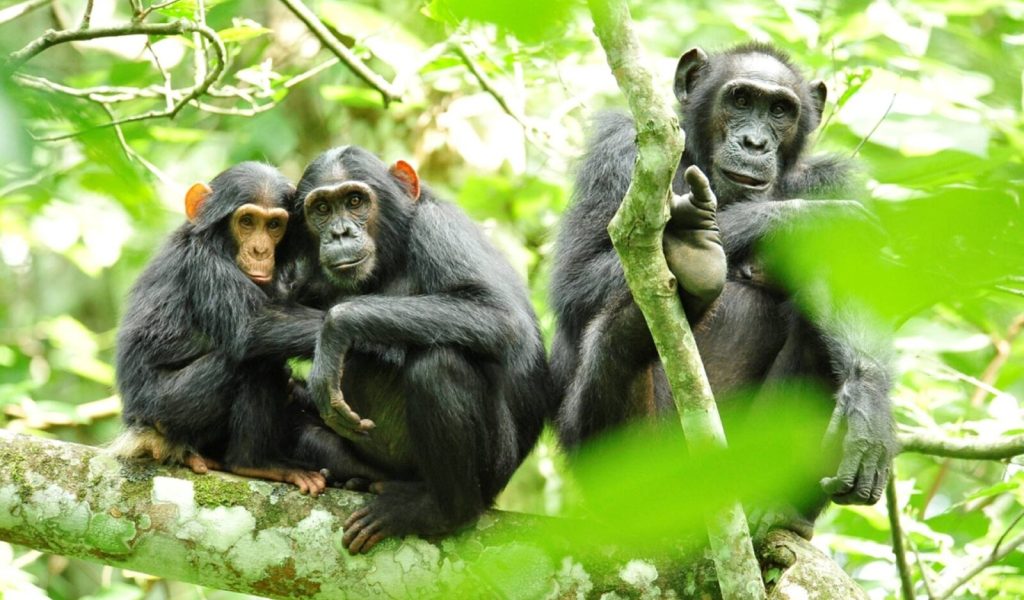
3 Days Chimpanzee Tracking in Kibale
Track chimpanzees through Africa’s primate capital, Kibale Forest, alongside a community walk through Bigodi Wetland Sanctuary
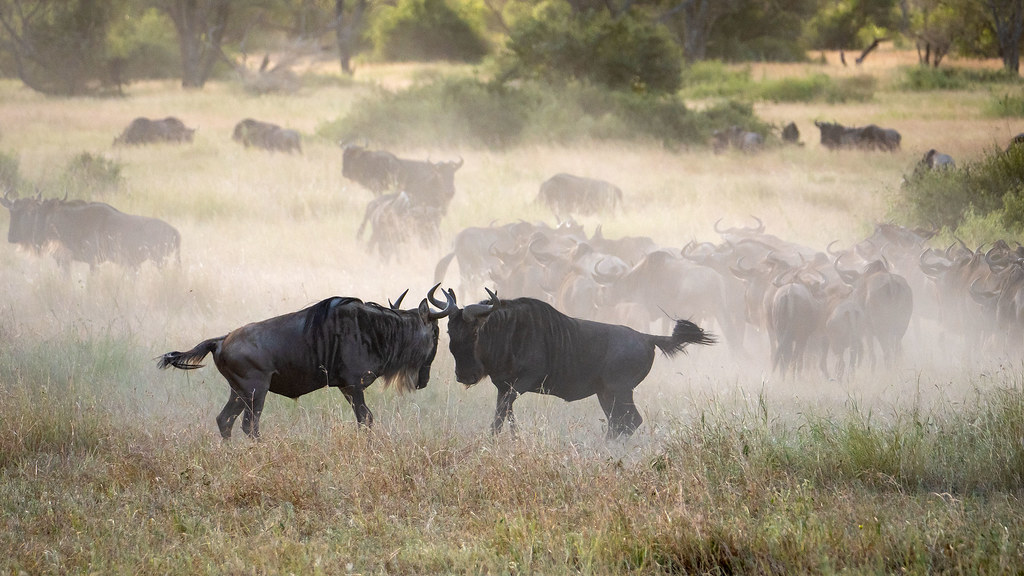
4 Days Kidepo Valley Wildlife Safari
Venture into Uganda’s most remote wilderness for cheetahs, ostriches and dramatic mountain scenery few visitors ever see
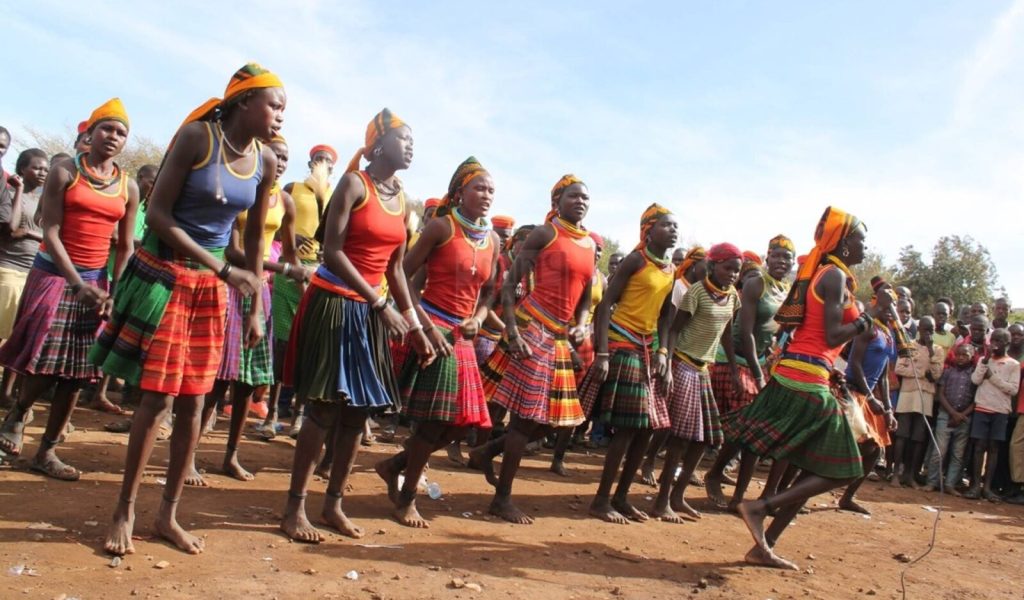
7 Day Kidepo and Sipi Safari
Combine Kidepo Valley’s wild plains with waterfall hikes and coffee tours in the Sipi Falls region
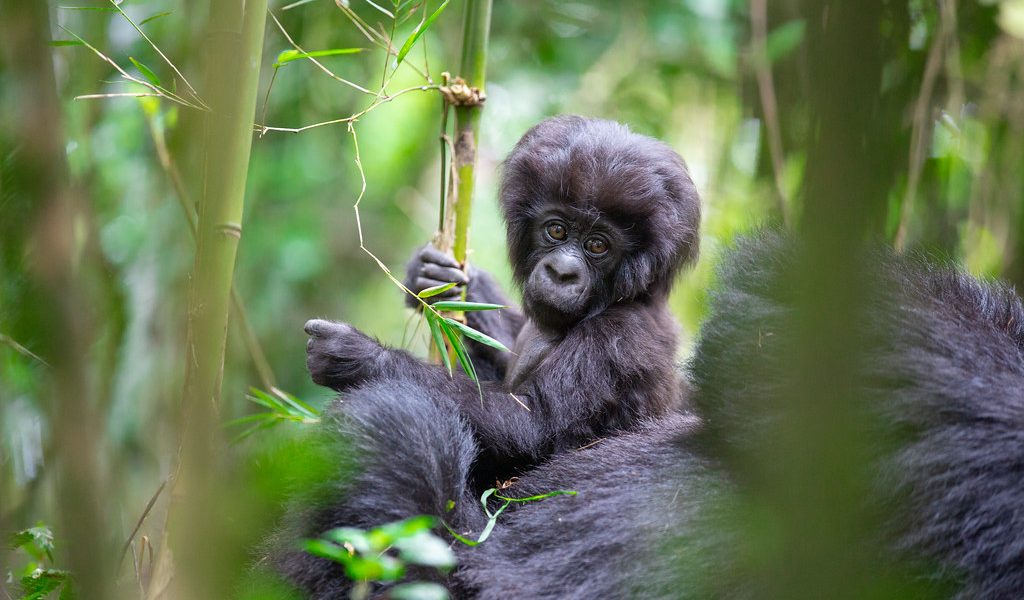
10 Days Rwanda Uganda Safari
A complete circuit through Volcanoes, Bwindi, Queen Elizabeth and Kibale for gorillas, chimps and classic wildlife
12 Days Uganda Leisure Holidays
An unhurried two-week journey through Murchison Falls, Kibale, Queen Elizabeth, Bwindi and Lake Mburo
14 Days Uganda Northern Circuit
Explore Kidepo Valley, Murchison Falls and Sipi Falls on this off-the-beaten-path northern adventure
15 Days Uganda Safari
Uganda’s full highlight reel across two relaxed weeks of gorillas, chimps, wildlife and scenic countryside