
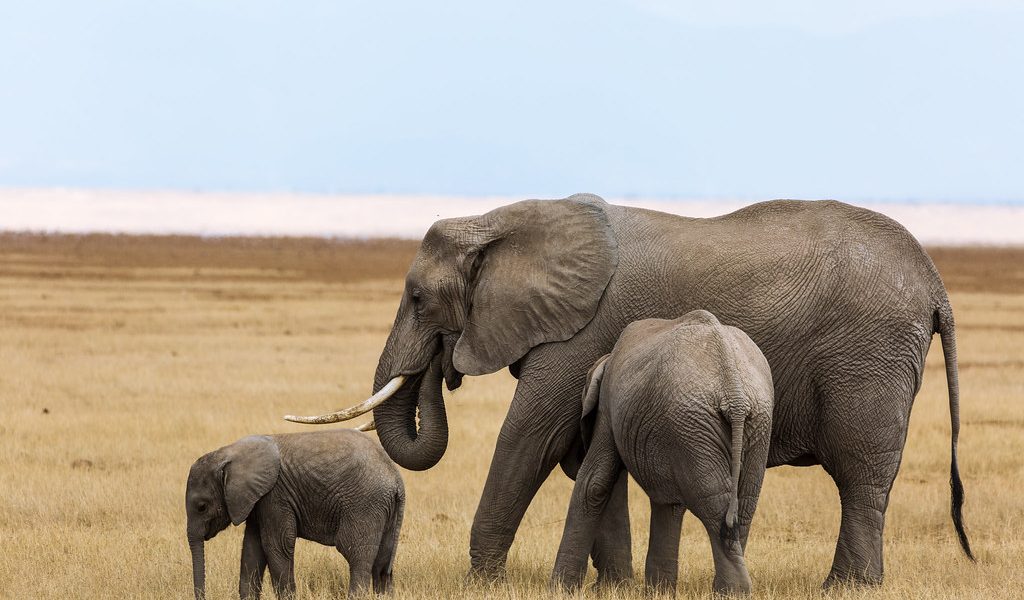
16 Days Uganda Ultimate Wildlife, Mountain and Primate Journey with African Cherry and Mvule Tree Planting
Overview
This 16-day Uganda safari combines the country’s most remarkable wildlife destinations with mountain gorilla trekking, chimpanzee tracking, cultural encounters and a practical indigenous tree-planting experience. Beginning and ending in Entebbe, the journey takes you through Murchison Falls National Park, Kibale Forest National Park, Queen Elizabeth National Park, Bwindi Impenetrable National Park and Lake Mburo National Park.
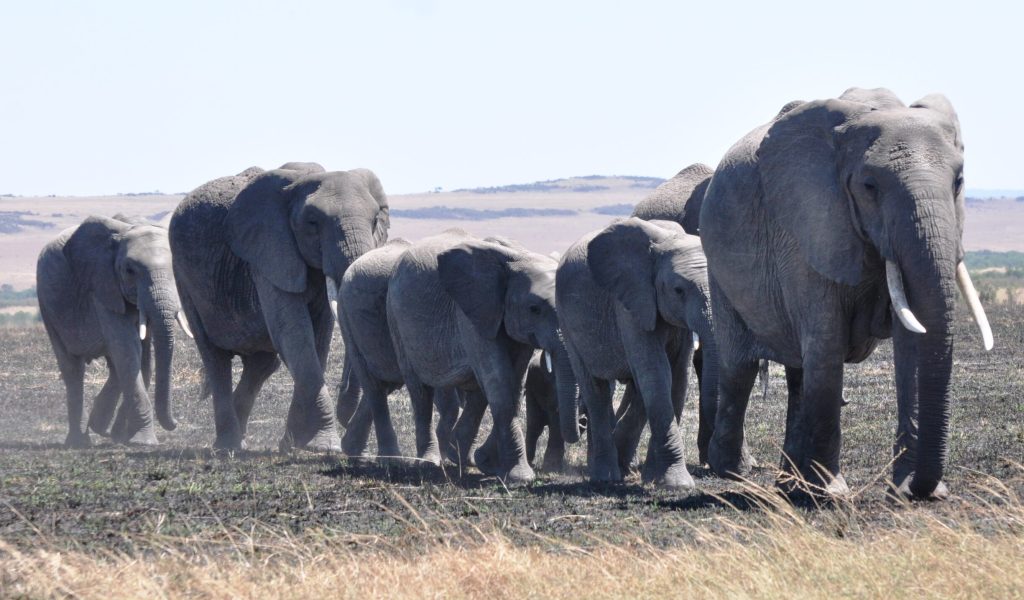
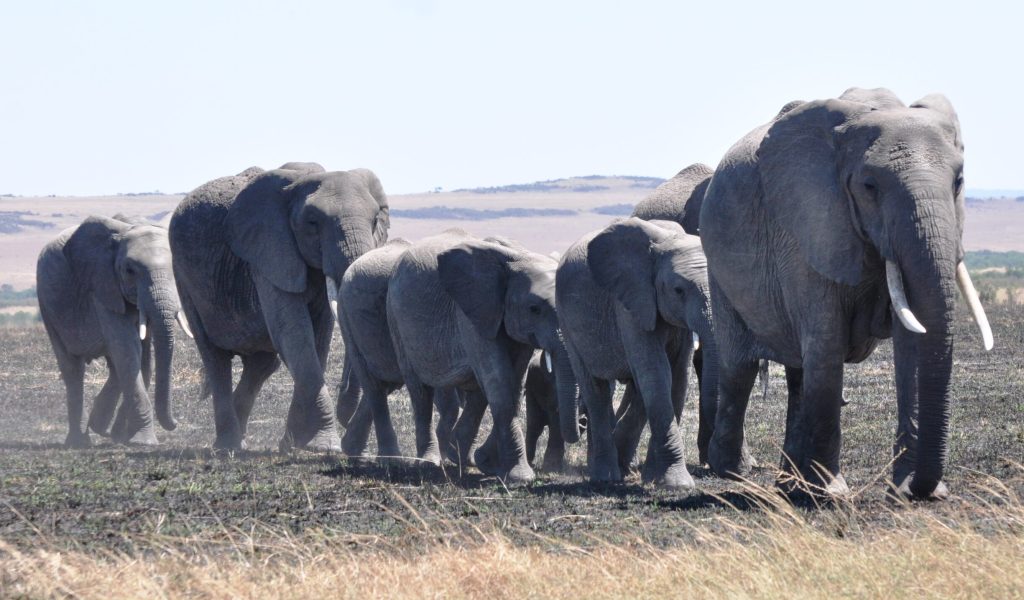
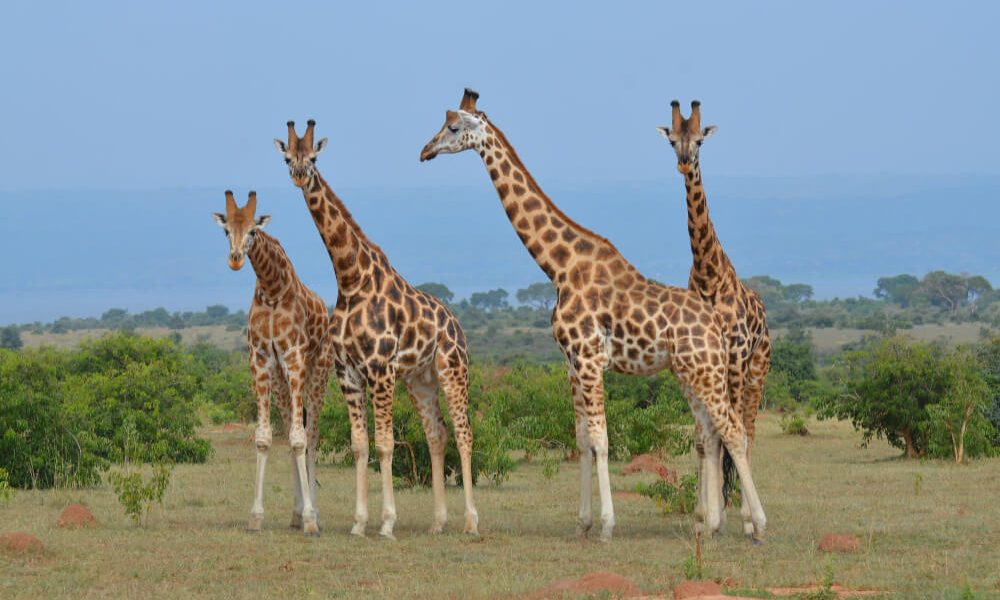
The safari begins in Murchison Falls, where you will search for elephants, giraffes, lions, buffaloes and other savannah wildlife. You will also visit Ziwa Rhino Sanctuary, enjoy a boat cruise on the Nile and experience the spectacular Murchison Falls.
Continue to Kibale Forest for chimpanzee tracking and a guided walk in Bigodi Wetland Sanctuary. The journey then proceeds to Queen Elizabeth National Park for game drives in the Kasenyi plains, a boat cruise along the Kazinga Channel and a wildlife experience in the Ishasha sector, known for its tree-climbing lions.
In Bwindi Impenetrable National Park, experience mountain gorilla trekking in the ancient rainforest and learn about the relationship between forest conservation and surrounding communities. A cultural experience with the Batwa community provides further insight into the region’s heritage.
The journey also incorporates the GreenSpot tree-planting programme. You will participate in planting selected indigenous tree species, including African cherry (Prunus africana) and Mvule (Milicia excelsa), alongside other suitable native trees. The programme introduces travellers to community conservation, forest restoration and the importance of protecting Uganda’s natural environment.
The safari concludes with a wildlife experience in Lake Mburo National Park before returning to Entebbe for departure.
This itinerary includes 15 nights of accommodation, with the final night in Entebbe before departure.
Safari Highlights
- Wildlife viewing in the Ishasha sector, with opportunities to search for tree-climbing lions.
- Mountain gorilla trekking in Bwindi Impenetrable National Park.
- Batwa cultural experience.
- GreenSpot indigenous tree-planting activity featuring Mvule and other suitable species.
- Wildlife viewing in Lake Mburo National Park.
- - Scenic drives through Uganda's forests, highlands, crater lakes and countryside.
- African cherry and indigenous tree planting near the Kibale region.
Tree Species Featured in the GreenSpot Planting Programme
The GreenSpot programme focuses on planting suitable indigenous and locally appropriate tree species. African cherry and Mvule are the two signature species of this safari, supported by other trees selected according to the conditions of each planting site.
African cherry – Prunus africana
Main uses: African cherry is an indigenous highland forest tree associated with montane forest environments. It contributes to forest biodiversity and provides habitat and food resources for wildlife. Its bark has been commercially harvested for traditional and medicinal products, which has placed pressure on wild populations.
Why plant it? Planting African cherry in suitable highland restoration areas can contribute to the recovery of native forest vegetation and help protect a tree species that has faced harvesting pressure. Seedlings should be sourced responsibly and protected as they grow.
Planted at: Approved highland community and forest-restoration sites in the wider Kibale or Bwindi regions, subject to local ecological assessment.
Mvule – Milicia excelsa
Main uses: Mvule is a large indigenous African hardwood tree valued for its durable timber. It also provides shade and contributes to the structure of suitable tropical woodland and forest ecosystems.
Why plant it? Mvule is an important indigenous tree for long-term community forestry and landscape restoration. Planting it in appropriate locations can help maintain native tree diversity and provide future environmental and livelihood benefits.
Planted at: Suitable community forestry, farm and restoration sites around the Lake Mburo region or other approved locations where local conditions support its growth.
Musizi – Maesopsis eminii
Main uses: Musizi is a fast-growing African tree used in forestry and managed planting systems. It can provide timber and shade and establish relatively quickly under suitable conditions.
Why plant it? It can support managed community forestry and selected restoration projects. However, because it can spread and alter some forest environments, planting should be carefully assessed and should not be treated as appropriate for every natural forest restoration site.
Planted at: Selected managed community forestry or farm sites near the Kibale region, subject to ecological guidance.
Mukebu – Cordia africana
Main uses: Mukebu is a useful indigenous African tree valued for its timber, shade and contribution to agricultural landscapes. It can also provide resources for wildlife.
Why plant it? Its use in appropriate farm and community landscapes can support tree cover, soil protection and sustainable land management.
Planted at: Suitable community farms and agroforestry sites in the western Uganda region.
African Newtonia – Newtonia buchananii
Main uses: African Newtonia is a large indigenous forest tree that contributes to the structure and diversity of mature forest ecosystems.
Why plant it? It can support long-term forest restoration and help rebuild native forest structure when planted in suitable habitats.
Planted at: Approved forest-restoration sites in suitable moist forest environments.
Greenheart – Warburgia ugandensis
Main uses: Greenheart is an indigenous East African forest tree associated with natural forest habitats. It is also known for its traditional uses.
Why plant it? It contributes to native forest diversity and can form part of restoration programmes designed to recover appropriate indigenous vegetation.
Planted at: Suitable community restoration sites around the Kibale and Bwindi landscapes, depending on local conditions.
Mutuba – Ficus natalensis
Main uses: Mutuba is an indigenous fig tree with cultural importance in Uganda, particularly for its traditional use in bark-cloth production. Its fruits also provide food for birds and other wildlife.
Why plant it? It can contribute to biodiversity, provide shade and support traditional cultural practices. Its fruiting habit makes it valuable in suitable wildlife-friendly landscapes.
Planted at: Suitable community farms and restoration sites around Bwindi and Lake Mburo.
Mugavu – Albizia coriaria
Main uses: Mugavu is an indigenous African tree used in local landscapes and traditional systems. It can provide shade and contribute to tree cover in suitable agricultural environments.
Why plant it? It can support community agroforestry and improve tree diversity in appropriate farm landscapes.
Planted at: Suitable community and farm sites around the Lake Mburo region.
Nsambya – Markhamia lutea
Main uses: Nsambya is a native East African tree recognised for its attractive yellow flowers. It is commonly valued for shade and its suitability for some community and farm landscapes.
Why plant it? It can improve tree cover and provide flowering resources for pollinators in suitable locations.
Planted at: Appropriate community farms and managed planting sites around Lake Mburo.
African mahogany – Khaya anthotheca
Main uses: African mahogany is a large indigenous African hardwood tree associated with tropical forest environments. It is valued for its timber and contribution to forest structure.
Why plant it? Planting African mahogany in suitable restoration areas can help maintain indigenous tree diversity and support long-term forest regeneration.
Planted at: Suitable approved community forestry and restoration sites around Bwindi, subject to ecological assessment.
Important planting note: The final species mix must be confirmed with local forestry experts and community partners. Species should be selected according to altitude, rainfall, soil, habitat and land use. Planting should take place on approved community, farm or restoration land, not inside protected national parks unless specific authorisation has been granted.
Detailed Itinerary
Day 1: Arrival in Entebbe
Arrive at Entebbe International Airport, where your safari guide from All In Africa Safaris will welcome you and assist with your transfer to the hotel.
Depending on your arrival time, you may enjoy a short visit to Entebbe town, the Botanical Gardens or the shores of Lake Victoria. Your guide will introduce the safari programme and explain the wildlife activities and GreenSpot tree-planting experiences planned during the journey.
Spend the evening relaxing at your hotel.
Accommodation: Hotel in Entebbe.
Meals: Dinner.
Day 2: Entebbe to Ziwa Rhino Sanctuary and Murchison Falls National Park
After breakfast, depart Entebbe and travel north towards Murchison Falls National Park. Your first major stop will be Ziwa Rhino Sanctuary, where you will participate in a guided walking rhino-tracking experience.
Accompanied by an experienced sanctuary guide, walk through the protected area in search of southern white rhinos. Learn about rhino conservation, habitat protection and the efforts to restore Uganda’s rhino population.
After the experience, continue towards Masindi for lunch before proceeding to Murchison Falls National Park. Depending on your arrival time, enjoy views of the surrounding landscape and an introductory wildlife drive.
Check in at your lodge and relax.
Accommodation: Lodge in or near Murchison Falls National Park.
Meals: Breakfast, lunch and dinner.
Day 3: Morning and Afternoon Game Drives in Murchison Falls National Park
Begin the day with an early morning game drive in the northern sector of Murchison Falls National Park. This is one of the best areas for observing savannah wildlife.
Your guide will search for elephants, Rothschild’s giraffes, buffaloes, Uganda kobs, hartebeests, waterbucks, warthogs and, with luck, lions and leopards.
Return to your lodge for breakfast or a late breakfast, followed by lunch and relaxation.
In the afternoon, enjoy another game drive through a different section of the park, depending on wildlife movements and road conditions. This provides additional opportunities for wildlife photography and observing animals in their natural environment.
Accommodation: Lodge in or near Murchison Falls National Park.
Meals: Breakfast, lunch and dinner.
Day 4: Nile Boat Cruise and Visit to the Top of Murchison Falls
After breakfast, proceed to the Nile River for a boat cruise towards the base of Murchison Falls. As you travel along the river, look out for hippos, Nile crocodiles, elephants, buffaloes and numerous waterbirds along the banks.
The boat trip offers excellent opportunities to observe wildlife at close range and appreciate the importance of the Nile River to the park’s ecosystem.
After the cruise, proceed for the top-of-the-falls experience, subject to access arrangements and conditions. Witness the Nile squeezing through a narrow rocky gorge before plunging into the river below.
Enjoy the dramatic views, take photographs and learn about the geological features of the falls before returning to your lodge.
Accommodation: Lodge in or near Murchison Falls National Park.
Meals: Breakfast, lunch and dinner.
Day 5: Murchison Falls to Fort Portal and Kibale Forest National Park
After breakfast, depart Murchison Falls and travel towards Fort Portal and Kibale Forest National Park.
The journey takes you through Uganda’s countryside, traditional settlements, agricultural landscapes and scenic western highlands. Enjoy stops along the way for refreshments and photographs.
Arrive at your lodge near Kibale Forest, check in and relax. Your guide will brief you about the following day’s chimpanzee tracking activity.
Accommodation: Lodge near Kibale Forest National Park.
Meals: Breakfast, lunch and dinner.
Day 6: Chimpanzee Tracking in Kibale Forest and Bigodi Wetland Sanctuary
After an early breakfast, transfer to the Kibale Forest visitor centre for a briefing by park officials and your assigned ranger guide.
Enter the rainforest in search of chimpanzees. Kibale is one of Africa’s most important primate destinations, supporting a rich diversity of primates and other forest wildlife.
During the tracking experience, you may encounter chimpanzees, red-tailed monkeys, black-and-white colobus monkeys, grey-cheeked mangabeys and several forest bird species. Once the chimpanzees are located, follow the ranger’s instructions regarding the permitted viewing time and distance.
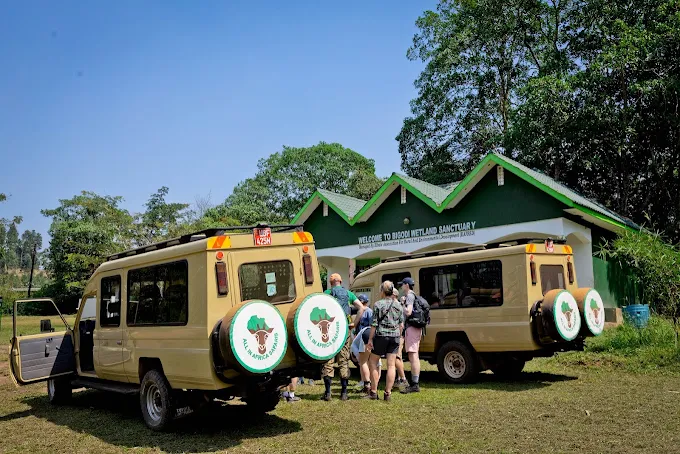
After lunch or a short rest, continue to Bigodi Wetland Sanctuary for a guided community nature walk. Explore the wetland’s vegetation, birdlife and primate habitats while learning about community-led conservation.
Return to your lodge in the afternoon.
Accommodation: Lodge near Kibale Forest National Park.
Meals: Breakfast, lunch and dinner.
Day 7: African Cherry and Indigenous Tree Planting Experience near Kibale
Today, participate in the GreenSpot tree-planting programme, an important conservation element of this safari.
After breakfast, visit a pre-arranged community, farm or restoration site in an ecologically suitable location around the Kibale landscape. Meet local participants and receive guidance on seedling preparation, planting techniques and aftercare.
The main signature species for this experience is African cherry (Prunus africana), a highland forest tree whose conservation is important because of pressure from bark harvesting. Learn about its ecological value and the need to protect naturally occurring populations.
Depending on the planting site’s conditions and the recommendations of local forestry partners, other species may include:
Musizi (Maesopsis eminii): For carefully managed community forestry sites.
Mukebu (Cordia africana): For suitable farm and agroforestry landscapes.
African Newtonia (Newtonia buchananii): For appropriate moist forest restoration areas.
Greenheart (Warburgia ugandensis): For suitable indigenous forest restoration sites.
Take part in planting the seedlings and learn how local communities can care for them through watering, mulching, protection from livestock and monitoring.
The experience also provides an opportunity to understand how tree planting can support biodiversity, soil protection, climate resilience and community livelihoods.
Return to your lodge in the afternoon.
Accommodation: Lodge near Kibale Forest National Park.
Meals: Breakfast, lunch and dinner.
Day 8: Kibale Forest to Queen Elizabeth National Park
After breakfast, depart Kibale Forest for Queen Elizabeth National Park. The drive takes you through the scenic landscapes of western Uganda, with views of crater lakes, rolling hills and rural communities.
On arrival, check in at your lodge and enjoy lunch.
Depending on your arrival time, proceed for an introductory afternoon game drive in the Kasenyi plains. Look out for elephants, buffaloes, Uganda kobs, warthogs and other savannah wildlife.
Return to your lodge for dinner and an overnight stay.
Accommodation: Lodge in Queen Elizabeth National Park.
Meals: Breakfast, lunch and dinner.
Day 9: Morning Game Drive in Kasenyi Plains
Rise early for a morning game drive in the Kasenyi plains, one of Queen Elizabeth National Park’s recognised wildlife-viewing areas.
Explore the open grasslands in search of lions, elephants, buffaloes, Uganda kobs, waterbucks, warthogs and other animals. Your guide will explain the behaviour of the different species and how they interact within the savannah ecosystem.
Return to your lodge for breakfast and relaxation.
After lunch, enjoy time at the lodge or arrange an optional community visit, depending on your interests and available time.
Accommodation: Lodge in Queen Elizabeth National Park.
Meals: Breakfast, lunch and dinner.
Day 10: Kazinga Channel Boat Cruise and Transfer to Ishasha
After breakfast, proceed to the Kazinga Channel for a scheduled boat cruise. The channel connects Lake Edward and Lake George and is one of the park’s important wildlife areas.
During the cruise, observe hippos, Nile crocodiles, elephants, buffaloes and a variety of waterbirds along the shoreline. The boat provides excellent opportunities for wildlife photography and learning about the aquatic ecosystem.
After the cruise, continue towards the Ishasha sector in the southern part of Queen Elizabeth National Park.
Enjoy an afternoon game drive in search of the famous tree-climbing lions. You may also encounter elephants, buffaloes, topis, Uganda kobs and other wildlife.
Check in at your lodge in Ishasha.
Accommodation: Lodge in Ishasha.
Meals: Breakfast, lunch and dinner.
Day 11: Ishasha Wildlife Safari and Transfer to Bwindi Impenetrable National Park
Begin the morning with a game drive in the Ishasha sector. Continue searching for tree-climbing lions, which are among the most distinctive wildlife attractions of this part of Queen Elizabeth National Park.
Your guide will also look for elephants, buffaloes, antelopes and other wildlife before you depart for Bwindi Impenetrable National Park.
Travel through the scenic highlands and rural communities of southwestern Uganda. As you approach Bwindi, the landscape changes into steep hills, cultivated slopes and dense montane forest.
Arrive at your lodge in the appropriate gorilla trekking sector. Your accommodation should be selected according to the location of your confirmed gorilla permit.
Accommodation: Lodge near Bwindi Impenetrable National Park.
Meals: Breakfast, lunch and dinner.
Day 12: Mountain Gorilla Trekking in Bwindi Impenetrable National Park
After an early breakfast, transfer to the park headquarters for your mountain gorilla trekking briefing.
Park rangers will explain the trekking rules, safety guidelines and conservation requirements before assigning you to a habituated gorilla family.
Enter the forest accompanied by experienced ranger guides and begin the search for the gorillas. The trek can take several hours depending on the location and movement of the assigned family. Trails may be steep, muddy and covered by thick vegetation.
Once the gorillas are located, you will be allowed a maximum of one hour to observe them under the applicable park rules. Watch their feeding, grooming, movement and interactions within the family.
After the encounter, return to the park headquarters and transfer to your lodge.
Spend the rest of the day relaxing and reflecting on your gorilla trekking experience.
Accommodation: Lodge near Bwindi Impenetrable National Park.
Meals: Breakfast, lunch and dinner.
Day 13: Batwa Cultural Experience and Indigenous Tree Conservation
After breakfast, enjoy a community cultural experience with the Batwa. Learn about their history, traditional forest knowledge, music, storytelling and relationship with the forest.
The experience offers insight into the importance of recognising local heritage and involving surrounding communities in conservation and sustainable tourism.
Later, participate in another GreenSpot conservation activity at an approved community or restoration site.
Depending on the local planting conditions, the programme may feature:
African cherry (Prunus africana): For suitable highland forest restoration sites.
Greenheart (Warburgia ugandensis): For appropriate moist forest habitats.
African mahogany (Khaya anthotheca): For suitable indigenous forest restoration.
Mutuba (Ficus natalensis): For community landscapes and appropriate wildlife-friendly planting sites.
Meet local conservation participants and learn about the importance of native trees in protecting forest biodiversity, maintaining soil stability and supporting wildlife habitats.
Return to your lodge in the afternoon.
Accommodation: Lodge near Bwindi Impenetrable National Park.
Meals: Breakfast, lunch and dinner.
Day 14: Bwindi to Lake Mburo National Park with Mvule Tree Planting
After breakfast, depart Bwindi for Lake Mburo National Park, travelling through the beautiful landscapes of southwestern Uganda.
Along the way, stop at a pre-arranged community or farm planting site in a suitable location. Participate in the GreenSpot Mvule tree-planting experience.
The main signature species for this activity is Mvule (Milicia excelsa), a valuable indigenous African hardwood tree. Learn about its ecological importance, its value in community forestry and the need for responsible planting and long-term protection.
Other suitable species may include:
Mugavu (Albizia coriaria): For appropriate community and farm landscapes.
Nsambya (Markhamia lutea): For suitable managed planting areas.
Mutuba (Ficus natalensis): For community landscapes and wildlife-friendly sites.
Take part in planting seedlings with local participants and learn about their care, including mulching, protection from livestock, watering where necessary and monitoring.
After the activity, continue to Lake Mburo National Park. Arrive at your lodge, check in and enjoy the surrounding natural environment.
Accommodation: Lodge in or near Lake Mburo National Park.
Meals: Breakfast, lunch and dinner.
Day 15: Lake Mburo Wildlife Safari and Transfer to Entebbe
After breakfast, enjoy a morning game drive in Lake Mburo National Park. The park is known for its zebras, impalas, elands, buffaloes, giraffes, warthogs and other wildlife.
Explore the savannah and woodland habitats with your guide, learning about the animals and the park’s ecological importance.
Depending on your interests and the available schedule, you may arrange an optional guided nature walk or boat trip on Lake Mburo.
After the wildlife experience, depart for Entebbe. Enjoy a lunch stop along the journey before continuing towards the airport town.
Arrive in Entebbe and check in at your hotel for the final night of the safari.
Accommodation: Hotel in Entebbe.
Meals: Breakfast and lunch.
Day 16: Departure from Entebbe
Enjoy breakfast at your hotel, depending on your flight schedule.
Your safari guide will transfer you to Entebbe International Airport for your onward flight. If your departure is later in the day, you may have time for a short activity in Entebbe, depending on the available time.
This marks the end of your 16-day Uganda safari, combining wildlife encounters, mountain gorilla trekking, chimpanzee tracking, cultural experiences and practical participation in indigenous tree conservation.
Accommodation: None.
Meals: Breakfast.
Optional Activities
Depending on your interests, available time and park arrangements, you can add several activities to the safari.
Murchison Falls National Park: Optional activities include additional game drives, birdwatching, a Nile delta boat excursion and guided nature experiences.
Kibale Forest: You may arrange a chimpanzee habituation experience instead of standard chimpanzee tracking, subject to permits and availability. Additional birdwatching and community visits can also be organised.
Queen Elizabeth National Park: Optional activities include a visit to the Katwe salt-mining area, a guided nature walk where authorised, additional game drives and birdwatching.
Bwindi Impenetrable National Park: Depending on the trekking sector, optional activities include additional community visits, guided nature walks and other locally organised cultural experiences.
Lake Mburo National Park: Optional activities include horseback safaris, guided walking safaris, birdwatching and boat trips on Lake Mburo, subject to availability.
Arrange activities requiring permits, specialist guides or additional transport in advance.
Frequently Asked Questions
Can I see the Big Five during this 16-day Uganda safari?
Uganda offers opportunities to see the Big Five across different destinations. You will search for lions, leopards, elephants and buffaloes in Murchison Falls and Queen Elizabeth National Parks, while Ziwa Rhino Sanctuary provides an opportunity to track rhinos on foot. Sightings of wild animals are never guaranteed.
Is mountain gorilla trekking included?
Yes. Day 12 is dedicated to mountain gorilla trekking in Bwindi Impenetrable National Park. A valid gorilla trekking permit must be secured in advance. The accommodation and trekking arrangements must match the sector where your permit is booked.
How long does gorilla trekking take?
The duration varies according to the location and movement of the assigned gorilla family. It can take several hours to find the gorillas. Once they are located, visitors are generally allowed a maximum of one hour with them, subject to park regulations.
Can I see chimpanzees in Kibale Forest?
Yes. Kibale Forest is one of Uganda’s leading chimpanzee tracking destinations. You will participate in a guided tracking experience on Day 6. Sightings depend on the movement of the chimpanzees and forest conditions.
What is the difference between chimpanzee tracking and chimpanzee habituation?
Chimpanzee tracking involves visiting a chimpanzee community that is already habituated to human presence. The habituation experience allows visitors to spend more time following a chimpanzee community that is undergoing the process of becoming accustomed to human observers. The two activities have different permit arrangements and availability.
Can I see tree-climbing lions in Ishasha?
Ishasha is well known for its tree-climbing lions. You will have an afternoon game drive on Day 10 and another opportunity to search for them on Day 11. However, lions may not always be visible in trees.
What is the purpose of the GreenSpot tree-planting programme?
The programme allows travellers to participate in practical environmental conservation. It focuses on planting suitable indigenous tree species, supporting community involvement and raising awareness about forest restoration, biodiversity and climate resilience.
Will I plant African cherry and Mvule during the safari?
Yes, these are the two signature species planned for the programme. African cherry is featured in the Day 7 planting experience, while Mvule is the main species for Day 14. Their planting depends on the availability of suitable approved sites and seedlings.
Can all ten tree species be planted during the safari?
The itinerary features ten proposed species, but the final planting combination depends on the ecological conditions of each location. Some species may be unsuitable for particular sites. Local forestry partners should confirm the final selection before the planting activities.
What is the minimum age for gorilla and chimpanzee trekking?
The general minimum age is 15 years for mountain gorilla trekking and 12 years for standard chimpanzee tracking in Uganda. Age rules and permit conditions should be reconfirmed with the relevant authorities when booking.
How physically demanding is this safari?
The safari involves long road transfers, early morning game drives, forest walks and potentially strenuous gorilla and chimpanzee trekking. Gorilla trekking can involve steep slopes, muddy trails and thick vegetation. A reasonable level of fitness is recommended.
Wildlife and Conservation Experiences
Murchison Falls National Park
Murchison Falls National Park protects a large area of savannah, woodland, riverine forest and wetland habitats in northwestern Uganda. The Nile River flows through the park before forcing its way through a narrow gorge at Murchison Falls.
The park supports elephants, Rothschild’s giraffes, buffaloes, lions, leopards, Uganda kobs, waterbucks and numerous bird species. Its river ecosystem supports hippos, Nile crocodiles and waterbirds.
The Nile boat cruise provides a different perspective of the park, allowing visitors to observe animals along the riverbanks. The visit to the top of the falls introduces travellers to the power of the Nile and the geological features of the landscape.
Kibale Forest National Park and Chimpanzee Conservation
Kibale Forest is one of East Africa’s most important tropical forest ecosystems and is especially recognised for its primate diversity. It supports chimpanzees, red-tailed monkeys, black-and-white colobus monkeys, grey-cheeked mangabeys and other forest wildlife.
Chimpanzee tracking provides an opportunity to observe these intelligent primates in their natural habitat while learning about their behaviour and conservation.
The nearby Bigodi Wetland Sanctuary demonstrates the role of community participation in protecting natural habitats. Community tourism and conservation activities help visitors understand the connection between biodiversity, livelihoods and environmental protection.
Queen Elizabeth National Park
Queen Elizabeth National Park contains a variety of habitats, including open savannah, woodland, wetlands, crater lakes and riverine environments.
The Kasenyi plains offer opportunities to search for lions, elephants, buffaloes and antelopes. The Kazinga Channel is an important wildlife viewing area, particularly for hippos, crocodiles, elephants and waterbirds.
The Ishasha sector is especially recognised for its tree-climbing lions. Wildlife viewing in the park varies according to season, habitat conditions and animal movements.
Bwindi Impenetrable National Park and Mountain Gorilla Conservation
Bwindi Impenetrable National Park protects an ancient montane rainforest in southwestern Uganda. It is internationally recognised for its endangered mountain gorilla population and rich biodiversity.
Gorilla trekking provides an opportunity to observe one of the world’s most remarkable primates in its natural forest habitat. Visitors are required to follow ranger instructions, maintain the required distance and respect the gorillas’ environment.
Conservation efforts include ranger patrols, veterinary monitoring, research, habitat protection and cooperation with communities around the park.
The Batwa cultural experience introduces visitors to aspects of the heritage and traditional forest knowledge of one of the communities historically associated with the region.
Lake Mburo National Park
Lake Mburo National Park protects savannah, woodland, wetlands and lake habitats in western Uganda. It is particularly known for zebras, impalas, elands, buffaloes, giraffes and a variety of bird species.
The park offers a different wildlife experience from Murchison Falls and Queen Elizabeth, with opportunities for walking safaris and other activities where authorised.
The surrounding landscape also provides suitable opportunities for community-based conservation and managed tree-growing projects, depending on the selected planting site’s ecological conditions.
GreenSpot Tree Planting and Community Conservation
GreenSpot is an important part of this safari, giving visitors an opportunity to participate in conservation beyond wildlife viewing.
The programme features African cherry and Mvule as its two signature tree species, alongside other proposed indigenous species such as musizi, mukebu, African Newtonia, greenheart, mutuba, mugavu, nsambya and African mahogany.
The planting experiences are planned for Day 7 around the Kibale landscape and Day 14 along the journey towards Lake Mburo. An additional community conservation activity is included on Day 13 around Bwindi.
The programme can include:
Planting seedlings at approved community or restoration sites.
Learning about indigenous tree species and their ecological importance.
Understanding the relationship between forests, wildlife and local communities.
Learning appropriate seedling care and protection methods.
Meeting community members involved in tree growing and environmental conservation.
Understanding how long-term tree maintenance contributes to successful restoration.
Planting is only the beginning of the conservation process. Local partners should monitor seedlings, protect them from livestock and fire, replace failed seedlings where necessary and organise watering during dry periods when required.
Community and Cultural Experiences
This safari also provides opportunities to understand the people and cultures connected to Uganda’s wildlife destinations.
Around Ziwa Rhino Sanctuary, visitors learn about rhino conservation and the role of protected breeding programmes.
Around Kibale Forest, the Bigodi community experience introduces visitors to wetland conservation, local livelihoods and community-based tourism.
In Queen Elizabeth National Park, optional community visits can introduce travellers to local agricultural activities and the relationship between communities and wildlife habitats.
Around Bwindi, the Batwa cultural experience provides an opportunity to learn about traditional knowledge, heritage and the importance of respectful community engagement.
The GreenSpot programme adds a practical conservation experience by involving travellers in community tree-growing activities.
Practical Notes
Gorilla trekking permits: Secure the Bwindi gorilla trekking permit in advance. The permit sector must be confirmed before selecting accommodation.
Chimpanzee permits: Confirm Kibale chimpanzee tracking permits before travel. If you prefer the habituation experience, arrange the correct permit and adjust the itinerary accordingly.
Ziwa Rhino Sanctuary: Confirm the walking rhino-tracking arrangements and applicable fees before the safari.
Park activities: Confirm game drive schedules, boat cruise availability, park fees and access arrangements with the relevant authorities.
Tree planting: Confirm the planting sites, seedlings and local partners before travel. Planting should take place on approved community, farm or restoration land. Do not assume that planting is permitted inside national parks.
Tree species: Prioritise indigenous species appropriate to the local ecosystem. African cherry requires suitable highland conditions, while Mvule requires appropriate tropical growing conditions. The final species selection should be approved by local forestry specialists.
Road transfers: This itinerary includes long drives, especially between Murchison Falls and Kibale, and between Bwindi and Lake Mburo. Allow flexibility for road conditions, weather and stops.
Fitness: Gorilla and chimpanzee trekking may be physically demanding. Comfortable hiking boots, long trousers, a rain jacket and gardening gloves are recommended for the forest and tree-planting activities.
Travel documents: Carry a valid passport and confirm Uganda’s current entry and visa requirements before travelling.
Travel insurance: Comprehensive travel insurance is recommended, including medical emergencies, evacuation and trip interruption cover.
Permits and park fees: Confirm which permits, entrance fees, activities and transfers are included in the final safari quotation.
Best Time to Visit Uganda
Uganda is a year-round safari destination, although weather conditions can influence wildlife viewing, trekking and road travel.
The main drier periods generally occur from June to September and December to February. These months are often convenient for game drives, gorilla trekking, chimpanzee tracking and travelling between national parks.
The wetter periods generally occur from March to May and October to November. Forests become greener, and birdwatching can be rewarding, although trails may become muddy and some road journeys may take longer.
For this combined wildlife, primate and tree-planting safari, the drier months are generally convenient. However, tree planting should be scheduled according to seedling availability, local rainfall patterns and advice from the community forestry partners. Gorilla and chimpanzee permits should be booked early regardless of the travel season.
Tour Includes
- Travel in a 4×4 car
- Professional guide
- Park fees
- Accommodation
- Meals
- All Activities In Itinerary
Tour Excludes
- Alcoholic drinks
- Laundry
- Tips
- Shopping
- Insurance
- Anything not included per itinerary
Get Your Tailored 5 Days Rwanda Gorilla Trekking Hagenia abyssinica Tree-Planting Safari from Kigali to Musanze
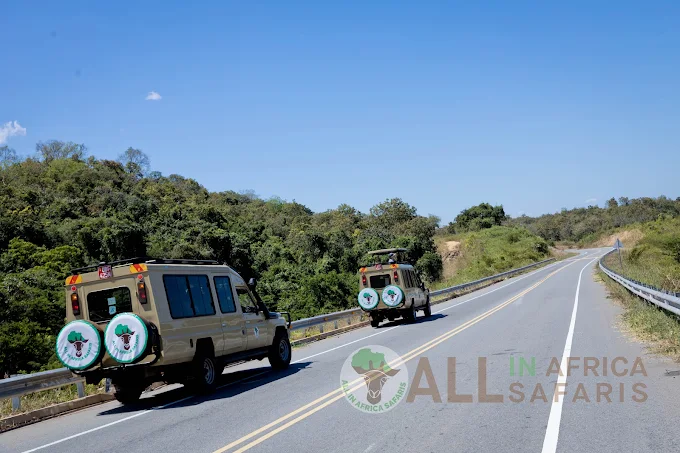
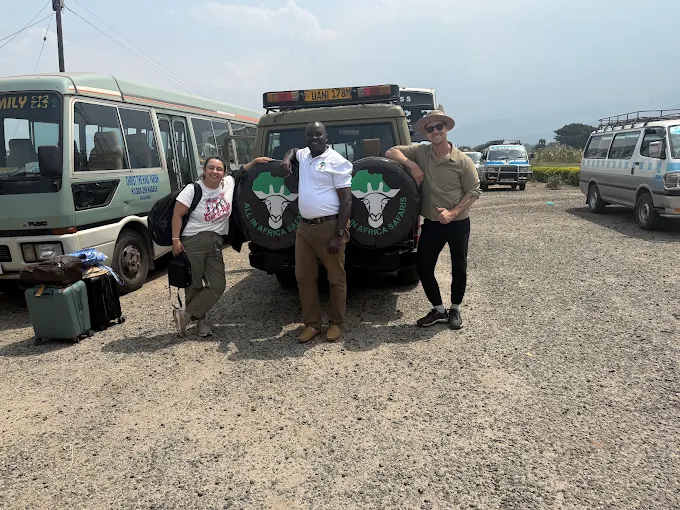
Uganda Safari Photos
Our Green Spot Campaign
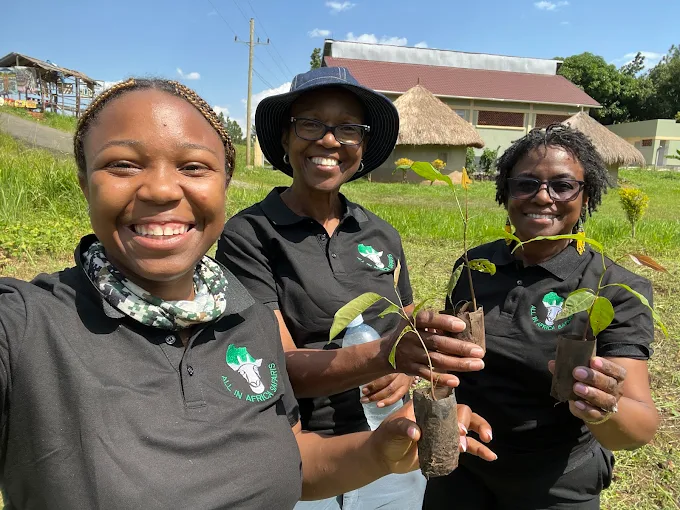
Every safari with us supports our Green Spot Campaign — planting trees across Uganda’s communities. Learn more & get involved →
3 Days Murchison Falls Safari
Discover the Wildlife in the Murchison Falls National Park with engagement with a boat cruise and game drives which lead to a nature walk on top of the falls
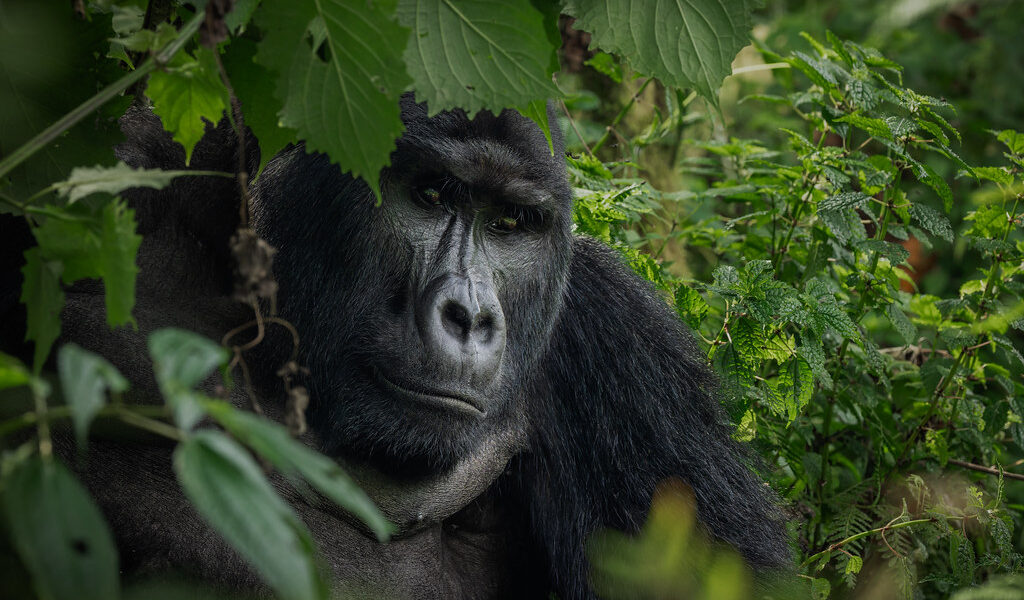
4 Days Gorillas & Queen Wildlife
Visit the magical national parks of Uganda known as Bwindi Forest and Queen Elizabeth National Park including gorilla trekking and wildlife views for travelers
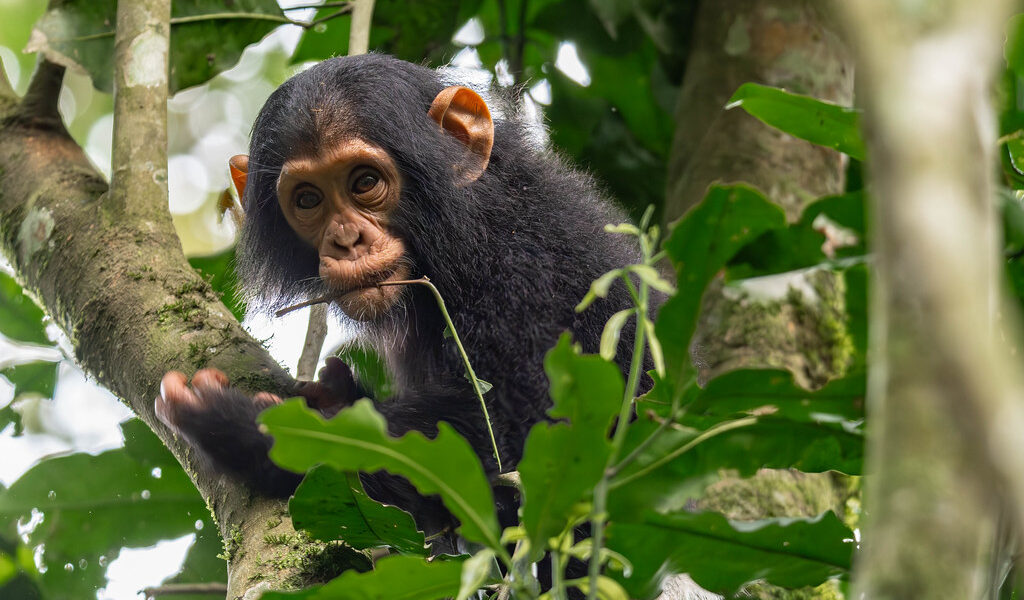
5 Days Gorillas & Chimps Track
Explore the great Mgahinga National Park conserving and protecting the endangered Mountain gorillas & chimpanzees in the pearl of Africa
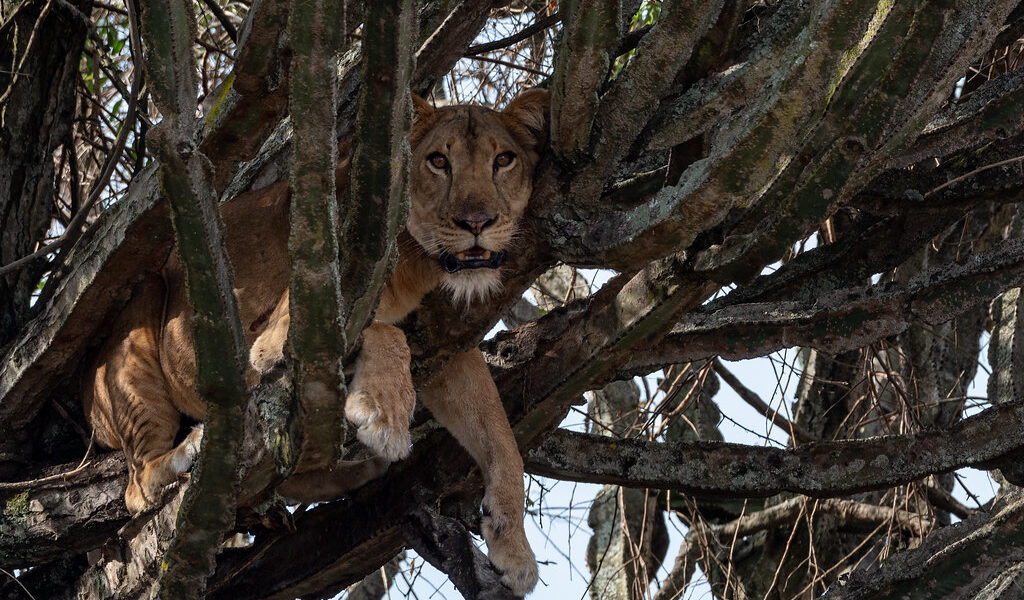
6 Days Uganda Safari
Visit the magical national parks of Uganda known as Bwindi Forest and Queen Elizabeth National Park which include the gorilla trekking and wildlife views
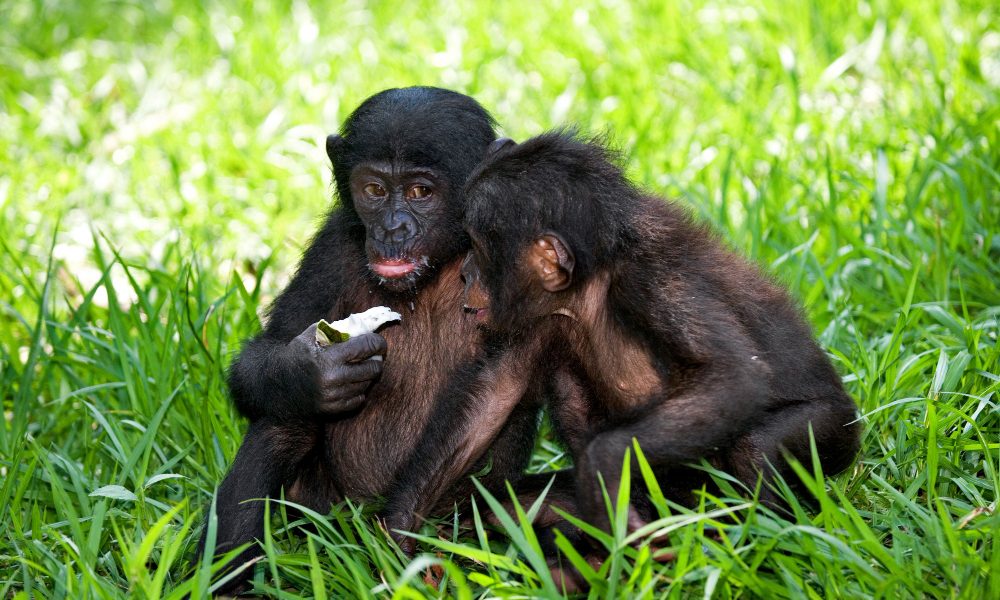
1 Day Bwindi Gorilla Tour from Kigali
A fast-paced day trip from Kigali into Bwindi Impenetrable Forest for a single unforgettable hour with a mountain gorilla family
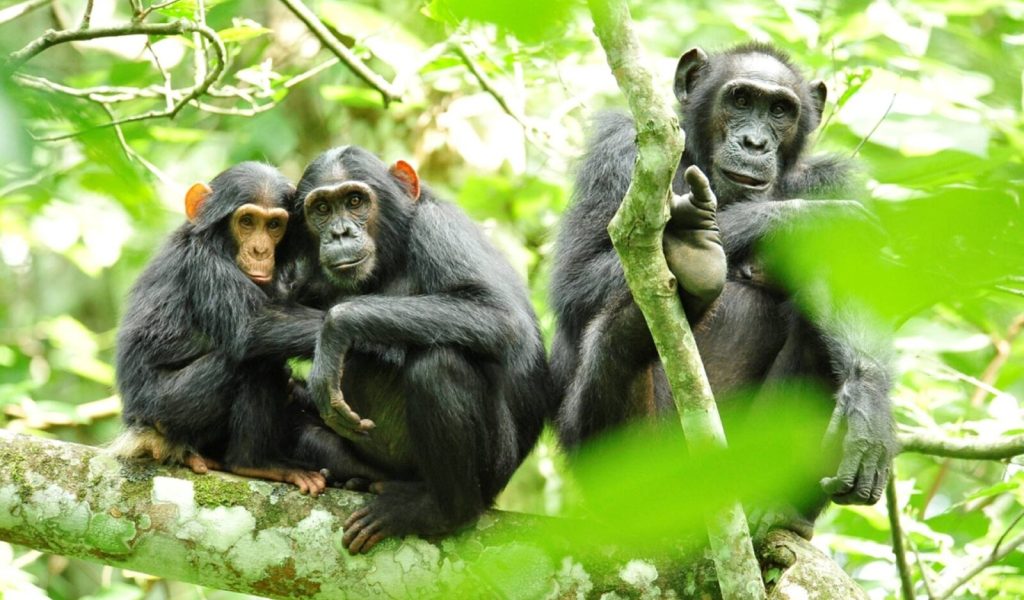
3 Days Chimpanzee Tracking in Kibale
Track chimpanzees through Africa’s primate capital, Kibale Forest, alongside a community walk through Bigodi Wetland Sanctuary
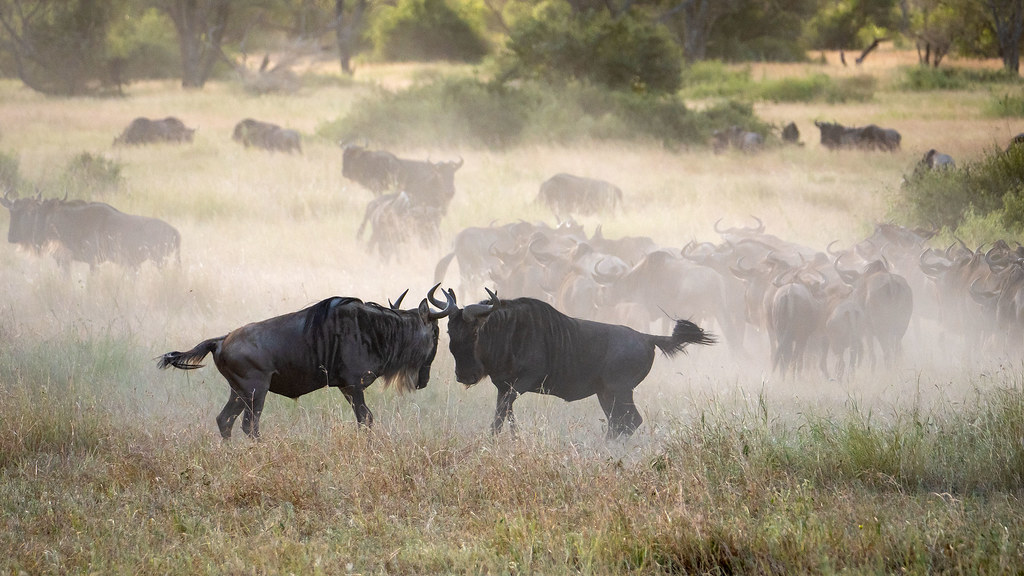
4 Days Kidepo Valley Wildlife Safari
Venture into Uganda’s most remote wilderness for cheetahs, ostriches and dramatic mountain scenery few visitors ever see
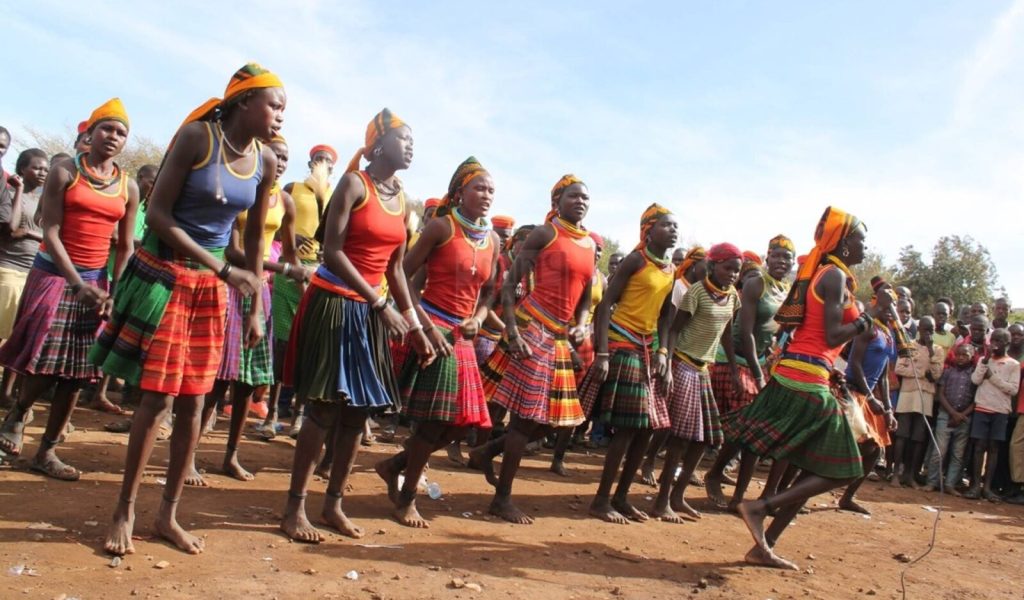
7 Day Kidepo and Sipi Safari
Combine Kidepo Valley’s wild plains with waterfall hikes and coffee tours in the Sipi Falls region
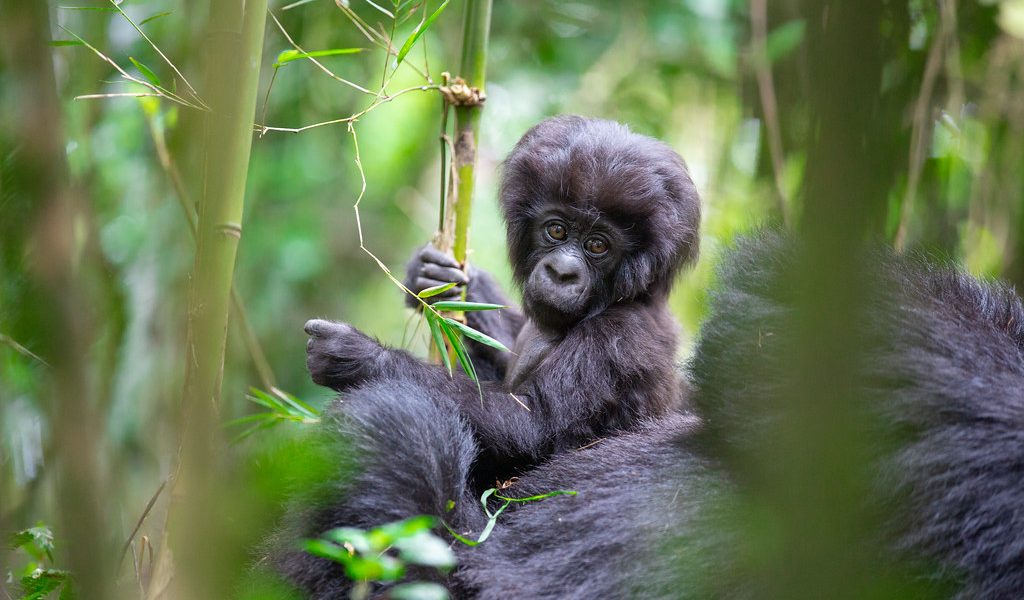
10 Days Rwanda Uganda Safari
A complete circuit through Volcanoes, Bwindi, Queen Elizabeth and Kibale for gorillas, chimps and classic wildlife
12 Days Uganda Leisure Holidays
An unhurried two-week journey through Murchison Falls, Kibale, Queen Elizabeth, Bwindi and Lake Mburo
14 Days Uganda Northern Circuit
Explore Kidepo Valley, Murchison Falls and Sipi Falls on this off-the-beaten-path northern adventure
15 Days Uganda Safari
Uganda’s full highlight reel across two relaxed weeks of gorillas, chimps, wildlife and scenic countryside