
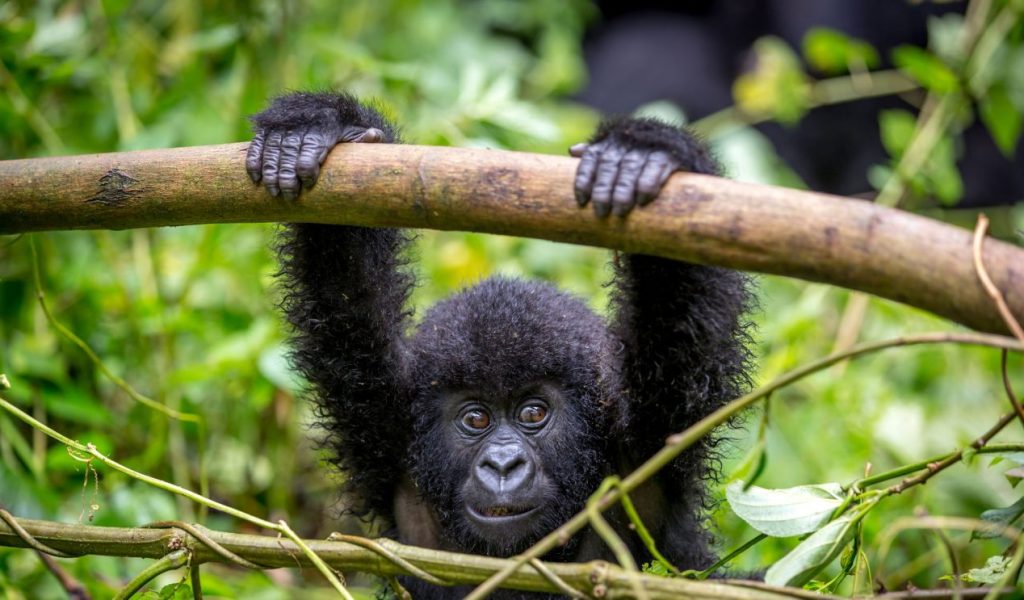
3 Days Rwanda and Uganda Gorilla Trekking: Volcanoes and Bwindi with African Cherry Tree Planting
Overview
This three-day Rwanda and Uganda gorilla trekking safari combines two extraordinary mountain gorilla experiences across the Virunga and Bwindi forest landscapes. The journey takes you from Kigali to Volcanoes National Park in Rwanda before crossing into southwestern Uganda for a second gorilla trekking experience in Bwindi Impenetrable National Park.
The safari offers an opportunity to experience two different mountain forest environments, encounter endangered mountain gorillas in their natural habitats and participate in the GreenSpot African cherry tree-planting programme.
In Rwanda, you will explore the bamboo-covered slopes and montane forests of Volcanoes National Park, one of Africa’s most celebrated mountain gorilla destinations. You will then cross into Uganda through the Cyanika border and continue to Bwindi, an ancient rainforest recognised for its exceptional biodiversity and mountain gorilla population.
The GreenSpot conservation programme runs alongside the safari. It features the planting of African cherry (Prunus africana), an indigenous highland forest tree that contributes to forest biodiversity and has important conservation value. Planting will take place at approved community, school or restoration sites outside protected gorilla habitats unless specific authorisation is obtained.
The itinerary includes two separate gorilla trekking experiences, one in Rwanda and another in Uganda, with two nights of accommodation and departure on Day 3.
Safari Highlights
- Gorilla trekking in Volcanoes National Park, Rwanda.
- Gorilla trekking in Bwindi Impenetrable National Park, Uganda.
- Cross-border scenic journey from Rwanda to Uganda.
- Exploring the Virunga volcanic mountain landscapes.
- Discovering the ancient rainforest ecosystem of Bwindi.
- GreenSpot African cherry tree planting and conservation education.
- Learning about mountain gorilla conservation in two countries.
Tree Species Featured in the Planting Programme
Prunus africana – African cherry
Main uses
African cherry is an indigenous African highland forest tree found in mountainous regions of East and Central Africa. It is valued for its ecological importance, timber and traditionally recognised medicinal uses.
Its fruits provide food for birds and other forest wildlife, while mature trees contribute to forest structure, shade and biodiversity. Its bark is commercially valued for compounds used in herbal preparations associated with prostate health.
Why plant it?
African cherry is classified as Vulnerable on the IUCN Red List and listed under CITES Appendix II. Overharvesting of wild trees has placed pressure on natural populations.
Planting African cherry in suitable community and restoration landscapes can support indigenous tree cover, encourage sustainable cultivation and contribute to the conservation of an important highland forest species.
Its use should be guided by local ecological conditions, availability of suitable seedlings and appropriate planting practices.
Planted at
Suitable approved community, school, farm and restoration sites around Musanze, Kisoro, Mgahinga and Bwindi, where local altitude, rainfall and soil conditions support the species.
GreenSpot conservation activities
The GreenSpot programme can incorporate additional activities alongside African cherry planting, including:
Indigenous tree conservation education.
Seedling distribution to participating communities.
Environmental awareness activities in local schools.
Community participation in tree planting.
Seedling protection and maintenance.
Monitoring the survival and growth of planted trees.
The planting programme should be organised with local partners to ensure that the selected location is suitable and that seedlings receive proper care after planting.
Detailed Itinerary
Day 1: Arrival in Kigali, transfer to Volcanoes National Park and African cherry tree planting
Arrive at Kigali International Airport, where your safari guide will welcome you and introduce you to your Rwanda and Uganda gorilla trekking adventure. After a short briefing, depart Kigali and travel north towards Musanze, the gateway to Volcanoes National Park.
The journey takes approximately 2.5 to 3 hours, depending on traffic and road conditions. Along the way, enjoy views of Rwanda’s beautiful countryside, rolling green hills, terraced agricultural landscapes and traditional settlements.
Upon arrival in the Musanze region, participate in an African cherry tree planting activity organised through the GreenSpot conservation programme. The activity will take place at an approved community, school, farm or restoration site where the species is suitable for the local environment.
During the activity, learn about the ecological importance of African cherry, the threats facing indigenous forest trees and the importance of restoring suitable highland forest landscapes.
You will have an opportunity to participate in the practical planting process, including preparing the planting area, placing the seedling correctly and covering its roots with soil. Your conservation representative will explain the importance of protecting young trees and monitoring their growth.
After the conservation activity, continue to your accommodation near Volcanoes National Park. Depending on your arrival time, enjoy a relaxed afternoon overlooking the surrounding volcanic landscape.
Your guide will provide a detailed briefing about the following day’s gorilla trekking experience. You will learn about the park regulations, appropriate clothing, trekking conditions and the importance of following ranger instructions.
Volcanoes National Park is home to several habituated mountain gorilla families, and the following day’s experience will provide an opportunity to observe these endangered primates in their natural habitat.
Accommodation: Lodge in Musanze or near Volcanoes National Park, Rwanda
Meals: Lunch and dinner, depending on arrival time
Day 2: Mountain gorilla trekking in Volcanoes National Park and transfer to Bwindi, Uganda
Wake up early and enjoy breakfast before transferring to the Volcanoes National Park headquarters for your mountain gorilla trekking briefing.
Upon arrival, meet the park rangers and experienced trackers who will explain the trekking regulations and provide information about the habituated gorilla families. Visitors are assigned to available gorilla groups according to park arrangements, fitness levels and other operational considerations.
After the briefing, enter the forest accompanied by experienced guides and trackers in search of mountain gorillas.
Volcanoes National Park forms part of the Virunga volcanic mountain range, with bamboo forests, montane vegetation and rugged volcanic slopes providing important habitats for mountain gorillas.
The trekking experience can take between a few hours and much of the morning, depending on the location of the assigned gorilla family, terrain and weather conditions.
Once the gorillas are located, spend the permitted one hour observing their natural behaviour. Watch as the silverback protects and supervises the family, mothers care for their infants and younger gorillas play, feed and interact with other members.
The experience provides an opportunity to appreciate the social organisation and behaviour of mountain gorillas while learning about the importance of protecting their natural habitat.
After completing the trekking experience, return to the park headquarters and meet your driver-guide.
In the afternoon, depart Rwanda and travel towards Uganda through the Cyanika border crossing. Complete the necessary immigration procedures before continuing towards Kisoro and the southern sectors of Bwindi Impenetrable National Park.
The journey passes through beautiful highland landscapes, farming communities and spectacular views of the Virunga volcanic mountains. Depending on the selected Bwindi sector, border procedures and road conditions, the transfer can take several hours.
For this itinerary, Rushaga or Nkuringo is generally the more practical accommodation area when approaching through Cyanika, subject to confirmed gorilla permit availability.
Arrive at your lodge, check in and enjoy dinner. Your guide will brief you about the following day’s gorilla trekking experience in Bwindi.
Accommodation: Lodge in Rushaga or Nkuringo, near Bwindi Impenetrable National Park, Uganda
Meals: Breakfast, packed lunch and dinner
Day 3: Mountain gorilla trekking in Bwindi Impenetrable National Park and end of safari
Enjoy an early breakfast before transferring to the relevant Bwindi park headquarters according to your confirmed gorilla trekking permit.
Bwindi Impenetrable National Park is one of Uganda’s most important biodiversity conservation areas. Its ancient tropical rainforest protects a significant population of endangered mountain gorillas alongside numerous other primates, forest elephants, birds and unique plant species.
At the park headquarters, receive a briefing from Uganda Wildlife Authority rangers. You will be introduced to the trekking guidelines and assigned a habituated gorilla family.
Accompanied by experienced trackers and guides, enter the dense rainforest in search of the mountain gorillas. The trekking experience involves walking through forest vegetation, uneven ground, steep slopes and sometimes muddy trails.
The duration of the trek depends on the location of the gorilla family and the conditions inside the forest.
Once the gorillas are located, spend one hour observing their behaviour. You may see a dominant silverback, mothers caring for their young, juveniles playing and other family members feeding on leaves and vegetation.
This encounter offers a different experience from Volcanoes National Park, allowing you to appreciate another mountain gorilla family and explore the unique rainforest environment of Uganda.
After the trekking experience, return to the park headquarters and meet your driver-guide.
Depending on your onward travel arrangements, the safari can conclude in the Bwindi region, with an onward road transfer towards Kigali or Entebbe arranged separately. Travellers returning to Kigali should allow sufficient time for the journey and international border procedures. A same-day international flight connection should only be arranged after a careful assessment of the confirmed trekking sector and flight schedule.
This marks the end of your 3-day Rwanda and Uganda gorilla trekking safari with African cherry tree planting.
Accommodation: Not included
Meals: Breakfast and lunch, depending on departure arrangements
Optional Activities
Depending on available time, weather conditions and advance arrangements, you may add the following experiences to your Rwanda and Uganda gorilla trekking safari.
Golden monkey tracking in Volcanoes National Park
Explore the bamboo forests of Volcanoes National Park in search of endangered golden monkeys. These colourful primates are known for their social behaviour and activity among bamboo vegetation.
Golden monkey tracking in Mgahinga Gorilla National Park
If extending your stay in Uganda, visit Mgahinga Gorilla National Park for a golden monkey tracking experience in the Virunga mountain forests.
Kigali city tour
Explore Rwanda’s capital and discover its history, culture and modern attractions. A city tour can include the Kigali Genocide Memorial, local craft markets and selected cultural sites.
Iby’Iwacu cultural experience
Visit a community cultural tourism project near Volcanoes National Park to learn about traditional Rwandan culture, music, dance, food and community livelihoods.
Batwa cultural experience
Learn about the traditional forest lifestyle and cultural heritage of the Batwa communities around Bwindi and Mgahinga. These experiences should be arranged through responsible community tourism initiatives.
Bwindi guided nature walks
Explore selected forest trails with local guides and discover the park’s vegetation, birdlife, butterflies and other forest biodiversity.
Additional GreenSpot tree planting
Extend the conservation programme by participating in additional tree planting at approved schools, community farms or restoration locations.
Optional activities may involve additional costs and should be arranged before travel, particularly where specialist guides, permits or community partners are required.
Frequently Asked Questions
Can I trek mountain gorillas in both Rwanda and Uganda in three days?
Yes. The safari is designed to include one mountain gorilla trekking experience in Volcanoes National Park and another in Bwindi Impenetrable National Park.
However, this is an express safari requiring careful coordination of two gorilla permits, accommodation, transport and the international border crossing. The schedule is demanding, and an additional day is advisable for travellers who prefer a more relaxed experience.
How many gorilla permits are required?
Two separate gorilla trekking permits are required.
One permit is needed for Volcanoes National Park in Rwanda, while another is required for Bwindi Impenetrable National Park in Uganda.
Both permits must be confirmed in advance, subject to availability and the relevant authorities’ booking procedures.
Can I see different gorilla families in Rwanda and Uganda?
Yes. The trekking experiences take place in two different national parks, where visitors are assigned to different habituated gorilla families.
Each encounter provides an opportunity to observe mountain gorillas in their natural environment and appreciate their social behaviour.
How difficult is mountain gorilla trekking?
Gorilla trekking can be physically demanding because it involves walking through mountainous rainforest, steep slopes, thick vegetation and sometimes muddy trails.
The duration depends on the location of the gorilla family. Visitors should be reasonably fit and comfortable walking on uneven terrain.
What is African cherry tree planting?
African cherry tree planting is a conservation activity involving the planting of Prunus africana, an indigenous African highland forest tree.
The GreenSpot programme promotes the cultivation of suitable indigenous trees to support forest conservation, biodiversity and community participation in environmental restoration.
Where will the African cherry tree be planted?
The activity will be organised at an approved community, school, farm or restoration site around Musanze or another suitable location along the safari route.
The final planting location will depend on the availability of seedlings, landowner approval and ecological suitability.
Is African cherry an endangered tree species?
African cherry is classified as Vulnerable on the IUCN Red List and is included in CITES Appendix II.
These classifications highlight the importance of managing harvesting and encouraging sustainable cultivation and conservation.
Can I add chimpanzee trekking to this safari?
Yes, but it would require additional travel time and a revised itinerary. Chimpanzee tracking is available in destinations such as Kibale National Park in Uganda. It is not included in the three-day programme.
Can I combine gorilla trekking with golden monkey tracking?
Yes. Golden monkey tracking can be arranged in Volcanoes National Park or Mgahinga Gorilla National Park, subject to permit availability. However, it is better suited to an extended itinerary because this three-day safari already includes two gorilla trekking experiences.
Can I depart Kigali on Day 3 after gorilla trekking in Bwindi?
This depends on the confirmed trekking sector, the time the gorilla trek finishes, road conditions and border procedures.
A same-day international departure may be impractical. We recommend adding an overnight stay or arranging a later departure where possible.
How many nights are included?
The itinerary includes two nights of accommodation: one in the Musanze area of Rwanda and one near the confirmed gorilla trekking sector in Bwindi, Uganda.
What should I pack for the safari?
Bring comfortable hiking boots, lightweight safari clothing, long trousers, long-sleeved shirts, a waterproof jacket, gardening gloves for the tree planting activity, insect repellent, sunscreen, a hat, binoculars and a camera.
For gorilla trekking, gardening gloves and gaiters can be particularly useful when walking through dense vegetation.
Wildlife and Conservation Experiences
Volcanoes National Park, Rwanda
Volcanoes National Park is one of Africa’s most important mountain gorilla conservation destinations. Located in northwestern Rwanda, the park protects part of the Virunga mountain ecosystem, which extends across Rwanda, Uganda and the Democratic Republic of Congo.
The park’s landscape is characterised by volcanic mountains, bamboo forests, montane vegetation and high-altitude habitats.
Mountain gorillas are the park’s most famous wildlife attraction. Visitors participating in gorilla trekking have an opportunity to observe habituated gorilla families while learning about their behaviour, feeding habits, family structures and conservation challenges.
The park also supports endangered golden monkeys, forest birds, smaller mammals and other wildlife.
Conservation initiatives focus on protecting mountain gorillas, maintaining forest habitats, supporting research and promoting responsible tourism.
Bwindi Impenetrable National Park, Uganda
Bwindi Impenetrable National Park is a UNESCO World Heritage Site and one of Africa’s most biologically diverse tropical rainforest ecosystems.
Located in southwestern Uganda, the park protects ancient rainforest landscapes characterised by steep hills, thick vegetation, valleys and forested mountain slopes.
Bwindi is internationally recognised for its mountain gorilla population. Its gorilla trekking experiences provide visitors with opportunities to observe habituated gorilla families in their natural habitat.
The park is divided into four main gorilla trekking sectors:
Buhoma.
Ruhija.
Rushaga.
Nkuringo.
Each sector offers access to different habituated gorilla families, and trekking conditions vary according to terrain, weather and gorilla movements.
Bwindi also supports chimpanzees, L’Hoest’s monkeys, black-and-white colobus monkeys, forest elephants, numerous bird species, butterflies and a wide range of indigenous plants.
Conservation programmes focus on mountain gorilla protection, forest restoration, biodiversity monitoring and sustainable relationships between protected areas and surrounding communities.
Virunga volcanic landscape
The Virunga mountain range is an important ecological landscape shared by Rwanda, Uganda and the Democratic Republic of Congo.
Its volcanic mountains, bamboo forests and montane vegetation provide important habitats for mountain gorillas and other highland wildlife.
During the safari, visitors experience different sections of this mountain landscape while travelling between Volcanoes National Park and southwestern Uganda.
The volcanic environment is particularly important for biodiversity conservation because its high-altitude forests support specialised plant and animal communities.
Mountain gorilla conservation
Mountain gorillas are among the world’s most remarkable endangered primates. Their survival depends on protecting the forests where they live, reducing human-wildlife conflict and maintaining effective conservation programmes.
Gorilla trekking contributes to conservation through permit revenue, employment opportunities, tourism-related businesses and community development initiatives.
Visitors play an important role by following park regulations, maintaining the required viewing distance and respecting the natural behaviour of the gorillas.
GreenSpot African Cherry Tree Planting and Community Conservation
The GreenSpot programme connects safari tourism with environmental responsibility through practical tree planting and community participation.
This safari features African cherry as its main indigenous tree species, linking the conservation experience to the highland forest landscapes of Rwanda and Uganda.
Environmental importance
African cherry contributes to highland forest ecosystems by providing habitat resources and food for wildlife. Like other indigenous forest trees, it contributes to forest structure, soil protection and carbon storage.
Its conservation is important because natural populations have experienced pressure from commercial bark harvesting and other forms of resource extraction.
Community participation
GreenSpot encourages visitors to participate in environmental activities alongside local communities.
The programme can work with schools, community organisations, farmers and restoration partners to promote indigenous tree cultivation and environmental education.
Long-term tree care
Successful conservation planting requires more than placing seedlings in the ground.
The programme should encourage:
Appropriate site preparation.
Healthy seedlings from suitable sources.
Correct planting techniques.
Protection against livestock and other damage.
Watering where necessary.
Replacement of failed seedlings.
Regular monitoring and survival assessments.
Conservation beyond tree planting
The GreenSpot programme can also support environmental awareness, school conservation education, community clean-up activities and discussions about the importance of protecting forests and wildlife habitats.
By connecting gorilla tourism with indigenous tree conservation, this safari encourages travellers to become part of a broader environmental conservation effort.
Birdwatching Opportunities
The safari passes through two important highland forest ecosystems that offer rewarding birdwatching opportunities.
Volcanoes National Park supports several montane forest bird species, including colourful turacos, sunbirds, flycatchers and other highland forest birds.
Bwindi Impenetrable National Park is particularly important for Albertine Rift endemic birds. The forest supports species such as the African green broadbill, handsome francolin, Rwenzori turaco and several forest-dwelling flycatchers.
The surrounding highland landscapes also provide opportunities to observe sunbirds, weavers, eagles and other bird species.
Birdwatching can be incorporated into the forest experience where time and trekking arrangements permit.
Visitors interested in bird photography should bring binoculars, a camera and a suitable bird identification guide.
Practical Notes
Gorilla permits: Two separate gorilla trekking permits are required, one for Rwanda and another for Uganda. Both should be confirmed before the safari is finalised.
Visa requirements: Travellers should check Rwanda and Uganda visa requirements before travelling. Depending on nationality and eligibility, the East African Tourist Visa may be an option for visiting both countries. Carry a valid passport throughout the journey.
Border crossing: The safari uses the Cyanika border crossing between Rwanda and Uganda. Allow sufficient time for immigration procedures and ensure that your travel documents meet the entry requirements of both countries.
Accommodation: The first night is spent in Musanze near Volcanoes National Park. The second night should be arranged near the confirmed Bwindi trekking sector, preferably Rushaga or Nkuringo for the proposed Cyanika route.
Gorilla trekking sectors: Bwindi has four main trekking sectors. The correct accommodation and transfer arrangements depend on the sector allocated on the confirmed gorilla permit.
Fitness: Both gorilla trekking experiences involve walking through mountainous rainforest. Visitors should be comfortable walking on uneven, steep and potentially muddy trails.
Age requirements: Gorilla trekking is generally restricted to visitors aged 15 years and above, subject to the applicable park regulations.
Clothing: Wear long-sleeved shirts, long trousers, comfortable hiking boots, gardening gloves and waterproof clothing. Neutral-coloured outdoor clothing is recommended.
Weather: Rwanda and Uganda experience rainfall throughout the year. Forest conditions can change quickly, and trails may become slippery, particularly during wetter months.
Photography: Bring a camera with sufficient battery power and memory space. Flash photography is not permitted during gorilla encounters.
Tree planting: African cherry planting must take place at an approved location where the species is ecologically suitable. Final arrangements depend on seedling availability, local partners and landowner approval.
Transport: The safari requires a private vehicle and a driver-guide familiar with the Rwanda-Uganda route. Cross-border vehicle and operational arrangements should be confirmed in advance.
Departure arrangements: Day 3 gorilla trekking may finish later than expected. Travellers returning to Kigali or Entebbe should arrange onward transport carefully. An additional overnight stay is recommended for those with early international flights.
Wildlife sightings: Gorilla encounters are conducted with habituated groups, but wildlife behaviour and trekking conditions are natural and cannot be completely predicted.
Best Time to Visit
Rwanda and Uganda are year-round mountain gorilla trekking destinations. However, the relatively drier months generally provide more comfortable conditions for hiking through mountainous rainforest environments.
The main drier periods are usually June to September and December to February. During these months, forest trails are often less muddy, making trekking and outdoor activities more manageable.
March to May and October to November are generally wetter periods. Although trails can become slippery, the forests are greener and the landscapes are particularly attractive for photography.
For this 3-day Rwanda and Uganda gorilla trekking safari, June to September and December to February are good periods to consider.
African cherry planting should also be scheduled according to local rainfall patterns, seedling availability and advice from the planting partners. The rainy season can offer favourable conditions for establishing young trees, provided the planting site is properly prepared.
Gorilla permits and accommodation should be booked well in advance, particularly during popular travel months.
Tour Includes
- Travel in a 4×4 car
- Professional guide
- Park fees
- Accommodation
- Meals
- All Activities In Itinerary
Tour Excludes
- Alcoholic drinks
- Laundry
- Tips
- Shopping
- Insurance
- Anything not included per itinerary
Get Your Tailored 5 Days Rwanda Gorilla Trekking Hagenia abyssinica Tree-Planting Safari from Kigali to Musanze
Uganda Safari Photos
Our Green Spot Campaign
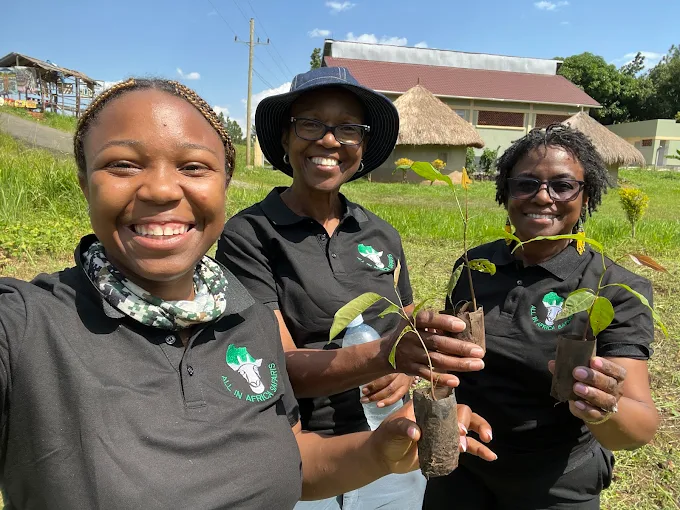
Every safari with us supports our Green Spot Campaign — planting trees across Uganda’s communities. Learn more & get involved →
All in Africa Safaris arranges tours to Uganda, Rwanda, Kenya and Tanzania
3 Days Murchison Falls Safari
Discover the Wildlife in the Murchison Falls National Park with engagement with a boat cruise and game drives which lead to a nature walk on top of the falls
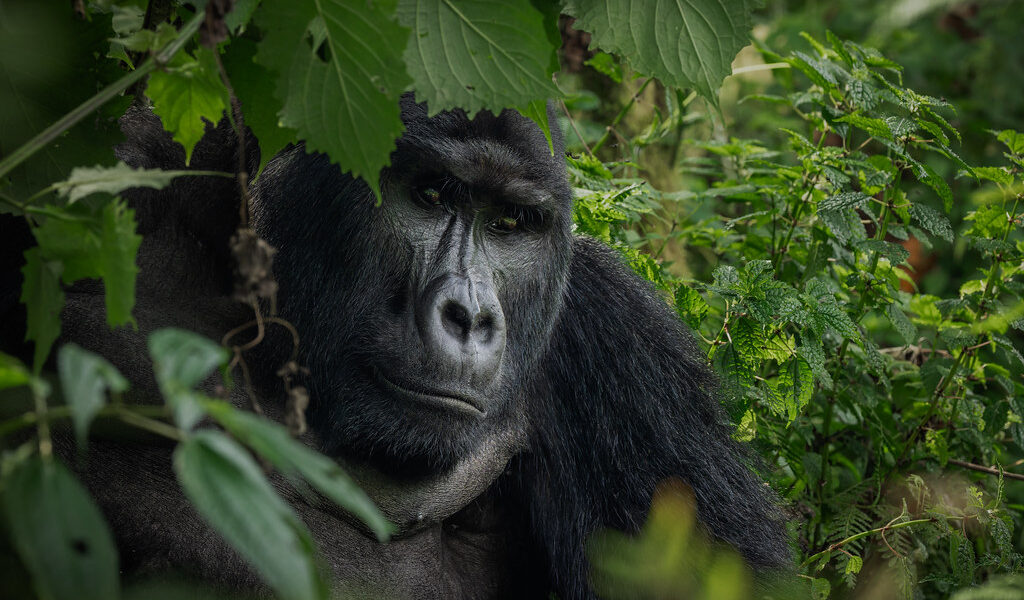
4 Days Gorillas & Queen Wildlife
Visit the magical national parks of Uganda known as Bwindi Forest and Queen Elizabeth National Park including gorilla trekking and wildlife views for travelers
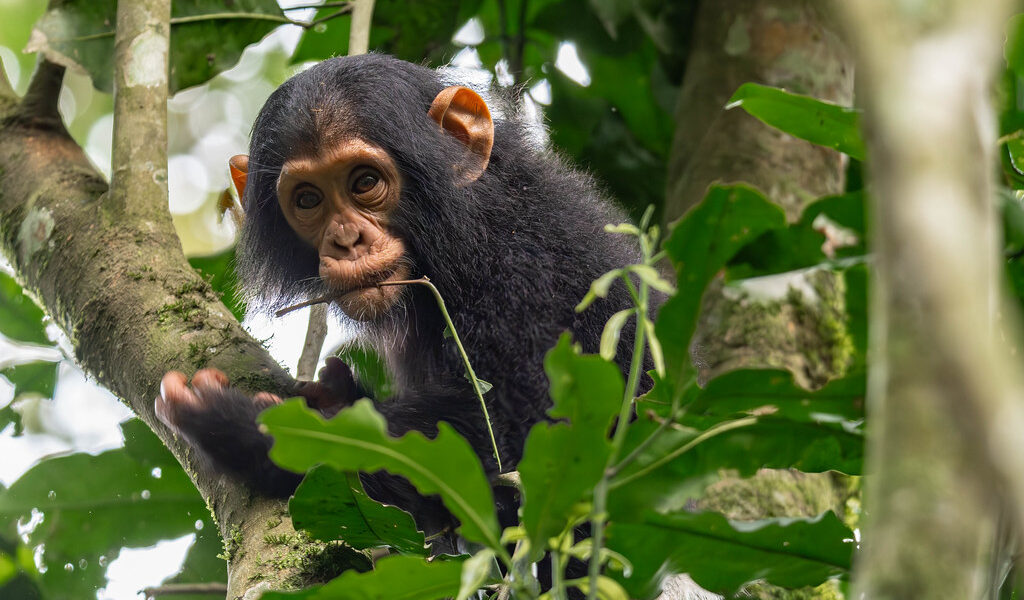
5 Days Gorillas & Chimps Track
Explore the great Mgahinga National Park conserving and protecting the endangered Mountain gorillas & chimpanzees in the pearl of Africa
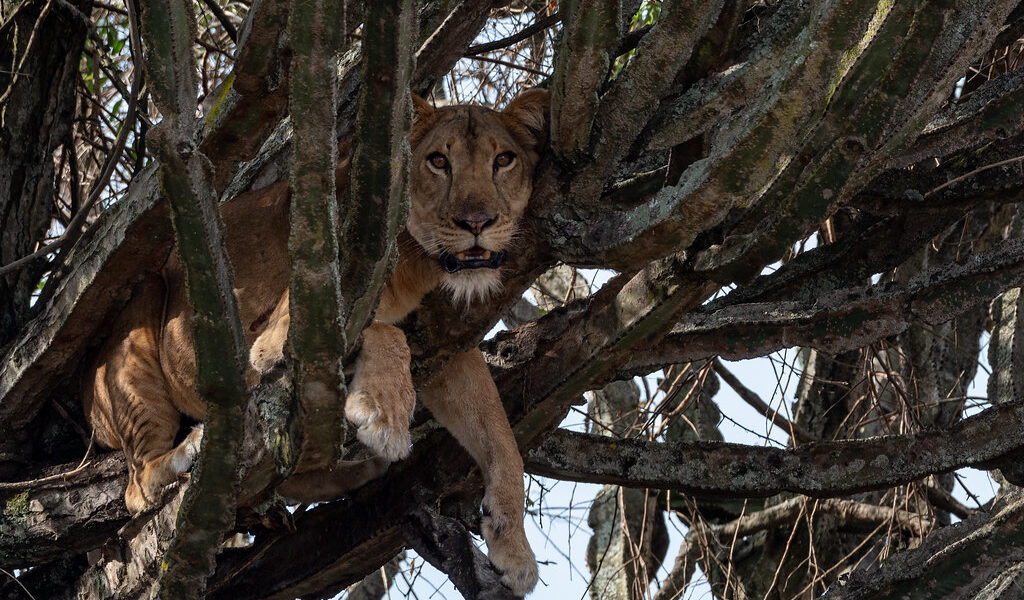
6 Days Uganda Safari
Visit the magical national parks of Uganda known as Bwindi Forest and Queen Elizabeth National Park which include the gorilla trekking and wildlife views
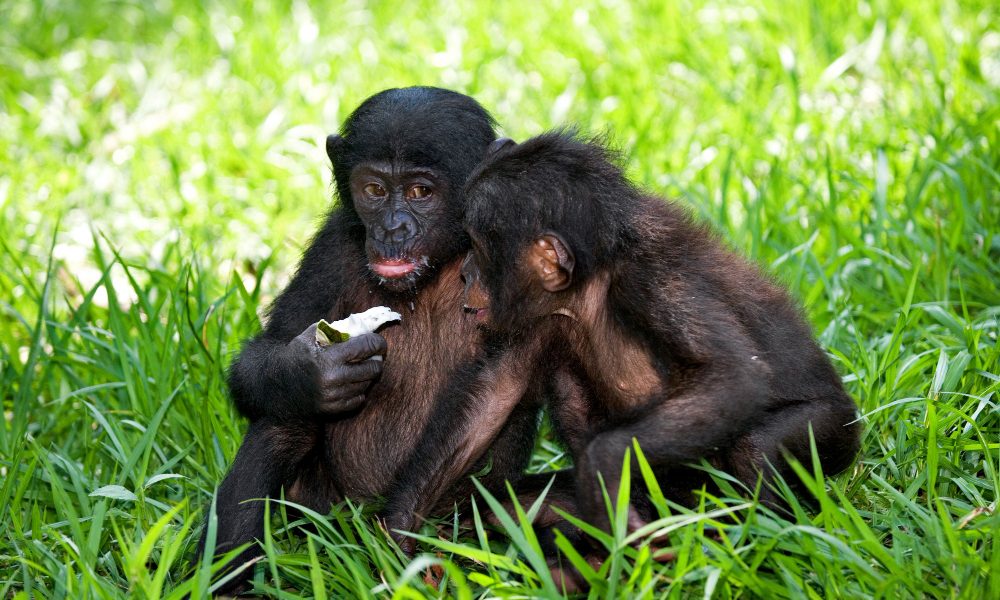
1 Day Bwindi Gorilla Tour from Kigali
A fast-paced day trip from Kigali into Bwindi Impenetrable Forest for a single unforgettable hour with a mountain gorilla family
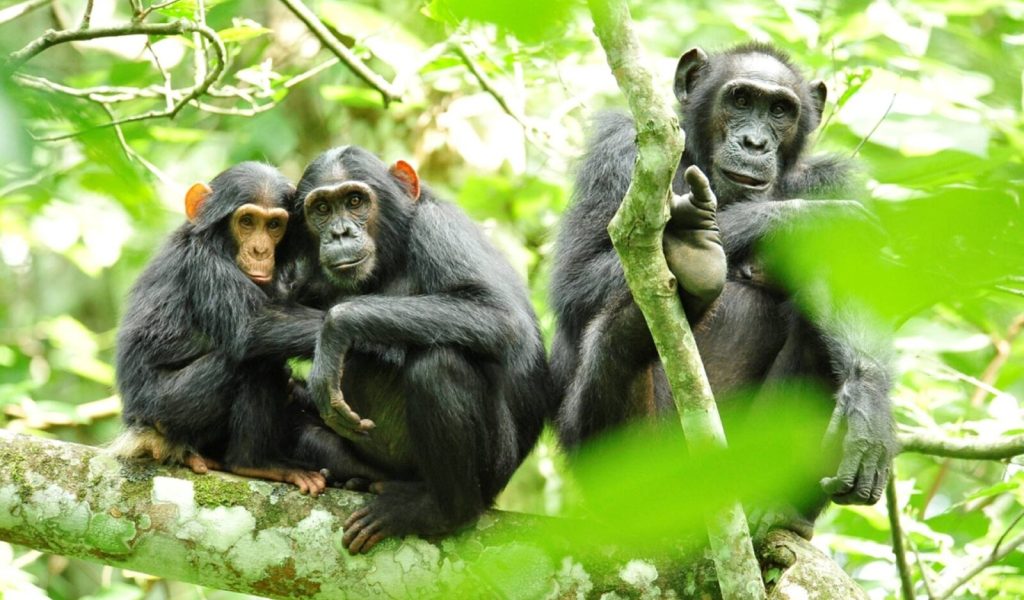
3 Days Chimpanzee Tracking in Kibale
Track chimpanzees through Africa’s primate capital, Kibale Forest, alongside a community walk through Bigodi Wetland Sanctuary
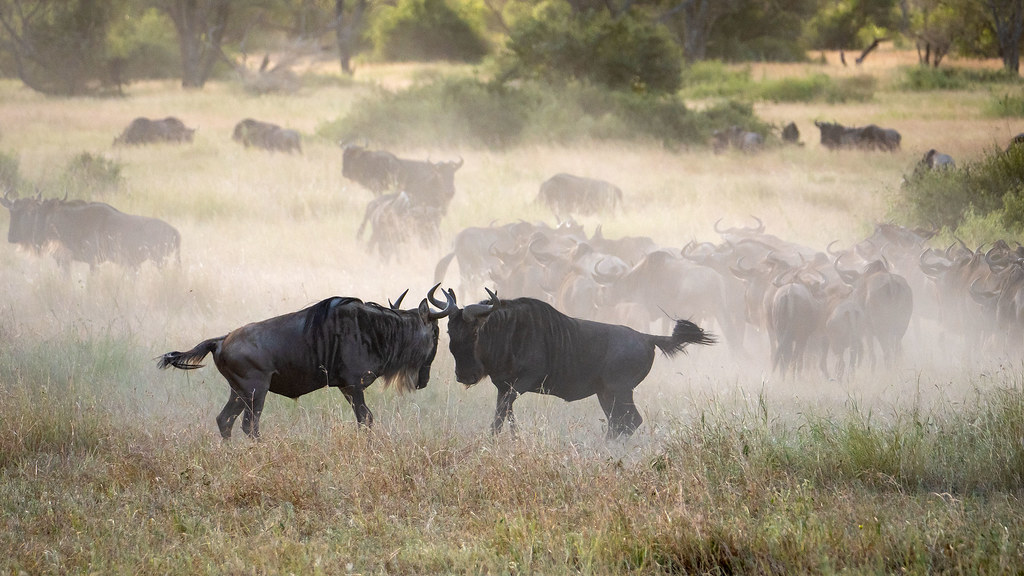
4 Days Kidepo Valley Wildlife Safari
Venture into Uganda’s most remote wilderness for cheetahs, ostriches and dramatic mountain scenery few visitors ever see
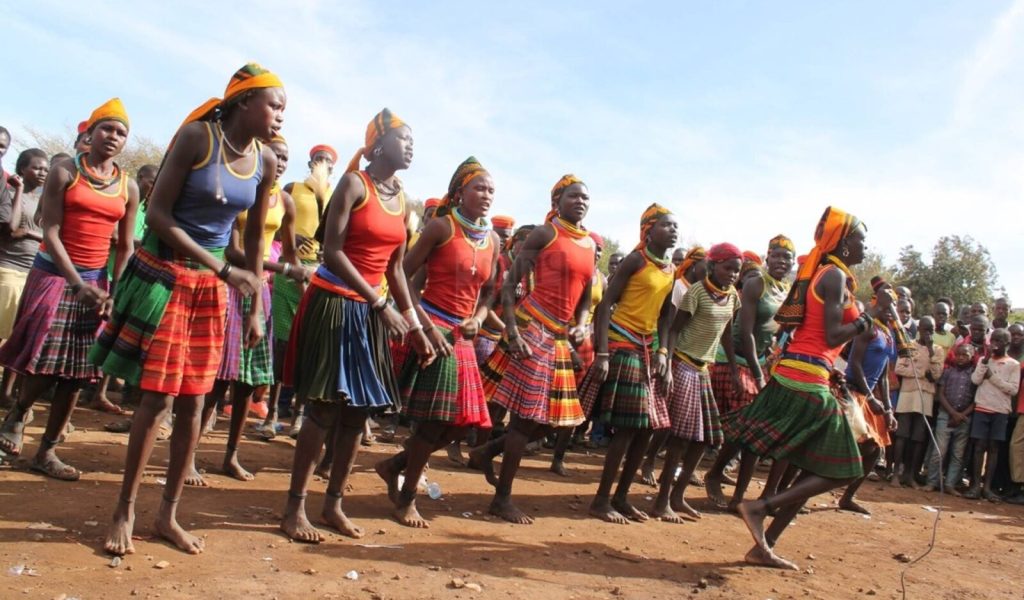
7 Day Kidepo and Sipi Safari
Combine Kidepo Valley’s wild plains with waterfall hikes and coffee tours in the Sipi Falls region
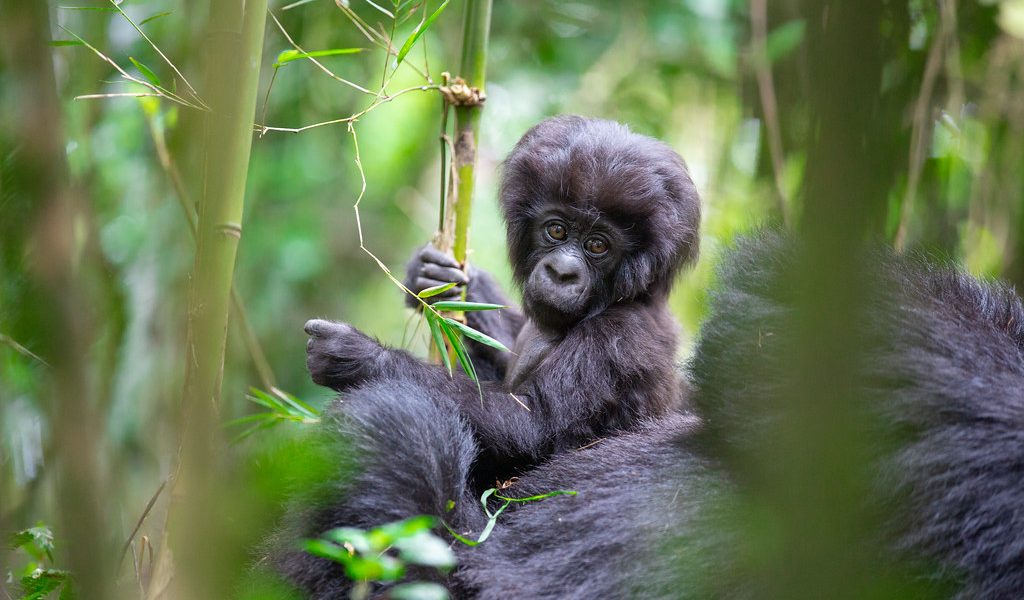
10 Days Rwanda Uganda Safari
A complete circuit through Volcanoes, Bwindi, Queen Elizabeth and Kibale for gorillas, chimps and classic wildlife
12 Days Uganda Leisure Holidays
An unhurried two-week journey through Murchison Falls, Kibale, Queen Elizabeth, Bwindi and Lake Mburo
14 Days Uganda Northern Circuit
Explore Kidepo Valley, Murchison Falls and Sipi Falls on this off-the-beaten-path northern adventure
15 Days Uganda Safari
Uganda’s full highlight reel across two relaxed weeks of gorillas, chimps, wildlife and scenic countryside