
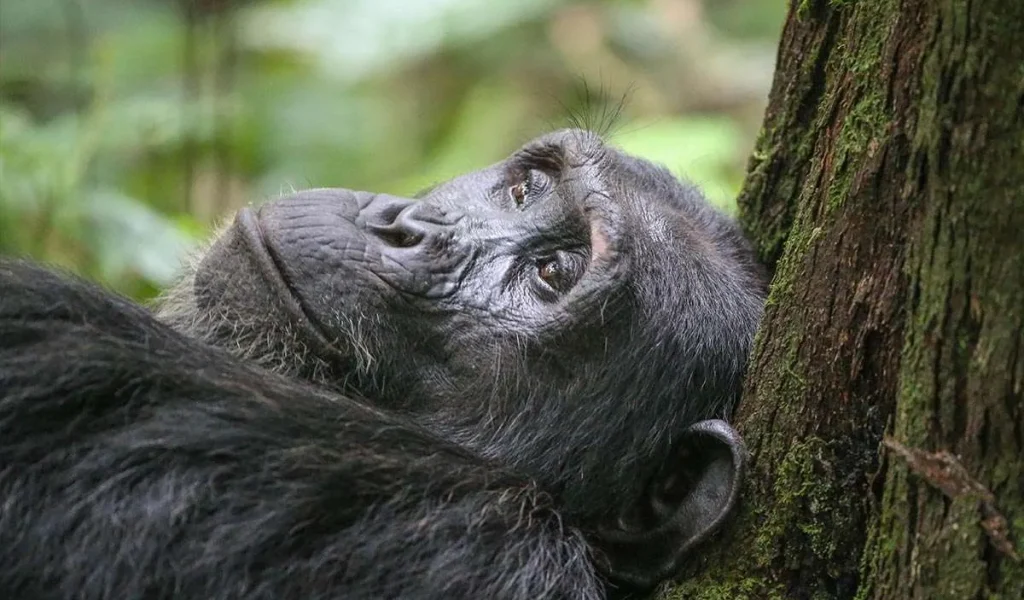
15 days Rwanda safari: Nyungwe canopy walk, Lake Kivu, Gishwati chimps and Akagera Big Five with sycamore fig tree planting
Overview
This 15-day Rwanda safari combines rainforest adventures, chimpanzee tracking, Lake Kivu experiences and a Big Five wildlife safari in Akagera National Park. Starting in Kigali, the journey takes you to Nyungwe Forest National Park for the famous canopy walk, continues to the scenic shores of Lake Kivu in Karongi and Rubavu, explores Gishwati-Mukura National Park and finishes with an extended wildlife experience in Akagera.
You will walk above the Nyungwe rainforest canopy, explore the forest’s trails, enjoy the peaceful shoreline of Lake Kivu and visit communities along the Congo Nile region. In Gishwati-Mukura, you will have an opportunity to search for chimpanzees in a recovering montane forest. The final section takes you to Akagera National Park, where game drives and a boat safari offer opportunities to see elephants, lions, buffaloes, leopards, rhinoceroses and other wildlife.
The safari also includes the GreenSpot tree-planting programme, featuring Markhamia lutea, Ficus thonningii and Ficus sycomorus. These species have different ecological requirements and uses, making them suitable for selected community farms, schools and restoration sites.
This extended programme provides time to enjoy each destination without rushing through Rwanda’s forests, lakes and savannah landscapes.
Safari Highlights
- Experience the Nyungwe Forest canopy walk.
- Explore one of Africa's important montane rainforest ecosystems.
- Enjoy guided forest walks and birdwatching in Nyungwe.
- Discover the scenic Kivu shoreline around Karongi.
- Experience Rwanda's savannah, wetlands, forests and lakes.
- Participate in GreenSpot tree-planting activities featuring three tree species.
- Meet local communities and learn about conservation initiatives.
Tree species featured in the planting programme
The GreenSpot programme features three tree species that contribute to Rwanda’s landscapes in different ways. Markhamia lutea is an indigenous flowering tree, while Ficus thonningii and Ficus sycomorus are fig trees that provide food and habitat for wildlife.
The planting activities will take place at suitable community, school, farm or restoration sites. Species selection will depend on altitude, rainfall, soil conditions and the ecological suitability of each location.
Ficus sycomorus – Sycamore fig
Main uses: The sycamore fig is a large indigenous African fig tree valued for its shade, spreading canopy and edible fruits. Its figs provide food for birds, bats and other wildlife. Mature trees also offer shelter and nesting opportunities for different species.
Why plant it? Ficus sycomorus supports biodiversity by providing food and habitat throughout the year. Planting it in suitable community landscapes can improve shade, support wildlife and contribute to long-term tree cover.
Planted at: Suitable farms, community spaces, schools and restoration sites in appropriate lowland and warm environments.
Markhamia lutea – Nile tulip tree
Main uses: Markhamia lutea is an indigenous East African flowering tree valued for its attractive yellow flowers, shade and local uses. Its flowers attract insects and other pollinators, while its presence contributes to landscape diversity.
Why plant it? The tree supports pollinators, improves tree cover and provides shade in suitable community and farming landscapes. It is also a useful indigenous species for planting around schools and homesteads.
Planted at: Community farms, schools, homesteads and suitable restoration sites.
Ficus thonningii – Common wild fig
Main uses: Ficus thonningii is an indigenous fig tree that produces fruits eaten by birds and other wildlife. It provides shade, contributes to habitat structure and can become a large feature tree in suitable landscapes.
Why plant it? Fig trees are valuable food sources for wildlife and support biodiversity. Ficus thonningii can also improve shade and tree cover on farms and community land when planted where sufficient space is available.
Planted at: Suitable farms, community woodlots, schools and restoration areas.
Detailed Itinerary
Day 1: Arrival in Kigali
Arrive at Kigali International Airport, where your safari representative will welcome you and transfer you to your hotel. Depending on your arrival time, you can relax or enjoy a short city tour.
You may visit the Kigali Genocide Memorial, explore the city centre or visit a local craft market. Your guide will brief you about the safari route, activities and GreenSpot tree-planting programme.
Accommodation: Kigali
Meals: Dinner
Day 2: Kigali to Nyungwe Forest National Park
After breakfast, depart Kigali and travel southwest towards Nyungwe Forest National Park. The journey passes through Rwanda’s beautiful countryside, rolling hills, tea-growing areas and rural communities.
Stop for lunch along the way before continuing to the Nyungwe region. Depending on your route and available time, you may visit a tea plantation to learn about Rwanda’s tea-growing industry.
Arrive at your lodge, check in and relax. Prepare for the following day’s canopy walk.
Accommodation: Nyungwe area
Meals: Breakfast, lunch and dinner
Day 3: Nyungwe Forest canopy walk
After breakfast, transfer to the Uwinka Visitor Centre for a briefing before beginning the guided canopy walk.
Follow the Igishigishigi trail through the rainforest towards the suspended walkway. The bridge offers an elevated view of the forest canopy, allowing you to appreciate the scale of Nyungwe’s trees, valleys and surrounding vegetation.
Look for birds, butterflies and primates in the forest. The canopy walk is a guided activity, and the approach trail includes some walking on uneven forest terrain.
After the experience, return to your lodge and enjoy the afternoon at leisure.
Accommodation: Nyungwe area
Meals: Breakfast, lunch and dinner
Day 4: Nyungwe forest exploration and birdwatching
Enjoy breakfast before taking a guided forest walk along one of Nyungwe’s available trails. Your guide will introduce you to the forest’s vegetation, wildlife and conservation importance.
Nyungwe supports numerous primates, including black-and-white colobus monkeys, L’Hoest’s monkeys and other forest species. It is also an important birding destination, with Albertine Rift endemics and many montane forest birds.
Depending on your interests and available time, you may choose a waterfall walk or another forest trail. Return to your lodge for relaxation.
Accommodation: Nyungwe area
Meals: Breakfast, lunch and dinner
Day 5: Nyungwe to Karongi, Lake Kivu shoreline
After breakfast, depart Nyungwe and travel north towards Karongi, a scenic lakeside town on the shores of Lake Kivu.
The journey takes you through Rwanda’s green hills, tea-growing landscapes and rural settlements. Arrive in Karongi and check in at your accommodation.
Spend the afternoon enjoying the lake views. You may take a relaxed lakeside walk or arrange a boat excursion to explore nearby sections of Lake Kivu.
Accommodation: Karongi
Meals: Breakfast, lunch and dinner
Day 6: Lake Kivu shoreline and community experiences in Karongi
Enjoy breakfast overlooking Lake Kivu. Spend the day exploring the shoreline and experiencing the local communities around Karongi.
You may take a boat trip, visit nearby islands where permitted or enjoy a guided walk through the surrounding villages. Learn about fishing, farming and daily life along the lake.
In the afternoon, take part in a GreenSpot tree-planting activity at a suitable community or farm site. Markhamia lutea and appropriate fig species may be considered depending on local conditions and the availability of seedlings.
Accommodation: Karongi
Meals: Breakfast, lunch and dinner
Day 7: Karongi to Gishwati-Mukura National Park
After breakfast, leave Karongi and travel north towards Gishwati-Mukura National Park. The route follows the beautiful Kivu region through hills, farms and rural settlements.
Arrive near Gishwati and check in at your accommodation. Depending on your arrival time, enjoy a short guided nature walk or relax at the lodge.
Your guide will brief you about the forest environment, chimpanzee tracking arrangements and the following day’s activities.
Accommodation: Gishwati area
Meals: Breakfast, lunch and dinner
Day 8: Chimpanzee tracking and forest exploration in Gishwati
After an early breakfast, transfer to the designated park entrance for your forest experience. Meet the local guides and receive a briefing before entering Gishwati-Mukura National Park.
Search for chimpanzees in the forest. Gishwati is a recovering forest ecosystem with a developing chimpanzee tourism experience. Tracking conditions and habituation status can vary, so sightings are less predictable than in more established chimpanzee destinations. The activity must be confirmed in advance.
During the walk, you may also encounter other primates, forest birds and different indigenous tree species. Your guide will explain the importance of forest restoration and wildlife protection.
Return to your accommodation after the activity.
Accommodation: Gishwati area
Meals: Breakfast, lunch and dinner
Day 9: Gishwati forest conservation and community experience
After breakfast, enjoy another guided forest or community experience around Gishwati-Mukura. Learn about the forest’s restoration, biodiversity and the role of neighbouring communities in protecting natural habitats.
The area supports several forest bird species, including Albertine Rift endemics. Birdwatching can be arranged with a knowledgeable local guide.
In the afternoon, participate in a GreenSpot tree-planting activity at an approved community or restoration site. The selected species will depend on the planting site’s altitude, soil and ecological conditions.
Accommodation: Gishwati area
Meals: Breakfast, lunch and dinner
Day 10: Gishwati to Rubavu, Lake Kivu
After breakfast, depart Gishwati and travel towards Rubavu, a lakeside town in northwestern Rwanda. The drive offers views of the hills and northern Lake Kivu landscape.
Arrive in Rubavu and check in at your accommodation. Spend the afternoon relaxing along the lakeshore or enjoying a guided town and shoreline visit.
Rubavu offers a different atmosphere from Karongi, with beaches, lakeside hotels and views across Lake Kivu towards the Democratic Republic of Congo.
Accommodation: Rubavu
Meals: Breakfast, lunch and dinner
Day 11: Lake Kivu shoreline and Rubavu experiences
Enjoy breakfast before spending the day exploring Rubavu and the northern shores of Lake Kivu.
You may take a boat excursion, enjoy a lakeside walk or visit local fishing communities. Depending on availability, you can also arrange kayaking or other water-based activities with an approved operator.
Learn about Lake Kivu’s importance to local livelihoods, fishing and tourism. Spend the afternoon relaxing by the lake before preparing for the journey to Akagera.
Accommodation: Rubavu
Meals: Breakfast, lunch and dinner
Day 12: Rubavu to Akagera National Park
After breakfast, depart Rubavu and travel east towards Akagera National Park. This is a long transfer across Rwanda, so an early start is recommended.
Travel through Kigali or the surrounding countryside, stopping for lunch and refreshments along the way. Continue to Akagera and check in at your lodge.
Depending on arrival time, you may enjoy a short evening game drive or relax at the accommodation overlooking the park landscape.
Accommodation: Akagera National Park
Meals: Breakfast, lunch and dinner
Day 13: Akagera game drive and savannah wildlife
Start early with a game drive through Akagera National Park. Explore the savannah plains, woodland and open grassland in search of elephants, giraffes, zebras, buffaloes, antelopes and other wildlife.
Akagera is Rwanda’s Big Five destination. Lions and leopards are present, although sightings depend on natural wildlife movements and conditions. The park also protects both black and white rhinoceroses.
Enjoy a picnic lunch or return to your lodge for a break, depending on the selected game-drive route. Continue wildlife viewing in the afternoon.
Accommodation: Akagera National Park
Meals: Breakfast, lunch and dinner
Day 14: Lake Ihema boat safari and Akagera exploration
After breakfast, enjoy a boat safari on Lake Ihema. The lake supports hippos, crocodiles and a variety of waterbirds. You may also see elephants and other animals along the shoreline.
After the boat trip, continue with a game drive through another section of the park. Your guide will look for wildlife in suitable areas and explain Akagera’s conservation and habitat-restoration work.
Spend the evening at your lodge and enjoy your final night in the park.
Accommodation: Akagera National Park
Meals: Breakfast, lunch and dinner
Day 15: Akagera to Kigali and departure
After breakfast, depart Akagera and drive back to Kigali. The journey takes several hours, so departure time should be planned around your international flight.
If time allows, enjoy a short stop in Kigali before transferring to Kigali International Airport for your departure flight.
This marks the end of your 15-day Rwanda safari.
Accommodation: Not included
Meals: Breakfast
Optional activities
The following experiences can be added depending on your interests, time and availability:
- Chimpanzee tracking in Nyungwe Forest.
- Additional hiking trails in Nyungwe.
- Nyungwe waterfall walks.
- Tea plantation visits around Nyungwe.
- Additional boat excursions on Lake Kivu.
- Kayaking and other approved water activities in Rubavu.
- Community visits around Karongi and Rubavu.
- Additional birdwatching in Gishwati-Mukura.
- Cultural experiences around Gishwati.
- Hot-air balloon safari in Akagera, subject to availability.
- Additional game drives in Akagera.
- Guided nature walks in Akagera, subject to park arrangements.
Frequently asked questions
How long is the Nyungwe canopy walk?
The canopy walk is accessed through a guided forest trail and takes approximately two hours, depending on the group and conditions. The suspended walkway offers views over Nyungwe’s rainforest canopy. Visitors should wear suitable walking shoes and carry rain protection. <Cite refs={[“turn322521search3″,”turn322521search7”]}/>
Can I track chimpanzees in Gishwati-Mukura?
Chimpanzee tracking is offered as a developing tourism activity in Gishwati-Mukura. The experience is less established than in Nyungwe, and sightings are not guaranteed. Confirm the activity, permits, guide arrangements and current availability before booking. <Cite refs={[“turn322521search4″,”turn322521search8”]}/>
Can I see the Big Five in Akagera?
Akagera is home to lions, leopards, elephants, buffaloes and rhinoceroses. You have opportunities to search for all five during game drives, but sightings are never guaranteed.
What activities can I enjoy on Lake Kivu?
You can enjoy boat trips, lakeside walks, kayaking and visits to fishing communities, depending on the location and availability. Karongi and Rubavu offer different views and experiences along the lake.
Is Lake Kivu safe for swimming?
Swimming should only be done at locations where local operators or accommodation providers confirm that conditions are suitable. Follow local safety advice and avoid unfamiliar areas.
How many nights are included in this itinerary?
The 15-day programme includes 14 nights: one in Kigali, three around Nyungwe, two in Karongi, three around Gishwati, two in Rubavu and three in Akagera. The final day is for departure.
Are all three tree species planted during the safari?
The GreenSpot programme introduces all three species, but planting depends on local conditions and seedling availability. Each species must be planted in a suitable environment with enough space and proper follow-up care.
Do I need permits for the canopy walk and chimpanzee tracking?
Yes. The canopy walk and chimpanzee activities require advance arrangements and applicable fees. Confirm current booking procedures and requirements before travel.
Nyungwe Forest and rainforest conservation
Nyungwe Forest National Park protects one of Central Africa’s important montane rainforest ecosystems. Its forests are home to several primate species, diverse birdlife and a wide range of indigenous plants.
The canopy walk provides an opportunity to appreciate the forest from above while learning about the importance of protecting mature trees and their habitats.
Forest conservation depends on protecting existing vegetation, allowing natural regeneration and reducing pressure on sensitive habitats. Responsible tourism supports conservation through visitor revenue, local employment and awareness of the forest’s ecological value.
Lake Kivu and shoreline conservation
Lake Kivu is one of the Great Lakes of East Africa and an important resource for communities in western Rwanda. It supports fishing, transport, tourism and other livelihoods.
Karongi and Rubavu provide opportunities to experience different sections of the lake. Responsible tourism should include respect for local fishing activities, proper waste disposal and care around the shoreline.
The GreenSpot programme complements these experiences by introducing tree-growing activities on suitable community land. Trees can help protect soil, provide shade and improve the condition of selected landscapes around settlements and farms.
Gishwati-Mukura forest restoration and chimpanzee conservation
Gishwati-Mukura National Park protects two forest areas that have experienced significant habitat pressure. Restoration efforts have focused on recovering forest cover, improving habitat connectivity and supporting wildlife populations.
Chimpanzees are among the important species associated with Gishwati. Their survival depends on suitable forest habitat, food resources and reduced human disturbance.
Visitors should follow ranger instructions and respect the forest’s sensitive environment. Community participation and responsible tourism can contribute to the long-term protection of the landscape.
Akagera Big Five conservation
Akagera National Park protects Rwanda’s savannah and wetland ecosystems. Its landscapes include open grassland, woodland, lakes, swamps and riverine habitats.
The park is home to the Big Five and a variety of other mammals and birds. Its conservation story includes wildlife reintroductions, habitat management and cooperation between park authorities and surrounding communities.
Game drives and boat safaris allow visitors to experience different parts of this ecosystem. Responsible wildlife viewing helps reduce disturbance and supports conservation tourism.
GreenSpot tree-planting programme
The GreenSpot programme connects this safari with community tree-growing and environmental conservation activities. The three featured species have different roles in the landscape.
Markhamia lutea can contribute to shade and pollinator resources in suitable community spaces. Ficus thonningii and Ficus sycomorus provide fruits for wildlife and can become important habitat trees.
Planting locations should be selected carefully. The team will consider local rainfall, soil, altitude, available space and the needs of each community. Fig trees can grow large, so they should be planted where their mature root systems and canopies will not damage buildings or infrastructure.
The programme also includes practical learning about seedling selection, planting, protection and monitoring. Newly planted trees need care after planting, including watering when necessary, protection from grazing and replacement where seedlings fail.
Birdwatching in Rwanda
This safari offers birdwatching opportunities in several habitats. Nyungwe is particularly important for montane forest birds and Albertine Rift endemics. Gishwati-Mukura also supports a range of forest birds, while Lake Kivu provides opportunities to observe water-associated species.
Akagera offers savannah, woodland and wetland birding. Possible sightings include African fish eagles, grey-crowned cranes, kingfishers, bee-eaters, herons, egrets, turacos and many other species.
Bring binoculars and a field guide if birdwatching is an important part of your trip. A specialist bird guide can be arranged if required.
Community and cultural experiences
The journey provides opportunities to meet communities living around Rwanda’s forests, lakes and savannah parks.
Around Nyungwe, you can learn about tea production and community tourism. In Karongi and Rubavu, local experiences may include fishing, lakeside livelihoods and traditional activities.
Around Gishwati, you can learn about forest restoration and the role of communities in protecting wildlife habitats. In the Akagera region, community conservation initiatives demonstrate how local participation can support wildlife protection and sustainable tourism.
The GreenSpot programme adds a practical community activity through tree planting and seedling care at approved locations.
Practical notes
Canopy walk: The Nyungwe canopy walk involves a forest approach trail and a suspended bridge. Wear comfortable hiking shoes and carry a rain jacket.
Chimpanzee tracking: Gishwati chimpanzee tracking must be confirmed before travel. Its tourism experience is less established than Nyungwe, so allow flexibility for sightings and activity arrangements.
Akagera wildlife: The Big Five are present in the park, but sightings depend on natural movements and conditions. Several game drives improve your opportunities.
Driving times: Nyungwe is a long drive from Kigali. The transfer from Rubavu to Akagera is also lengthy. Start early and allow time for meal and rest stops.
Lake Kivu activities: Boat trips and water activities depend on weather, operator availability and local safety conditions.
Tree planting: The planting programme depends on the season, seedling availability, landowner permission and ecological suitability. The final planting locations should be confirmed before travel.
Accommodation: The final lodges should be selected according to your preferred comfort level, budget and availability. Gishwati has fewer accommodation options than Rwanda’s more established tourism destinations, so early planning is recommended.
Packing: Bring comfortable safari clothing, hiking shoes, a rain jacket, insect repellent, sunscreen, a hat, binoculars, a camera and a small daypack.
Park fees and permits: Confirm the canopy walk, chimpanzee activity, Akagera park fees, boat trips and optional activities in your final quotation.
Best time to visit
Rwanda can be visited throughout the year, but the drier periods are generally more convenient for forest walks, the Nyungwe canopy experience, Lake Kivu activities and wildlife viewing in Akagera.
The main dry periods usually occur from June to September and December to February. Trails are often easier to navigate during these months, although rain can still occur in the rainforest.
The wetter periods generally fall around March to May and October to November. Nyungwe and Gishwati can become muddy, and road journeys may take longer. However, the landscapes become greener, and birdwatching can be rewarding.
Akagera offers wildlife viewing throughout the year. Lake Kivu activities depend on weather and lake conditions, so confirm boat excursions with local operators.
For this 15-day safari, the drier months are a practical choice if you want to combine forest walks, lakeside activities and extended game drives.
Tour Includes
- Travel in a 4×4 car
- Professional guide
- Park fees
- Accommodation
- Meals
- All Activities In Itinerary
Tour Excludes
- Alcoholic drinks
- Laundry
- Tips
- Shopping
- Insurance
- Anything not included per itinerary
Get Your Tailored 5 Days Rwanda Gorilla Trekking Hagenia abyssinica Tree-Planting Safari from Kigali to Musanze
Uganda Safari Photos
Our Green Spot Campaign
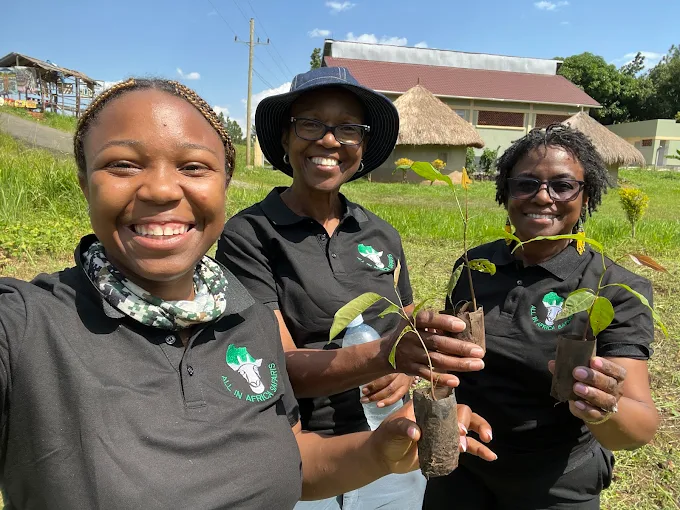
Every safari with us supports our Green Spot Campaign — planting trees across Uganda’s communities. Learn more & get involved →
All in Africa Safaris arranges tours to Uganda, Rwanda, Kenya and Tanzania
3 Days Murchison Falls Safari
Discover the Wildlife in the Murchison Falls National Park with engagement with a boat cruise and game drives which lead to a nature walk on top of the falls
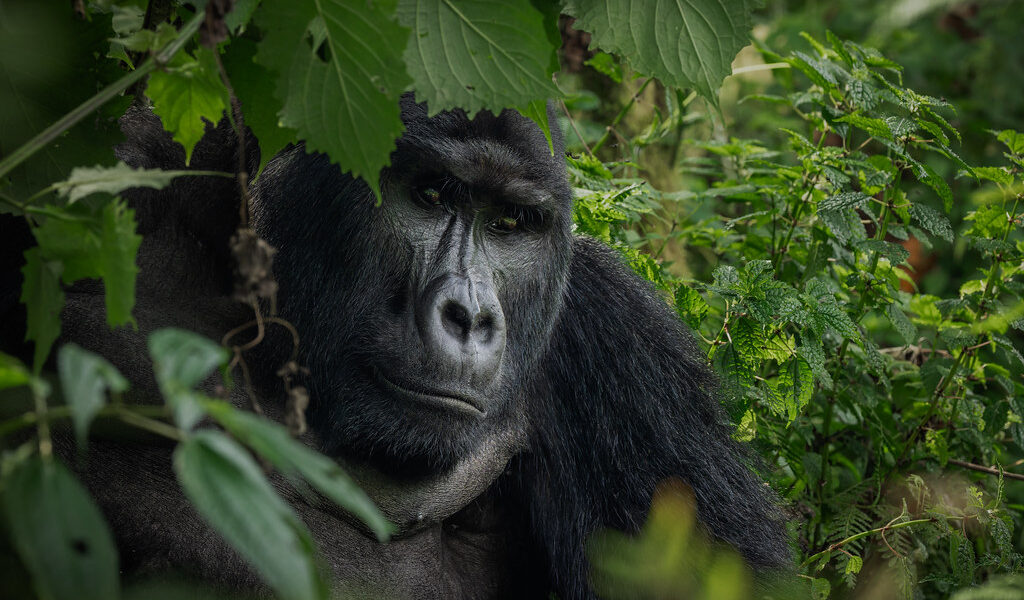
4 Days Gorillas & Queen Wildlife
Visit the magical national parks of Uganda known as Bwindi Forest and Queen Elizabeth National Park including gorilla trekking and wildlife views for travelers
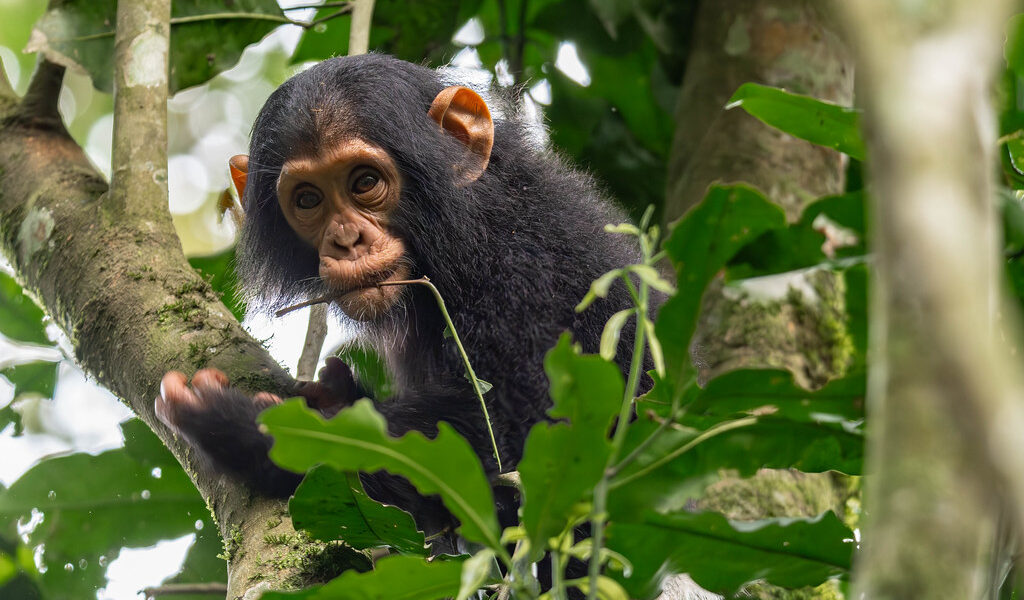
5 Days Gorillas & Chimps Track
Explore the great Mgahinga National Park conserving and protecting the endangered Mountain gorillas & chimpanzees in the pearl of Africa
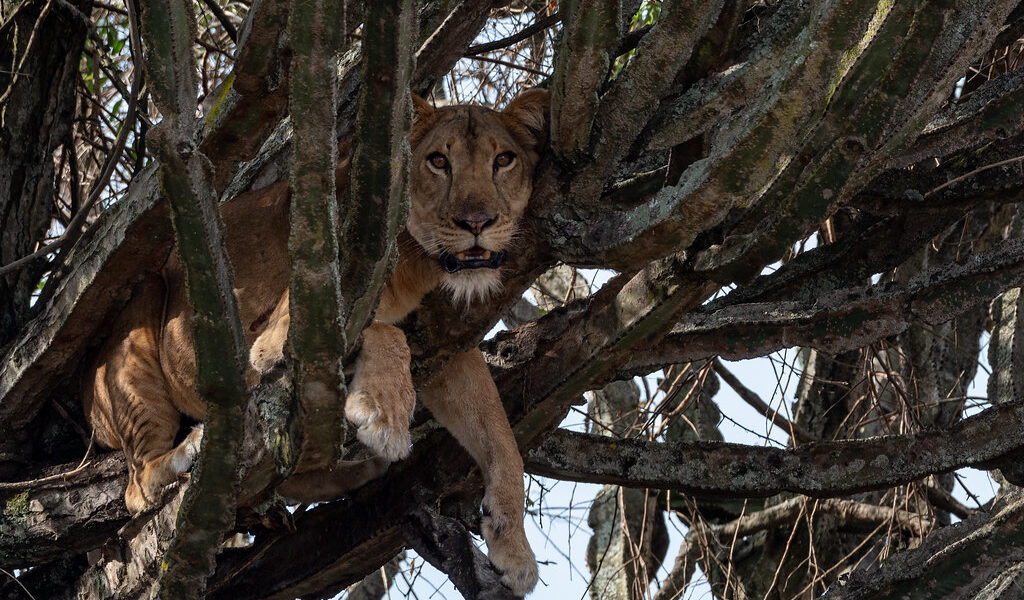
6 Days Uganda Safari
Visit the magical national parks of Uganda known as Bwindi Forest and Queen Elizabeth National Park which include the gorilla trekking and wildlife views
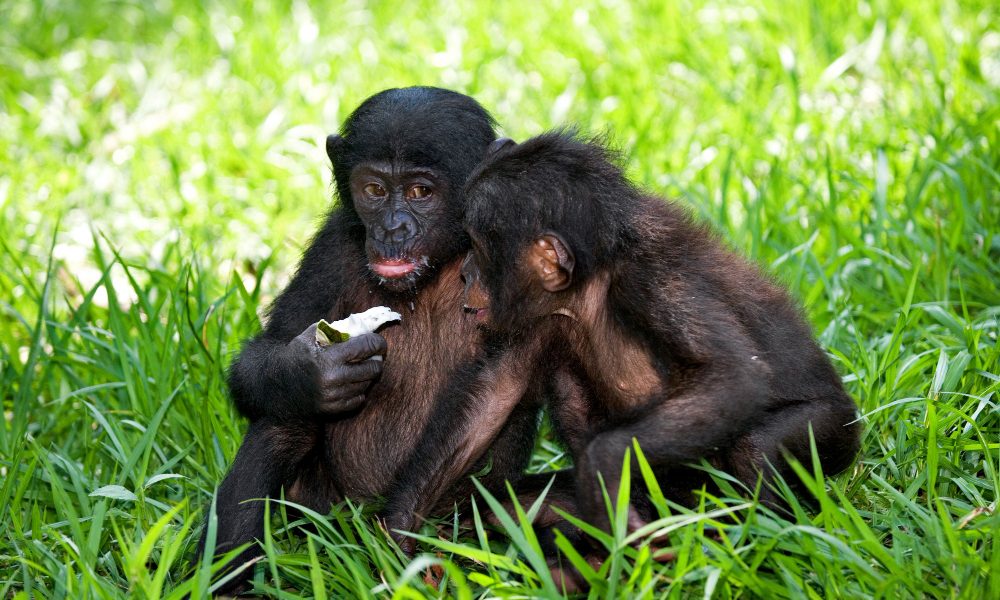
1 Day Bwindi Gorilla Tour from Kigali
A fast-paced day trip from Kigali into Bwindi Impenetrable Forest for a single unforgettable hour with a mountain gorilla family
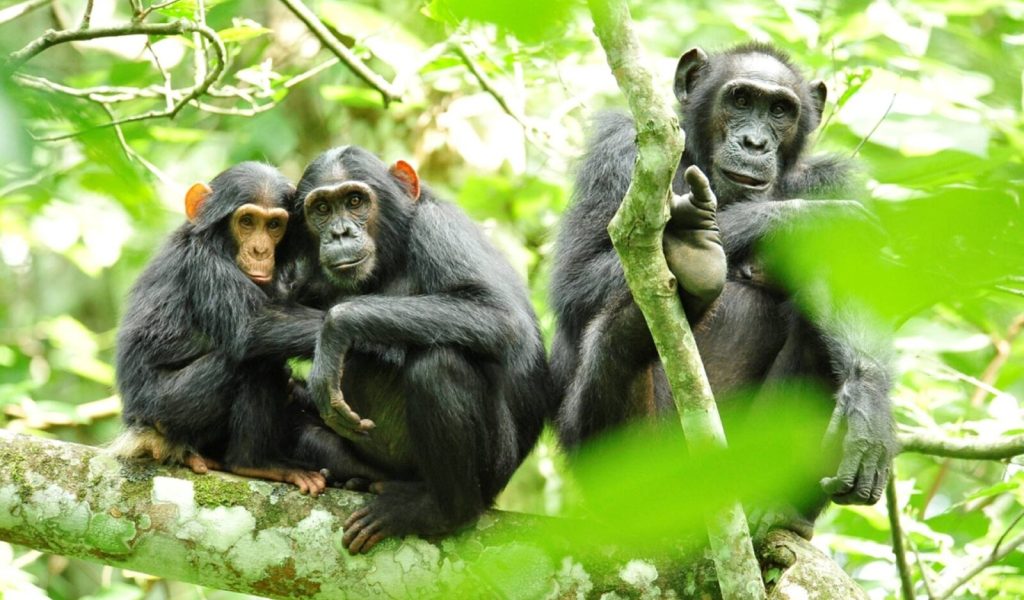
3 Days Chimpanzee Tracking in Kibale
Track chimpanzees through Africa’s primate capital, Kibale Forest, alongside a community walk through Bigodi Wetland Sanctuary
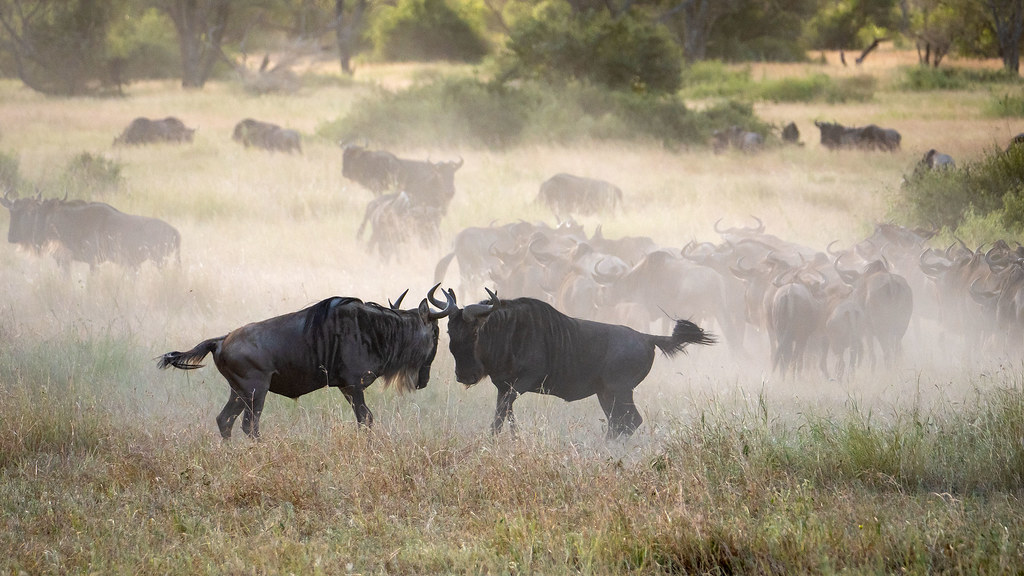
4 Days Kidepo Valley Wildlife Safari
Venture into Uganda’s most remote wilderness for cheetahs, ostriches and dramatic mountain scenery few visitors ever see
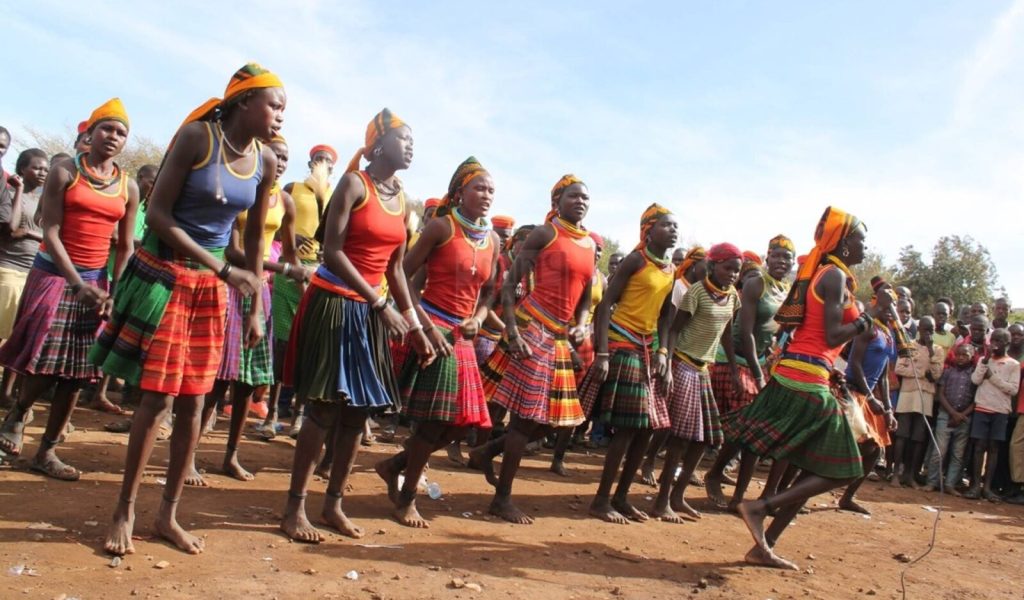
7 Day Kidepo and Sipi Safari
Combine Kidepo Valley’s wild plains with waterfall hikes and coffee tours in the Sipi Falls region
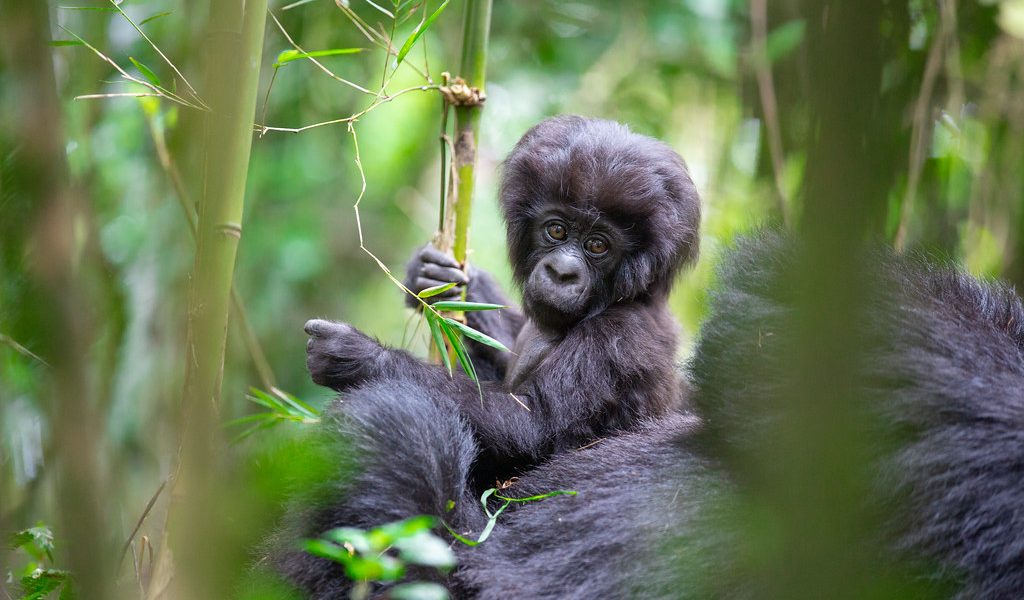
10 Days Rwanda Uganda Safari
A complete circuit through Volcanoes, Bwindi, Queen Elizabeth and Kibale for gorillas, chimps and classic wildlife
12 Days Uganda Leisure Holidays
An unhurried two-week journey through Murchison Falls, Kibale, Queen Elizabeth, Bwindi and Lake Mburo
14 Days Uganda Northern Circuit
Explore Kidepo Valley, Murchison Falls and Sipi Falls on this off-the-beaten-path northern adventure
15 Days Uganda Safari
Uganda’s full highlight reel across two relaxed weeks of gorillas, chimps, wildlife and scenic countryside