
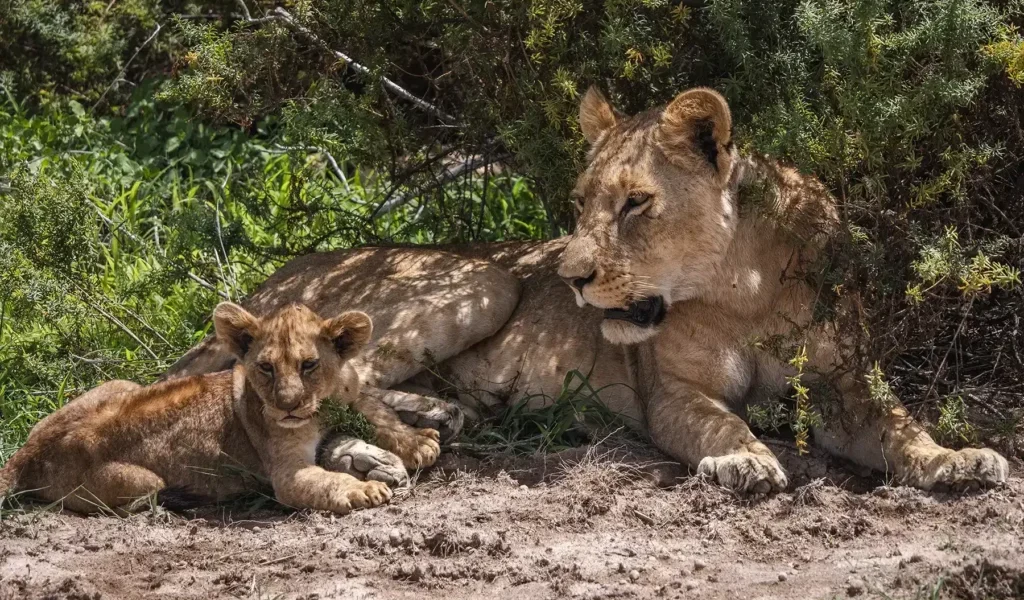
18 Days Uganda Safari: Murchison Falls, Kibale Chimps, Queen Elizabeth, Mgahinga Golden Monkeys and Lake Mburo with African Mahogany Tree Planting
Overview
This 18-day Uganda safari combines wildlife viewing, chimpanzee tracking, golden monkey trekking, forest exploration and savannah experiences. Starting in Entebbe, the journey takes you north to Murchison Falls National Park and Budongo Forest, before continuing to Kibale Forest, Queen Elizabeth National Park, Mgahinga Gorilla National Park and Lake Mburo National Park.
You will explore Murchison Falls, enjoy game drives across its savannah plains and take a boat trip along the Victoria Nile. In Budongo and Kibale, you will experience Uganda’s tropical forests and track chimpanzees. Queen Elizabeth offers opportunities to see elephants, lions, buffaloes, hippos and other wildlife, while Mgahinga provides a chance to track golden monkeys in the bamboo forests. Your journey finishes with a savannah experience in Lake Mburo, home to zebras, giraffes, impalas and other wildlife.
The safari also includes the GreenSpot tree-planting programme, featuring 19 tree species associated with Uganda’s forests, woodlands and community landscapes. The featured tree is Khaya anthotheca, commonly known as African mahogany. Through planned planting activities, you will learn about indigenous trees, forest conservation and the importance of caring for newly planted seedlings.
The immersive programme provides time for wildlife activities, cultural experiences, birdwatching and conservation activities at suitable community and restoration sites.
Safari Highlights
- Explore Murchison Falls National Park, Uganda's largest national park.
- Enjoy game drives in search of elephants, giraffes, buffaloes, lions and antelopes.
- Participate in GreenSpot tree-planting activities featuring 19 tree species.
- Discover Uganda's birdlife, local cultures and conservation initiatives.
- Track golden monkeys in Mgahinga Gorilla National Park.
- Explore the volcanic landscapes and forests of the Virunga Mountains.
- Visit the Ishasha sector, known for its tree-climbing lions.
Tree species featured in the planting programme
The GreenSpot programme includes 19 tree species with different ecological roles and planting requirements. Some are valuable timber trees, while others provide food for wildlife, shade, soil protection and habitat for forest biodiversity.
Planting locations will be selected according to altitude, rainfall, soil conditions, land ownership and restoration priorities. Indigenous species will be prioritised for natural habitat restoration. Tree planting will take place at approved community, school, farm or restoration sites rather than inside protected national parks without authorisation.
Khaya anthotheca – African mahogany
Main uses: African mahogany is a large indigenous forest tree valued for its quality timber. Its wood is used in furniture, joinery, construction and other woodworking applications. Mature trees also contribute to forest canopy cover and habitat.
Why plant it? Commercial timber demand and forest loss have placed pressure on many large indigenous hardwood trees. Planting Khaya anthotheca in suitable locations supports indigenous tree cover, future timber resources and forest restoration.
Planted at: Suitable community woodlots, farms and forest restoration sites in appropriate parts of western and central Uganda.
Milicia excelsa – Mvule
Main uses: Mvule is one of East Africa’s best-known indigenous hardwood trees. Its durable timber is used in furniture, doors, construction and other high-quality wood products. The tree also provides shade and habitat for wildlife.
Why plant it? Mvule has experienced pressure from commercial timber harvesting and habitat loss. Growing it on suitable community land can support future timber supplies and encourage the conservation of an important indigenous species.
Planted at: Suitable community woodlots, farms, schools and restoration sites.
Markhamia lutea – Nile tulip tree
Main uses: This indigenous flowering tree provides shade, ornamental value and habitat for birds and insects. Its flowers attract pollinators, while its wood is used locally for selected purposes.
Why plant it? Markhamia lutea can improve tree cover in farms and community landscapes. Its flowering habit also provides resources for insects and contributes to landscape diversity.
Planted at: Farms, schools, community spaces and suitable restoration areas.
Albizia coriaria – Mugavu
Main uses: Mugavu is an indigenous tree valued for shade, traditional uses and its contribution to farming landscapes. As a leguminous species, it can contribute to soil fertility through biological nitrogen fixation.
Why plant it? Planting mugavu can improve tree cover, provide shade for people and livestock and contribute to more diverse agricultural landscapes.
Planted at: Suitable farms, community woodlots, schools and restoration sites.
Ficus natalensis – Mutuba
Main uses: Mutuba is an indigenous fig tree with important cultural value in Uganda. Its bark has traditionally been used to produce bark cloth, while its fruits provide food for birds and other wildlife.
Why plant it? Mutuba supports biodiversity and helps preserve a tree associated with Uganda’s cultural heritage. Planting it in suitable areas can support both conservation and traditional bark-cloth practices.
Planted at: Community farms, cultural sites, schools and suitable restoration areas.
Entandrophragma cylindricum – Sapele
Main uses: Sapele is a large African forest tree valued for its decorative timber, which is used in furniture, flooring, veneers and interior woodwork. It can become an important canopy tree in mature forests.
Why plant it? Timber harvesting and the loss of mature forest habitat can reduce populations of valuable indigenous hardwoods. Responsible planting and forest regeneration can support the long-term conservation of this species.
Planted at: Suitable forest restoration sites and community-managed woodlots in appropriate ecological zones.
Funtumia elastica – Rubber tree
Main uses: Funtumia elastica is an indigenous African forest tree historically valued as a source of natural latex. It also contributes to forest structure and provides vegetation cover.
Why plant it? Maintaining indigenous forest species supports biodiversity and helps restore the composition of natural forest ecosystems. Its planting should be guided by suitable forest conditions.
Planted at: Appropriate forest restoration sites and community-managed conservation areas.
Newtonia buchananii – Newtonia
Main uses: Newtonia buchananii is a large indigenous forest tree that contributes to canopy structure, habitat and the ecological complexity of tropical forests.
Why plant it? Protecting and regenerating this species supports indigenous forest composition and provides long-term benefits for forest biodiversity. It requires suitable growing conditions and space to develop.
Planted at: Suitable forest restoration sites and community-managed conservation areas.
Prunus africana – African cherry
Main uses: African cherry is valued for its timber and bark. Its bark is used in commercial herbal preparations associated with prostate health, while its fruits provide food for birds and other wildlife.
Why plant it? Prunus africana is classified as Vulnerable on the IUCN Red List and is regulated under CITES Appendix II. Harvesting pressure has affected wild populations. Responsible cultivation in suitable highland locations can support conservation and community tree-growing initiatives.
Planted at: Suitable highland community and restoration sites, including appropriate areas around the Rwenzori and Mgahinga regions.
Chrysophyllum albidum – African star apple
Main uses: African star apple produces edible fruits and is valued in parts of tropical Africa for its food and traditional uses. The tree can also provide shade and contribute to local biodiversity.
Why plant it? Fruit-producing indigenous trees can support household food resources and provide food for wildlife. Planting suitable native fruit trees also helps diversify community landscapes.
Planted at: Suitable farms, home gardens, community woodlots and agroforestry sites where local conditions support its growth.
Ficus sycomorus – Sycamore fig
Main uses: This large fig tree produces fruits eaten by birds, mammals and other wildlife. It provides shade and can become an important habitat tree in savannah and woodland landscapes.
Why plant it? Ficus sycomorus supports wildlife by providing food and shelter. Its extensive canopy can also improve shade in suitable community landscapes.
Planted at: Suitable farms, community spaces, woodland restoration areas and locations with adequate space for mature trees.
Erythrina abyssinica – Red-hot-poker tree
Main uses: This indigenous tree is recognised for its bright red flowers, which attract birds and insects. It provides shade and is used in traditional farming and community landscapes.
Why plant it? Erythrina abyssinica contributes to biodiversity and adds flowering vegetation to farms and restoration areas. Its suitability should be assessed according to local soil and climate conditions.
Planted at: Suitable farms, schools, community spaces and restoration sites.
Hagenia abyssinica – African redwood
Main uses: Hagenia abyssinica is a high-altitude tree found in montane forest ecosystems in East Africa. It contributes to mountain forest structure and provides habitat for wildlife.
Why plant it? Restoring appropriate highland vegetation helps protect mountain ecosystems, soil and water catchments. Hagenia should be planted in suitable cool, high-altitude environments.
Planted at: Suitable highland restoration sites around the Rwenzori and other appropriate mountain landscapes.
Podocarpus latifolius – Real yellowwood
Main uses: This indigenous conifer is an important component of some Afromontane forests. Its timber has been used for woodworking, while mature trees contribute to forest structure and biodiversity.
Why plant it? Podocarpus latifolius helps maintain indigenous mountain forest composition. Planting it in appropriate highland restoration areas can support long-term forest recovery.
Planted at: Suitable montane forest restoration sites and community conservation areas at appropriate elevations.
Hypericum revolutum – St John’s wort tree
Main uses: Hypericum revolutum is a high-altitude shrub or small tree associated with montane and afro-alpine vegetation. It contributes to the distinctive plant communities of mountain environments.
Why plant it? Protecting mountain vegetation helps conserve specialised high-altitude habitats. This species should be planted only where local altitude, temperature, moisture and habitat conditions are appropriate.
Planted at: Suitable highland restoration sites in the Rwenzori and other appropriate mountain environments.
Vachellia sieberiana – Paperbark thorn
Main uses: This indigenous thorn tree is found in savannah and woodland habitats. It provides shade, habitat and resources for insects and other wildlife.
Why plant it? Vachellia sieberiana can contribute to restoring suitable savannah and woodland landscapes. Its presence helps maintain habitat diversity and provides shade for livestock and people.
Planted at: Suitable savannah farms, community woodlots and woodland restoration areas.
Vachellia hockii – Hock’s acacia
Main uses: This indigenous thorn tree occurs in East African savannah and woodland habitats. It provides shelter and habitat for wildlife and contributes to the structure of open landscapes.
Why plant it? Planting indigenous savannah trees supports habitat restoration and helps maintain locally adapted vegetation. It can also provide shade in suitable grazing landscapes.
Planted at: Suitable farms, savannah restoration areas and community-managed woodlands.
Combretum molle – Velvet bushwillow
Main uses: Combretum molle is an indigenous woodland tree with ecological value in savannah and dry woodland habitats. Its flowers and foliage contribute to local food webs, and the tree provides shelter for wildlife.
Why plant it? It helps restore indigenous woodland vegetation and supports habitat diversity in areas where the species occurs naturally.
Planted at: Suitable savannah farms, woodland restoration sites and community conservation areas.
Ziziphus mucronata – Buffalo thorn
Main uses: Buffalo thorn is an indigenous tree or large shrub valued for its edible fruits, traditional uses and ability to grow in a range of savannah and woodland conditions. It provides shelter and food resources for wildlife.
Why plant it? The species can contribute to restoring native vegetation, supporting wildlife and diversifying community landscapes. Its thorny branches can also provide protective cover for some animals and birds.
Planted at: Suitable farms, community woodlots, savannah restoration areas and conservation landscapes.
Detailed Itinerary
Day 1: Arrival in Entebbe
Arrive at Entebbe International Airport, where your safari representative will welcome you and transfer you to your accommodation. Depending on your arrival time, you can relax at the lodge or explore the lakeside area.
If time allows, visit the Entebbe Botanical Gardens for an introduction to Uganda’s plant life and birdlife. Your guide will brief you about the safari route, planned activities and GreenSpot programme.
Accommodation: Entebbe
Meals: Dinner
Day 2: Entebbe to Murchison Falls National Park
After breakfast, depart Entebbe and travel north towards Murchison Falls National Park. The journey passes through central Uganda and rural communities.
Depending on the final route and timing, you may stop at Ziwa Rhino Sanctuary for an optional rhino-tracking experience. This activity requires separate arrangements and should be confirmed in advance.
Continue towards Murchison Falls National Park, arriving at your lodge in the afternoon or evening. Relax and prepare for the following day’s activities.
Accommodation: Murchison Falls area
Meals: Breakfast, lunch and dinner
Day 3: Murchison Falls game drive and Nile boat safari
Start early with a game drive on the northern bank of Murchison Falls National Park. Explore the open savannah and woodland in search of elephants, Rothschild’s giraffes, buffaloes, Uganda kobs, hartebeests and other wildlife. Lions and leopards may also be encountered, although sightings are not guaranteed.
Return to your lodge for lunch or a short rest. In the afternoon, take a boat safari along the Victoria Nile towards the base of Murchison Falls. Look for hippos, crocodiles, elephants and waterbirds along the riverbanks.
Return to your lodge after the boat trip.
Accommodation: Murchison Falls area
Meals: Breakfast, lunch and dinner
Day 4: Murchison Falls and the top of the falls
After breakfast, visit the top of Murchison Falls. Here, the Nile forces its way through a narrow gorge before plunging downstream. Walk to the viewpoints and enjoy the powerful scenery while learning about the river’s importance to the surrounding ecosystem.
Depending on the day’s schedule, you may enjoy an additional game drive or a guided nature experience. Your guide can explain the park’s savannah vegetation, woodland trees and wildlife conservation activities.
Accommodation: Murchison Falls area
Meals: Breakfast, lunch and dinner
Day 5: Budongo Forest chimpanzee tracking and nature experience
After breakfast, travel to Budongo Forest for a guided forest experience. If a chimpanzee-tracking permit has been secured, join the ranger briefing before entering the forest to search for a habituated chimpanzee community.
Budongo is an important tropical forest with a variety of primates, birds and indigenous trees. The walk can take several hours, depending on where the chimpanzees are located. Follow the guides’ instructions and maintain the required distance from the animals.
After the activity, return to your lodge and relax.
Accommodation: Murchison Falls or Budongo area
Meals: Breakfast, lunch and dinner
Day 6: Murchison-Budongo to Kibale Forest National Park
After breakfast, depart the Murchison-Budongo area and travel south towards Kibale Forest National Park. The journey passes through rural communities, farmland and changing landscapes.
Stop for lunch along the way before continuing towards Fort Portal and Kibale. On arrival, check in at your lodge and relax. Depending on your arrival time, you may enjoy views of the surrounding countryside or take a short community walk.
Accommodation: Kibale area
Meals: Breakfast, lunch and dinner
Day 7: Chimpanzee tracking in Kibale Forest
After an early breakfast, head to the park headquarters for a briefing by Uganda Wildlife Authority guides. Learn about chimpanzee behaviour, forest etiquette and the rules for tracking.
Enter Kibale Forest in search of a habituated chimpanzee community. The walk can take several hours, depending on where the chimpanzees are located. Once you find them, follow the ranger’s instructions and observe them for the permitted viewing period.
Kibale also supports red-tailed monkeys, black-and-white colobus monkeys, L’Hoest’s monkeys and many forest birds.
Return to your lodge after the activity.
Accommodation: Kibale area
Meals: Breakfast, lunch and dinner
Day 8: Bigodi Wetland and GreenSpot tree-planting activity
After breakfast, visit Bigodi Wetland Sanctuary, a community-managed conservation area near Kibale Forest. Walk along the wetland trails with a local guide and look for primates, butterflies and birds. The great blue turaco is among the notable birds found in the area.
Learn how local communities participate in wetland conservation and nature-based tourism. The visit provides an opportunity to understand how community involvement can support the protection of natural habitats.
In the afternoon, take part in a GreenSpot tree-planting activity at an approved community or restoration site. The selected species will depend on the site’s ecological conditions and the availability of healthy seedlings.
Accommodation: Kibale area
Meals: Breakfast, lunch and dinner
Day 9: Kibale to Queen Elizabeth National Park
After breakfast, depart Kibale and travel towards Queen Elizabeth National Park. The route passes through the Fort Portal region, with views of crater lakes, farmland and the Rwenzori Mountains.
Arrive at your lodge and check in. Depending on your arrival time, enjoy an afternoon game drive in the Kasenyi plains or another suitable wildlife-viewing area.
Look for elephants, buffaloes, Uganda kobs, warthogs and other savannah animals.
Accommodation: Queen Elizabeth National Park
Meals: Breakfast, lunch and dinner
Day 10: Queen Elizabeth game drive and Kazinga Channel boat safari
Begin the day with an early morning game drive in Queen Elizabeth National Park. Explore the savannah plains in search of elephants, buffaloes, Uganda kobs and predators.
Return to the lodge for lunch or a short rest. In the afternoon, take a boat safari along the Kazinga Channel, which connects Lake Edward and Lake George.
The channel is known for its hippos, crocodiles, buffaloes and large numbers of waterbirds. Elephants may also be seen along the shoreline.
Return to the lodge after the boat trip.
Accommodation: Queen Elizabeth National Park
Meals: Breakfast, lunch and dinner
Day 11: Ishasha sector and Queen Elizabeth wildlife exploration
After breakfast, travel towards the Ishasha sector in the southern part of Queen Elizabeth National Park, depending on road and wildlife conditions.
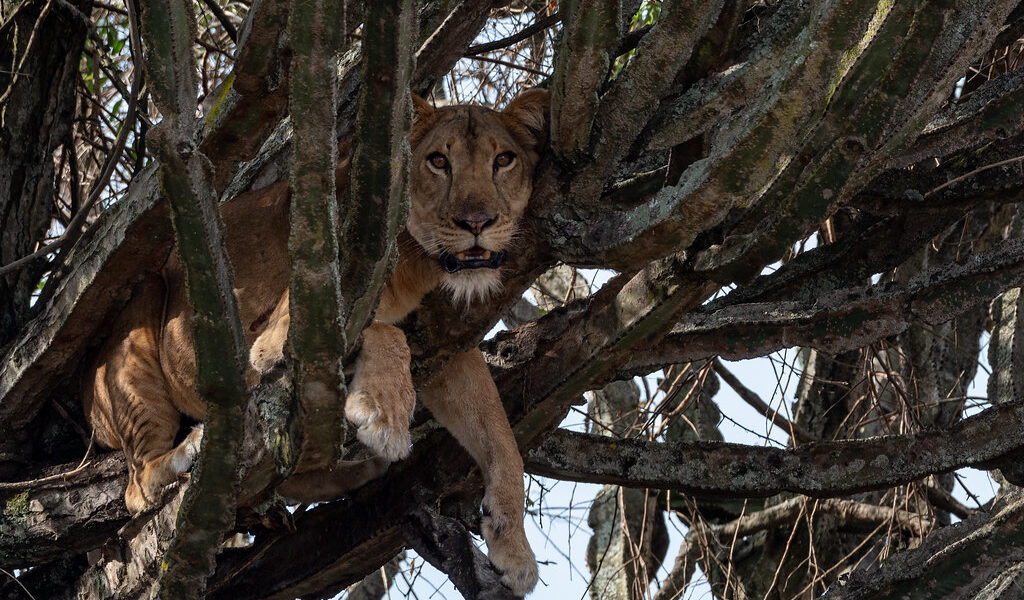
Ishasha is known for its tree-climbing lions, although sightings cannot be guaranteed. The area also supports topis, elephants, buffaloes and other wildlife.
Enjoy a game drive before returning to your lodge or continuing to an accommodation closer to the southern sector, depending on the final route plan.
Accommodation: Queen Elizabeth National Park
Meals: Breakfast, lunch and dinner
Day 12: Queen Elizabeth to Mgahinga-Kisoro
After breakfast, depart Queen Elizabeth and travel south-west towards Mgahinga Gorilla National Park. The journey passes through the scenic highlands of southwestern Uganda, with views of rural settlements and volcanic landscapes.
Arrive in the Kisoro area and check in at your accommodation. Spend the afternoon relaxing or enjoying a short community walk, depending on your arrival time.
Your guide will brief you about the following day’s golden monkey tracking experience and the conditions in the forest.
Accommodation: Kisoro or Mgahinga area
Meals: Breakfast, lunch and dinner
Day 13: Golden monkey tracking in Mgahinga Gorilla National Park
After an early breakfast, transfer to the park headquarters for a briefing by Uganda Wildlife Authority guides. Learn about golden monkey behaviour, conservation and the rules for visiting their habitat.
Enter the bamboo forest in search of a habituated golden monkey group. Golden monkeys are lively primates that move through the bamboo vegetation in search of food. The walk can involve uneven terrain and changes in elevation, so suitable hiking shoes are recommended.
After the tracking experience, return to your lodge and relax.
Accommodation: Kisoro or Mgahinga area
Meals: Breakfast, lunch and dinner
Day 14: Mgahinga forest, volcanic scenery and community experience
Enjoy breakfast before taking a guided nature walk or community experience around the Mgahinga region. Depending on your interests and available time, you may explore local cultural activities or learn about the communities living near the Virunga conservation landscape.
The area is known for its volcanic mountains, bamboo forests and montane vegetation. Your guide can introduce you to the importance of protecting these habitats and the wildlife they support.
A GreenSpot activity may be arranged at an approved community or restoration site where the selected tree species are suitable for the local altitude and climate.
Accommodation: Kisoro or Mgahinga area
Meals: Breakfast, lunch and dinner
Day 15: Mgahinga-Kisoro to Lake Mburo National Park
After breakfast, depart Kisoro and travel towards Lake Mburo National Park. This is a long road journey, so an early start is recommended. Stop for lunch and refreshments along the way.
Arrive in the Lake Mburo area and check in at your lodge. Depending on your arrival time, enjoy a short evening game drive or relax at the accommodation.
Lake Mburo is known for its zebras, impalas, giraffes, elands, topis and buffaloes.
Accommodation: Lake Mburo area
Meals: Breakfast, lunch and dinner
Day 16: Lake Mburo game drive and nature activities
Start the day with an early morning game drive through Lake Mburo National Park. Explore the open grasslands and woodland in search of zebras, giraffes, impalas, elands, topis, buffaloes and other wildlife.
After breakfast or a short rest, you may choose an optional guided nature walk with an authorised ranger or a boat trip on Lake Mburo, subject to availability.
In the afternoon, participate in a GreenSpot tree-planting activity at a suitable community or farm site outside the protected park. Learn about indigenous savannah trees such as Vachellia sieberiana, Vachellia hockii, Combretum molle and Ziziphus mucronata, and how they contribute to local habitats.
Accommodation: Lake Mburo area
Meals: Breakfast, lunch and dinner
Day 17: Lake Mburo to Entebbe
After breakfast, depart Lake Mburo and drive towards Entebbe. The journey passes through central Uganda, with a stop for lunch along the way.
Depending on your schedule, you may stop at the Equator crossing for photographs and a short visit. Continue to Entebbe and check in at your accommodation.
Spend the evening relaxing before your departure.
Accommodation: Entebbe
Meals: Breakfast, lunch and dinner
Day 18: Departure from Entebbe
Enjoy breakfast at your accommodation. Depending on your flight time, you may have time for a short activity around Entebbe.
Your driver will transfer you to Entebbe International Airport for your departure flight, marking the end of your 18-day Uganda safari.
Accommodation: Not included
Meals: Breakfast
Optional activities
The following experiences can be added or substituted depending on your interests, availability and the final safari schedule:
- Rhino tracking at Ziwa Rhino Sanctuary on the journey to Murchison Falls.
- Additional game drives in Murchison Falls National Park.
- A guided nature walk in Budongo Forest.
- A visit to the Fort Portal crater lakes.
- Additional birdwatching in Bigodi Wetland.
- A longer forest walk in Kibale, subject to park arrangements.
- A visit to the Katwe salt-mining area in Queen Elizabeth National Park.
- An additional game drive in the Ishasha sector.
- A guided cultural visit around Kisoro and Mgahinga.
- A longer hike on one of the Mgahinga volcanoes, subject to time, fitness and park arrangements.
- A guided walking safari in Lake Mburo National Park.
- A boat trip on Lake Mburo, subject to availability.
Frequently asked questions
Can I track chimpanzees in both Budongo and Kibale?
Yes. The itinerary includes planned chimpanzee-tracking experiences in both forests, subject to permit availability and the final arrangements. Budongo and Kibale offer different forest environments, so visiting both provides a varied experience.
Do I need permits for chimpanzee tracking?
Yes. Chimpanzee tracking requires permits and must be arranged through the relevant authorities or authorised operators. Book in advance, especially during busy travel periods. Confirm the applicable age restrictions and current rules before booking.
How does golden monkey tracking work?
Visitors meet at the park headquarters for a briefing before entering the forest with authorised guides and rangers. The walk involves searching for a habituated group in the bamboo forest. The duration depends on the location and movement of the monkeys.
Can I see gorillas in Mgahinga during this itinerary?
Mgahinga is also home to mountain gorillas, but this itinerary includes golden monkey tracking rather than gorilla trekking. Gorilla trekking can be added if permits, accommodation and additional time are available.
What wildlife can I see in Murchison Falls National Park?
Possible sightings include elephants, Rothschild’s giraffes, buffaloes, Uganda kobs, hartebeests, hippos, crocodiles and several predators. The Victoria Nile boat trip is especially rewarding for viewing hippos, crocodiles and waterbirds.
Is the boat safari in Queen Elizabeth worth including?
The Kazinga Channel boat safari is one of the park’s popular activities. It provides opportunities to see hippos, buffaloes, crocodiles, elephants and many waterbirds from the water.
Can I see tree-climbing lions in Ishasha?
Ishasha is known for tree-climbing lions, but sightings are not guaranteed. Your guide will explore suitable areas and check current wildlife information.
Is Lake Mburo suitable for walking safaris?
Yes. Lake Mburo offers guided walking experiences with authorised rangers. Walking routes and availability depend on park arrangements and conditions.
How many nights are included?
This 18-day itinerary includes 17 nights: one in Entebbe at the beginning, four in the Murchison-Budongo area, three around Kibale, three in Queen Elizabeth, three around Mgahinga-Kisoro, two around Lake Mburo and one in Entebbe before departure.
Are all 19 tree species planted during the safari?
The programme introduces all 19 species, but planting every species at every destination would not be ecologically appropriate. The actual planting selection will depend on local altitude, soil, rainfall and habitat. Some species are suited to highland forests, while others are better suited to savannah or community farmland.
Murchison Falls, Budongo and forest conservation
Murchison Falls National Park protects a large landscape of savannah, woodland, riverine vegetation and wetlands. The Victoria Nile supports aquatic wildlife and attracts birds and mammals to its banks.
Budongo Forest is an important tropical forest ecosystem known for chimpanzees and other primates. Its indigenous trees contribute to canopy cover, food resources and habitat for wildlife.
Forest conservation depends on protecting mature trees, allowing natural regeneration and reducing pressure from unsustainable harvesting. The GreenSpot programme introduces tree-growing activities that support suitable community and restoration landscapes outside protected areas.
Kibale Forest and chimpanzee conservation
Kibale Forest National Park is one of Uganda’s best-known primate destinations. Its tropical rainforest supports chimpanzees, red-tailed monkeys, black-and-white colobus monkeys, L’Hoest’s monkeys and many other species.
Chimpanzees play an important ecological role through seed dispersal. Their feeding and movement help maintain forest regeneration and plant diversity.
The Bigodi Wetland Sanctuary demonstrates how community participation can contribute to conservation. Local guiding, tourism and wetland protection provide opportunities for communities to benefit from nearby natural resources.
Queen Elizabeth wildlife and conservation
Queen Elizabeth National Park contains a mixture of savannah, woodland, wetlands, crater lakes and forest habitats. It supports elephants, buffaloes, lions, Uganda kobs, hippos and many bird species.
The Kazinga Channel is a major wildlife-viewing area, particularly for hippos and waterbirds. The Ishasha sector is well known for its tree-climbing lions.
Responsible tourism can support conservation through park revenue, employment and community-based activities. Visitors should follow park rules, avoid disturbing wildlife and respect the natural environment.
Mgahinga golden monkeys and mountain conservation
Mgahinga Gorilla National Park forms part of the Virunga conservation landscape, which extends across Uganda, Rwanda and the Democratic Republic of Congo.
Its bamboo forests and montane vegetation provide habitat for golden monkeys and other wildlife. The park also protects mountain gorillas, although gorilla trekking is not included in this itinerary.
Mountain forests help protect water catchments and stabilise soils on steep slopes. Tree planting around suitable community areas can complement protected-area conservation when species and locations are selected carefully.
Lake Mburo savannah and wildlife conservation
Lake Mburo National Park protects a landscape of open grassland, woodland, wetlands and lakes. It is especially known for zebras and impalas, as well as giraffes, elands, topis and buffaloes.
Indigenous savannah trees such as Vachellia sieberiana, Vachellia hockii, Combretum molle and Ziziphus mucronata contribute to the structure of these landscapes. They provide shelter, food resources and habitat for different wildlife species.
Conservation around Lake Mburo also depends on cooperation between park authorities and neighbouring communities. Responsible land management and suitable tree-growing projects can support healthier landscapes outside the park.
GreenSpot immersive tree-planting programme
The GreenSpot programme is an important part of this safari. It introduces visitors to indigenous tree species and practical conservation activities in communities along the route.
During the programme, you will learn how to select appropriate seedlings, prepare planting holes, handle young trees and protect them after planting. You may also take part in seedling care, monitoring and discussions with local community members.
The 19 species in this itinerary have different ecological requirements. Khaya anthotheca, Milicia excelsa, Entandrophragma cylindricum, Funtumia elastica and Newtonia buchananii are associated with forest environments. Hagenia abyssinica, Podocarpus latifolius, Prunus africana and Hypericum revolutum require appropriate highland conditions. Vachellia sieberiana, Vachellia hockii, Combretum molle and Ziziphus mucronata are more suited to relevant savannah and woodland environments.
The programme will therefore use different planting sites rather than placing all species together. The final selection will depend on local ecological assessments and community priorities.
Planting is only the first step. Regular watering where necessary, protection from grazing, replacement of failed seedlings and monitoring are important for ensuring that trees survive and grow.
Birdwatching along the safari route
This itinerary provides birdwatching opportunities in several different habitats. Murchison Falls and the Victoria Nile support waterbirds and savannah species. Budongo and Kibale provide opportunities to see tropical forest birds, while Bigodi Wetland is known for its diverse birdlife.
Queen Elizabeth National Park offers wetland and savannah birding, while Mgahinga supports montane forest and highland species. Lake Mburo provides opportunities to see woodland, grassland and wetland birds.
Possible sightings include the shoebill in suitable wetland habitats, African fish eagle, grey-crowned crane, great blue turaco, kingfishers, bee-eaters, hornbills and numerous weavers. Shoebill sightings are never guaranteed and require a suitable wetland excursion.
Bring binoculars and a bird field guide if birdwatching is an important part of your trip.
Community and cultural experiences
The journey offers opportunities to meet communities living around Uganda’s forests, mountains and savannah parks.
Around Budongo and Kibale, you can learn about forest conservation, local livelihoods and community tourism. Bigodi provides an example of how local residents participate in wetland protection and nature-based activities.
Around Mgahinga, community experiences can introduce you to local traditions, farming and the relationship between mountain communities and protected forests. Around Lake Mburo, you may learn about cattle keeping, farming and conservation activities in the surrounding landscape.
The GreenSpot programme provides another opportunity to engage with local communities through tree planting and seedling care.
Practical notes
Chimpanzee permits: Both Budongo and Kibale activities require advance arrangements. Confirm the permit type, availability, applicable age restrictions and fees before booking.
Golden monkey permits: Golden monkey tracking in Mgahinga requires a valid permit. Reserve in advance and confirm the current park rules.
Wildlife sightings: Animals move freely within their habitats. No guide can guarantee sightings of lions, leopards, tree-climbing lions or other specific wildlife.
Driving times: The route includes several long transfers, particularly between Queen Elizabeth, Mgahinga and Lake Mburo. Departures should be planned early, with suitable stops for meals and rest.
Accommodation: The final lodges should be selected according to your preferred comfort level, budget and availability. Accommodation locations may be adjusted to reduce unnecessary driving.
Packing: Bring comfortable safari clothing, sturdy walking shoes, hiking boots, a waterproof jacket, warm layers for Mgahinga, sunscreen, insect repellent, a hat, binoculars and a camera.
Tree planting: The planting programme depends on the season, seedling availability, landowner permission and ecological suitability. Species selection should be confirmed at each planting site.
Park regulations: Follow instructions from rangers and guides, maintain safe distances from wildlife and avoid feeding animals.
Fees and permits: Confirm which park entry fees, tracking permits, boat trips and optional activities are included in your final quotation.
Best time to visit
Uganda is a year-round safari destination, but the drier periods are generally convenient for game drives, forest tracking and road travel.
The main dry seasons usually occur from December to February and June to September. These periods often provide more manageable road and trail conditions, although rainfall can occur at any time.
The wetter periods generally fall around March to May and October to November. Forest trails can become muddy, and some road journeys may take longer. However, the landscapes become greener, and birdwatching can be rewarding.
Chimpanzee and golden monkey tracking take place throughout the year, subject to permit availability and park conditions. Wildlife viewing in Murchison Falls, Queen Elizabeth and Lake Mburo is also possible throughout the year.
For this immersive safari, choose travel dates that allow you to enjoy the forest activities, mountain environment and long road transfers comfortably. Tree-planting activities should be scheduled around suitable local planting seasons and the availability of healthy seedlings.
Tour Includes
- Travel in a 4×4 car
- Professional guide
- Park fees
- Accommodation
- Meals
- All Activities In Itinerary
Tour Excludes
- Alcoholic drinks
- Laundry
- Tips
- Shopping
- Insurance
- Anything not included per itinerary
Get Your Tailored 5 Days Rwanda Gorilla Trekking Hagenia abyssinica Tree-Planting Safari from Kigali to Musanze
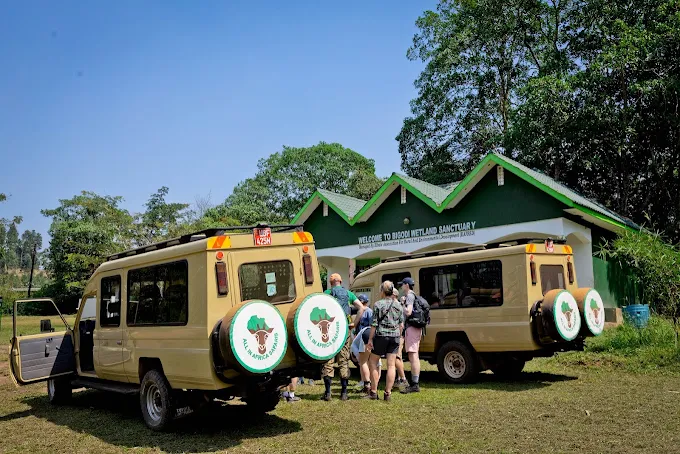
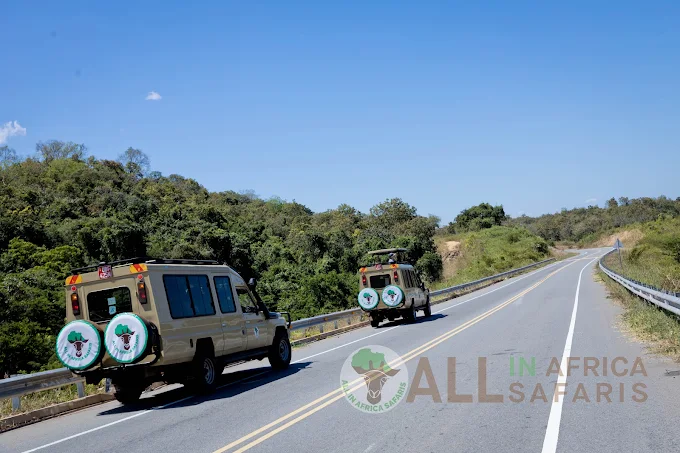
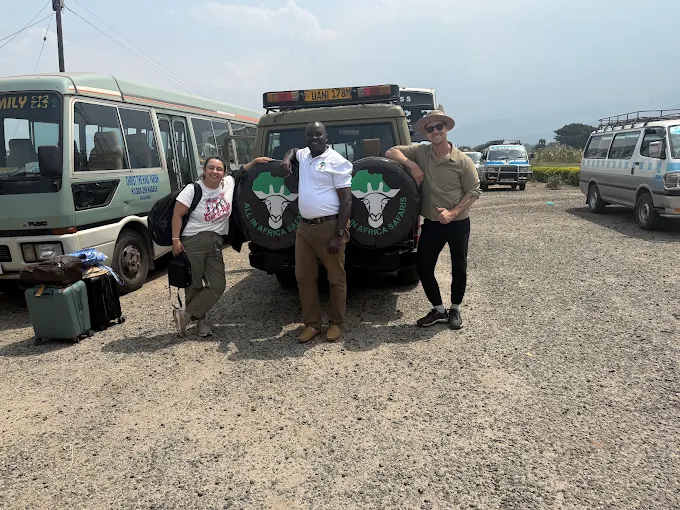
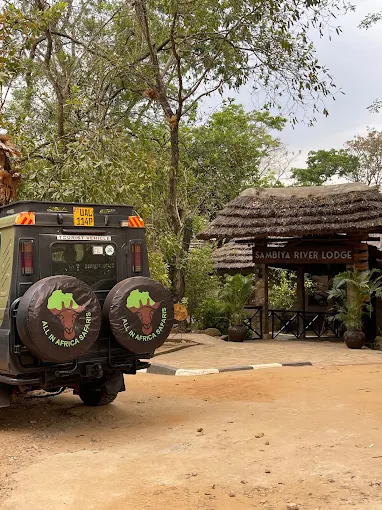
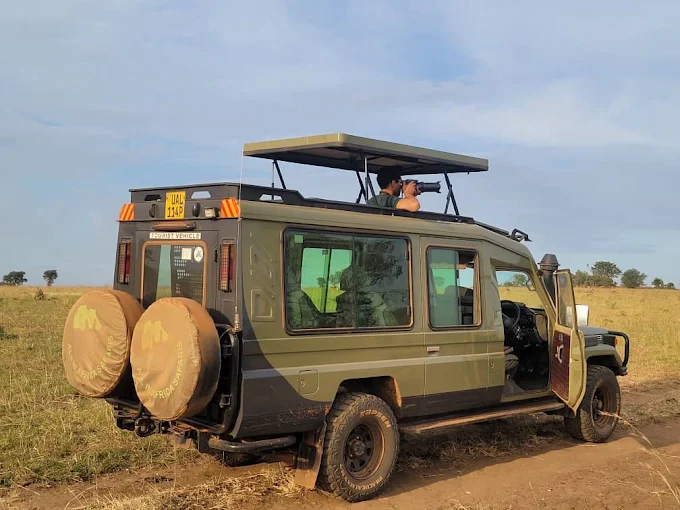
Uganda Safari Photos
Our Green Spot Campaign
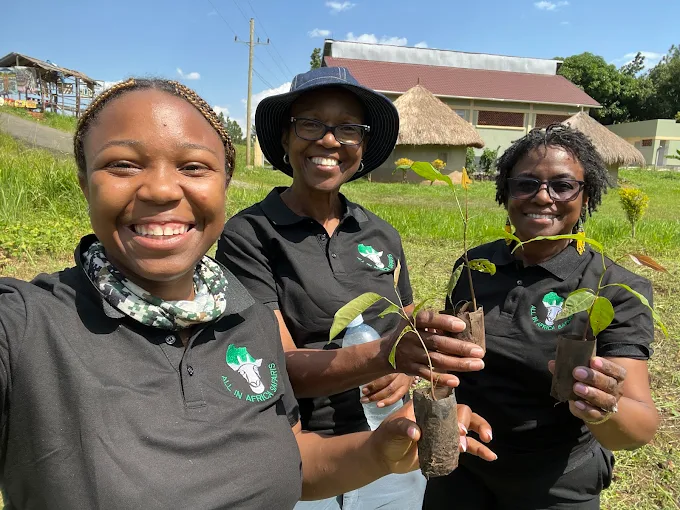
Every safari with us supports our Green Spot Campaign — planting trees across Uganda’s communities. Learn more & get involved →
All in Africa Safaris arranges tours to Uganda, Rwanda, Kenya and Tanzania
3 Days Murchison Falls Safari
Discover the Wildlife in the Murchison Falls National Park with engagement with a boat cruise and game drives which lead to a nature walk on top of the falls
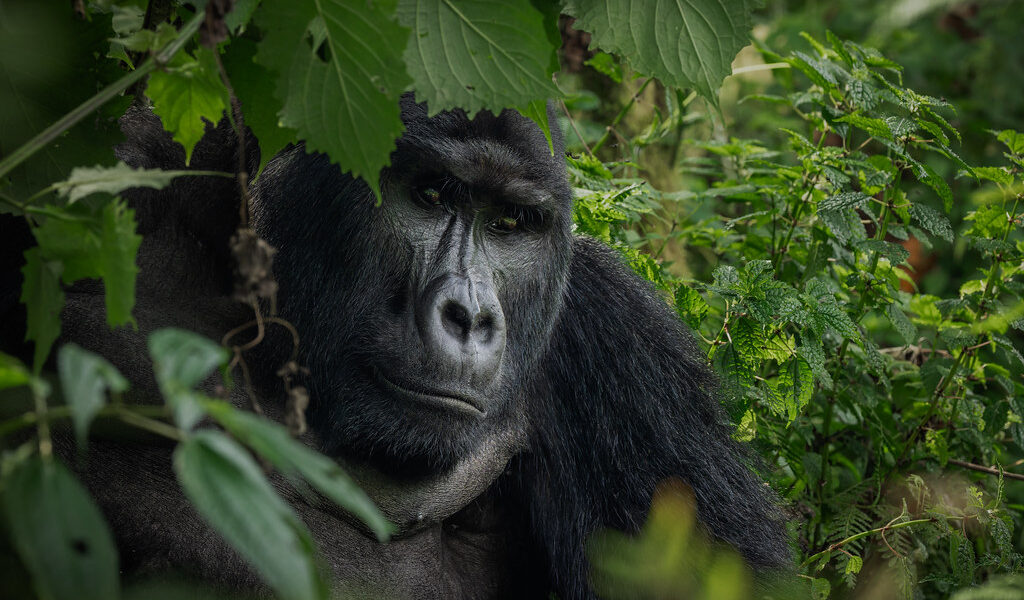
4 Days Gorillas & Queen Wildlife
Visit the magical national parks of Uganda known as Bwindi Forest and Queen Elizabeth National Park including gorilla trekking and wildlife views for travelers
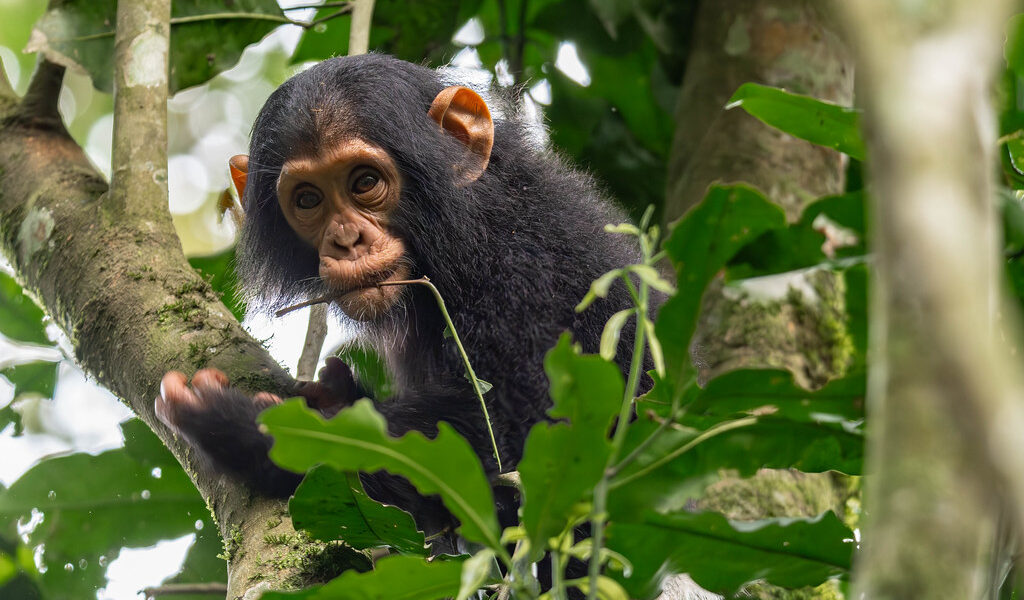
5 Days Gorillas & Chimps Track
Explore the great Mgahinga National Park conserving and protecting the endangered Mountain gorillas & chimpanzees in the pearl of Africa
6 Days Uganda Safari
Visit the magical national parks of Uganda known as Bwindi Forest and Queen Elizabeth National Park which include the gorilla trekking and wildlife views
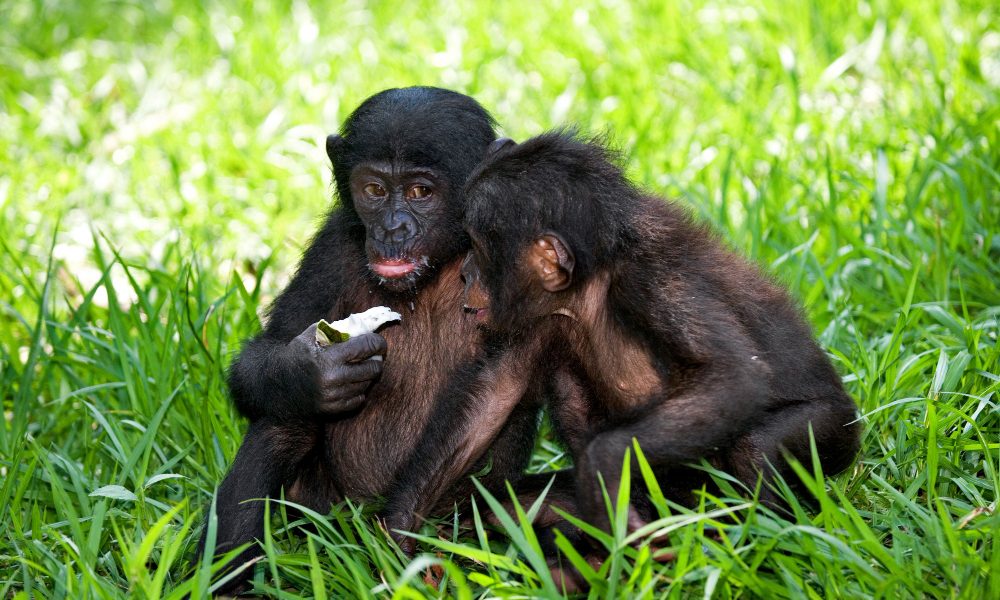
1 Day Bwindi Gorilla Tour from Kigali
A fast-paced day trip from Kigali into Bwindi Impenetrable Forest for a single unforgettable hour with a mountain gorilla family
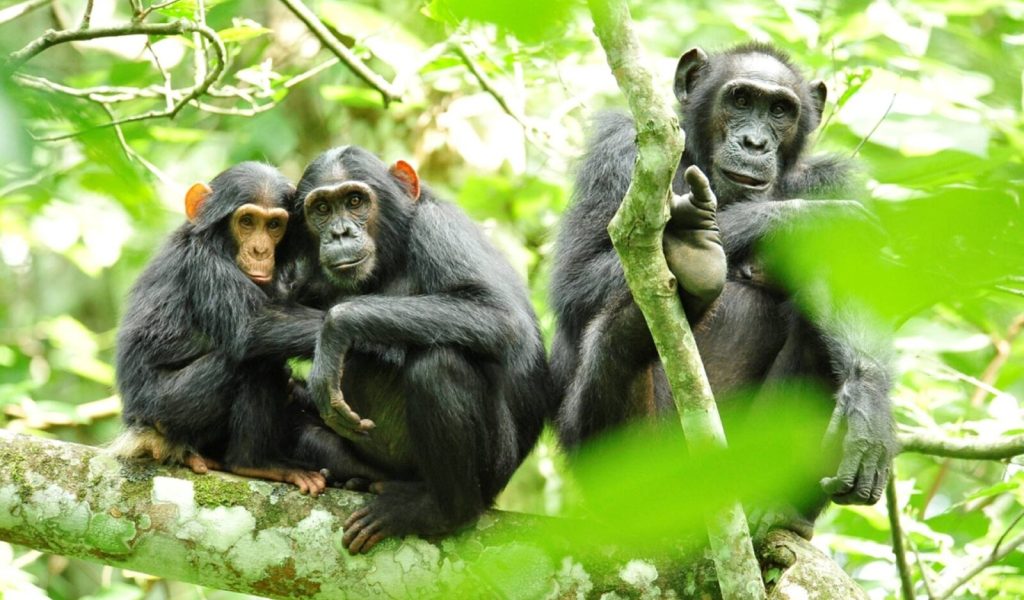
3 Days Chimpanzee Tracking in Kibale
Track chimpanzees through Africa’s primate capital, Kibale Forest, alongside a community walk through Bigodi Wetland Sanctuary
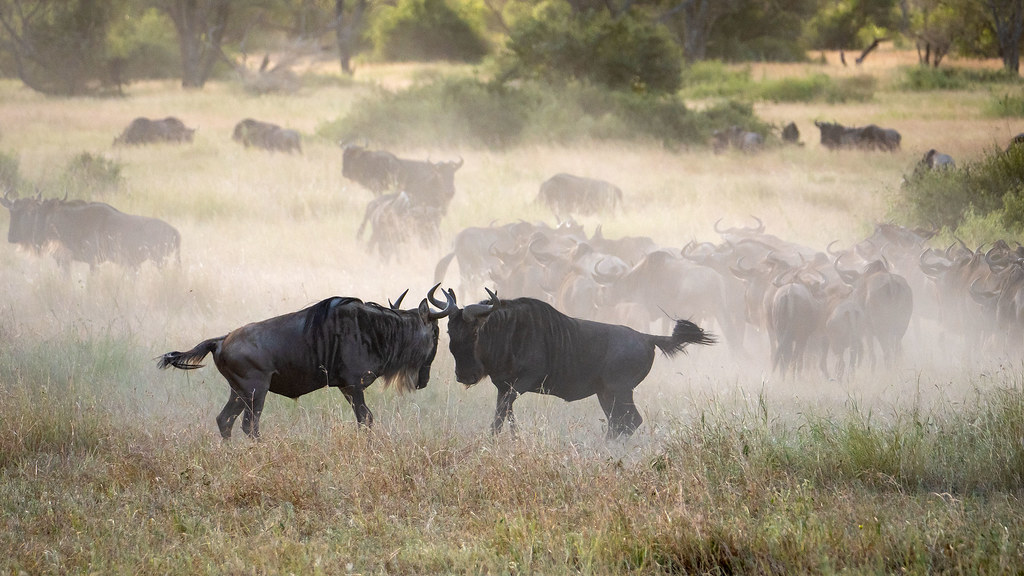
4 Days Kidepo Valley Wildlife Safari
Venture into Uganda’s most remote wilderness for cheetahs, ostriches and dramatic mountain scenery few visitors ever see
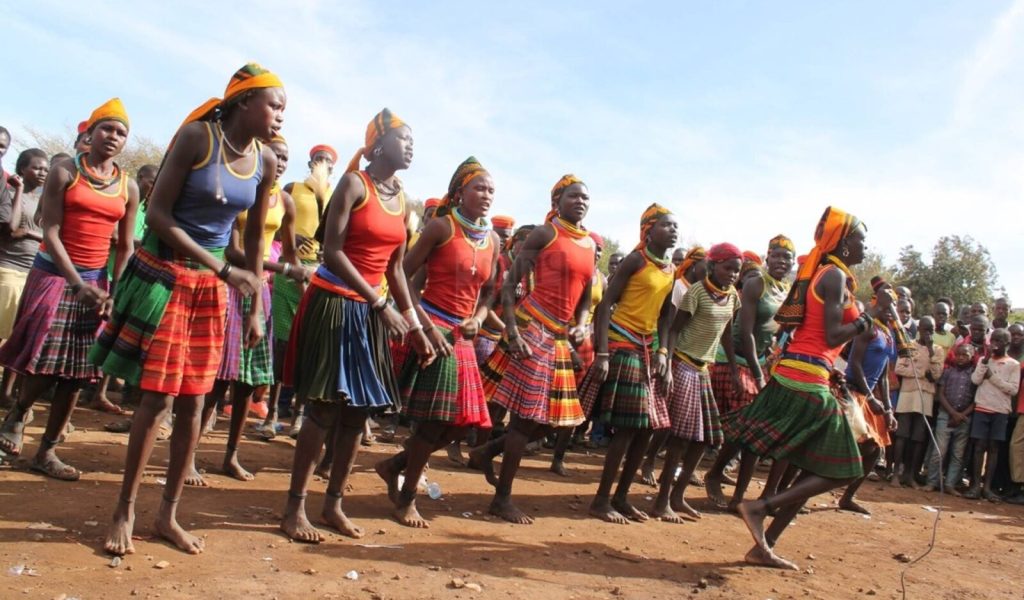
7 Day Kidepo and Sipi Safari
Combine Kidepo Valley’s wild plains with waterfall hikes and coffee tours in the Sipi Falls region
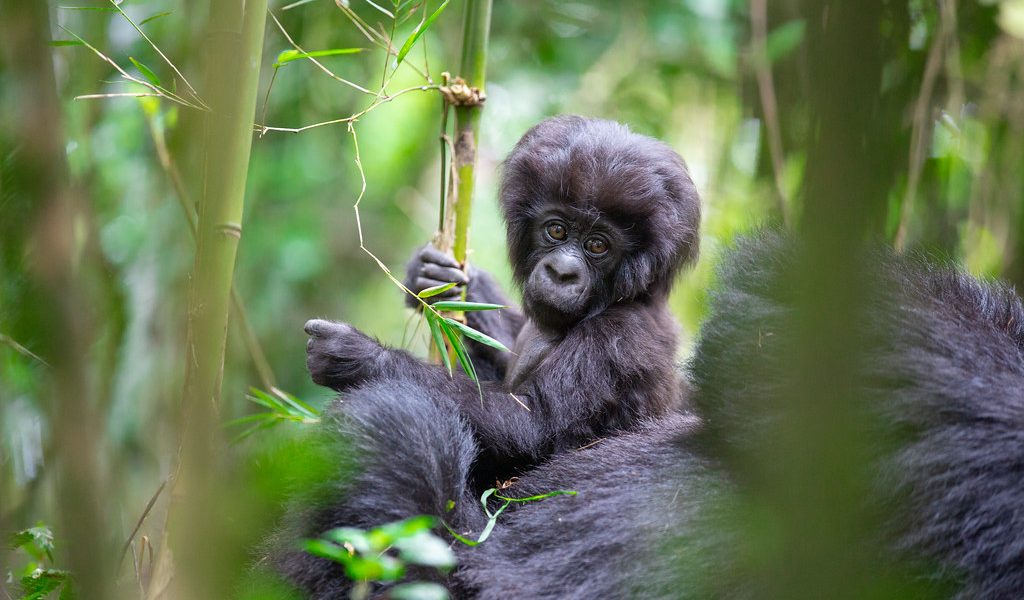
10 Days Rwanda Uganda Safari
A complete circuit through Volcanoes, Bwindi, Queen Elizabeth and Kibale for gorillas, chimps and classic wildlife
12 Days Uganda Leisure Holidays
An unhurried two-week journey through Murchison Falls, Kibale, Queen Elizabeth, Bwindi and Lake Mburo
14 Days Uganda Northern Circuit
Explore Kidepo Valley, Murchison Falls and Sipi Falls on this off-the-beaten-path northern adventure
15 Days Uganda Safari
Uganda’s full highlight reel across two relaxed weeks of gorillas, chimps, wildlife and scenic countryside