
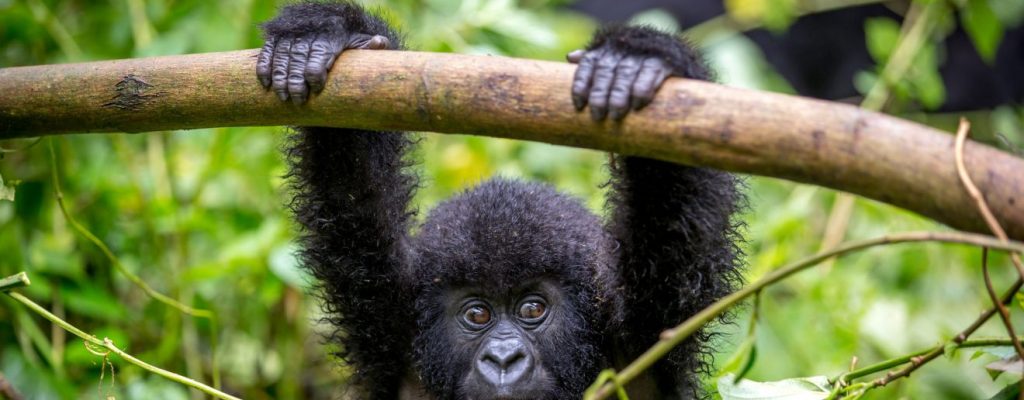
5 Days Rwanda Gorilla Trekking Hagenia abyssinica Tree-Planting Safari from Kigali to Musanze
Overview
This five-day Rwanda gorilla trekking and tree-planting safari combines an unforgettable mountain gorilla encounter with conservation activities in the beautiful highlands of northern Rwanda. Starting in Kigali and travelling to Musanze, the journey takes you towards Volcanoes National Park, home to endangered mountain gorillas and the spectacular Virunga Mountains.
Musanze is Rwanda’s main base for gorilla trekking. The surrounding landscape features volcanic mountains, fertile farmland, montane forests and traditional communities. The region is also important for biodiversity conservation, particularly the protection of mountain gorilla habitats and the forests that support numerous plant and animal species.
Alongside gorilla trekking, this safari includes a community and conservation tree-planting experience featuring four montane tree species: Hagenia abyssinica, Prunus africana, Podocarpus latifolius and Hypericum revolutum. These species contribute to forest restoration, biodiversity protection and the long-term health of high-altitude ecosystems.
The programme provides an opportunity to learn about Rwanda’s conservation work while participating in a practical planting activity at an approved community or restoration site. You will also explore Musanze, enjoy views of the Virunga volcanoes and learn how local communities contribute to protecting the natural environment.
This itinerary is suitable for wildlife enthusiasts, conservation-minded travellers, couples and families with eligible participants. Gorilla trekking requires a valid permit and a reasonable level of physical fitness because the experience involves walking through mountainous forest terrain.
Safari Highlights
- Travel from Kigali to Musanze through Rwanda's scenic countryside.
- Experience mountain gorilla trekking in Volcanoes National Park.
- Spend a memorable hour observing a habituated mountain gorilla family.
- Participate in a tree-planting programme featuring four montane tree species.
- Learn about Hagenia abyssinica, Prunus africana, Podocarpus latifolius and Hypericum revolutum.
- Discover the conservation importance of the Virunga mountain ecosystem.
- Enjoy views of Rwanda's volcanic landscapes and surrounding highlands.
Tree species featured in the planting programme
Hagenia abyssinica – African redwood
Main uses
Hagenia abyssinica is a distinctive high-altitude tree found in the mountainous regions of East and Central Africa. It is recognised by its large leaves and reddish flower clusters. Traditionally, different parts of the tree have been used by local communities, while its flowers and foliage contribute to montane forest habitats.
Why plant it?
Hagenia abyssinica is an important component of high-altitude ecosystems. Planting it in suitable locations supports montane vegetation restoration, improves habitat structure and contributes to the protection of mountain biodiversity. It can also help restore degraded areas around suitable forest margins.
Planted at
Suitable community restoration sites, highland farms and approved conservation areas around Musanze and the wider Virunga region, according to local ecological guidance.
Prunus africana – African cherry
Main uses
Prunus africana is an important indigenous African tree valued for its bark, timber and ecological contribution. Bark extracts have traditionally been used and are commercially important in products associated with prostate health. Its fruits provide food for birds and other wildlife.
Why plant it?
Overharvesting has placed pressure on wild populations. The species is listed as Vulnerable on the IUCN Red List and included in CITES Appendix II, which regulates international trade. Planting and protecting African cherry trees can support restoration, reduce pressure on wild populations and contribute to sustainable community conservation initiatives.
Planted at
Musanze, Gishwati, Kibale, Rwenzori, Bwindi, Mgahinga-Kisoro and Lake Bunyonyi, where suitable restoration or agroforestry programmes are established.
Podocarpus latifolius – Real yellowwood
Main uses
Podocarpus latifolius is an indigenous evergreen conifer found in African mountain forests. It is valued for its durable timber, although harvesting from natural forests requires strict management. The tree also contributes to forest structure and provides habitat for wildlife.
Why plant it?
Real yellowwood is useful for restoring indigenous montane forest ecosystems. Its evergreen foliage contributes to forest cover throughout the year, while established trees provide habitat and help maintain ecological diversity. Planting this species in appropriate restoration sites supports long-term forest recovery.
Planted at
Suitable montane restoration sites and community conservation areas around Musanze and other highland locations where local forestry guidance confirms its suitability.
Hypericum revolutum – Mountain St John’s wort
Main uses
Hypericum revolutum is a montane shrub or small tree found in high-altitude African environments. It is recognised for its yellow flowers and contribution to mountain vegetation. Some species in the wider St John’s wort group have traditional uses, although specific medicinal claims should be guided by reliable local knowledge.
Why plant it?
This species contributes to the diversity of montane vegetation and helps restore suitable highland habitats. Its flowers support insects and add ecological value to mountain landscapes. Including it in restoration programmes can help recreate a more varied natural plant community.
Planted at
Suitable highland restoration areas, forest margins and community conservation sites around Musanze, subject to local ecological advice.
Detailed Itinerary
Day 1: Arrival in Kigali and transfer to Musanze
Upon arrival at Kigali International Airport, meet your safari guide and begin your journey to Musanze in northern Rwanda. If you arrive early, you may enjoy a short introduction to Kigali before departing for the countryside.
The drive takes you through Rwanda’s rolling hills, cultivated landscapes and rural communities. As you approach Musanze, the scenery changes, with the Virunga volcanoes forming an impressive backdrop.
Arrive in Musanze and check in at your accommodation. Your guide will brief you about the gorilla trekking experience, the conservation programme and the activities planned for the following days.
Spend the remainder of the afternoon relaxing and enjoying the mountain scenery. Your guide can also help confirm your gorilla trekking arrangements and review what to carry for the forest excursion.
Accommodation: Budget, mid-range or luxury lodge in Musanze.
Meals: Lunch and dinner, depending on arrival time.
Day 2: Mountain gorilla trekking in Volcanoes National Park
After an early breakfast, travel to the Volcanoes National Park headquarters for your gorilla trekking briefing. Park staff will explain the trekking regulations, safety procedures and guidelines for responsible gorilla encounters.
You will be assigned to a habituated gorilla family according to park arrangements. The trekking experience takes place in the montane forest on the slopes of the Virunga volcanoes. The duration and difficulty depend on the location of the gorilla family, the terrain and the time required to find the group.
Accompanied by experienced park guides and trackers, enter the forest and follow the designated trails. The walk may involve steep slopes, muddy ground, dense vegetation and changes in altitude. Porters are available for hire at the park headquarters and can assist with carrying your daypack and providing support on difficult sections.
Once the gorillas are located, you will spend a strictly limited period observing them, normally one hour. Watch the family as they feed, groom, rest and interact. You may see adults, juveniles and young gorillas depending on the group assigned to you.
Photography is permitted under park rules, but flash photography is not allowed. Visitors must maintain the required distance and follow all instructions from the guides.
After the encounter, return to the starting point and transfer back to your lodge. Spend the evening relaxing and sharing your experience.
Accommodation: Budget, mid-range or luxury lodge in Musanze.
Meals: Breakfast, lunch and dinner.
Day 3: Community tree planting and montane forest conservation
After breakfast, travel to an agreed community or conservation planting site around Musanze. Meet the local coordinators, who will introduce the programme and explain the importance of protecting montane vegetation around the Virunga region.
The planting activity features Hagenia abyssinica, Prunus africana, Podocarpus latifolius and Hypericum revolutum. You will learn about the ecological characteristics of each species, their suitability for highland environments and their contribution to forest restoration.
Participate in preparing planting holes, positioning seedlings, covering their roots and watering them where water is available. Local coordinators will demonstrate appropriate planting techniques and explain the importance of spacing, soil conditions and protection from grazing animals.
The activity also introduces you to the pressures facing montane forests, including land-use change, soil erosion and the need to protect natural habitats. Your guide will explain how community-based conservation can support the long-term protection of wildlife landscapes.
Enjoy lunch and continue with a discussion about seedling monitoring and aftercare. Learn how local communities can protect young trees, replace unsuccessful seedlings and maintain restored areas.
Return to your lodge in the afternoon.
Accommodation: Budget, mid-range or luxury lodge in Musanze.
Meals: Breakfast, lunch and dinner.
Day 4: Musanze cultural experience and Virunga landscape exploration
After breakfast, enjoy a day exploring the landscapes and communities around Musanze. The region provides opportunities to understand the relationship between agriculture, forest conservation and tourism.
Begin with a guided visit to a local community initiative. Depending on the programme arranged, you may learn about traditional farming, local crafts, food preparation or community projects connected to conservation and tourism.
Later, enjoy views of the Virunga volcanoes and explore suitable areas around Musanze. Your guide will explain the importance of the mountain ecosystem, including its forests, water sources and wildlife habitats.
You may also arrange an optional nature walk or birdwatching activity. The highland environment supports a variety of bird species and plant communities, making it an interesting destination for nature enthusiasts.
Return to your lodge in the afternoon. Enjoy dinner and prepare for the journey back to Kigali the following day.
Accommodation: Budget, mid-range or luxury lodge in Musanze.
Meals: Breakfast, lunch and dinner.
Day 5: Musanze to Kigali
Enjoy breakfast at your lodge before checking out and departing for Kigali.
Travel through Rwanda’s scenic countryside, with opportunities for photographs and refreshments along the way. Your guide can discuss the importance of the gorilla conservation programme and the long-term care of the trees planted during your visit.
Arrive in Kigali in the afternoon. You will be dropped off at Kigali International Airport, your hotel or another agreed location, depending on your onward travel arrangements.
Accommodation: Not included unless an additional night is requested.
Meals: Breakfast and lunch.
Optional Activities
You can add other experiences around Musanze depending on your interests, available time and the operating arrangements of local providers.
- Golden monkey trekking: Visit the bamboo forests of Volcanoes National Park to observe golden monkeys in their natural habitat. This activity requires a separate permit.
- Dian Fossey-related conservation visit: Learn about the history of mountain gorilla research and conservation in the Virunga region through an appropriately arranged visit.
- Musanze cave exploration: Discover the volcanic caves around Musanze with an authorised local guide.
- Iby’Iwacu cultural experience: Visit a community tourism initiative near Volcanoes National Park to learn about Rwandan traditions, music, dance and local livelihoods.
- Extended birdwatching: Explore suitable highland habitats with a knowledgeable local bird guide.
- Additional tree planting: Extend your conservation contribution through more seedlings or a school and community greening activity.
Frequently Asked Questions
Is gorilla trekking included in this five-day safari?
Yes. The itinerary includes one mountain gorilla trekking experience in Volcanoes National Park. A valid gorilla trekking permit is required and should be secured in advance.
How long does gorilla trekking take?
The duration varies according to the location of the assigned gorilla family and the terrain. Some treks take a few hours, while others require a longer walk. Once the gorillas are located, visitors normally spend one hour observing them.
How difficult is gorilla trekking in Rwanda?
Gorilla trekking can be physically demanding. The terrain is mountainous, and trails may be steep, muddy or covered in dense vegetation. A reasonable level of fitness, suitable hiking shoes and appropriate clothing are recommended.
Which tree species are included in the planting activity?
The programme features Hagenia abyssinica, Prunus africana, Podocarpus latifolius and Hypericum revolutum. These species are associated with highland and montane environments.
Where does tree planting take place?
The activity takes place at an approved community, farm or conservation restoration site around Musanze. Planting locations are selected according to land availability, permissions, soil conditions and ecological suitability. Planting is not conducted inside the national park unless specifically authorised by the relevant park authorities.
Can I hire a porter during gorilla trekking?
Yes. Porters are available for hire at the park headquarters. They can carry your backpack and assist you on difficult sections of the trail. Hiring a porter also provides direct income to local community members.
Can children participate in gorilla trekking?
Rwanda’s gorilla trekking minimum age is 15 years. Children below this age cannot participate in the standard gorilla trekking activity.
What should I pack for gorilla trekking?
Carry waterproof hiking boots, long trousers, long-sleeved clothing, gardening or hiking gloves, a rain jacket, drinking water, snacks, sunscreen and a small backpack. Gaiters can help protect your lower legs from mud and vegetation.
Can this safari be combined with other Rwanda destinations?
Yes. You can extend the trip to include Lake Kivu, Nyungwe Forest National Park, Akagera National Park or other destinations depending on your available time.
Mountain gorillas and Volcanoes National Park
Volcanoes National Park protects part of the Virunga Mountains, a chain of volcanic peaks shared by Rwanda, Uganda and the Democratic Republic of the Congo. The park is one of the world’s most important habitats for endangered mountain gorillas.
The park’s montane forests provide food, shelter and breeding habitat for gorillas and other wildlife. Bamboo zones, forest clearings and dense vegetation form part of the varied environment used by different gorilla families.
Gorilla tourism plays an important role in Rwanda’s conservation model. Permit revenue, tourism employment and community programmes contribute to the protection of the park and support surrounding communities.
Visitors must follow strict gorilla trekking rules. These include maintaining the required distance, avoiding flash photography, following the guide’s instructions and not trekking when unwell with a potentially infectious illness.
Montane forest conservation in the Virunga region
The Virunga landscape contains important high-altitude forests that support unique plant and animal communities. These forests help regulate water flows, protect steep slopes and provide habitat for mountain wildlife.
The four featured tree species contribute to different parts of the montane ecosystem. Hagenia abyssinica is characteristic of high-altitude vegetation, while Prunus africana and Podocarpus latifolius are important indigenous forest trees. Hypericum revolutum adds diversity to highland vegetation.
Restoration work needs careful planning. Species should match the altitude, rainfall, soil and ecological conditions of the planting site. Natural forest habitats should be restored with appropriate indigenous species, and introduced trees should not be planted in sensitive conservation areas.
Community conservation around Musanze
Communities surrounding Volcanoes National Park play an important role in protecting the Virunga landscape. Farming, tourism, local enterprises and conservation activities all influence how people interact with the natural environment.
Community tourism gives visitors an opportunity to learn about local culture and livelihoods. It can also create income through guiding, crafts, accommodation, cultural performances and other services.
Tree-planting activities provide another way for visitors to support community conservation. However, successful planting requires more than distributing seedlings. Local residents need to participate in site selection, planting, watering, monitoring and long-term protection.
Birdwatching around Musanze
The highlands around Musanze offer opportunities for birdwatching in gardens, farmland, forest edges and montane habitats. The wider Virunga region is particularly interesting for visitors who want to explore high-altitude bird communities.
A local bird guide can help identify species by their calls, colours, behaviour and preferred habitats. Early morning is generally a productive time for birdwatching, when many species are active.
Visitors interested in bird photography should carry binoculars, a camera with a suitable lens and comfortable walking shoes. Bird sightings vary with season, weather and the specific location visited.
Practical Notes
Gorilla permits: Gorilla trekking permits are limited and should be booked well in advance, especially during busy travel periods. Confirm permit availability before finalising flights and accommodation.
Age requirement: Participants must be at least 15 years old to take part in standard gorilla trekking in Rwanda.
Fitness: Prepare for walking on steep, uneven and sometimes muddy trails. Regular walking and hill training before travel can improve your trekking experience.
Clothing: Pack long trousers, long-sleeved shirts, waterproof hiking boots, gloves and a rain jacket.
Health: Do not participate in gorilla trekking if you have symptoms of a potentially infectious illness. Follow park health guidance to protect the gorillas.
Porters: Consider hiring a porter for assistance during the trek. Carry some cash for porter services and tips.
Tree planting: Wear practical clothing and closed shoes. Follow the instructions of the local planting coordinators.
Seedling care: The programme should include arrangements for watering, monitoring and protecting seedlings after planting.
Accommodation: Budget, mid-range and luxury lodges are available around Musanze. Your choice should consider comfort, location and access to the park headquarters.
Gorilla trekking permit costs: Permit prices and booking conditions can change. Confirm the current official rates and availability when preparing your quotation.
Best Time to Visit Musanze for Gorilla Trekking and Tree Planting
Rwanda’s Volcanoes National Park can be visited throughout the year. The drier periods are generally popular for gorilla trekking because forest trails may be less muddy and walking conditions can be easier. These periods are commonly experienced around June to September and December to February.
The wetter months can bring more challenging trekking conditions, but the forest becomes lush and green. Rainfall can also influence access to planting sites and the timing of community conservation activities.
Tree planting should be scheduled according to local rainfall patterns and the availability of healthy seedlings. Planting at the beginning of a suitable rainy period can improve the chances of successful establishment, provided the species and site are correctly matched.
For the best overall experience, arrange your gorilla permit early and coordinate the tree-planting activity with local conservation partners. This allows you to combine a mountain gorilla encounter with a meaningful contribution to the protection of Rwanda’s highland environment.
Tour Includes
- Travel in a 4×4 car
- Professional guide
- Park fees
- Accommodation
- Meals
- All Activities In Itinerary
Tour Excludes
- Alcoholic drinks
- Laundry
- Tips
- Shopping
- Insurance
- Anything not included per itinerary
Get Your Tailored 5 Days Rwanda Gorilla Trekking Hagenia abyssinica Tree-Planting Safari from Kigali to Musanze
Uganda Safari Photos
Our Green Spot Campaign
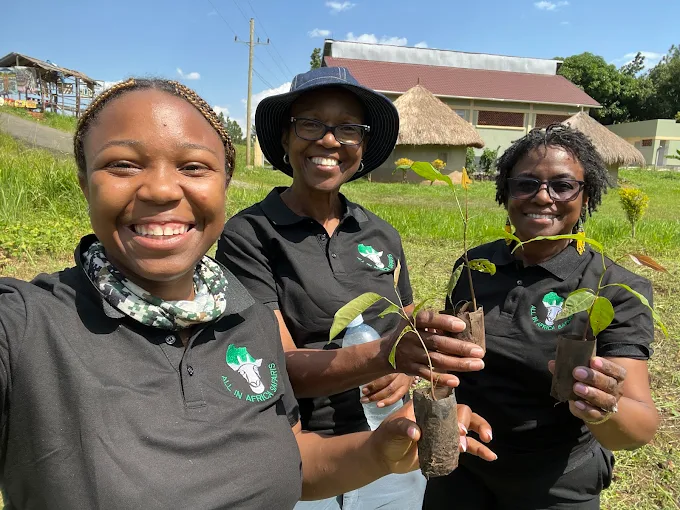
Every safari with us supports our Green Spot Campaign — planting trees across Uganda’s communities. Learn more & get involved →
All in Africa Safaris arranges tours to Uganda, Rwanda, Kenya and Tanzania
3 Days Murchison Falls Safari
Discover the Wildlife in the Murchison Falls National Park with engagement with a boat cruise and game drives which lead to a nature walk on top of the falls
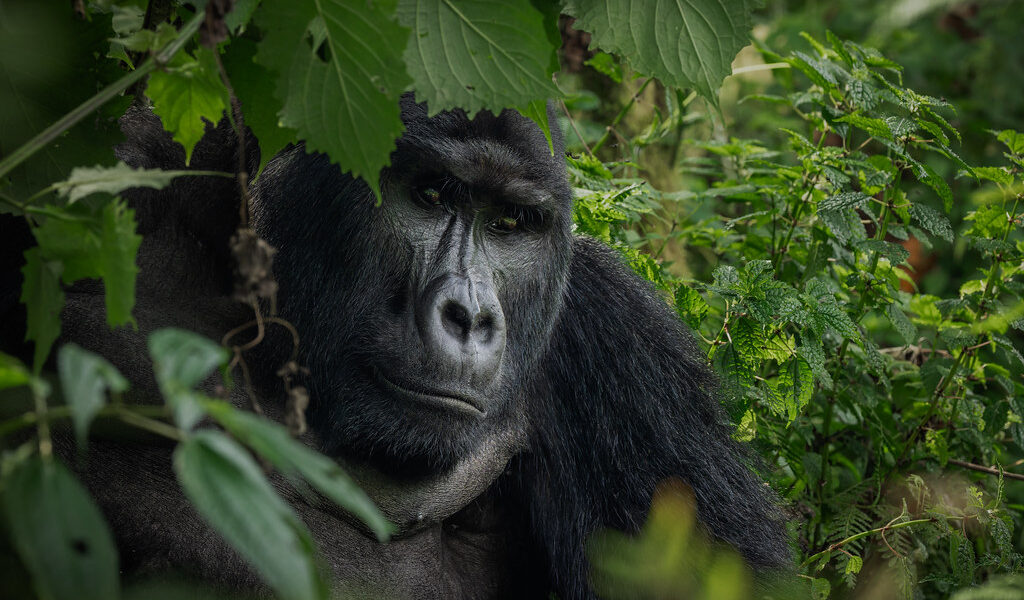
4 Days Gorillas & Queen Wildlife
Visit the magical national parks of Uganda known as Bwindi Forest and Queen Elizabeth National Park including gorilla trekking and wildlife views for travelers
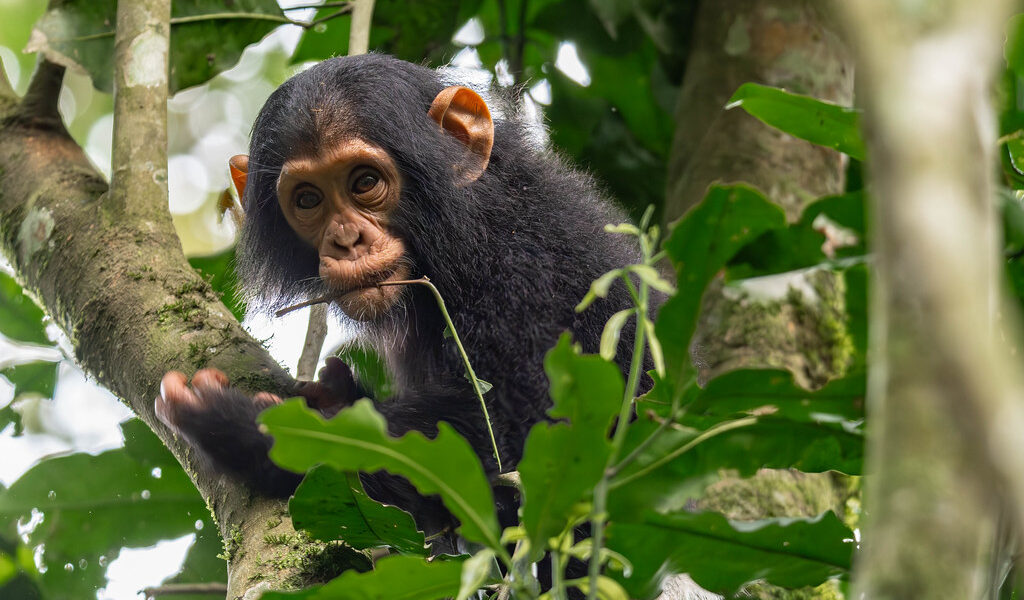
5 Days Gorillas & Chimps Track
Explore the great Mgahinga National Park conserving and protecting the endangered Mountain gorillas & chimpanzees in the pearl of Africa
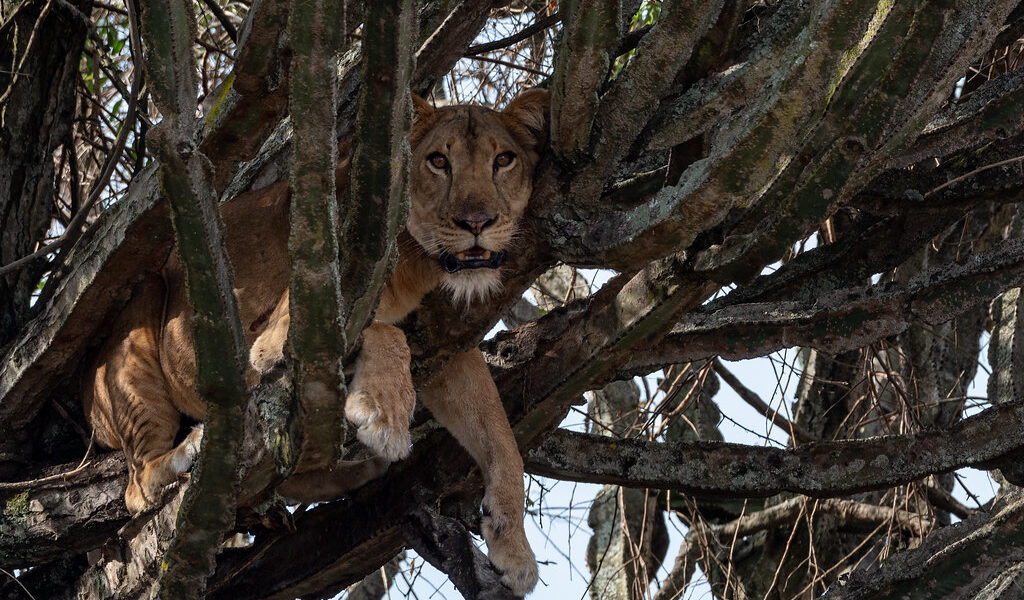
6 Days Uganda Safari
Visit the magical national parks of Uganda known as Bwindi Forest and Queen Elizabeth National Park which include the gorilla trekking and wildlife views
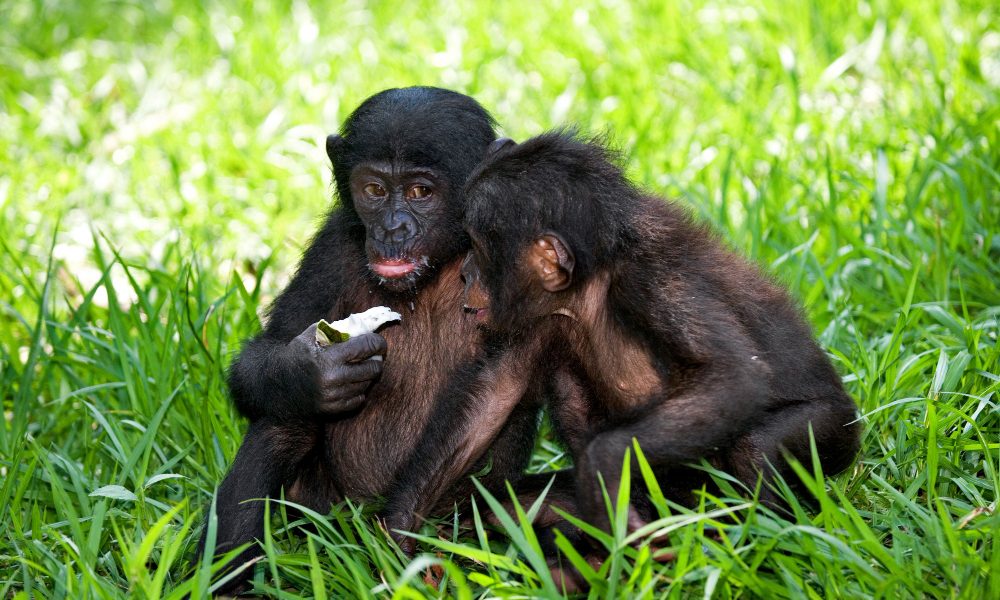
1 Day Bwindi Gorilla Tour from Kigali
A fast-paced day trip from Kigali into Bwindi Impenetrable Forest for a single unforgettable hour with a mountain gorilla family
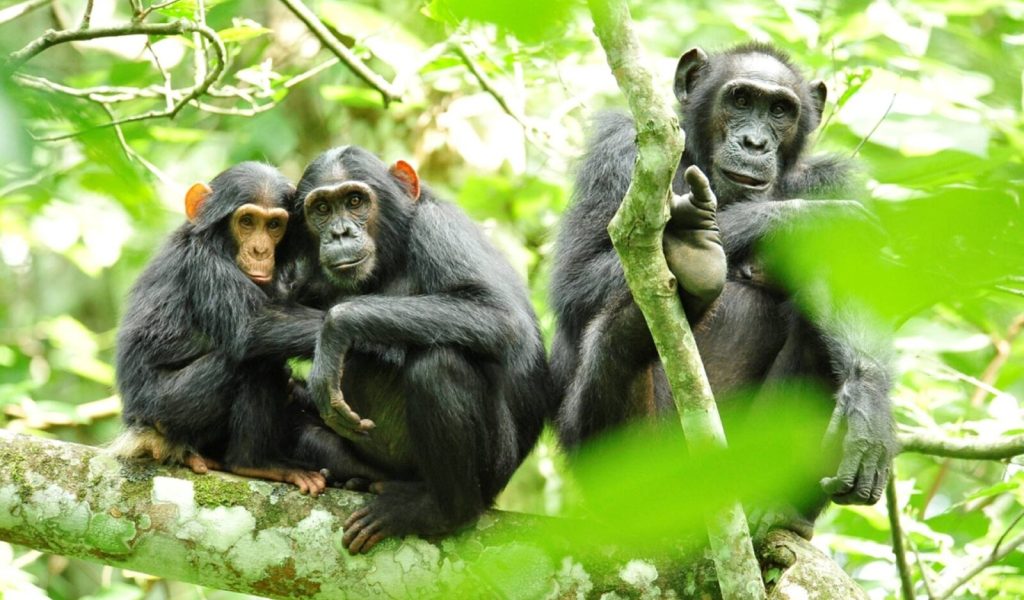
3 Days Chimpanzee Tracking in Kibale
Track chimpanzees through Africa’s primate capital, Kibale Forest, alongside a community walk through Bigodi Wetland Sanctuary
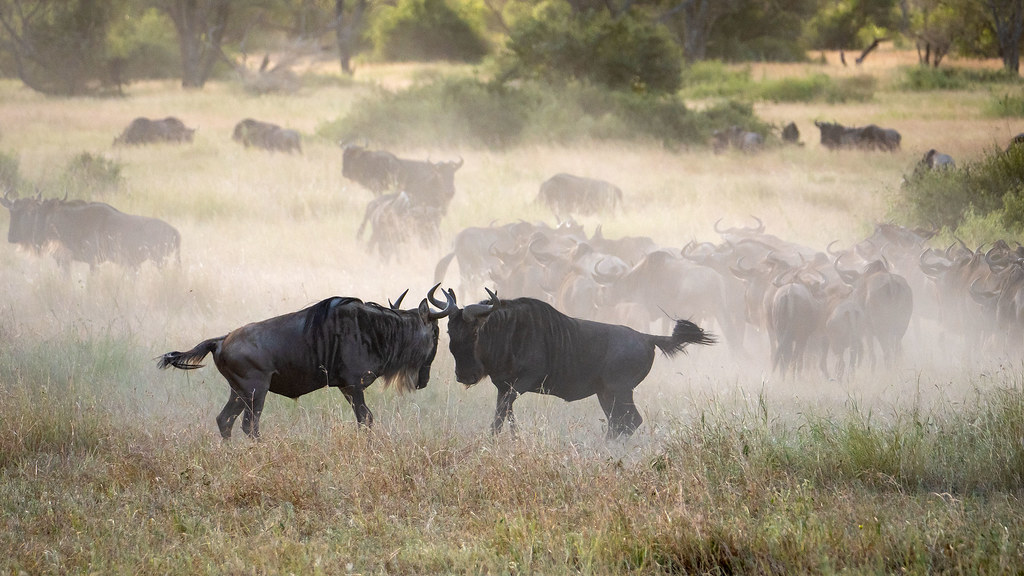
4 Days Kidepo Valley Wildlife Safari
Venture into Uganda’s most remote wilderness for cheetahs, ostriches and dramatic mountain scenery few visitors ever see
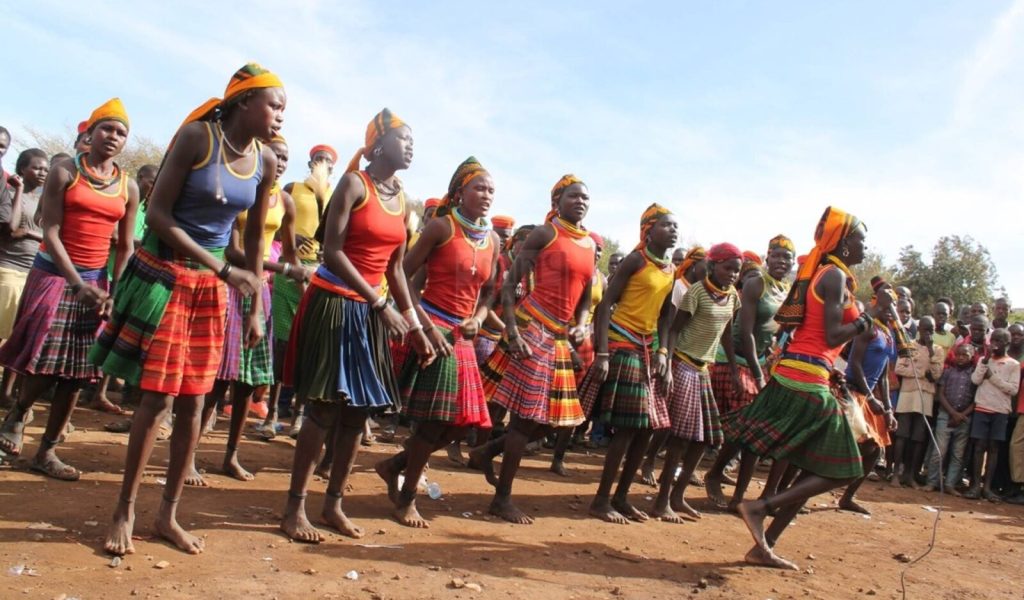
7 Day Kidepo and Sipi Safari
Combine Kidepo Valley’s wild plains with waterfall hikes and coffee tours in the Sipi Falls region
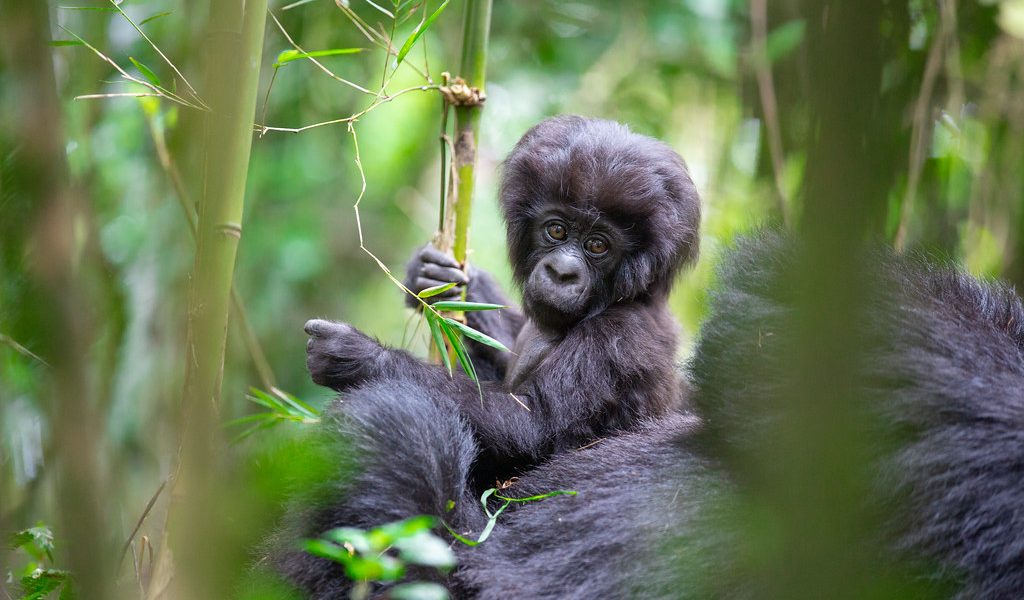
10 Days Rwanda Uganda Safari
A complete circuit through Volcanoes, Bwindi, Queen Elizabeth and Kibale for gorillas, chimps and classic wildlife
12 Days Uganda Leisure Holidays
An unhurried two-week journey through Murchison Falls, Kibale, Queen Elizabeth, Bwindi and Lake Mburo
14 Days Uganda Northern Circuit
Explore Kidepo Valley, Murchison Falls and Sipi Falls on this off-the-beaten-path northern adventure
15 Days Uganda Safari
Uganda’s full highlight reel across two relaxed weeks of gorillas, chimps, wildlife and scenic countryside