
What time do animals wake up and which hours are best for sightings?
wild animals do not follow a fixed alarm clock, but most species have daily activity patterns influenced by sunlight, temperature, food availability, water, and the presence of predators. on an african safari, many animals become active before sunrise, while others continue moving through the night and settle down as daylight arrives. some species remain active during the day, particularly when temperatures are mild or food and water are readily available.
for travellers visiting Uganda, Kenya, Tanzania, Rwanda, or other african wildlife destinations, understanding these patterns can help you plan better game drives. the hours around sunrise and sunset are generally the most productive for seeing a wide range of mammals, including lions, leopards, elephants, giraffes, zebras, and antelopes. midday can be quieter, especially in hot savannah environments, although it can still produce rewarding sightings of hippos, elephants, crocodiles, and other animals.
the best time to see wildlife depends on which animals you want to find, the habitat you are exploring, and the weather conditions on the day. an early start improves your chances of seeing active predators, while an afternoon drive can reveal grazing herds, animals moving towards water, and predators preparing for the night.
Do wild animals wake up at the same time every day?
wild animals do not all wake up at the same time. each species has its own activity rhythm, and individuals can change their behaviour depending on environmental conditions. some animals are diurnal, meaning they are mainly active during daylight. others are nocturnal and are most active at night, while crepuscular species concentrate much of their activity around dawn and dusk.
lions, for example, may be awake during the night when they hunt or move across their territory, then spend much of the following day resting. elephants can feed for many hours, including during the night, while giraffes and zebras are often seen feeding during the cooler morning and late afternoon periods. leopards are frequently active after dark, although they can also move and hunt during daylight.
temperature plays an important role in these patterns. in hot savannah environments, many mammals avoid unnecessary movement during the hottest hours because walking, running, and feeding in intense heat require energy and can increase water loss. as temperatures fall, animals may resume feeding, travel to water, or begin hunting.
food availability also matters. a herbivore may continue grazing at midday if fresh grass is available and the weather is comfortable. a predator may remain active for longer after a successful hunt or when it has young to feed. animals also respond to disturbance, seasonal changes, rainfall, and the availability of shade.
this is why a safari guide cannot promise that every animal will appear at a particular hour. the daily pattern provides useful clues, but wildlife remains unpredictable. the aim is to be in the right habitat at a productive time and allow enough time for animals to appear naturally.
What time do animals usually become active in the morning?
many savannah animals begin moving before sunrise or during the first hours of daylight. depending on the location and season, this can mean activity beginning around 5:00 or 5:30 am, with strong wildlife-viewing opportunities continuing through approximately 9:00 am.
the earliest period is especially interesting because nocturnal animals may still be moving, while daytime species begin feeding. lions may be returning from a hunt, hyenas may be travelling along tracks, and smaller mammals may be heading towards cover. antelopes, zebras, buffaloes, and giraffes may begin grazing while the air is still cool.
for safari travellers, the best strategy is often to leave the lodge before sunrise or as early as the park regulations and lodge arrangements allow. the exact departure time depends on the destination, sunrise, gate opening hours, and whether the activity is a game drive, guided walk, or another excursion.
during the first part of the morning, animals are often easier to observe because they are moving through open areas or feeding before the heat increases. the softer light also makes it easier to photograph wildlife without the strong shadows and harsh glare common later in the day.
early morning is not simply about seeing more animals. it can reveal behaviour that is less obvious when wildlife is resting. you may see a herd of elephants moving together, zebras grazing in a line, giraffes feeding from trees, or a lion pride interacting before settling into the shade.
The best hours for safari animal sightings
the following schedule is a general guide for savannah safaris in East Africa. actual sunrise and sunset times vary by destination and season, and forest habitats can follow different patterns.
Before sunrise: approximately 5:00 am to 6:30 am
this period can be excellent for wildlife enthusiasts who want to observe the transition between night and day. nocturnal species may still be active, and predators that have been hunting overnight may be moving towards resting places.
in some locations, you may hear hyenas calling, lions vocalising, or birds beginning their morning calls before you can see them clearly. experienced guides use these sounds, fresh tracks, and other signs to decide where to search.
the limitation is that low light makes animals harder to identify and photograph. not every park allows vehicles to enter before sunrise, and some lodges cannot offer early departures because of access arrangements or park rules. if you are hoping to see animals at first light, ask your operator what time the vehicle can leave and whether an early entry is possible.
Early morning: approximately 6:30 am to 9:00 am
this is generally one of the best windows for a game drive. temperatures are usually comfortable, the light improves quickly after sunrise, and many animals are feeding, moving, or returning from nighttime activity.
lions may still be visible after a night of hunting, while elephants, buffaloes, giraffes, zebras, and antelopes may be grazing or moving through open country. birds are often active, making the morning particularly useful for travellers interested in birdwatching as well as mammals.
the first hours after sunrise are also valuable for photography. softer light can reveal details in fur, feathers, and skin without the harsh contrast associated with midday sunshine.
if your itinerary allows only one game drive during the day, an early morning outing is often the best general choice. however, the most suitable timing may differ if your main goal is to watch hippos, photograph birds near a wetland, or look for a species known to be active later.
Late morning: approximately 9:00 am to 11:00 am
as the sun rises higher, some animals begin to reduce their movement. lions may settle beneath trees, leopards may rest in thick vegetation, and herds may seek shade. sightings can become more difficult when animals are lying down or concealed by bushes.
nevertheless, late morning can remain productive. elephants may continue feeding or move towards water, giraffes may browse on trees, and animals in cooler highland areas may remain active for longer.
this period can also be useful for watching animals that are easy to overlook during a fast-moving game drive. with a patient guide, you may discover birds, reptiles, smaller mammals, tracks, and other signs of wildlife.
rather than assuming that activity has stopped, use the guide’s knowledge of the area to decide whether to continue searching, visit a water source, or return to the lodge for a break.
Midday: approximately 11:00 am to 3:00 pm
midday is often the quietest period for large mammal activity in hot savannah environments. many animals rest in shade, conserve energy, or remain near water. predators may be difficult to locate because they can lie motionless in long grass or beneath trees.
this does not mean that animals disappear. elephants may visit waterholes, hippos are often visible in rivers and lakes, and crocodiles may bask on exposed banks. some herbivores continue grazing, particularly where the weather is mild or food is plentiful.
midday can also be useful for birdwatching around wetlands, although activity varies by species and weather. reptiles may be easier to spot when they bask in suitable conditions, while some small mammals remain hidden until later.
for many safari itineraries, the hottest hours are a convenient time to return to camp, have lunch, relax, and prepare for the afternoon drive. this approach allows you to spend more time in the field during the cooler hours when many animals are more active.
however, do not automatically dismiss a midday drive. in cooler seasons, highland environments, or areas with reliable water sources, wildlife can remain visible throughout the day. your guide can advise whether staying out is worthwhile.
Late afternoon: approximately 3:00 pm to 5:30 pm
as temperatures begin to fall, many animals resume feeding and movement. herds may emerge from shaded areas, elephants may travel between feeding grounds and water, and antelopes may begin grazing more actively.
predators can also become more mobile. lions may start moving through their territories, while leopards may leave resting places and begin searching for opportunities to hunt. these behaviours are not guaranteed, but the cooling conditions often make this a productive time for wildlife viewing.
the late afternoon can be particularly rewarding because animals are more likely to be on the move. a guide may follow fresh tracks, scan open grassland, check known resting areas, or search along the edges of woodland where predators and prey may encounter each other.
this period is also attractive for photography as the light becomes warmer and softer. the sun’s lower angle can create attractive colours across the landscape and bring out details in animal coats.
Early evening: approximately 5:30 pm to sunset
the final part of the afternoon drive can offer some of the best light and behaviour of the day. herbivores may continue feeding, elephants may move towards water, and predators may become increasingly active as daylight fades.
lions may begin travelling or preparing to hunt, while nocturnal animals start emerging from their daytime hiding places. birds return to roosting sites, and the sounds of the bush change as daylight gives way to darkness.
the available viewing time depends on park rules and the type of safari you have booked. many national parks require vehicles to leave designated areas or return before a set time, while some private reserves permit night drives under specific conditions.
if you are interested in sunset photography, tell your guide in advance. they can consider the light, landscape, animal locations, and permitted driving times when planning the route.
Night: after sunset
night offers a different wildlife experience rather than simply a darker version of the daytime safari. nocturnal animals become active, and species that were difficult to find during daylight may emerge to feed, hunt, or travel.
depending on the destination and the rules governing activities, night drives may reveal genets, bushbabies, civets, porcupines, and other nocturnal mammals. hyenas may be moving through the area, while lions and leopards may be hunting or travelling.
night drives are not permitted in every national park. they are more commonly available in some private conservancies and reserves, where authorised guides use spotlights according to local rules. the light is directed carefully to help identify wildlife without unnecessary disturbance.
night drives can be rewarding, but they are not always the best option for travellers who want broad views of large herds or clear wildlife photographs. if you have limited time, a morning and afternoon game drive may provide a more varied overall experience.
What time do lions wake up?
lions do not necessarily wake up at sunrise. they can be active during the night, particularly when hunting, defending territory, or moving between areas. after these activities, they may rest for much of the day.
lions spend a substantial part of their lives resting, and it is common to find them lying in grass, beneath shrubs, or under trees during daylight. this behaviour helps them conserve energy, especially in warm conditions.
the early morning is often a good time to look for lions because they may still be moving after nighttime activity. you might see a pride walking along a track, interacting with cubs, feeding on a carcass, or searching for shade after a hunt.
late afternoon can also be productive as temperatures fall and lions begin moving again. some may stretch, groom, call, or walk through their territory before darkness.
if your guide finds lions resting during midday, it is worth spending time observing them rather than expecting immediate action. even a resting pride may offer interesting behaviour, particularly when cubs are present or individuals interact with each other.
What time are leopards most active?
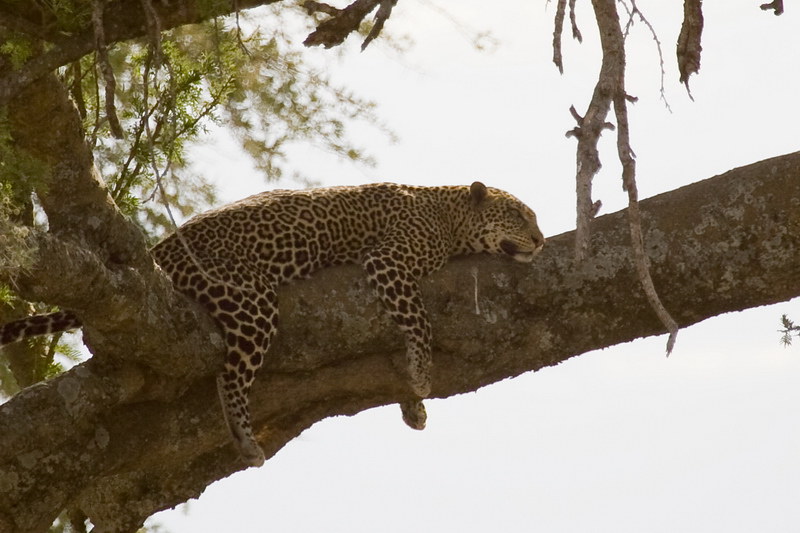
leopards are often most active after dark and around dawn or dusk. their spotted coats provide effective camouflage in woodland, rocky terrain, and dense vegetation, making them difficult to find even when they are relatively close.
early morning can be a useful time to search for a leopard returning from a night of hunting. leopards sometimes rest in trees, on rocky outcrops, or within thick cover, so guides may check likely resting places and look for fresh tracks.
late afternoon and evening can also provide opportunities to see them moving through their territory. however, leopard sightings depend heavily on habitat, local population density, recent animal movements, and the skill of the guide.
unlike elephants or large herds of antelopes, a leopard may remain concealed for long periods. patient observation and careful scanning are often more effective than driving quickly between different locations.
night drives in areas where they are permitted can provide additional opportunities, but leopards are elusive and cannot be guaranteed at any hour.
What time do elephants wake up and feed?
elephants do not have one fixed waking time. they feed for many hours throughout the day and night, moving between food sources, water, and resting places. their activity depends on temperature, vegetation, water availability, and the needs of the herd.
early morning can be a rewarding time to see elephants feeding, walking in family groups, or travelling across open country. cooler temperatures make movement more comfortable, and herds may be heading towards feeding areas or water.
during hotter hours, elephants may seek shade, stand in woodland, or visit rivers and waterholes. in some places, the middle of the day can be an excellent time to observe them drinking, bathing, or cooling themselves with water and mud.
late afternoon is another good period because elephants may resume feeding or travel towards water before evening. seeing a herd move across a plain in warm light can be a memorable safari experience.
if elephants are your priority, ask your guide about recent sightings and the area’s main water sources. their movements can cover considerable distances, so the best viewing location may change from one day to the next.
What time are giraffes, zebras, and antelopes most active?
giraffes, zebras, and many antelope species feed at different times, but early morning and late afternoon are generally productive periods for seeing them in savannah habitats.
giraffes browse on leaves and shoots, often feeding from trees that other herbivores cannot reach. they may be visible throughout the day, although cooler periods can provide comfortable conditions for movement and feeding. woodland edges and scattered trees are useful places to scan.
zebras often graze in open grassland and may move between feeding areas and water. early morning can reveal herds feeding while the landscape is still cool, while late afternoon may bring renewed grazing and movement.
antelopes vary considerably by species. impalas, waterbucks, Uganda kob, topi, and other grazing or browsing animals may feed during cooler periods and rest or ruminate when the temperature rises. some continue moving during midday, especially where the weather is mild.
these herbivores are important to the wider safari experience because their behaviour can help guides locate predators. a herd that suddenly becomes alert, stares in one direction, or gives alarm calls may have detected a predator or another disturbance.
watching how animals respond to one another can be just as rewarding as finding a lion or leopard. the bush is a connected environment, and a guide who understands these relationships can interpret signs that might otherwise go unnoticed.
What time are hippos and crocodiles easiest to see?
hippos and crocodiles behave differently from many land mammals, so midday can be productive for viewing them.
hippos spend much of the day resting in water, which helps protect their sensitive skin from the sun. rivers, lakes, and channels can therefore offer excellent opportunities to observe groups of hippos during daylight. they may be partly submerged, with only their eyes, ears, and nostrils visible above the surface.
hippos often leave the water after dark to feed on land, although their exact movements vary. they can travel considerable distances while grazing, then return to the water around dawn. visitors should never approach hippos on foot or assume that the area around a riverbank is safe.
crocodiles are frequently seen basking on riverbanks or sandbanks during daylight, especially when conditions allow them to warm their bodies. they may remain motionless for long periods, so careful observation is important.
boat trips can be particularly useful for viewing hippos, crocodiles, and waterbirds from a suitable distance. places such as the Kazinga Channel in Uganda and parts of the Nile system can offer rewarding water-based wildlife experiences, depending on conditions and the route.
What time should you wake up for a safari game drive?
for most traditional savannah safaris, a wake-up call between approximately 5:00 am and 6:00 am is common when an early game drive is planned. the exact time depends on sunrise, the lodge’s distance from the park entrance, vehicle arrangements, and local regulations.
some lodges provide tea or coffee before departure and serve a full breakfast after the drive. others can prepare a packed breakfast for guests who want to spend longer in the park. if you are staying far from the main wildlife-viewing areas, an earlier departure may be worthwhile.
a typical morning drive may last around three to four hours, although shorter and longer outings are possible. a private safari can often be adjusted to suit your interests, while a shared drive may follow a fixed schedule.
it is sensible to prepare clothing, cameras, binoculars, and other essentials the evening before. mornings can be cool even in warm destinations, especially when travelling in an open vehicle. carrying a light jacket, water, sun protection, and a camera with a charged battery helps you stay comfortable.
if you find early mornings difficult, speak to your safari operator before booking. an afternoon drive can still produce excellent sightings, and a well-planned itinerary can balance wildlife viewing with rest.
Is morning or afternoon better for wildlife sightings?
both periods can be excellent, but they offer slightly different opportunities.
morning drives are often favoured for their cool temperatures, soft light, and the chance to see animals that have been active during the night. predators may still be moving, while herbivores begin feeding and travelling across the landscape.
afternoon drives provide opportunities to watch animals become active again as the heat decreases. elephants and other herbivores may head towards water, predators may begin moving, and the lower sun creates attractive conditions for photography.
if you can afford the time, doing both is usually better than choosing only one. wildlife activity varies from day to day, so a morning without a major predator sighting does not mean the afternoon will be equally quiet.
the habitat also makes a difference. an open savannah may offer broad views of grazing herds, while a wooded area can make animals harder to spot even when they are active. wetlands and rivers can be productive during different hours because many water-associated species remain near their preferred habitat throughout the day.
your guide’s local knowledge is valuable when deciding how to spend the available hours. rather than following the same schedule regardless of conditions, a good guide considers recent sightings, weather, animal tracks, water levels, and the interests of the travellers.
Can you see animals during midday?
yes. although midday is often less productive for seeing active large mammals in hot savannah environments, it can still provide worthwhile sightings.
elephants may visit water sources, hippos remain visible in many rivers and lakes, and crocodiles may be seen basking along the banks. giraffes, zebras, and antelopes may continue feeding when conditions are comfortable, while birds and reptiles can offer additional viewing opportunities.
midday can also be useful for finding animals that are easier to locate when they are resting. lions may be lying beneath a particular tree, leopards may be resting on a branch, and other mammals may be sheltering in areas where guides know they frequently occur.
the challenge is that resting animals often move very little and can blend into their surroundings. binoculars and patience help, especially when scanning distant trees, rocky outcrops, and long grass.
rather than judging a game drive only by the number of animals seen, consider the quality of the observation. spending time watching an elephant herd, learning how giraffes feed, or observing hippos in a river can be valuable even when predators are not active.
How safari guides find animals at the best times
finding wildlife involves much more than driving around at sunrise. experienced guides combine knowledge of animal behaviour with close observation of the environment.
tracks can reveal which species passed along a road or path and whether the marks appear recent. droppings, disturbed vegetation, feeding signs, and footprints can help a guide decide which direction to explore. sounds also provide useful clues, including alarm calls from birds and antelopes that may react to a nearby predator.
guides pay attention to habitat. lions may favour particular areas for resting, leopards can use trees or rocky cover, and elephants often move along familiar routes between feeding areas and water. these patterns are not fixed, but local experience helps narrow the search.
the behaviour of other animals can be equally informative. a group of antelopes staring in one direction may indicate that something has disturbed them. birds gathering around a carcass may attract attention to a feeding opportunity, while fresh tracks near a water source can suggest recent animal movement.
weather and visibility also influence the route. after rain, tracks may be easier to read in soft ground, while strong heat can encourage animals to remain in shade. a guide may spend longer in one promising area rather than covering a large distance without a clear reason.
travellers can help by remaining quiet, scanning the landscape, and sharing observations with the guide. if you notice movement or hear an unusual call, point it out without shouting or distracting the driver. sometimes a small clue leads to a rewarding sighting.
Does the best time change between Uganda, Kenya, Tanzania, and Rwanda?
the broad pattern of cooler morning and late afternoon activity applies to many East African savannah environments, but local conditions matter.
in Uganda, game drives in Queen Elizabeth National Park, Murchison Falls National Park, and Lake Mburo National Park commonly focus on early morning and late afternoon. wetlands, riverbanks, and the Kazinga Channel can provide additional opportunities for viewing water-associated wildlife during other hours.
in Kenya, destinations such as the Maasai Mara and Amboseli can offer strong wildlife viewing during the cooler parts of the day. however, animal movements, vegetation, water availability, and seasonal conditions influence where sightings occur.
in Tanzania, the Serengeti, Tarangire, and the Ngorongoro area offer different habitats and wildlife patterns. a morning drive may be particularly productive for active predators, while water sources and open grassland can remain useful during other periods. the best approach depends on the park and the animals you hope to see.
in Rwanda, Akagera National Park provides savannah wildlife viewing, with morning and afternoon drives often offering productive conditions. forest destinations such as Nyungwe and Volcanoes National Park are different from open savannahs. chimpanzee tracking, gorilla trekking, and other forest activities follow their own schedules and regulations rather than the same game-drive pattern.
seasonal changes also affect the experience. rainfall can alter where animals feed and drink, while vegetation may make them easier or harder to see. a local guide can adjust the day’s plans to reflect current conditions.
How to get the most from your safari viewing hours
if you want to improve your chances of seeing wildlife, prioritise time in the field during the early morning and late afternoon. these periods often combine comfortable temperatures, useful light, and increased movement among many species.
try not to make every drive a race to find the largest animal. stopping to observe a herd, watching birds around a water source, or allowing time to scan an area can reveal behaviour that would otherwise be missed. wildlife viewing rewards patience.
bring binoculars if you have them, especially for animals at a distance and for birdwatching. a camera with a suitable zoom lens can help, but you do not need professional equipment to enjoy the experience. remember that the best moments may happen unexpectedly, so keep your equipment ready without spending the entire drive looking through a screen.
follow the guide’s safety instructions, remain inside the vehicle unless the guide has confirmed that it is safe to leave, and never approach or feed wild animals. maintaining a respectful distance helps protect both visitors and wildlife.
if your itinerary allows several game drives, vary the timing and location rather than repeating the same route every day. one morning may be ideal for predators, while another may produce excellent elephant or bird sightings. sharing your interests with the guide helps them tailor the experience.
Frequently asked questions about animal activity and safari timing
Do animals wake up at 6:00 am?
some animals are already active before sunrise, while others may remain active during the night or rest well into the morning. 6:00 am is a useful reference for safari planning, not a universal waking time for wildlife.
What is the best hour to see lions?
early morning and late afternoon are often productive, particularly when lions are moving after a night of activity or beginning to move again as temperatures fall. lions can also be found resting during midday.
Are animals active at night?
yes. many species, including leopards, hyenas, and various small mammals, are active after dark. some herbivores also feed or travel at night. whether visitors can observe them depends on the destination and whether night drives are permitted.
Is 7:00 am too late for a game drive?
not necessarily. 7:00 am can still be a productive time, especially if you are in a good wildlife area. leaving earlier may provide additional opportunities around first light, but animal sightings remain unpredictable.
Should I stay out all day to see more animals?
not always. an early morning drive followed by an afternoon drive can provide excellent opportunities while allowing time to rest during the hottest hours. a full-day drive can be worthwhile in large parks or when wildlife is moving through a particular area.
Is sunset a good time for wildlife photography?
yes. the lower sun can create warm colours, softer light, and attractive silhouettes. however, visibility decreases as darkness approaches, and your guide must follow the destination’s rules about driving after sunset.
Will I definitely see the big five if I go out at the best time?
no. good timing improves your opportunities but cannot guarantee sightings. animal movements, habitat, weather, season, and luck all influence what you encounter. spending several days in suitable wildlife areas generally gives you more opportunities than relying on a single drive.
Planning your game drives around animal behaviour
the most productive safari hours are usually the early morning and late afternoon, when cooler conditions encourage many animals to feed, travel, and hunt. before sunrise and after sunset can also be rewarding for nocturnal species where suitable activities are available, while midday remains useful for observing animals near water and in other preferred habitats.
the best schedule depends on your destination, the species you want to see, and the conditions on the day. for most travellers, combining morning and afternoon game drives offers a strong balance of wildlife activity, photography opportunities, and time to relax at the lodge.
the real advantage comes from understanding their behaviour, allowing enough time in the field, and working with a guide who knows the landscape. with patience and a flexible plan, every part of the day can offer something worth watching.





No comment