

Mandazi and Chai: Breakfast Snacks You Will Meet Every Morning
Mandazi and chai are among the most familiar breakfast foods you will encounter while travelling through Uganda, Kenya and Tanzania. Whether you visit a busy market in Kampala, a roadside café in Nairobi or a small restaurant in Zanzibar, you will often find freshly fried mandazi served with a hot cup of tea. This simple combination is affordable, filling and closely connected to everyday life in East Africa.
For travellers, trying mandazi and chai offers an opportunity to experience local food without visiting an expensive restaurant. You can enjoy them before a morning safari, during a road journey or while exploring a town.
Although the ingredients are simple, preparation methods and serving traditions vary between communities. Understanding these differences can make your breakfast experience more interesting.
What Are Mandazi and Chai?
Mandazi are pieces of lightly sweetened dough fried until golden brown. They resemble doughnuts, although many versions contain less sugar and have no filling or icing.
Their shapes vary between triangular, rectangular and rounded pieces. Fresh mandazi usually have a slightly crisp outside and a soft interior.
Chai simply means tea in Swahili. In much of East Africa, people commonly drink black tea prepared with milk, water and sugar. Some households add ginger, cardamom, cinnamon or other spices.
The combination provides a quick breakfast for workers, students, traders and travellers.
| Breakfast item | Main ingredients | Common characteristics |
|---|---|---|
| Plain mandazi | Wheat flour, sugar, water, raising agent | Soft, lightly sweet and filling |
| Coconut mandazi | Flour, coconut milk, sugar | Richer flavour and softer texture |
| Cardamom mandazi | Flour, sugar, cardamom | Fragrant, mildly spiced |
| Milk chai | Black tea, milk, water, sugar | Creamy and usually served hot |
| Spiced chai | Tea, milk, ginger or cardamom | Stronger aroma and warming flavour |
You may encounter different versions during the same journey.
Why Mandazi and Chai Are Popular in East Africa
Affordable Breakfast for Everyday Life
One reason mandazi and chai remain popular is their affordability.
Small restaurants can prepare large batches of mandazi using familiar ingredients. Customers can purchase a few pieces without spending much money.
Tea is also relatively inexpensive to prepare, particularly where milk and tea leaves are readily available.
This makes the combination practical for people who need breakfast before work or school.
Prices depend on the location, portion size and type of establishment. Street stalls are generally cheaper than tourist hotels.
Convenient for Busy Mornings
Many people leave home early to reach workplaces, schools and markets.
Mandazi are easy to carry, require no cutlery and can be eaten quickly.
Some customers purchase their breakfast from roadside vendors. Others sit down for tea before continuing their journey.
Travellers benefit from the same convenience, especially when leaving for a game drive or catching an early bus.
Familiar Food Across Different Communities
Mandazi and chai are enjoyed across several East African countries.
Their popularity reflects longstanding connections between coastal communities, inland trade routes and changing food traditions.
Although recipes differ, the basic combination remains recognisable throughout the region.
How Mandazi Are Traditionally Prepared
Making mandazi begins with a mixture of wheat flour, sugar, liquid and a raising ingredient.
Some cooks use baking powder, while others prepare yeast-raised dough.
The dough is kneaded, rested when necessary, rolled out and cut into portions.
Each piece is then fried in hot oil until cooked through.
Ingredients Used in Mandazi
Common ingredients include:
Wheat flour for the main dough.
Sugar for mild sweetness.
Water, milk or coconut milk.
Baking powder or yeast.
A small amount of salt.
Cooking oil for frying.
Some recipes include eggs, butter or spices.
Coconut milk and cardamom are particularly associated with coastal variations.
What Makes Good Mandazi?
Fresh mandazi should be properly cooked inside without becoming excessively oily.
A golden exterior, pleasant aroma and soft centre usually indicate careful preparation.
However, texture depends on the recipe. Some varieties are light and airy, while others are denser.
If you visit a local café, ask whether the mandazi were prepared that morning.
Freshly cooked pieces generally taste better than those left uncovered for several hours.
Chai: More Than a Morning Drink
Tea plays an important role in everyday hospitality throughout East Africa.
In many homes, offering a visitor tea is a familiar gesture of welcome.
People drink chai during breakfast, work breaks, family visits and informal conversations.
How East African Chai Is Prepared
A common method involves heating water and milk together before adding black tea.
The mixture may simmer briefly to develop a stronger flavour.
Sugar can be added during preparation or served separately.
Some people prefer tea with plenty of milk, while others enjoy a lighter drink.
Spices are optional rather than universal.
Different Types of Chai
| Type of chai | Description | Where you may encounter it |
|---|---|---|
| Chai ya maziwa | Tea prepared with milk | Across East Africa |
| Chai ya rangi | Black tea without milk | Homes and local cafés |
| Ginger chai | Tea flavoured with ginger | Restaurants and households |
| Masala chai | Tea prepared with mixed spices | Especially common in some urban and coastal settings |
| Lightly sweetened chai | Tea served with little sugar | Available by request |
If you prefer less sugar, ask for your tea without added sugar.
Mandazi and Chai in Uganda
Uganda has a strong culture of morning tea and affordable breakfast snacks.
In Kampala, Jinja, Entebbe and many smaller towns, you will find mandazi sold alongside chapati, bread and other familiar foods.
Some restaurants serve mandazi with a cup of milk tea, while others offer black tea.
Breakfast in Kampala
Early morning activity begins around transport stages, markets and commercial areas.
Small cafés often serve people travelling to work.
You may see customers purchasing mandazi to take away or eating them while discussing the day’s activities.
For visitors staying in Kampala, trying breakfast at a reputable local café can provide a different experience from a hotel buffet.
Mandazi During Road Journeys
Mandazi are convenient snacks during longer journeys.
Travellers heading towards Jinja, Fort Portal or western Uganda may encounter roadside shops selling tea and fried snacks.
Choose an established food outlet where ingredients are handled hygienically.
If your journey involves several hours of driving, carry drinking water and consider purchasing fruit alongside your breakfast.
Mandazi and Chai in Kenya
Kenya has a particularly visible tea-drinking culture.
Mandazi are commonly available in homes, cafés and roadside restaurants.
In Nairobi, you can find them in neighbourhood eateries and breakfast establishments.
Coastal areas such as Mombasa have additional variations influenced by Swahili food traditions.
Coastal Mandazi and Mahamri
Along the Kenyan coast, you may encounter mahamri, a fragrant fried bread commonly prepared with coconut milk and cardamom.
Mahamri and ordinary mandazi are related, although local cooks may distinguish them by ingredients, flavour and preparation.
Mahamri are sometimes served with pigeon peas cooked in coconut sauce.
For travellers interested in coastal food, this breakfast is worth trying.
Mandazi and Chai in Tanzania
Tanzania offers many opportunities to enjoy mandazi and tea.
In Dar es Salaam, Arusha and smaller towns, local breakfast establishments frequently serve fried snacks alongside hot drinks.
Travellers heading towards Serengeti National Park or Mount Kilimanjaro may encounter mandazi at accommodation properties or roadside cafés.
Breakfast in Zanzibar
Zanzibar’s coastal food traditions include coconut, spices and several varieties of fried bread.
Some mandazi are flavoured with cardamom, giving them a distinctive aroma.
Tea preparation also varies between households and restaurants.
Trying breakfast in a local establishment can introduce you to flavours that differ from those served in mainland hotels.
Where Travellers Can Find Mandazi and Chai
You do not need a special food tour to try this breakfast.
Mandazi and chai are available in many everyday eating places.
| Location | What to expect | Best time to visit |
|---|---|---|
| Local cafés | Fresh mandazi and hot tea | Early morning |
| Roadside restaurants | Quick breakfast and takeaway snacks | Morning |
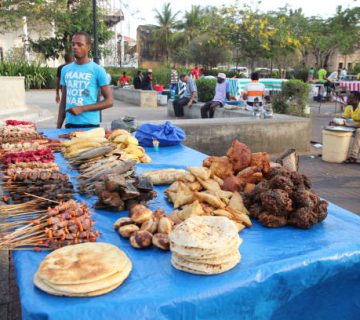
| Urban markets | Affordable snacks from small vendors | Morning |
| Guesthouses | Tea with bread or mandazi, depending on the menu | Breakfast hours |
| Safari lodges | Mandazi may appear among breakfast options | Before activities |
| Coastal eateries | Coconut or cardamom variations | Morning and afternoon |
Availability differs between establishments, so ask what has been prepared fresh.
How Much Do Mandazi and Chai Cost?
Mandazi and chai are generally inexpensive compared with meals at international restaurants.
However, prices change between countries, cities and establishments.
Portion sizes also affect what you pay.
A roadside stall may sell mandazi individually, while a hotel may include them in a larger breakfast.
For accurate budgeting, check the displayed menu or ask the price before ordering.
If you are travelling with several people, compare individual portions with a shared breakfast platter.
Is Mandazi and Chai a Healthy Breakfast?
Mandazi provide carbohydrates and energy, but they are fried and usually contain added sugar.
Chai prepared with milk contributes some protein and calcium. However, heavily sweetened tea also increases sugar intake.
Eating mandazi occasionally can fit into a varied diet.
If you need a more substantial breakfast, consider adding fruit, eggs or another protein source.
Travellers undertaking demanding activities, such as mountain hiking, may need more food than mandazi and tea alone.
Those with dietary restrictions should ask about ingredients because recipes may contain milk, eggs or other allergens.
Tips for Enjoying Mandazi and Chai Safely
Trying local food is part of travelling, but basic food hygiene remains important.
Choose places where food is freshly prepared and protected from dust and insects.
Tea should be served hot, and milk should be handled and stored safely.
Avoid purchasing food that appears poorly stored or has been exposed for long periods.
If you have a sensitive stomach, begin with small portions.
You should also carry hand sanitiser when travelling between remote destinations.
Useful Swahili Words When Ordering Breakfast
Learning a few Swahili expressions can make ordering easier in Kenya and Tanzania.
Swahili is also spoken in parts of Uganda, although English and local languages are widely used.
| Swahili expression | English meaning |
|---|---|
| Habari za asubuhi | Good morning |
| Chai | Tea |
| Chai ya maziwa | Tea with milk |
| Chai bila sukari | Tea without sugar |
| Mandazi mbili | Two mandazi |
| Bei gani? | What is the price? |
| Asante | Thank you |
You do not need to speak fluent Swahili to order breakfast.
A friendly greeting and a simple request are usually enough.
Adding Mandazi and Chai to Your East African Safari
Breakfast is often the first activity of a safari day.
Many game drives begin early because wildlife viewing can be productive during cooler morning hours.
If your accommodation provides breakfast, ask whether mandazi are available.
Alternatively, try them during a stop in town.
For example, travellers spending a night in Arusha before visiting Tanzania’s northern safari parks can explore a local café.
Visitors staying in Kampala before travelling to western Uganda can do the same.
Remember that some safari lodges are located far from towns. Food choices may therefore depend on the lodge’s planned menu.
Mandazi and chai remain familiar breakfast choices because they are affordable, convenient and enjoyable.
Their popularity across Uganda, Kenya and Tanzania also reflects shared food traditions, with regional differences in ingredients and preparation.
Whether you prefer plain mandazi in Kampala or fragrant coconut varieties along the coast, this simple breakfast provides an accessible introduction to everyday East African food.
During your next safari, take time to enjoy a freshly prepared mandazi with hot chai. It may become one of your favourite small experiences of the journey.

No comment