
Zanzibar’s Sultanate Years: Palace Museums and the Omani Legacy
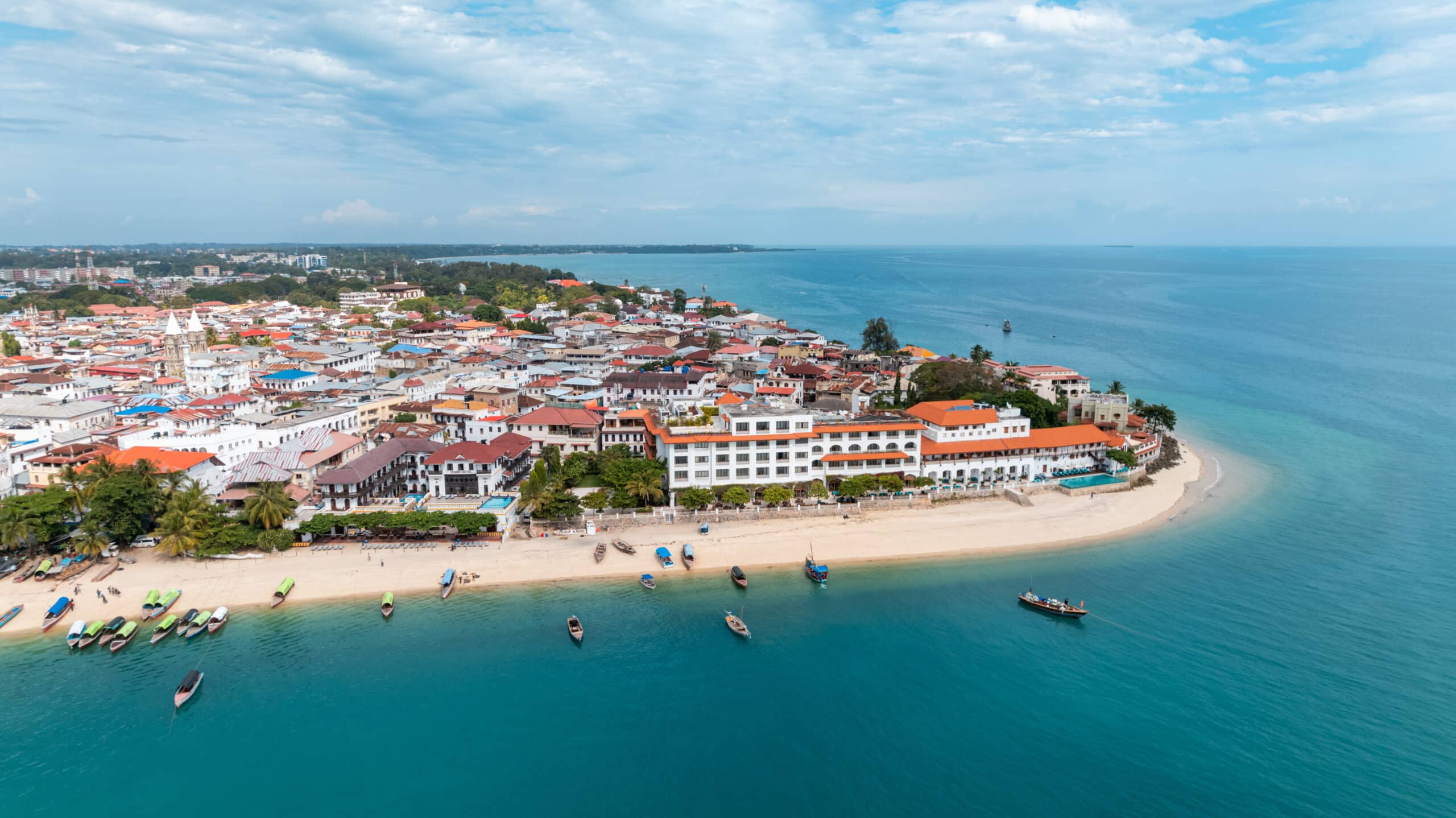
Zanzibar’s Sultanate years shaped much of the architecture, culture and history that travellers discover in Stone Town today. During the nineteenth century, Zanzibar became an important centre of Omani political power, Indian Ocean trade and clove production. The period left behind historic palaces, mosques, merchant houses and cultural traditions that continue to influence life on the islands.
For visitors interested in Zanzibar’s history, exploring the former royal buildings provides an opportunity to understand the relationship between Oman and East Africa.
The Palace Museum, House of Wonders and other historical landmarks tell different parts of this story, including royal life, international trade, slavery and the political changes that eventually ended the Sultanate.
Understanding Zanzibar’s Sultanate History
Zanzibar’s history developed through centuries of interaction between East African coastal communities and traders from Arabia, Persia, India and other regions.
Swahili communities already lived along the East African coast before Omani rulers established political control.
During the seventeenth century, Omani forces challenged Portuguese influence in the region.
Omani authority expanded during the following centuries, eventually making Zanzibar an important centre of government and commerce.
When Did Zanzibar Become an Omani Capital?
Sultan Said bin Sultan transferred his political court from Muscat towards Zanzibar during the 1830s, establishing the island as his principal capital.
Historical accounts sometimes give 1832 or 1840 because the transition developed over several years.
Under his leadership, Zanzibar became a major centre for trade across the western Indian Ocean.
Important Dates in Zanzibar’s Sultanate History
| Year | Historical event | Significance |
|---|---|---|
| 1698 | Omani forces displaced Portuguese power at Mombasa | Omani influence expanded along the coast |
| 1830s | Sultan Said bin Sultan established Zanzibar as his principal capital | Zanzibar gained political importance |
| 1856 | Said bin Sultan died | Succession disputes followed |
| 1861 | Zanzibar and Oman became separate sultanates | Zanzibar developed its own ruling dynasty |
| 1873 | Public slave trading was prohibited under British pressure | Major change in Zanzibar’s trading system |
| 1890 | Zanzibar became a British protectorate | British political control increased |
| 1896 | Anglo-Zanzibar War | British forces defeated a claimant to the throne |
| 1963 | Zanzibar gained independence from Britain | The Sultanate continued briefly |
| 1964 | Zanzibar Revolution | The Sultanate ended |
| April 1964 | Zanzibar united with Tanganyika | Formation of the union that became Tanzania |
These events provide useful background before visiting Zanzibar’s historical buildings.
Sultan Said bin Sultan and the Omani Legacy
Said bin Sultan played an important role in transforming Zanzibar into a major political and commercial centre.
He encouraged agricultural development and strengthened international trading relationships.
Clove plantations became particularly important to the island’s economy.
Merchants from different parts of the Indian Ocean traded goods through Zanzibar’s port.
The Growth of Clove Plantations
Cloves became one of Zanzibar’s most important agricultural exports.
Plantations expanded during the nineteenth century, particularly on Unguja and Pemba.
Clove production contributed to the wealth of plantation owners and trading merchants.
However, the plantation economy also depended heavily on enslaved labour.
Understanding this history is essential when exploring Zanzibar’s royal heritage.
Zanzibar’s Trading Connections
Zanzibar’s harbour connected East Africa with markets across the Indian Ocean.
Trade involved cloves, ivory, agricultural products and other goods.
The island was also a major centre of the East African slave trade.
African, Arab, Indian and European traders participated in different parts of the commercial system.
These connections influenced Stone Town’s buildings, languages, food and business traditions.
Palace Museum: Understanding Zanzibar’s Royal Families
The former Sultan’s Palace, commonly known as Beit el-Sahel, stands along Stone Town’s waterfront.
The building served as an important royal residence during the Sultanate period.
Following the 1964 Revolution, it became associated with the preservation of Zanzibar’s history.
It is often referred to as the Palace Museum or People’s Palace Museum.
What Can Visitors Learn?
The palace’s museum collections have traditionally introduced royal family life, political history and the Sultanate’s international connections.
Historical displays have included furniture, portraits and objects associated with Zanzibar’s rulers.
The building also helps visitors understand the role of the royal household in Stone Town.
However, restoration work has affected access to the palace. Confirm whether interior exhibitions are open before arranging a visit.
Architecture of the Palace
The palace reflects the architectural influences associated with Zanzibar’s nineteenth-century elite.
Its waterfront position demonstrates the importance of the harbour to royal administration and trade.
Visitors can appreciate the building’s historical setting even when interior access is restricted.
House of Wonders: Beit al-Ajaib
The House of Wonders is one of Stone Town’s most recognisable historic buildings.
Known as Beit al-Ajaib, it was constructed during the reign of Sultan Barghash bin Said in the nineteenth century.
The building became famous for architectural features and modern facilities that were unusual in Zanzibar at the time.
Why Is It Called the House of Wonders?
The building was associated with technological developments, including electricity and a lift.
Its large structure and waterfront location also distinguished it from surrounding buildings.
The House of Wonders later housed exhibitions about Zanzibar and Swahili coastal history.
Can You Visit the House of Wonders?
The building has undergone major restoration work following structural deterioration and a serious collapse in December 2020.
As of October 2026, the museum remains closed to ordinary public visits.
Travellers should not plan on entering the building.
You can still learn about its history during a guided walk through Stone Town, while respecting construction barriers.
Comparing Zanzibar’s Historic Palace Sites
| Historical attraction | Main historical interest | Visitor considerations |
|---|---|---|
| Palace Museum | Royal family history and Sultanate administration | Confirm restoration and interior access |
| House of Wonders | Royal architecture and nineteenth-century developments | Closed for restoration |
| Old Fort | Coastal defence and historical architecture | Check current public access |
| Former Slave Market | History of slavery and abolition | Visit respectfully |
| Stone Town streets | Swahili, Omani and Indian Ocean influences | Best explored with a knowledgeable guide |
A guided walking tour can connect these attractions through their shared history.
The Omani Influence on Stone Town Architecture
Stone Town’s architecture reflects centuries of cultural exchange.
Omani influence became particularly visible during the nineteenth century, although many buildings also demonstrate Swahili, Indian and European design traditions.
Carved Wooden Doors
Large wooden doors are among Stone Town’s most recognisable architectural features.
Some contain detailed geometric patterns, floral designs and decorative metal fittings.
The designs vary according to the building’s history and the preferences of its owners.
Not every decorated door is exclusively Omani in origin.
Courtyards and Balconies
Historic houses often contain internal courtyards, shaded spaces and balconies.
These features helped residents manage heat, privacy and household activities.
Architectural arrangements also reflected the social expectations of wealthy families.
Mosques and Islamic Architecture
Islam has been an important part of Zanzibar’s cultural life for centuries.
Stone Town contains historic mosques associated with different periods of coastal development.
Visitors should dress modestly around religious buildings and ask permission before entering.
The Slave Trade During Zanzibar’s Sultanate Years
Zanzibar’s Sultanate history includes a difficult legacy of slavery.
During the nineteenth century, enslaved Africans were transported through trading networks connected with the island.
Enslaved people worked on plantations, in households and in other economic activities.
The trade caused considerable suffering and affected communities across East Africa.
Visiting the Former Slave Market
The former slave market area in Stone Town is an important historical site.
Today, visitors can learn about the trade and its human consequences through memorial exhibits.
The Anglican Cathedral stands on part of the former market site.
A visit should be approached with respect and sensitivity.
Avoid treating the memorial as an ordinary entertainment attraction.
The Anglo-Zanzibar War of 1896
One of Zanzibar’s most frequently discussed historical events is the Anglo-Zanzibar War.
The conflict took place on 27 August 1896.
Following a dispute over succession to the Sultanate, British naval forces attacked the palace complex.
The fighting lasted approximately 40 minutes, making it widely described as the shortest recorded war.
What Happened Afterwards?
British influence over Zanzibar’s political leadership became stronger.
The Sultanate continued, but its rulers operated under British protectorate arrangements.
This period continued until Zanzibar gained independence in December 1963.
The End of the Zanzibar Sultanate
Zanzibar became independent from Britain on 10 December 1963.
However, the Sultanate lasted only a short time after independence.
On 12 January 1964, the Zanzibar Revolution overthrew the ruling Sultan.
The revolution brought major political and social changes.
Zanzibar later united with Tanganyika on 26 April 1964.
The union became the United Republic of Tanzania.
Remembering Different Historical Experiences
Zanzibar’s history is complex.
Different communities experienced the Sultanate, colonial administration and revolution in different ways.
Some historical accounts focus on trade and architecture, while others examine inequality, slavery and political conflict.
A balanced historical tour should include these different perspectives.
Planning a Stone Town Historical Walking Tour
Stone Town is suitable for exploring on foot.
Many important landmarks are located within a relatively compact area.
A local guide can help explain the buildings and events associated with the Sultanate.
Suggested Half-Day Itinerary
| Time | Activity |
|---|---|
| 9:00 am | Begin at Stone Town waterfront |
| 9:30 am | Learn about the Palace Museum |
| 10:15 am | View the House of Wonders exterior |
| 10:45 am | Explore the Old Fort |
| 11:30 am | Walk through historic Stone Town streets |
| 12:15 pm | Visit the former slave market memorial |
| 1:00 pm | Lunch or return to your accommodation |
This is an example schedule.
Actual access, walking times and opening arrangements may differ.
Practical Tips for Visiting Palace Museums
Zanzibar’s historic buildings require thoughtful visitor behaviour.
Wear comfortable walking shoes because Stone Town contains narrow streets and uneven surfaces.
Dress modestly, especially when passing mosques and residential areas.
Carry drinking water and allow breaks during hot weather.
Ask permission before photographing residents.
Do not enter buildings undergoing restoration.
Visiting With Children
Historical attractions can provide valuable educational experiences for families.
However, exhibitions about slavery may contain distressing information.
Parents should consider their children’s ages and explain difficult subjects appropriately.
A knowledgeable guide can help make the visit informative without overwhelming younger travellers.
Combining Zanzibar’s History With a Beach Holiday
Many travellers visit Zanzibar for its beaches, but Stone Town provides an opportunity to explore the islands’ cultural heritage.
You can spend one or two nights in Stone Town before continuing to beach destinations.
A historical walking tour can also be combined with a spice farm visit.
This helps explain the relationship between Zanzibar’s agricultural development, international trade and cultural history.
Allow enough time to explore the city without rushing between attractions.
Zanzibar’s Sultanate years remain an important part of the islands’ history.
The period brought political changes, commercial expansion and architectural developments that continue to shape Stone Town.
The Palace Museum, House of Wonders and other historic landmarks help visitors understand the relationship between Zanzibar and Oman.
They also provide opportunities to learn about the slave trade, British influence and the political events that ended the Sultanate.
Exploring these places with a knowledgeable guide can make your Zanzibar holiday more informative while encouraging a respectful understanding of the islands’ past.



No comment