
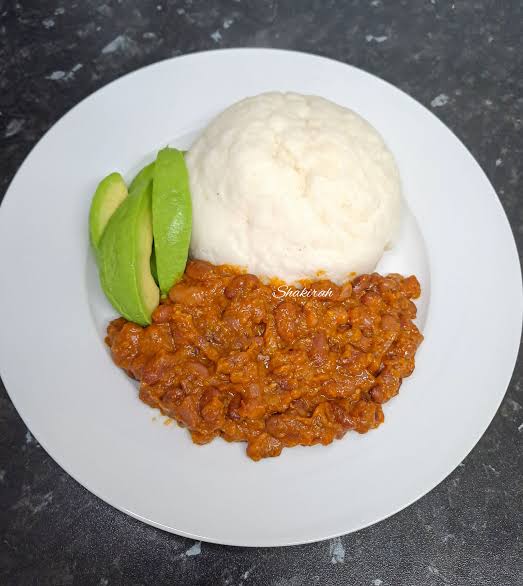
Posho and Beans: Why This Plain Meal Fills Uganda’s Lunch Tables
Posho and beans is one of Uganda’s most familiar everyday meals, served in schools, workplaces, restaurants and family homes. Made from maize flour cooked into a firm consistency and beans simmered in sauce, the combination is affordable, filling and relatively easy to prepare in large quantities. For many Ugandans, it is a regular lunchtime meal associated with school days, work breaks and home cooking.
Travellers visiting Uganda may encounter posho and beans in local restaurants, roadside eating places and community dining areas. Although the meal looks simple, it provides an interesting introduction to everyday Ugandan food culture.
Understanding how it is prepared, why it remains popular and how people serve it can help you appreciate an important part of ordinary life in Uganda.
What Is Posho and Beans?
Posho is a firm food prepared by cooking maize flour in boiling water.
The flour is gradually stirred until the mixture becomes thick enough to hold its shape.
It is usually white, although the colour depends on the type of maize flour used.
Posho has a mild flavour, making it suitable for eating with different sauces.
Beans provide the accompanying sauce, adding flavour and moisture to the meal.
What Is Posho Called in Other Countries?
Similar maize-based foods are eaten throughout East Africa.
| Country | Common name | Typical accompaniment |
|---|---|---|
| Uganda | Posho | Beans, groundnut sauce or meat |
| Kenya | Ugali | Vegetables, meat or fish |
| Tanzania | Ugali | Beans, vegetables or stew |
| Rwanda | Ubugali | Beans, vegetables or sauce |
| DR Congo | Fufu or ugali, depending on region and ingredients | Vegetable, meat or fish sauces |
Although these foods share similarities, preparation methods and preferred textures vary between communities.
Why Posho and Beans Is So Popular in Uganda
Several practical reasons explain the meal’s popularity.
Maize and beans are familiar agricultural products in many parts of Uganda.
Both can be stored for relatively long periods when properly dried and protected.
They are also suitable for preparing meals for large groups.
Affordable Ingredients
Maize flour and dried beans are generally more affordable than many meat-based meals.
Their prices fluctuate according to harvests, transport costs and market conditions.
For households managing limited food budgets, posho and beans can provide a practical meal.
Easy Preparation for Large Groups
Schools and institutions often prepare food for hundreds of people.
Posho can be cooked in large cooking pots.
Beans can also be prepared in substantial quantities.
This makes the combination useful for organised feeding programmes.
A Filling Lunch
Posho provides carbohydrates, which supply energy.
Beans contribute protein, fibre and other nutrients.
Together, the foods can make a satisfying meal, particularly for people involved in physically demanding activities.
However, eating only posho and beans every day does not provide all the nutrients required for a balanced diet.
Posho and Beans in Ugandan Schools
Many Ugandans associate posho and beans with their school years.
The meal has been served in numerous primary and secondary schools for decades.
Boarding schools particularly favour foods that can be prepared consistently for large numbers of learners.
Why Schools Serve Posho
Schools must consider food costs, storage, preparation time and the number of pupils requiring meals.
Maize flour is comparatively straightforward to measure and cook in bulk.
Beans can be stored dry and prepared according to the institution’s feeding schedule.
However, not every Ugandan school serves the same food, and some schools struggle to provide regular meals.
Memories of School Lunch
For former boarding-school pupils, posho and beans may bring back memories of shared dining halls and daily routines.
Some remember the meal fondly.
Others associate it with repetitive menus and limited food choices.
These different experiences form part of the meal’s place in Ugandan life.
How Posho Is Prepared in Uganda
Preparing posho requires few ingredients, but achieving the right consistency takes practice.
The main ingredients are maize flour and water.
Step 1: Boiling Water
Water is heated in a cooking pot until it begins boiling.
The amount depends on how many people will be served.
Step 2: Adding Maize Flour
The cook gradually adds maize flour while stirring.
This helps prevent large lumps.
As more flour is introduced, the mixture becomes thicker.
Step 3: Mixing the Posho
The thickening mixture must be stirred firmly.
A strong wooden cooking spoon is often used.
The cook continues mixing until the flour is properly incorporated.
Step 4: Completing the Cooking
The posho is allowed to cook until it reaches the desired firm texture.
It can then be shaped or served directly onto plates.
The finished food should be properly cooked, with no dry flour remaining.
How Ugandan Beans Are Prepared
Beans are available in several varieties across Uganda.
Common types include red, speckled and other locally grown beans.
Preparation varies according to household preferences.
Soaking and Boiling
Dried beans are sorted and washed before cooking.
Some cooks soak them to reduce cooking time.
The beans are then boiled until tender.
Cooking time depends on the bean variety, age and whether the beans were soaked.
Adding Flavour
Many cooks prepare a sauce using onions, tomatoes, cooking oil and salt.
Additional ingredients may include garlic, carrots or local seasonings.
The cooked beans are combined with the sauce and simmered.
Some households prefer a thick sauce, while others serve beans with more liquid.
Ingredients for a Simple Family Meal
The following quantities provide an approximate starting point for four people.
| Ingredient | Suggested quantity |
|---|---|
| Maize flour | 500–600 g |
| Water for posho | Approximately 1–1.5 litres, adjusted as needed |
| Dried beans | 300–400 g |
| Tomatoes | 2 medium |
| Onion | 1 large |
| Cooking oil | 2 tablespoons |
| Salt | To taste |
| Water for beans | Enough for boiling and sauce |
Actual quantities depend on appetite, flour texture and the preferred consistency.
Understanding the Nutritional Value
Posho and beans provide different nutrients.
Maize supplies carbohydrates, while beans contribute plant protein and fibre.
Beans also contain minerals such as iron and folate.
Nutritional Comparison
| Food | Main nutrients | Contribution |
|---|---|---|
| Posho | Carbohydrates | Energy |
| Beans | Protein and fibre | Growth, tissue maintenance and digestion |
| Tomatoes | Vitamins and other nutrients | Dietary variety |
| Onions | Small amounts of nutrients and flavour compounds | Flavour |
| Green vegetables | Vitamins, minerals and fibre | Improves meal variety |
| Fruit | Vitamins and fibre | Complements the meal |
For better dietary variety, include vegetables, fruit and other foods across the day.
Children, pregnant women and people with particular health needs may require additional dietary planning.
Posho and Beans in Local Ugandan Restaurants
Small restaurants throughout Uganda commonly serve affordable meals built around staple foods.
These may include posho, matooke, rice, cassava and sweet potatoes.
Customers then choose an accompanying sauce.
How to Order Posho and Beans
You can simply ask whether posho and beans are available.
Some restaurants offer a complete plate, while others allow customers to choose separate portions.
Ask about the price before ordering.
If you prefer additional vegetables or sauce, enquire whether they are available.
What Does the Meal Taste Like?
Posho has a mild maize flavour and a firm texture.
The beans provide most of the seasoning.
A well-prepared bean sauce may contain softened onions, tomatoes and other ingredients.
The combination is often more enjoyable when the beans have enough sauce to accompany the posho.
Posho and Beans Compared With Other Ugandan Meals
| Meal | Main ingredients | Common setting |
|---|---|---|
| Posho and beans | Maize flour and cooked beans | Schools, homes and local restaurants |
| Matooke and groundnut sauce | Green cooking bananas and groundnuts | Homes and restaurants |
| Rice and beans | Rice and cooked beans | Restaurants and family meals |
| Cassava and beans | Cassava and bean sauce | Homes and local eating places |
| Chapati and beans | Flatbread and bean sauce | Street food stalls and restaurants |
Each meal reflects different preferences, regional traditions and ingredient availability.
Why the Meal Matters to Working People
Posho and beans is commonly eaten by people who need an affordable lunch during the working day.
Construction workers, traders, drivers and office employees may choose it at local restaurants.
The meal can be served quickly when prepared in advance.
Its popularity also supports businesses involved in maize milling, bean farming, food distribution and restaurant services.
A Familiar Choice in Rural Communities
In rural Uganda, households may grow maize and beans on their own land.
Harvested maize can be dried and milled into flour.
Beans can be stored for later cooking.
This connection between farming and everyday meals helps explain why the combination remains familiar.
Is Posho and Beans a Traditional Ugandan Dish?
Posho and beans has become an established part of Uganda’s everyday food culture.
However, maize originated outside Africa and spread through the continent over several centuries.
Its widespread use developed alongside changing agricultural practices and food markets.
Uganda also has older staple food traditions involving millet, sorghum, bananas, cassava and other crops.
Posho therefore reflects the changing history of Ugandan agriculture and eating habits.
Tips for Travellers Trying Posho and Beans
If you want to experience everyday Ugandan food, consider trying posho and beans at a reputable local restaurant.
Choose a place where food is freshly prepared and served hot.
Drink safe water and wash your hands before eating.
If you have dietary restrictions, ask about cooking oil, seasonings and any added ingredients.
You can request a smaller portion if you are unfamiliar with the meal.
Eating Posho by Hand
Some Ugandans eat posho using their fingers, while others use cutlery.
If eating by hand, wash your hands thoroughly.
Take a small portion of posho and combine it with the bean sauce.
There is no need to imitate local dining habits if you are uncomfortable.
Can You Find Posho and Beans During a Uganda Safari?
Posho and beans is available in many towns and local restaurants along Uganda’s main travel routes.
Travellers may encounter it during road journeys between Kampala, Jinja, Fort Portal, Masaka and other destinations.
Safari lodges generally offer their own menus, but some include Ugandan staple foods.
If you want to try posho and beans during your safari, ask your guide to recommend a suitable restaurant.
A local meal can provide an interesting cultural experience between wildlife activities.
Posho and beans remains one of Uganda’s most familiar lunch combinations because it is practical, filling and made from widely available ingredients.
Its role in schools, family homes and workplaces has made it an important part of everyday food culture.
Although the preparation is simple, the meal reflects Uganda’s agricultural traditions, household budgets and changing eating habits.
For travellers, trying posho and beans offers an opportunity to experience ordinary Ugandan food beyond restaurant menus designed specifically for tourists.


No comment