
Kondoa Rock Art: Tanzania’s Painted Shelters
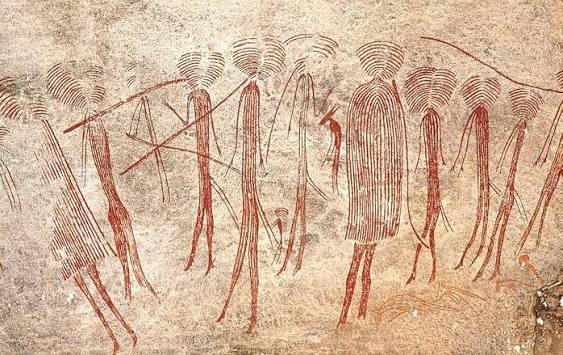
Kondoa Rock Art is one of Tanzania’s most important cultural heritage attractions, preserving ancient paintings created by communities that lived in central Tanzania thousands of years ago. Located in the Kondoa District of Dodoma Region, these painted rock shelters contain images of people, wild animals, domesticated livestock and activities associated with early societies.
Recognised as a UNESCO World Heritage Site in 2006, Kondoa provides an opportunity to explore Tanzania’s history beyond its famous national parks and wildlife destinations.
For travellers interested in archaeology, African culture and ancient history, visiting the painted shelters offers a fascinating experience. Local guides help visitors understand the paintings, their possible meanings and the communities associated with them.
Where Are the Kondoa Rock Art Sites?
The Kondoa Rock Art Sites are located in central Tanzania, along the eastern slopes of the Maasai Escarpment near the Great Rift Valley.
The protected area covers approximately 2,336 square kilometres.
Within this landscape are numerous natural rock shelters, caves and overhanging cliffs containing paintings.
Many visitors begin their exploration around Kolo village, where several accessible painting sites are located.
Kondoa Rock Art at a Glance
| Feature | Description |
|---|---|
| Country | Tanzania |
| Region | Dodoma |
| District | Kondoa |
| Main attraction | Ancient rock paintings |
| UNESCO recognition | World Heritage Site since 2006 |
| Protected area | Approximately 2,336 square kilometres |
| Estimated painted locations | 150–450 shelters and rock faces |
| Main visitor access | Kolo village |
| Main activity | Guided cultural and archaeological visits |
The exact number of decorated shelters remains uncertain because the entire landscape has not been comprehensively surveyed.
Understanding the History of Kondoa Rock Art
The paintings at Kondoa represent a long history of human occupation and cultural activity.
Different communities used the natural shelters over many centuries.
Researchers associate various painting traditions with hunter-gatherer societies and later pastoral communities.
The artworks provide evidence of changing lifestyles, beliefs and relationships with the surrounding environment.
How Old Are the Paintings?
The Kondoa paintings represent traditions extending over at least 2,000 years.
However, assigning exact dates to individual paintings can be difficult.
Different painting styles may belong to different periods.
Some images may be considerably older than others.
Archaeologists study artistic styles, archaeological deposits and relationships between painted layers to understand their possible ages.
Who Created the Paintings?
The paintings are associated with different groups that lived in the region.
Early traditions are commonly linked with hunter-gatherer communities.
Later paintings include subjects associated with livestock keeping and agricultural life.
Researchers also examine relationships between the paintings and the histories of communities such as the Sandawe and Rangi.
It is important not to attribute every painting to a single community.
Why Kondoa Became a UNESCO World Heritage Site
Kondoa received UNESCO World Heritage recognition because of its exceptional cultural and historical importance.
The landscape contains a large collection of rock paintings representing different periods of human life.
Some images provide evidence of early hunting activities.
Others reflect the development of livestock keeping and changing social traditions.
What Makes the Site Special?
The paintings occupy natural shelters within a distinctive landscape of cliffs, hills and rocky formations.
Some shelters contain images from different artistic traditions.
Their location also demonstrates how people used the natural environment for shelter, cultural activities and communication.
Certain sites retain spiritual significance for nearby communities.
What Do the Kondoa Rock Paintings Show?
Visitors can observe several types of images, depending on which shelters they visit.
Some paintings are relatively clear, while others have faded through age and exposure.
Human Figures
Human figures appear in different arrangements.
Some may represent individuals standing, moving or participating in group activities.
Others appear in positions that researchers interpret as possible ceremonial or social activities.
The meanings cannot always be established with certainty.
Wild Animals
Animals are common subjects in Kondoa rock art.
Some paintings depict wildlife forms associated with the surrounding environment.
These images may provide information about the relationship between people and animals.
However, they should not automatically be interpreted as records of particular hunting events.
Domesticated Animals
Some painting traditions include livestock.
These images are important because they provide evidence of communities involved in animal keeping.
They also help researchers examine changes in economic and social activities over time.
Geometric Patterns
Certain shelters contain lines, shapes and other markings.
Their meanings remain subjects of archaeological interpretation.
Some may have symbolic or ceremonial significance.
Common Types of Kondoa Rock Paintings
| Painting category | Common features | Possible historical relevance |
|---|---|---|
| Human figures | Individuals and groups | Social activities and beliefs |
| Wildlife images | Animal shapes and outlines | Human relationships with nature |
| Livestock paintings | Domesticated animals | Pastoral traditions |
| Geometric markings | Lines and abstract forms | Possible symbolic meanings |
| Layered paintings | Images painted over earlier work | Different periods of artistic activity |
Interpretations vary, and guides should distinguish established archaeological evidence from theories.
How Were Kondoa Rock Paintings Created?
Ancient artists used natural rock surfaces as places to create images.
The sheltered locations helped protect some paintings from direct exposure to rain and sunlight.
Natural Pigments
Researchers associate many early rock paintings with pigments derived from naturally occurring materials.
Red pigments are often linked with iron-rich minerals such as ochre.
White pigments may have involved different mineral substances.
The precise ingredients and preparation methods cannot always be identified.
Painting Techniques
Artists applied pigments to rock surfaces using techniques that remain subjects of archaeological study.
Some images contain outlines, while others use filled shapes or grouped markings.
Different styles suggest that painting practices changed over time.
The surviving images show considerable artistic skill.
Exploring the Rock Shelters Around Kolo
Kolo is an important starting point for visiting the Kondoa paintings.
The surrounding hills contain several known shelters.
Visitors usually explore selected locations with a knowledgeable guide.
What Happens During a Guided Visit?
The experience generally begins with an introduction to the archaeological area.
Your guide explains the history of the paintings and the route to the selected shelters.
Some locations require walking uphill over uneven ground.
At each shelter, the guide may identify visible figures and discuss possible interpretations.
How Difficult Is the Walk?
Walking conditions vary between sites.
Some shelters are relatively accessible, while others require more demanding climbs.
Rocky surfaces, loose stones and steep sections can make walking difficult.
Visitors with limited mobility should discuss their needs before booking.
Not every shelter is suitable for every traveller.
Planning a Kondoa Rock Art Tour
Kondoa is usually included in a cultural journey through central or northern Tanzania.
Visitors travelling between Dodoma and northern safari destinations may arrange a stop.
The exact route depends on road conditions and the locations selected.
Suggested Visit Programme
| Activity | Approximate duration |
|---|---|
| Arrival and registration | 20–30 minutes |
| Introduction by the local guide | 15 minutes |
| Travel or walk towards selected shelters | 30–60 minutes |
| Rock painting interpretation | 1–2 hours |
| Return walk | 30–60 minutes |
| Closing discussion | 15 minutes |
These are illustrative durations.
More distant shelters may require considerably longer.
Permits and Local Guides
Visitors should arrange their activities through the relevant antiquities authorities and authorised guides.
Kolo has historically served as an important point for organising visits.
A guide helps visitors follow designated routes and understand the protected heritage landscape.
Why Guided Visits Are Important
Some paintings are difficult to recognise without explanation.
A knowledgeable guide can identify details that visitors might otherwise overlook.
Guides also explain site protection rules and help prevent accidental damage.
Confirm current permit charges and access procedures before travelling.
Protecting the Ancient Paintings
Rock paintings are vulnerable to environmental damage and careless visitor behaviour.
Even minor contact can affect fragile surfaces.
Important Visitor Rules
Never touch painted rock surfaces.
Do not scratch or mark the rocks.
Avoid using flash photography.
Follow designated walking routes.
Do not remove stones or archaeological objects.
Keep food and drinks away from painted surfaces.
Respect restricted or spiritually significant areas.
Follow instructions from your guide.
Photography may be subject to additional restrictions at particular shelters.
Always ask before taking pictures.
Cultural and Spiritual Significance
Some Kondoa rock shelters remain important to communities living nearby.
Their meaning extends beyond archaeological study.
Certain locations have associations with traditional beliefs and ceremonies.
Visitors should recognise that a protected heritage site may also be a place of living cultural importance.
Respecting Local Traditions
Do not enter restricted areas without permission.
Avoid interrupting community activities.
If a guide explains that a particular location has spiritual significance, treat it respectfully.
Never assume that every story or ritual connected with a shelter is intended for public tourism.
Best Time to Visit Kondoa Rock Art
Kondoa can be visited at different times of the year, although weather affects walking conditions.
The drier months often make outdoor exploration easier.
During rainy periods, paths may become slippery.
Seasonal Visiting Conditions
| Period | Typical conditions | Visiting considerations |
|---|---|---|
| June–October | Generally drier | Often favourable for walking |
| November–December | Possible short rains | Paths may become slippery |
| January–February | Variable conditions | Check local weather |
| March–May | Often wetter | Walking may be more difficult |
Weather patterns vary from year to year.
Confirm conditions with your guide before travelling.
What to Pack for a Kondoa Visit
A visit to the rock shelters requires practical outdoor clothing.
Comfortable walking shoes with reliable grip are particularly important.
Carry drinking water, sun protection and a lightweight daypack.
A hat can help protect you during exposed sections.
Wear clothing suitable for walking through rural landscapes.
If rain is expected, carry a waterproof jacket.
Combining Kondoa With a Tanzania Safari
Kondoa offers an interesting cultural stop for travellers exploring northern and central Tanzania.
It can be included in an overland itinerary involving Tarangire National Park, Lake Manyara or other destinations, depending on the route.
Unlike game drives, the main attraction is archaeological and cultural heritage.
Visiting the rock shelters can help travellers understand how different communities lived in Tanzania long before modern tourism developed.
Allow enough time for travel and walking rather than treating the site as a brief roadside stop.
Kondoa Rock Art preserves important evidence of Tanzania’s ancient human history.
Its painted shelters contain images associated with hunter-gatherer communities, livestock keepers and changing cultural traditions.
Recognised by UNESCO in 2006, the area is among East Africa’s significant archaeological landscapes.
For travellers interested in history and culture, visiting Kondoa provides an opportunity to explore ancient artwork in its original setting.
A guided visit, careful preparation and respect for conservation rules can make the experience informative while helping protect the paintings for future generations.



No comment