
What Is a Conservation Fee and Where Does It Go?
When planning a safari in Africa, you will probably encounter several charges in your quotation, including park entrance fees, wildlife permits, conservation fees, activity fees, and sometimes community development contributions. These charges can make it difficult to understand exactly what you are paying for. Many travellers also ask an important question: when you pay a conservation fee, how much of that money actually supports wildlife protection, national parks, and local communities?
A conservation fee is a charge collected to support the management and protection of a natural area, wildlife reserve, national park, marine protected area, or other conservation site. The exact meaning depends on the country, the organisation collecting the payment, and the regulations governing the destination. In some places, the term refers to the standard park entrance fee. In others, it may describe a separate charge for a particular conservation programme, community initiative, or protected area.
For safari travellers visiting Uganda, Kenya, Tanzania, Rwanda, or other African destinations, understanding these fees helps you prepare a realistic travel budget and make informed decisions about your safari operator. Conservation fees can contribute to wildlife monitoring, habitat management, ranger operations, visitor facilities, research, and community programmes. However, the allocation varies between authorities, so you should not assume that every fee supports the same activities or that every payment goes directly to a specific conservation project.
What Exactly Is a Conservation Fee?
A conservation fee is a payment associated with protecting, managing, or maintaining a natural area and its wildlife. National wildlife authorities, park management organisations, private conservancies, and some community-managed conservation areas collect these charges under their respective rules.
On a typical African safari, you may pay a conservation-related charge when entering a national park, visiting a wildlife reserve, trekking to see mountain gorillas, tracking chimpanzees, or participating in a specialised wildlife activity. Some activities require separate permits in addition to ordinary park admission.
For example, a visitor travelling to Bwindi Impenetrable National Park in Uganda needs the appropriate gorilla trekking permit. The permit is a regulated activity charge and should not automatically be treated as identical to a general park entrance fee. Likewise, a traveller visiting Tanzania’s Serengeti National Park may pay park fees separately from accommodation, transport, and certain specialised activities.
The distinction matters because safari quotations sometimes group several charges together under broad descriptions. Your tour operator should explain whether the amount listed as a conservation fee covers park entry, a specific wildlife activity, a private conservancy charge, or another service.
Conservation fees can be charged per person, per day, per activity, or per vehicle, depending on the rules of the destination. Some protected areas also apply different rates to citizens, residents, regional visitors, and international tourists. Children may qualify for reduced rates or exemptions under the applicable tariff.
The fee may be collected directly by a government wildlife authority, through an authorised payment system, or by a private or community conservancy. The organisation collecting the money and the rules governing its use determine where the revenue goes.
Why Do National Parks Charge Conservation Fees?
National parks require ongoing funding to protect wildlife and maintain the areas where animals live. Although protected areas generate income through tourism, they also face substantial operating costs. Roads need maintenance, rangers require equipment, wildlife populations need monitoring, and visitors need safe access to designated areas.
Tourism revenue helps meet some of these expenses. Conservation fees provide one source of income for managing protected areas, although the amount available for conservation depends on the authority’s budget, other revenue sources, and the way funds are allocated.
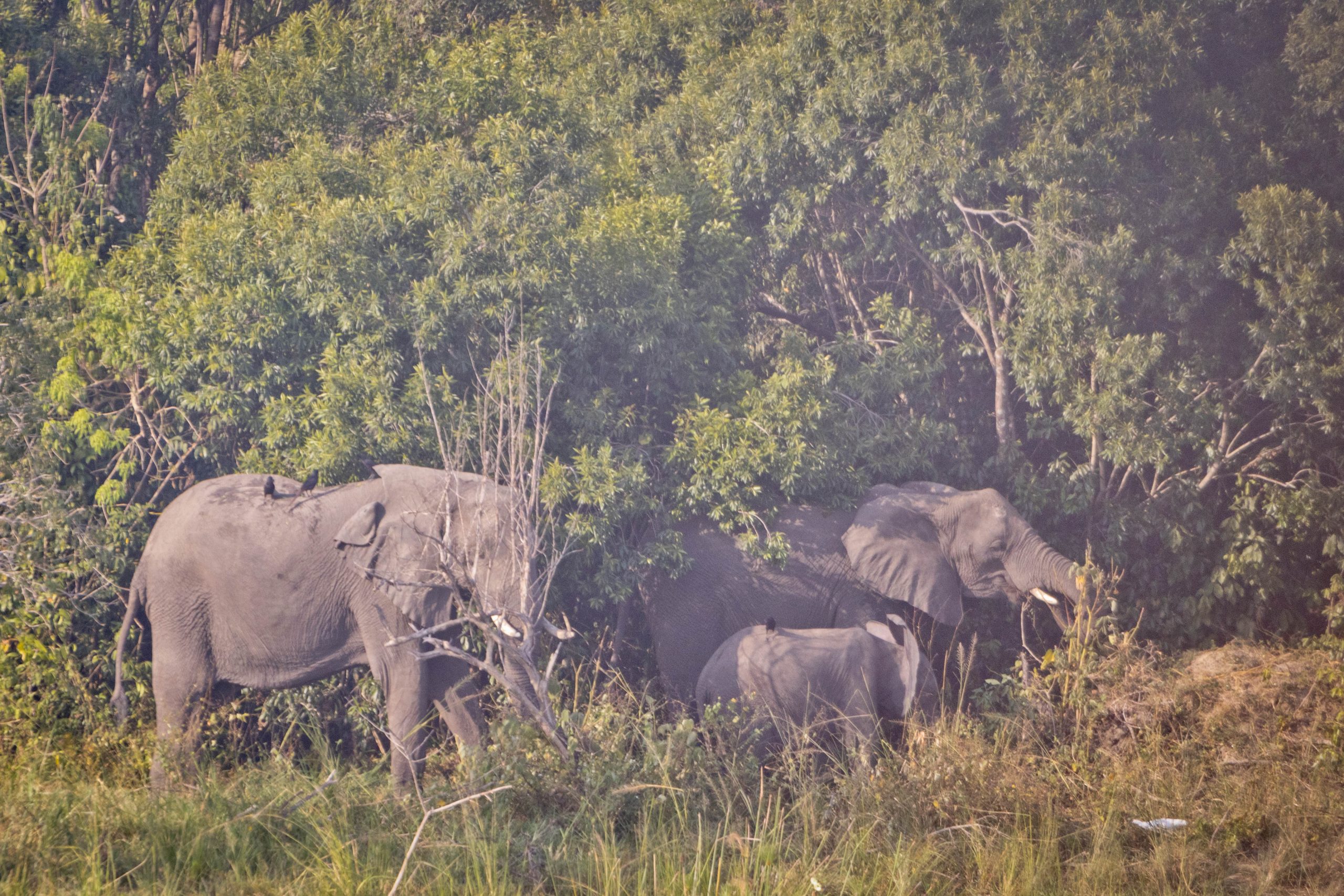
Consider a national park containing elephants, lions, buffaloes, antelopes, and hundreds of bird species. Park managers must monitor animal populations, respond to injured wildlife, investigate suspected poaching, maintain patrol routes, manage fire risks, and protect water sources. They may also need to control invasive plants, restore degraded habitats, and address conflicts between wildlife and nearby communities.
These activities require trained personnel, vehicles, fuel, communication equipment, research, and long-term planning. Entrance fees and other conservation-related payments can help fund this work.
Visitor facilities also require maintenance. Gates, trails, signs, viewing points, ranger posts, waste management systems, and designated picnic areas all have operating costs. In some destinations, tourism revenue supports these facilities alongside wildlife management.
However, conservation fees do not necessarily cover every expense. Many protected areas depend on government funding, grants, research partnerships, charitable contributions, and other sources of income. A fee should therefore be understood as one part of a wider conservation funding system.
Where Does Your Conservation Fee Go?
The exact destination of your payment depends on the protected area and the organisation collecting it. In many cases, revenue supports several areas of park management rather than being assigned entirely to one specific project.
Wildlife Protection and Anti-Poaching Operations
Wildlife protection is one of the most important responsibilities of a national park authority. Rangers patrol protected areas, monitor suspicious activity, investigate wildlife crime, and respond to threats against endangered species.
Conservation funding can contribute to ranger salaries, field equipment, patrol vehicles, radios, fuel, and training. Some programmes also use camera traps, tracking technology, and field observations to monitor wildlife and identify threats.
In Uganda, the Uganda Wildlife Authority manages national parks, wildlife reserves, and wildlife sanctuaries. Its responsibilities include conserving wildlife and managing protected areas for tourism and public benefit. <Cite refs={[“turn611542search1″,”turn611542search6”]}/>
When you visit a park such as Murchison Falls National Park or Queen Elizabeth National Park, your park-related payments form part of the revenue available to the responsible management system. The precise amount allocated to ranger operations cannot be determined from the fee alone.
Anti-poaching work extends beyond arresting offenders. Rangers may also monitor animal movements, identify illegal traps, investigate suspicious deaths, and work with law enforcement agencies. In areas containing threatened species, these activities can be essential to protecting vulnerable populations.
Habitat Protection and Restoration
Animals need healthy habitats to survive. Elephants require access to food, water, and movement routes. Gorillas depend on forest environments that provide suitable vegetation and shelter. Birds need wetlands, woodland, grassland, or other habitats that support their feeding and breeding requirements.
Conservation programmes may use funding to restore degraded areas, manage invasive plant species, protect water sources, monitor forest health, and reduce the effects of erosion. Some projects also support controlled burning where appropriate, fire prevention, and the recovery of damaged vegetation.
For example, a protected forest may need regular monitoring to identify illegal clearing or encroachment. A wetland may require measures to control pollution and prevent damage to breeding habitats. A savannah ecosystem may need careful management of fire, grazing pressure, and water access.
These activities differ by location. A forest park does not have the same management needs as a dry savannah or a marine reserve. The conservation authority therefore determines which interventions are necessary and how available funding is allocated.
Habitat restoration can take years. Planting trees is one possible activity, but successful restoration also requires suitable species, protection from damage, monitoring, and long-term care. Conservation funding may support these activities where they form part of an approved management programme.
Wildlife Research and Monitoring
Effective wildlife management depends on reliable information. Conservation teams need to understand animal populations, reproduction, mortality, migration, habitat use, and the threats affecting different species.
Research programmes may use field surveys, camera traps, GPS tracking, veterinary examinations, genetic analysis, and other scientific methods. These tools help researchers and wildlife authorities assess population trends and identify areas requiring additional protection.
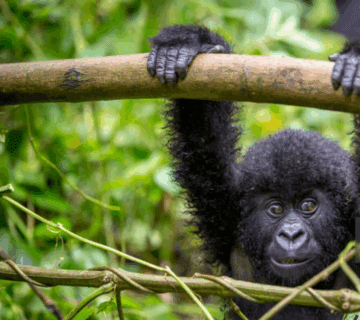
In a park with lions, researchers may monitor individual animals to understand their movements, social groups, and survival. In a forest with mountain gorillas, authorised monitoring teams may record group composition, health indicators, births, and other observations relevant to long-term protection.
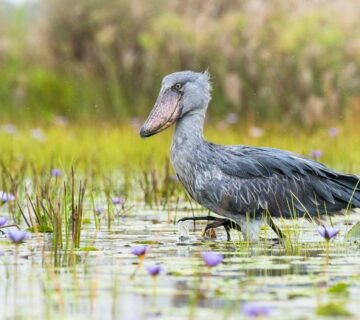
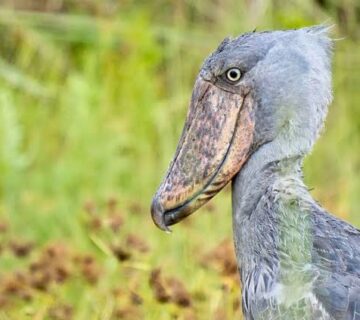
Bird monitoring can help identify changes in wetland conditions or the status of species with restricted habitats. Marine conservation programmes may monitor coral reefs, fish populations, sea turtles, or water quality.
Research does not always produce immediate visible results for visitors. However, the information can guide management decisions, identify emerging threats, and help authorities evaluate whether conservation measures are working.
It is important to distinguish between activities that a park authority funds directly and research conducted by universities, charities, or independent organisations. Some projects receive conservation revenue, while others depend on separate grants or partnerships.
Veterinary Care and Wildlife Rescue
Wild animals sometimes require veterinary attention because of injuries, illness, entanglement, or conflict with people. Conservation authorities and specialist wildlife organisations may respond when an animal is injured, trapped, or in distress.
Veterinary interventions can involve immobilising an animal for treatment, removing snares, examining suspected disease cases, or transporting an animal when relocation is necessary and authorised. These operations may require trained wildlife veterinarians, specialised equipment, transport, and careful coordination.
A rescued animal may need treatment before it can return to the wild. In other cases, veterinary teams investigate the cause of death to understand whether disease, poisoning, injury, or another factor affected the animal.
The availability of rescue and veterinary services varies between destinations. Not every conservation fee directly pays for veterinary treatment, and some wildlife rescue operations receive funding from separate organisations. Nevertheless, these services form part of the wider conservation work that protects wildlife.
Park Infrastructure and Visitor Management
Conservation authorities must also manage the practical demands of tourism. Visitors need controlled access to protected areas, clear information, safe routes, and facilities that reduce unnecessary environmental damage.
Some conservation-related revenue supports entrance gates, roads, trails, ranger stations, visitor centres, signs, waste collection, and designated viewing areas. These facilities help managers control visitor movement and reduce pressure on sensitive habitats.
In busy wildlife destinations, road maintenance can be especially important. Poor road conditions may affect ranger patrols, emergency responses, and access to authorised viewing areas. Maintaining suitable routes can also help prevent visitors from creating unauthorised tracks.
Visitor management includes enforcing rules, controlling access to sensitive areas, and limiting activities that could disturb animals. In certain parks, managers restrict vehicle numbers or designate specific areas for particular activities.
These services benefit travellers, but they also help authorities manage the impact of tourism. A well-managed visitor system can reduce littering, protect fragile vegetation, and limit disturbance around important wildlife habitats.
Community Conservation and Local Livelihoods
Wildlife conservation is closely connected to the lives of people living near protected areas. Communities may experience crop damage, livestock losses, restrictions on land use, or safety concerns when wildlife moves beyond park boundaries.
Conservation programmes can address these challenges through community partnerships, education, livelihood projects, and measures designed to reduce human-wildlife conflict. Some authorities also share tourism revenue with eligible local governments or communities under established policies.
In Uganda, the Uganda Wildlife Authority’s responsibilities include ensuring that wildlife conservation contributes to community benefits. The specific programmes and allocations depend on the applicable policies and management arrangements. <Cite refs={[“turn611542search1″,”turn611542search6”]}/>
Community initiatives may support school facilities, conservation education, local infrastructure, or income-generating activities. Other programmes help farmers protect crops, strengthen livestock enclosures, or understand how to respond safely to wildlife encounters.
Revenue-sharing arrangements should not be confused with a guarantee that every community near a park receives a fixed amount from every visitor. Eligibility, allocation formulas, administrative procedures, and the timing of payments vary.
Travellers who want their visit to support local communities should ask which benefits are provided through official revenue-sharing arrangements and which depend on separate purchases, donations, or community tourism activities.
Conservation Education and Awareness
Conservation education helps people understand wildlife, habitat protection, and the relationship between tourism and environmental management. Park authorities and partner organisations may conduct school visits, community meetings, awareness campaigns, and educational programmes for visitors.
These activities can explain why wildlife should not be hunted illegally, why wetlands require protection, and how communities can reduce conflict with animals. Education programmes may also help young people understand conservation careers and the economic value of healthy ecosystems.
Some destinations provide interpretation centres or guided activities that explain local ecology. The costs of these services may be covered by park budgets, separate visitor charges, or partnerships with educational organisations.
Conservation education works best when it addresses local concerns and provides practical information. For example, a programme near an elephant habitat might explain how to recognise warning signs, protect crops where appropriate, and report dangerous encounters.
Not every park allocates the same proportion of revenue to education. If you want to know whether a specific programme receives conservation funding, ask the responsible authority or consult its published reports.
How Conservation Fees Work in Uganda, Kenya, and Tanzania
Conservation fees are not standardised across Africa. Each country has its own wildlife laws, fee schedules, administrative systems, and protected-area management arrangements. Understanding these differences helps you interpret safari quotations correctly.
Conservation Fees in Uganda
Uganda’s national parks and wildlife reserves are managed by the Uganda Wildlife Authority. The authority administers park entry charges, gorilla and chimpanzee trekking permits, and fees for various tourism activities. <Cite refs={[“turn611542search1″,”turn611542search6”]}/>
A safari in Uganda may involve separate charges for entering a national park and participating in a specialised activity. Gorilla trekking in Bwindi Impenetrable National Park, for example, requires a gorilla trekking permit. Chimpanzee tracking in Kibale National Park also operates under a separate activity and permit system.
Your quotation should state whether these charges are included in the package price. Do not assume that a general park entry fee covers gorilla trekking, chimpanzee tracking, guided nature walks, boat trips, or other activities.
Uganda’s conservation tariffs can change. The Ministry of Tourism, Wildlife and Antiquities has published UWA tariff documents covering specific periods, and travellers should confirm the rates that apply to their intended travel dates. <Cite refs={[“turn611542search4″,”turn611542search6”]}/>
When booking, ask your safari operator to identify the authority collecting each fee and explain which activities it covers. This makes it easier to compare quotations from different companies.
Conservation Fees in Kenya
Kenya Wildlife Service manages national parks, reserves, and sanctuaries under its responsibility. Its fee schedules distinguish between visitor categories and protected-area classifications.
For example, KWS’s published conservation fee schedule includes different rates for premium parks, wilderness parks, scenic parks, special-interest parks, sanctuaries, and marine protected areas. The listed amounts also vary according to visitor status and age category. <Cite refs={[“turn611542search12″,”turn611542search0”]}/>
This structure demonstrates why you should check the exact destination and visitor category before estimating the cost of a safari. Two parks in the same country may charge different fees, and a resident may pay a different rate from an international visitor.
A Kenyan safari may also include charges for a private conservancy. Such charges should be distinguished from Kenya Wildlife Service park fees because the organisations responsible for collecting and managing the money may differ.
Private conservancies may use their income to fund land management, wildlife monitoring, ranger patrols, community agreements, and other locally defined conservation activities. The precise arrangements depend on the individual conservancy.
Conservation Fees in Tanzania
Tanzania National Parks, commonly known as TANAPA, manages national parks and publishes visitor tariffs and payment information. Its official visitor information identifies different visitor categories and explains payment methods for park fees. <Cite refs={[“turn611542search3”]}/>
Travellers visiting destinations such as Serengeti National Park or other Tanzanian national parks should check the applicable tariff for their travel dates. They should also confirm whether the quotation includes park admission, camping charges, accommodation, vehicle fees, and any specialised activities.
As in other countries, the total cost of a safari may include several separate charges. A fee paid to enter a national park should not automatically be treated as payment for every service used during the trip.
Tanzania also has conservation arrangements outside the national park system, including private and community-managed areas. Their fee structures and funding priorities may differ from those of TANAPA.
Does Every Dollar Go Directly to Wildlife Conservation?
No. The proportion of a conservation fee spent directly on wildlife protection depends on the organisation collecting it and the way its budget is structured.
A protected-area authority needs to pay for administration, staff, transport, equipment, infrastructure, visitor services, and other operating costs. Some of these expenses directly support conservation work, while others help the authority manage the protected area and the people who visit it.
For example, fuel for a ranger patrol vehicle supports field operations. Maintaining a road may improve access for both rangers and visitors. Paying for a monitoring system can help track wildlife, while maintaining an entrance gate supports visitor control and revenue collection.
These expenses may all contribute to effective park management, but they are not identical. A transparent financial report should explain how an organisation classifies and allocates its spending.
You should also distinguish between revenue collected and money ultimately spent on a particular activity. A park may collect fees during one period but use the revenue through an approved annual budget. Some projects also depend on government allocations or external grants.
If an organisation advertises a separate conservation contribution and claims that all of it funds a named project, ask whether it publishes financial reports or project updates that substantiate that claim. A clear explanation of the fund’s purpose is more useful than a general promise to support wildlife.
How Can You Check Whether Your Conservation Fee Is Being Used Properly?
Start by identifying the organisation that receives the payment. This may be a government wildlife authority, a private conservancy, a community trust, or an authorised tour operator collecting money on behalf of another organisation.
Ask for an itemised safari quotation. Park admission, wildlife permits, private conservancy charges, and donations should be identified clearly where applicable. If the operator uses the general term “conservation fee,” ask what it covers and whether the payment is mandatory.
Where possible, use the official payment channels specified by the responsible authority. Request a receipt or payment confirmation for relevant park fees and permits. Keep these records with your travel documents.
You can also review official tariffs, annual reports, management plans, and conservation programme updates. These documents may explain the authority’s responsibilities, planned activities, and funding priorities. However, the existence of a published tariff does not by itself prove how every shilling or dollar was spent.
If you are paying a voluntary donation, ask for details about the recipient organisation, the project being funded, and how the money will be accounted for. Be cautious when a seller cannot identify the recipient or refuses to explain whether the contribution is compulsory.
Safari operators should be able to distinguish between mandatory government charges and optional donations. If a fee is described as compulsory, ask which regulation or booking requirement makes it necessary.
Conservation Fees and Responsible Tourism
Responsible tourism involves making choices that respect wildlife, natural habitats, and the people who live near protected areas. Paying legitimate conservation fees is one part of that responsibility.
Your contribution helps fund the management system that allows visitors to experience wildlife in protected environments. The scale of its impact depends on the destination, the amount collected, and how the responsible organisation uses its revenue.
You can strengthen the local benefits of your safari by choosing accommodation that follows responsible environmental practices, hiring authorised local guides where appropriate, buying goods from local businesses, and participating in community tourism activities that have clear benefits for residents.
You should also follow park rules. Avoid littering, disturbing animals, feeding wildlife, or asking guides to approach animals too closely for photographs. Respecting viewing limits and designated routes helps reduce the environmental pressure caused by tourism.
If you want to contribute beyond mandatory fees, look for established conservation organisations with clear objectives and credible reporting. Some support habitat restoration, wildlife research, environmental education, or community-led projects. Check how each organisation uses donations before contributing.
Responsible tourism does not require you to assume that every business or project makes a positive contribution. Ask practical questions and look for evidence of the work being done.
Are Conservation Fees Included in a Safari Package?
Many organised safari packages include park fees and required wildlife permits in the quoted price. Others list them separately, particularly when the itinerary includes several protected areas or activities with different payment requirements.
Always check the inclusions section before comparing prices. One company may quote a complete package with park admission and permits included, while another may advertise a lower starting price that excludes some mandatory charges.
For example, a safari package that includes accommodation, transport, meals, park admission, and a gorilla trekking permit will have a different cost structure from a package that excludes the permit. The two prices cannot be compared fairly without accounting for those differences.
Ask your operator to confirm which fees have already been paid, which remain outstanding, and whether any additional charges may arise during the trip. If your itinerary includes several parks, request a breakdown by destination.
You should also confirm the applicable payment currency, the validity of permits, and the rules for cancellations or changes. Some wildlife activities have limited availability and specific booking conditions.
An itemised quotation protects you from misunderstandings and makes it easier to plan your total travel budget.
What Travellers Should Understand Before Paying a Conservation Fee
A conservation fee is part of the financial system used to manage and protect natural areas. Depending on the destination, it may support wildlife protection, habitat management, research, infrastructure, visitor services, community programmes, and administrative operations.
The term does not have one universal definition. A standard park entry fee, a gorilla trekking permit, a private conservancy charge, and a voluntary donation may all contribute to conservation in different ways, but they are separate types of payment.
Before booking your safari, identify the organisation collecting each charge, confirm what the payment covers, and check whether it is included in your package. Use official tariffs and payment channels wherever applicable, and request receipts for mandatory fees and permits.
Most importantly, do not assume that every payment goes directly to a specific animal or project. Conservation requires long-term management, and the use of tourism revenue varies between organisations and destinations. Clear information about the recipient, the purpose of the fee, and the way funds are reported gives you a better basis for understanding your contribution.




No comment