Uganda’s Shoebill Stork: Habitat, Sightings & Travel Tips
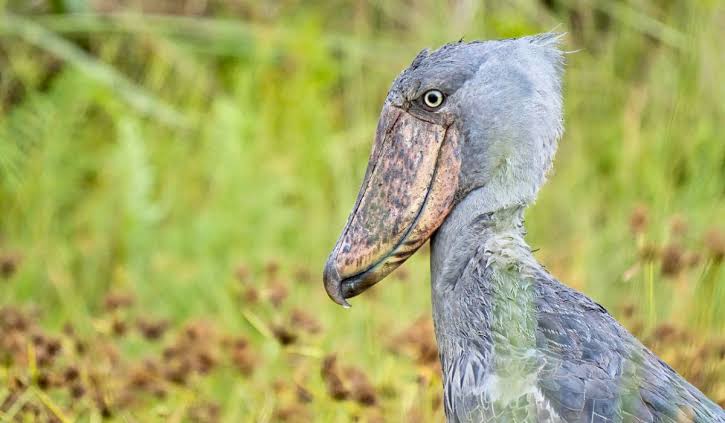
It is hard to forget meeting a shoebill in the place where it lives naturally. This bird stands tall among the reeds. It has a bill. It has a way of standing. It has a way of looking. This special bird has become one of the wildlife attractions in Uganda. People who love birds. People who take pictures. People who enjoy nature. These people come from all over the world. They want to see this bird. Uganda’s Shoebill Stork: Habitat, Sightings & Travel Tips gives you all the information you need. It helps you plan this trip.
Most birds move around in forests or open areas. The shoebill likes places, marshes, places where people’re patient. Seeing a shoebill is not another thing on a list. It is an experience.that makes people slow down, people look closely, value one of Africas living birds. Uganda is one of the places in the world to have this experience. It has wetlands. guides who’re very good, people who care about keeping the environment safe.
Why Uganda Is the Best Place to See the Shoebill
Uganda has swamps. rivers, lakes. places with papyrus. All these places are good for shoebills. These spots have food. They have disturbance. They have places to build nests. For these reasons Uganda has some of the chances to see a shoebill. This happens all year round.
The well-known place is Mabamba Swamp. It is on the side of Lake Victoria. It is not far from Kampala or Entebbe. Mabamba is known over the world. It has a chance of people seeing a shoebill. Guided trips in canoes move quietly through waterways. This gives people a chance to watch the birds. It does not make the birds act strangely.
Other great wetlands are Murchison Falls National Park. The Nile Delta is another. There is also Lugogo Swamp. Some parts of Queen Elizabeth National Park. Each place has its look. It gives people a chance to see shoebills. It also gives them a chance to see animals. They can go on game drives, take boat trips, walk to see chimpanzees.
Understanding the Shoebills Natural Habitat
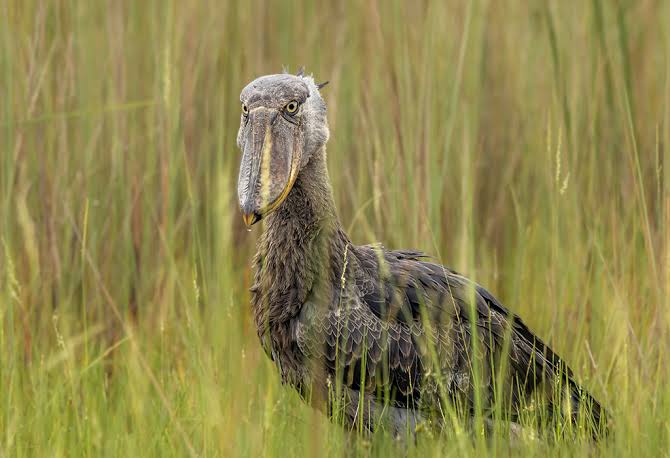
The shoebill needs wetlands. These wetlands have papyrus, have floating plants. paths, animals like lungfish, have catfish, have frogs, have snakes. All of these animals are food, for the bird.
Other birds like to live in forests. The shoebill likes spaces, to stand waiting for food. staying still for a time. Then it moves quickly. This way of hunting is why healthy wetlands are so important. They help the shoebill live.
The level of the water changes where the shoebill goes. Times of the year the bird moves. It looks for the places to find food. Good local guides know these changes. They help people find the bird. This makes it more likely to see a shoebill.
What Makes Wetlands So Important?
Wetlands are like homes for fish and animals. They help keep the water clean and support a lot of plants and animals. When wetlands are healthy shoebills have food to eat and safe places to have babies.
So protecting wetlands is good for a lot of things not shoebills. It helps keep all the kinds of plants and animals safe and it helps people who fish and live in villages near the wetlands. It also helps prevent floods and makes it possible for people to visit and enjoy the area.
Where to Find the Best Shoebill Sightings
If you want to see shoebills in Uganda there are some places to go.
Mabamba Swamp is a good place to start. You can take a canoe trip in the morning. See shoebills in the calm water. The light is also good for taking pictures.
Murchison Falls National Park is another place. You can take a boat ride on the Victoria Nile. See shoebills and other animals like elephants and giraffes.
The Nile Delta is a little harder to get to. It is a great place to see shoebills too. You can have a time watching the birds and other animals.
There are also wetlands in Uganda where you can see shoebills.. You might need to spend more time looking and get help from someone who knows the area.
Best Time to Visit
You can see shoebills in Uganda at any time of the year.. Some times are better than others.
The dry season is from December to February and June to August. The roads are easier to travel on the weather is nice. You can see the shoebills more easily.
The rainy season is also a time to visit. The wetlands are full of water the plants are green. There are not as many people. If you like taking pictures you might like the season.
No matter what time of year you go, the best time to see shoebills is in the morning. It is cooler so the birds are more active and the water is calm so it is easier to take a canoe trip.
How Long Should You Spend Tracking?
Most people can see shoebills in half a day especially in Mabamba Swamp.. If you have more time you can be more flexible if the weather changes or the birds move.
If you are visiting places in Uganda you might want to spend just one morning looking for shoebills. Then you can go to the parks and see other animals.
Travel Tips for a Successful Shoebill Experience
If you want to have a time looking for shoebills you need to be prepared. Wear clothes that are the same color, as the surroundings. Bring a jacket in case it rains and wear sleeves to keep the bugs off.
Bring binoculars so you can see the shoebills close.. If you want to take pictures bring a camera with a good zoom lens. That way you can take pictures without bothering the birds.
Listen to your guide they know what they are doing. They can show you the way to get through the wetlands and tell you interesting things about the shoebills.
The important thing to bring is patience. Shoebills do not always show up on time.. If you wait quietly you might see something really cool like a shoebill hunting or flying.
Conservation Gives Hope
Although Uganda is still one of the places for shoebills the bird still has many problems. Wetland drainage, loss of habitat, pollution and the illegal wildlife trade are still dangers for the species in parts of Africa.
There is good news. Conservation groups, people, tour companies and government groups are working together to protect important places where shoebills live. Community tourism has become an useful way to help protect the environment because visitors give money directly to local people while also helping to keep wetlands safe.
Many guides who used to catch fish now get extra money by taking people on wildlife trips. This gives communities reasons to care about healthy environments that help both the birds and the tourism industry.
Smart travelers help by being kind to animals not disturbing them listening to guides and choosing companies that are working to keep things sustainable.
A Wildlife Experience Unlike Any Other
Ugandas Shoebill Stork: Habitat, Sightings & Travel Tips shows that amazing wildlife moments often happen in places where nature is in control. Watching a shoebill come out of the grass look carefully at the water and then catch its food is a strong reminder of how well this old bird has adapted to its home.
Unlike wildlife spots looking for shoebills gives quiet times that help people truly appreciate Ugandas special wetlands. Every trip on a boat shows more than one kind of bird. It brings visitors face to face with kingfishers, herons, egrets, plants that live in papyrus, butterflies and all the plants that keep this fragile place alive.
For people who like to take pictures every time they see a shoebill is a chance. Some birds stay still while others stretch their big wings and fly smoothly over the swamp making memories that last a lifetime.
In the end Ugandas Shoebill Stork: Habitat, Sightings & Travel Tips is not about finding a rare bird. It is about getting to know one of Africas important wetland areas helping to protect it and learning why Uganda keeps bringing in people who love wildlife from all over the world.
No matter if you are going on your safari or coming back to see another part of Ugandas natural history few trips are as special as quietly looking through the wetlands at sunrise. The excitement, the quiet and the moment when a shoebill finally appears all create memories that stay with you long after the trip is over. As more people find these wetlands responsible tourism helps keep both the bird and its home safe making sure that people, in the future can have the same special experience that is described in Ugandas Shoebill Stork: Habitat, Sightings & Travel Tips