
Lion Safari vs Gorilla Trekking: Which Should You Choose First?
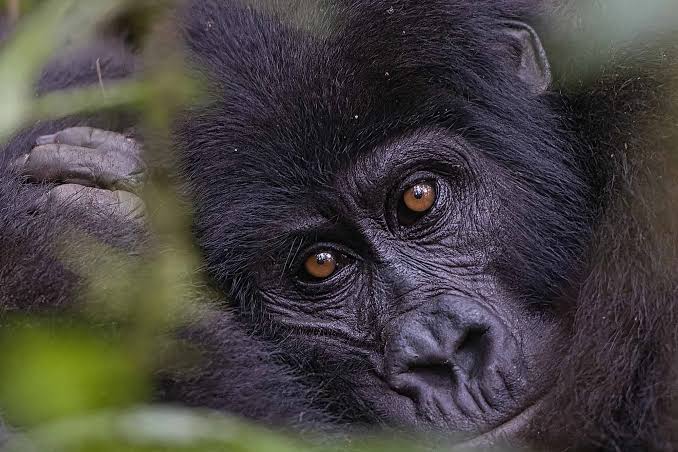
For travelers with limited time or budget forced to choose between the two, gorilla trekking tends to warrant priority over a lion-focused safari, given genuine permit scarcity and the considerably more specific physical and seasonal constraints trekking involves, though the right choice still depends heavily on each traveler’s own specific priorities and circumstances.
This guide walks through the genuine trade-offs worth weighing, from permit availability and cost through to physical demands and how trip length ultimately determines whether combining both experiences makes practical sense for your specific plans.
Why Gorilla Permits Represent the Bigger Scarcity Constraint
Gorilla trekking permits remain limited in number and often sell out considerably in advance, particularly during peak season, meaning travelers with fixed, inflexible travel dates face a real risk of permits being unavailable if booking is delayed. Lion safaris, by contrast, don’t require anything comparable to a limited permit system, making them considerably easier and faster to arrange on comparatively shorter notice.
Physical Demands: Why Trekking Requires More Careful Planning
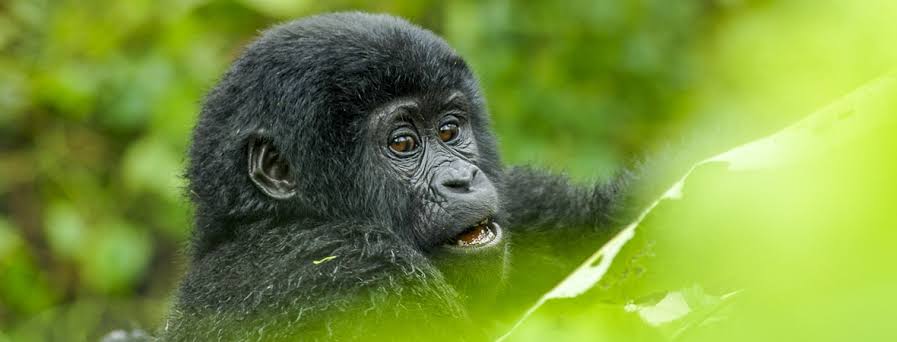
Gorilla trekking involves a physically demanding hike through steep, often muddy forest terrain, sometimes lasting several hours, while a lion safari remains entirely vehicle-based and considerably less physically demanding overall. Travelers with genuine physical limitations or health concerns should factor this real difference in significantly when prioritising between the two experiences.
Cost Comparison: Why Gorilla Trekking Represents the Larger Single Expense
Gorilla trekking permits represent one of the most significant single costs within most Uganda or Rwanda itineraries, considerably more expensive than a comparable day of lion-focused game driving, meaning budget-conscious travelers should factor this cost difference in directly when deciding which experience to prioritise if both can’t be comfortably afforded together within the same overall trip budget.
Seasonal Flexibility: Why Lion Safaris Offer More Forgiving Timing
Lion sightings remain reasonably good across most of the year given resident prides’ territorial, non-migratory behaviour, while gorilla trekking conditions vary more noticeably by season, with considerably drier months offering easier, less muddy hiking terrain overall. Our guide on lion sightings in dry versus wet season covers this comparative seasonal flexibility for lion viewing specifically.
Why First-Time Africa Visitors Often Prioritise Gorillas
Many first-time visitors prioritise gorilla trekking specifically because it represents a once-in-a-lifetime, geographically rare experience available in only a handful of countries worldwide, whereas strong lion safaris remain available across a considerably wider range of destinations and future trip opportunities. Our guide on Serengeti lion safaris covers one of many strong alternative lion destinations worth considering on a future dedicated trip.
Why Repeat Africa Visitors Sometimes Choose Differently
Travelers who’ve already completed a gorilla trek on a previous trip sometimes prioritise a dedicated lion-focused safari instead, especially if their first visit didn’t include sufficient time for in-depth Big Five viewing. Our guide on the best parks to see lions in East Africa covers destinations well suited to this kind of dedicated, lion-focused return trip, often with a considerably more relaxed, unhurried pace than a first-time itinerary typically allows.
Why This Choice Isn’t Always Either-Or
Many travelers don’t need to choose at all, since Uganda specifically allows both experiences within a single well-structured itinerary. Our guide on whether lions live in Uganda’s rainforest parks covers exactly how to combine both experiences realistically, including the additional time and budget this combination requires beyond a single-focus trip.
How Trip Length Determines Whether Combining Both Makes Sense
Travelers with a week or more have realistic room to combine both experiences without feeling rushed, while those with a considerably shorter trip, perhaps four or five days total, face a harder trade-off and should prioritise one experience to visit properly rather than rushing both and enjoying neither fully. Our guide on a sample 5-day Uganda lion safari itinerary covers a realistic single-focus structure for travelers choosing to prioritise lions specifically within a shorter overall trip.
Why Emotional Priority Matters as Much as Logistics
Beyond the practical factors covered above, which experience excites a given traveler more personally often matters just as much as any logistical consideration, since a trip built around genuine personal enthusiasm typically produces a considerably more memorable experience than one optimised purely around cost or convenience alone. Our guide on how lion prides are structured covers some of the specific social dynamics that draw many travelers toward prioritising lions specifically.
How to Decide if You’re Still Torn
Travelers still undecided should consider consulting an experienced local operator directly, since a knowledgeable planner can help weigh the specific trade-offs, current permit availability, seasonal timing, and budget, against a traveler’s own specific priorities in a way generic advice alone can’t fully replicate. Our roundup of essential lion facts for safari-goers covers several more details worth knowing regardless of which experience you ultimately prioritise.
Weather Contingency: Why Gorilla Trekking Carries More Risk
Gorilla trekking depends on locating a specific habituated gorilla family on the day of the trek, a process that can take anywhere from under an hour to most of a full day depending on the group’s current location, meaning trekking carries a wider, less predictable range of possible outcomes on any given day than a lion safari’s more predictable game-drive structure typically does.
Why Group Size Limits Affect Gorilla Trekking More Directly
Gorilla trekking permits limit each habituated family to a small daily visitor group, a deliberate conservation measure protecting the gorillas from excessive disturbance, meaning trekking bookings can’t simply be arranged last-minute the way adding an extra vehicle to a lion-focused game drive typically can within most parks and reserves.
How Age and Family Travel Factor Into This Decision
Families travelling with young children or older relatives should weigh gorilla trekking’s physical demands carefully, since most trekking permits carry a minimum age requirement, typically around 15, that automatically excludes younger children entirely, while lion safaris remain accessible to travelers of nearly any age. Our guide on a family guide to spotting lions safely covers this family-friendly accessibility in useful depth.
Why Combining Both Requires Careful Sequencing
Travelers choosing to combine both experiences benefit from careful itinerary sequencing, since gorilla trekking’s physical demands feel more manageable earlier in a trip before accumulated travel fatigue sets in, while a lion safari’s more relaxed, vehicle-based pace works well as a lower-intensity complement either before or after the trekking day itself, giving tired legs a welcome rest.
What Repeat Visitors Say About Each Experience
Travelers who’ve completed both experiences tend to describe them as fundamentally different in character rather than directly comparable, gorilla trekking offering a single, intense, deeply personal encounter with a specific habituated family, and a lion safari offering a more varied, extended wildlife-viewing experience across multiple sightings and species throughout a longer stay, each memorable for entirely different reasons.
How Booking Lead Time Differs Between the Two Experiences
Given permit scarcity, gorilla trekking requires booking considerably further in advance than a lion safari typically does, sometimes several months ahead for peak season dates, while lion-focused accommodation and game drives offer considerably more last-minute flexibility and availability, a practical difference worth factoring in heavily for travelers planning on a shorter timeline before departure.
What Travelers Regret Most When Rushing Either Experience
Travelers who’ve rushed either experience tend to report the same regret: not allowing enough time to fully absorb what was, in either case, a rare and significant wildlife encounter, reinforcing why prioritising depth over breadth, doing one experience thoroughly rather than both superficially, tends to produce the far more satisfying overall trip when time is limited.
Frequently Asked Questions
A few quick, practical answers to the questions travelers ask most often when choosing between gorilla trekking and a lion-focused safari.
Which experience should take priority with limited time?
Gorilla trekking generally warrants priority, given permit scarcity and the considerably more specific booking constraints involved.
Is gorilla trekking more expensive than a lion safari?
Yes – Permits alone typically represent one of the largest single costs within a comparable Uganda or Rwanda itinerary.
Can both experiences be combined in one trip?
Yes, with enough time – Uganda specifically allows a well-structured itinerary combining both realistically.
Is gorilla trekking more physically demanding than a lion safari?
Yes – Trekking involves a genuine hike through steep terrain, while lion safaris remain entirely vehicle-based.
Does season affect this decision?
Somewhat – Lion safaris offer more forgiving year-round timing, while trekking conditions vary more by season.
Ready to Plan Your Uganda Safari?
Whether you’re prioritising gorilla trekking, a dedicated lion safari, or a carefully combined itinerary, our team can help you weigh the trade-offs and build a trip matched to your interests. Get in touch with our team below today and let’s start planning your complete Uganda safari itinerary together.

No comment