


Kids’ Guide to African Lions: Fun Facts for Young Safari-Goers
Lions are one of the most exciting animals to learn about before a safari, and understanding a few surprising facts ahead of time makes spotting them in real life even more fun for young travelers, turning a simple sighting into a moment of genuine recognition and discovery.
Here are some of the most fun, surprising facts about lions, perfect for reading together as a family before your trip, so every sighting feels like putting a fact you already learned into action for real.
Lions Live in Families Called Prides
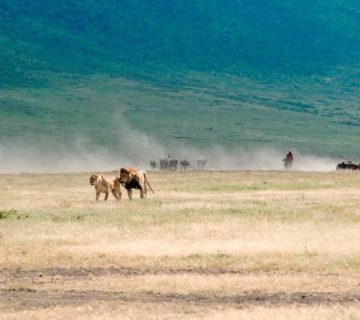
Unlike most big cats, which live alone, lions live together in a family group called a pride, usually made up of mostly related mums, aunties, and cousins, plus their cubs and a few dad lions who protect the whole group. Our guide on how lion prides are structured covers this family setup in more grown-up detail for parents wanting to explain it further, including how big a typical pride actually grows.
Mum Lions Do Most of the Hunting
Even though dad lions look bigger and stronger, it’s the mum lions, called lionesses, who do most of the hunting for the whole family, working together as a team to catch dinner rather than hunting alone. Our guide on what lions eat and how they hunt covers exactly how this teamwork works, a fun surprise many kids don’t expect to learn.
A Lion’s Roar Can Be Heard From Really Far Away
A lion’s roar is so loud that on a quiet night, you could hear it from about 8 kilometres away, roughly the same as hearing someone shout from the other side of a small town. Lions roar to tell other lions “this is my home” and to find family members who’ve wandered off, a bit like calling out to find your family in a crowded place.
Baby Lions Have Spots When They’re Born
Newborn lion cubs have soft, spotty patterns on their fur, a bit like a cheetah’s spots, that slowly fade away as they grow older. Scientists think this pattern is left over from lions’ ancient relatives millions of years ago, a little clue hidden in every newborn cub’s fur.
Lions Sleep for Most of the Day
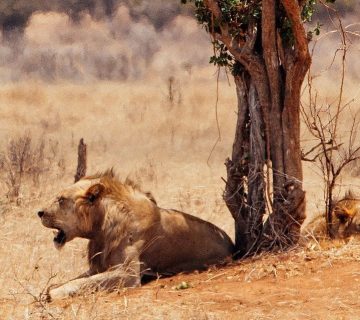
Lions sleep or rest for up to 20 hours every day, which means if you see a lion lying in the shade looking sleepy, that’s completely normal, they’re just saving their energy for hunting later. Our guide on how long lions sleep each day explains exactly why they need so much rest, more than almost any other animal you’ll meet on safari.
Some Lions Climb Trees
Most lions stay on the ground, but a few special groups of lions, including some in Uganda and Tanzania, have learned to climb trees and rest draped across the branches, something scientists still aren’t completely sure why they do. Our guide on the tree-climbing lions of Ishasha covers this surprising behaviour, a rare sight most safari-goers around the world never get to witness at all.
Boy Lions Have Manes, Girl Lions Don’t
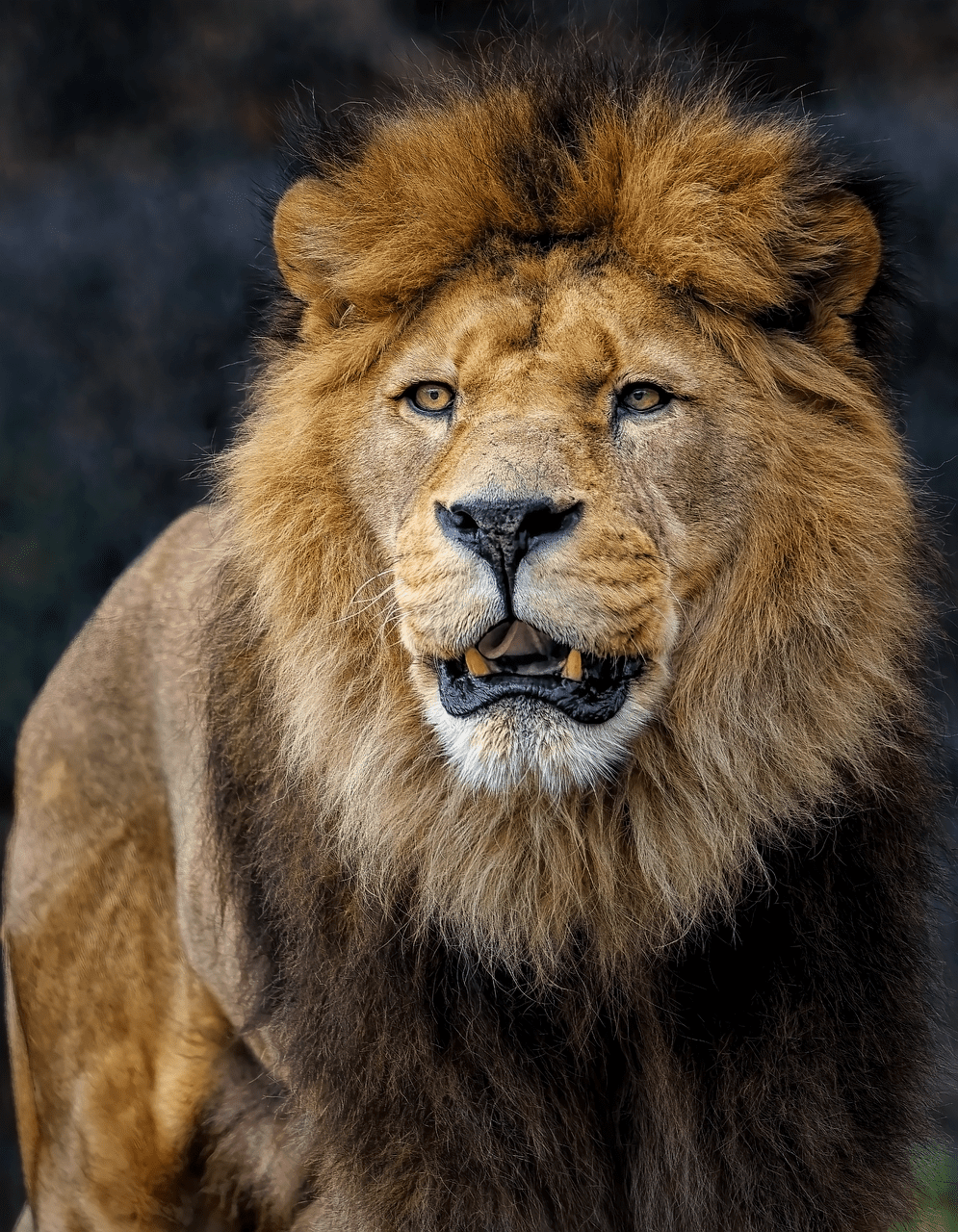
The fluffy fur around a boy lion’s face and neck is called a mane, and only boy lions grow one, it helps them look bigger and stronger to other lions. Girl lions, called lionesses, don’t have a mane at all, which makes it easy to tell them apart once you know what to look for, a fun first thing to point out on your very first sighting.
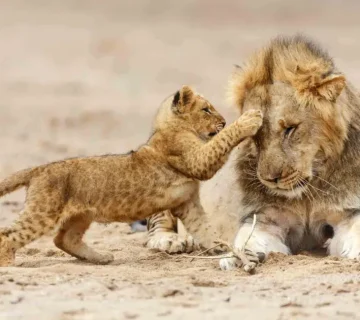
Lion Cubs Play Just Like Puppies
Baby lions love to play, pouncing on their brothers and sisters, chasing tails, and practising little play-fights, all of which secretly helps them learn the real hunting skills they’ll need when they grow up. Our guide on male versus female lion differences explains more about how boy and girl cubs slowly grow into their different adult roles.
A Lion’s Bite Is Super Strong
Lions have one of the strongest bites of any land animal, which helps them catch and hold onto big animals like buffalo and zebra when the whole family hunts together. It’s one of the reasons a lion, even without any weapons, is such a powerful hunter on the African savanna.
Elephants and Lions Share the Same Homes
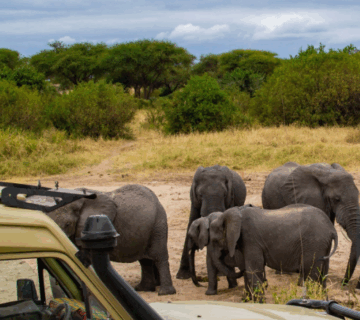
On most safaris, lions share their grassland home with elephants, buffalo, rhinos, and leopards too, all part of the famous group of animals called the Big Five, so a single game drive can turn up far more than just lions if you keep your eyes open.
Not Every Lion Belongs to a Pride
Some lions, usually young boy lions who’ve left their family, wander around alone or with a brother for a while before finding a new pride of their own to join and protect. Our guide on why male lions leave their pride explains this adventure in more detail. It’s a bit like growing up and moving out to build a home of your own, except this new home has to be won and defended from other lions first.
Lions Are in Danger and Need Our Help
There are far fewer wild lions today than there used to be, which is why national parks and safari trips help protect them, the money from responsible tourism helps rangers keep lions and their homes safe. Our guide on how many lions are left in Africa explains this in a bit more depth for older kids and parents.
By visiting on a safari and choosing a responsible operator, your family becomes part of the solution too, since the money spent on park fees and lodges helps pay for rangers, research, and keeping lions safe for the next generation of young explorers to enjoy too.
Fun Things to Look and Listen For on Safari
On your own safari, try to spot a lion’s twitching tail tip, listen for a roar echoing across the plains, and see if you can tell a boy lion from a girl lion just by looking at its mane, all fun little games that make a game drive even more exciting for young explorers.
Every Lion Has a Unique Whisker Pattern
Just like how every person has different fingerprints, every lion has a different pattern of spots where its whiskers grow, so no two lions ever look exactly the same up close, a fun detail scientists use to tell individual lions apart in photographs. See if you can spot the difference between two lions’ whisker spots next time you look closely at a photo from your trip.
Lions Can Run Really Fast, But Not for Long
A lion can sprint incredibly fast for a short burst, faster than a person could ever run, but they can’t keep that speed up for very long, which is why they sneak up close before making their final dash rather than chasing prey from far away. It’s a bit like a short, explosive race rather than a long marathon.
Lion Families Take Care of Cubs Together
In a lion pride, all the mum lions help look after every cub, not just their own babies, taking turns feeding and watching over the little ones, a bit like a big, caring extended family working as a team, so no single mum ever has to look after her cubs entirely alone.
You Might Hear Lions Before You See Them
On safari, a roar carrying across the plains at dawn or dusk is often the very first sign a pride is nearby, even before your guide spots them with their sharp eyes, so listening carefully is just as important as looking around. Keeping your ears open is half the fun of a good game drive.
Baby Lions Stay Hidden at First
When lion cubs are first born, their mum keeps them hidden away safely for the first few weeks, away from the rest of the pride, before slowly introducing them once they’re strong enough to keep up. Our guide on the best time to see lion cubs explains more about when young cubs become easiest to spot on your very own trip.
Frequently Asked Questions
Do lions really live in families?
Yes – a lion family is called a pride, and it’s made up mostly of related mums, aunties, and cubs.
Why do only boy lions have manes?
The mane helps boy lions look bigger and stronger, and girl lions don’t need one for the same reason.
How far away can you hear a lion roar?
On a quiet night, a lion’s roar can be heard from about 8 kilometres away.
Do lion cubs have spots?
Yes – newborn cubs have faint spots that fade away as they grow into adults.
Why do lions sleep so much?
Lions rest up to 20 hours a day to save energy for hunting, which takes a lot of strength.
Ready to Plan Your Family African Safari?
Whether your young explorer is excited about roaring lions, playful cubs, or spotting a mane from a distance, our team can build a family-friendly trip matched to your interests. Get in touch with our team below today and let’s start planning your complete family safari itinerary together.


No comment