

Why Do Crocodiles Bask With Their Mouths Open?
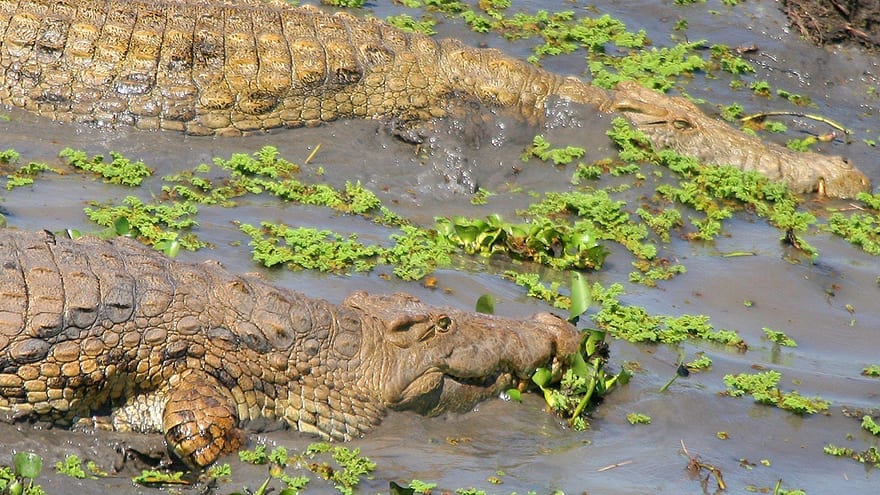
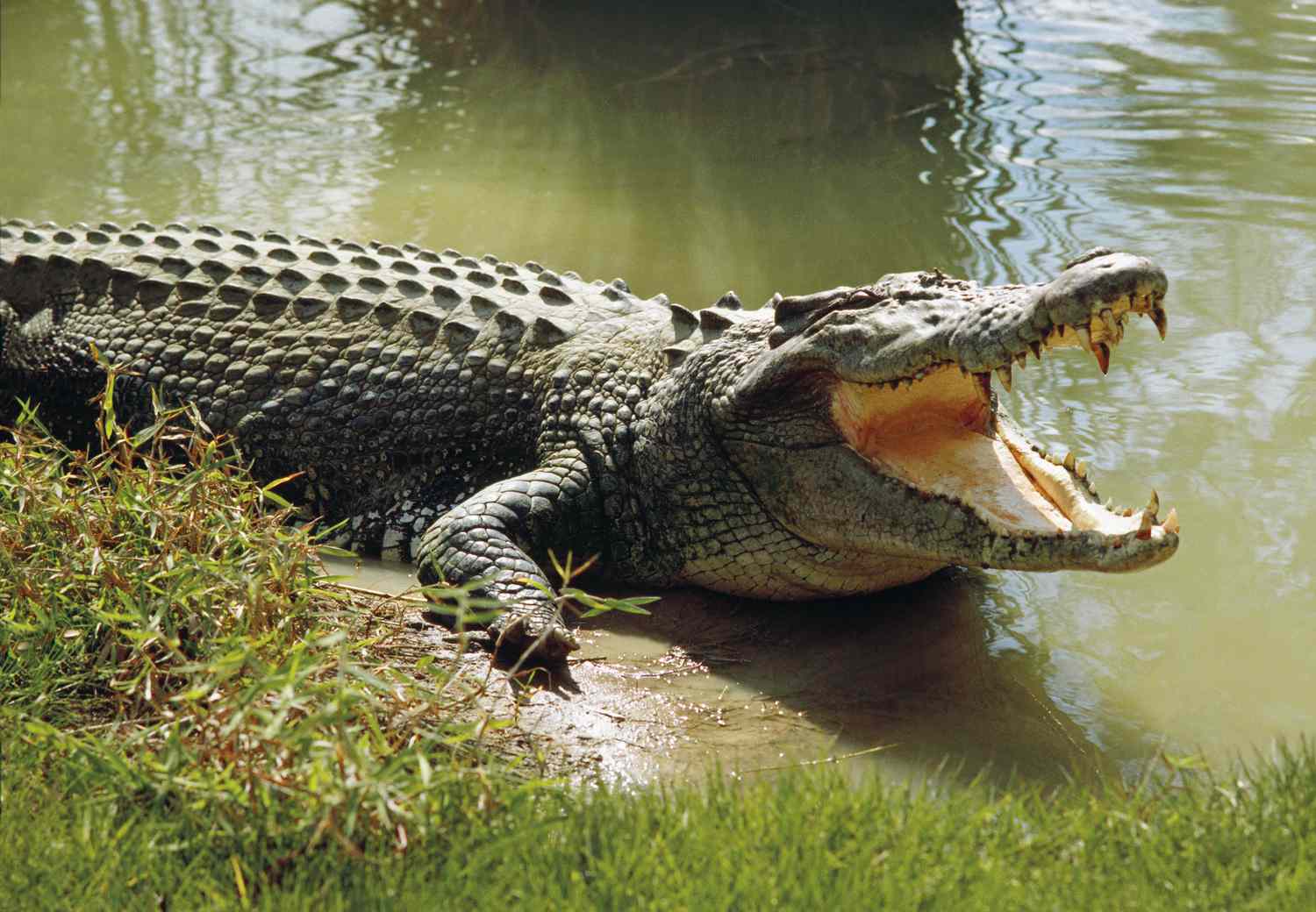
Crocodiles genuinely bask with their mouths held wide open, a behaviour called gaping, primarily to release excess body heat through evaporative cooling from the mouth’s moist internal surface, a genuine thermoregulatory strategy that lets the species avoid overheating while still absorbing the sun’s warmth needed to power digestion and overall metabolic function.
Why Gaping Genuinely Solves a Specific Cold-Blooded Physiological Challenge
As cold-blooded reptiles, crocodiles genuinely rely entirely on external heat sources to regulate body temperature, meaning basking in direct sun genuinely raises body temperature efficiently but also risks overheating if the animal remains exposed too long without any cooling mechanism, and gaping genuinely solves this specific problem by allowing heat loss through the mouth’s moist tissue even while the body continues absorbing warmth from the sun.
How Evaporative Cooling Genuinely Works Through the Open Mouth
The crocodile’s mouth interior genuinely stays considerably more moist than its external, scaled skin, and this moisture genuinely evaporates when exposed to air during gaping, a process that draws heat away from the surrounding tissue in the same basic way sweating cools human skin, meaning the behaviour genuinely functions as a targeted cooling mechanism specifically exploiting the mouth’s unique tissue properties rather than relying on the skin’s more limited evaporative capacity.
Why Crocodiles Genuinely Lack Sweat Glands and Must Rely on This Alternative
Unlike mammals that genuinely regulate temperature through sweating across the entire body surface, crocodiles genuinely possess no comparable sweat gland system, meaning gaping represents one of the relatively few active cooling mechanisms available to the species, alongside simply retreating to water or shade, making the behaviour genuinely more physiologically important to the crocodile’s overall temperature management than casual observation might suggest.
How Gaping Frequency Genuinely Varies With Ambient Temperature and Time of Day
Crocodiles genuinely gape considerably more frequently during the hottest parts of the day, when overheating risk peaks, and researchers studying basking behaviour have found gaping frequency correlates measurably with ambient temperature readings, meaning the behaviour genuinely functions as a responsive, real-time thermoregulatory adjustment rather than a fixed, unvarying daily routine performed regardless of actual heat conditions.
Why This Behaviour Genuinely Also Serves a Secondary Territorial Display Function
Beyond pure thermoregulation, an open-mouthed gaping posture genuinely also serves as a visible territorial or dominance signal to other crocodiles sharing the same stretch of river or lake, meaning the behaviour genuinely carries a dual function, with the same physical posture simultaneously managing body temperature and communicating presence or status to nearby individuals within the same basking area.
How Digestion Genuinely Depends on the Warmth Basking Provides
Crocodile digestive efficiency genuinely depends heavily on adequate body temperature, since warmer body temperature speeds the powerful stomach acid’s ability to break down consumed prey, meaning basking, and the gaping that allows extended safe sun exposure without overheating, genuinely plays a direct role in how efficiently a crocodile processes its last meal, connecting this behaviour directly to the species’ broader feeding and energy-management strategy.
Where to Observe Crocodile Basking and Gaping Behaviour in East Africa
Crocodile basking is genuinely reliable to observe along Murchison Falls’ Nile stretch and Kenya’s Mara River, both offering genuine close-range viewing from a boat cruise or riverbank vantage point.
Best Time of Day for Observing Gaping Behaviour
Midday, when temperatures peak and thermoregulatory demand is highest, genuinely offers the best opportunity to observe frequent gaping behaviour. See our regional best-time guide for how seasonal patterns generally affect wider game viewing.
Photographing Crocodile Gaping Behaviour
Capturing the distinctive open-mouthed basking posture offers genuinely striking reptile photography considerably different from the more commonly seen partially submerged crocodile portrait. See our camera gear guide for broader equipment recommendations.
What to Pack for River and Boat Cruise Activities
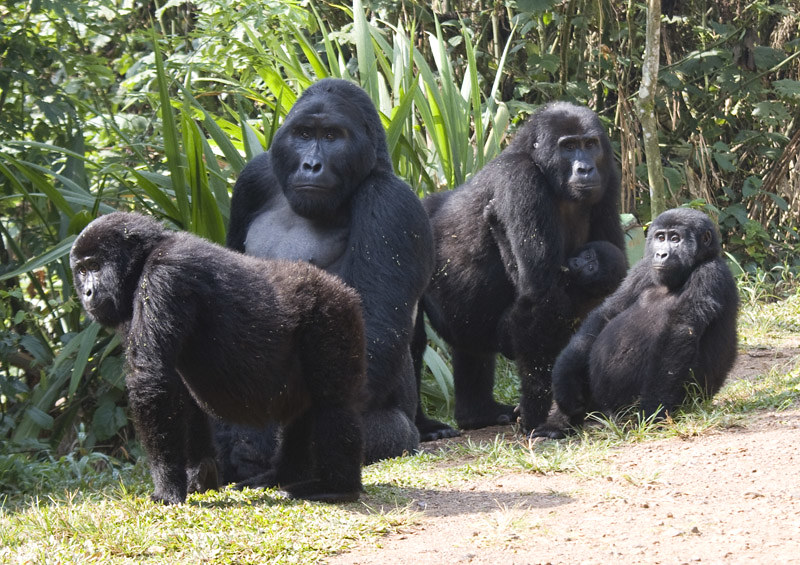
Standard game drive gear – neutral clothing, sun protection, and binoculars – covers most of what a boat cruise requires. If your wider itinerary includes gorilla trekking, our gorilla trekking packing list covers that portion separately.
Why Gaping Genuinely Differs From the Open-Mouth Threat Display Documented Elsewhere
Unlike a defensive or aggressive open-mouth display used during direct confrontation, thermoregulatory gaping genuinely occurs during calm, stationary basking with no other visible sign of agitation or threat response, meaning experienced guides can genuinely distinguish between the two similar-looking postures based on overall body language and surrounding context rather than mouth position alone.
How Crocodile Positioning Relative to Sun Angle Genuinely Complements Gaping
Beyond simply opening the mouth, crocodiles genuinely also adjust body positioning and orientation relative to the sun’s angle throughout the day, maximising or minimising direct exposure as needed alongside the gaping response, meaning overall thermoregulation genuinely involves a coordinated combination of postural adjustment and the specific mouth-opening cooling mechanism working together rather than gaping alone managing the entire process.
Why Juvenile Crocodiles Genuinely Display Gaping Behaviour Less Consistently Than Adults
Young crocodiles genuinely gape somewhat less frequently and consistently than mature adults, partly reflecting their smaller body size and correspondingly faster overall heat exchange with the surrounding environment, meaning juveniles genuinely don’t face quite the same overheating risk during extended basking that considerably larger adult crocodiles must actively manage through this specific behaviour.
Comparing Crocodile Thermoregulation to Tortoise Burrowing Strategy
Where leopard tortoise manage temperature primarily through retreating into burrows during extreme heat, crocodiles rely on this genuinely more active, in-place evaporative cooling mechanism that lets the species remain exposed and basking rather than needing to seek shelter, illustrating two genuinely different reptilian solutions to the same basic cold-blooded thermoregulation challenge.
Why Guides Value Explaining Gaping Behaviour to Visitors
Given how often gaping is mistaken for aggression or discomfort, experienced guides genuinely value explaining the actual thermoregulatory function behind the behaviour, adding real appreciation for a subtle but genuinely important physiological adaptation easily misread without specific context.
Combining Crocodile Behaviour Viewing With a Wider River Circuit
Crocodile gaping observation pairs naturally with a broader Nile or Mara River boat cruise covering hippo and birdlife within the same overall outing.
Why Some Bird Species Genuinely Exploit a Basking Crocodile’s Open Mouth
Certain bird species genuinely take advantage of a gaping crocodile’s exposed mouth to pick loose food debris from between the teeth, a genuinely opportunistic feeding relationship that only becomes possible because the crocodile’s thermoregulatory gaping already holds the mouth open for extended periods, meaning this bird-crocodile interaction genuinely depends directly on the underlying thermoregulatory behaviour rather than existing as an independent relationship.
How Water Temperature Genuinely Interacts With a Crocodile’s Overall Thermoregulation Strategy
Beyond basking and gaping on land, crocodiles genuinely also use water temperature strategically, moving between warmer shallow margins and cooler deeper sections throughout the day to fine-tune body temperature, meaning gaping represents just one component within a genuinely broader, multi-strategy thermoregulation system that also incorporates deliberate water positioning alongside land-based basking behaviour.
Why This Thermoregulation Strategy Connects Directly to the Species’ Fasting Ability
Effective temperature management through basking and gaping genuinely supports the same metabolic efficiency underlying crocodiles’ remarkable ability to survive months without eating, since maintaining optimal body temperature without wasting energy on inefficient thermoregulation genuinely helps conserve the stored reserves a fasting crocodile depends on, connecting this basking behaviour directly to the species’ broader energy-management strategy.
How Researchers Study Gaping Frequency Alongside Other Crocodile Behaviours
Field researchers studying crocodile thermoregulation genuinely track gaping frequency alongside other behaviours including the species’ bellowing and territorial displays, building a more complete picture of how basking behaviour fits within the crocodile’s overall daily activity pattern rather than studying gaping in complete isolation from the animal’s wider behavioural repertoire.
Why Individual Crocodiles Genuinely Display Somewhat Different Gaping Patterns
Researchers monitoring individual crocodiles over time have genuinely found some variation in exactly how frequently and for how long different individuals gape under similar temperature conditions, a pattern that may reflect individual differences in body condition, recent feeding history, or simply normal biological variation, meaning gaping behaviour genuinely isn’t perfectly uniform across every individual within the same population despite the shared underlying thermoregulatory purpose.
Frequently Asked Questions
Why do crocodiles bask with their mouths open?
Primarily to release excess body heat through evaporative cooling from the mouth’s moist internal surface, preventing overheating during basking.
Do crocodiles sweat to cool down like mammals?
No – they lack sweat glands entirely, making gaping one of the few active cooling mechanisms genuinely available to the species.
Does gaping mean a crocodile is being aggressive?
Not usually – thermoregulatory gaping occurs during calm, stationary basking, distinct from a defensive open-mouth threat display.
Why does basking matter for crocodile digestion?
Warmer body temperature speeds up the powerful stomach acid’s ability to break down consumed prey more efficiently.
Where can I see crocodile gaping behaviour on safari?
Murchison Falls’ Nile stretch and Kenya’s Mara River both offer genuine close-range viewing opportunities.
Ready to Plan Your Uganda Safari?
Whether observing crocodile behaviour firsthand, a Nile boat cruise, or a full Uganda itinerary is your priority, our team can build a trip matched to your interests. Get in touch with our team below today and let’s start planning your complete Uganda safari itinerary together.

No comment