
Why Do Male Impala Roar During Rutting Season?
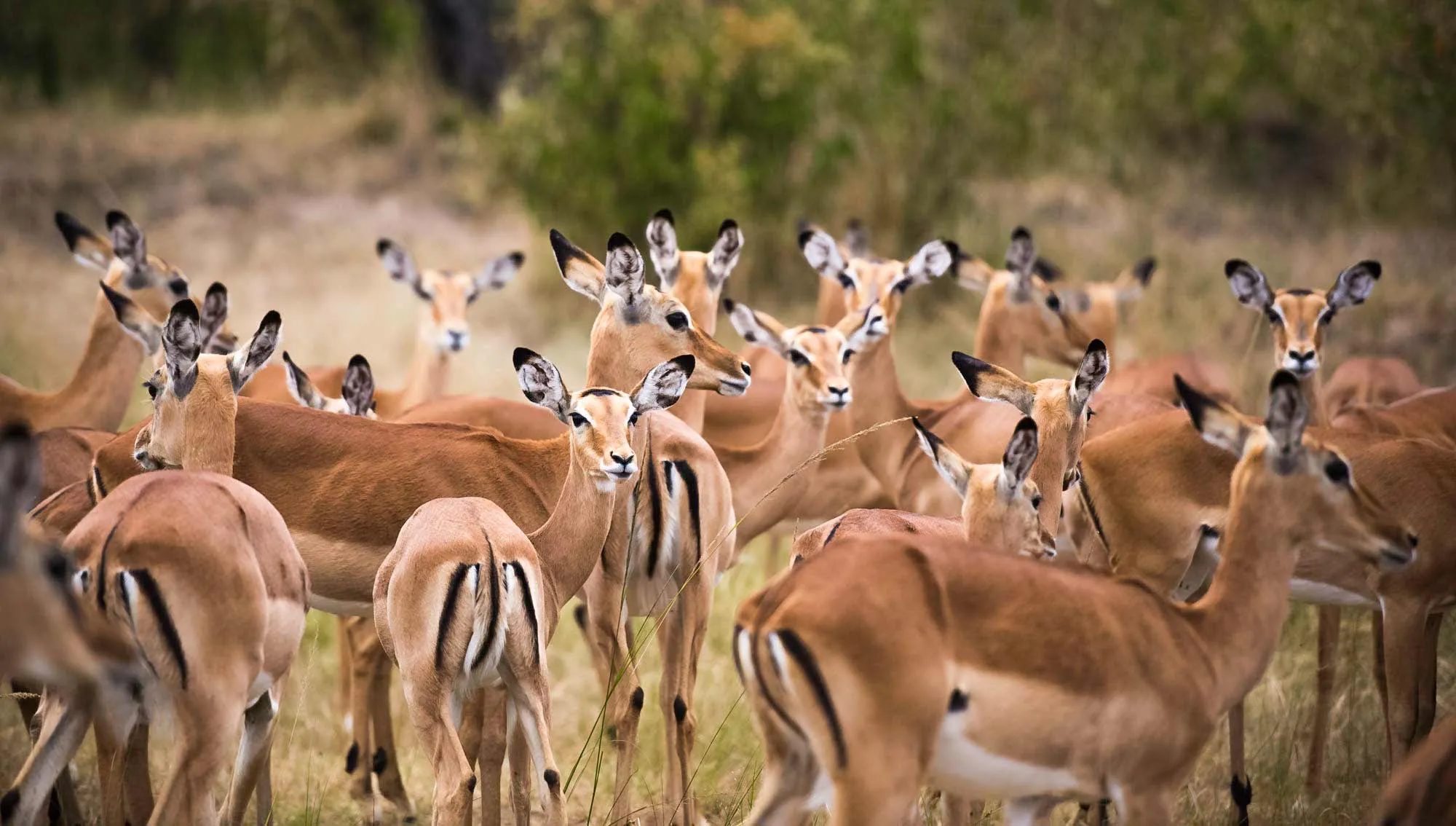
Male impala genuinely produce a distinctive, guttural roaring and grunting call during rutting season, a sound considerably deeper and more unusual than most visitors expect from an antelope, used to advertise territorial control and reproductive dominance to both rival males and potential mates across the herd.
Why the Impala Rut Genuinely Concentrates Breeding Into a Tight Seasonal Window
Impala rutting season genuinely triggers an intense, concentrated period of male competition and mating activity typically lasting several weeks, timed to synchronise calving roughly seven months later with the most favourable seasonal grazing conditions, meaning the rut’s considerable behavioural intensity genuinely reflects a deliberate reproductive timing strategy rather than random, unconnected breeding activity spread evenly across the year.
How the Roaring Call Genuinely Differs From Typical Antelope Vocalisation
The rutting male impala’s roar genuinely sounds considerably more like a growl or grunt than the higher-pitched alarm snort most visitors associate with impala, a genuinely unusual vocalisation for an antelope species that surprises many first-time safari-goers who don’t expect such a deep, resonant sound from a mid-sized grazing animal, and the call carries considerable distance across open terrain to reach both rival males and receptive females.
Why Territorial Males Genuinely Defend a Fixed Breeding Territory During the Rut
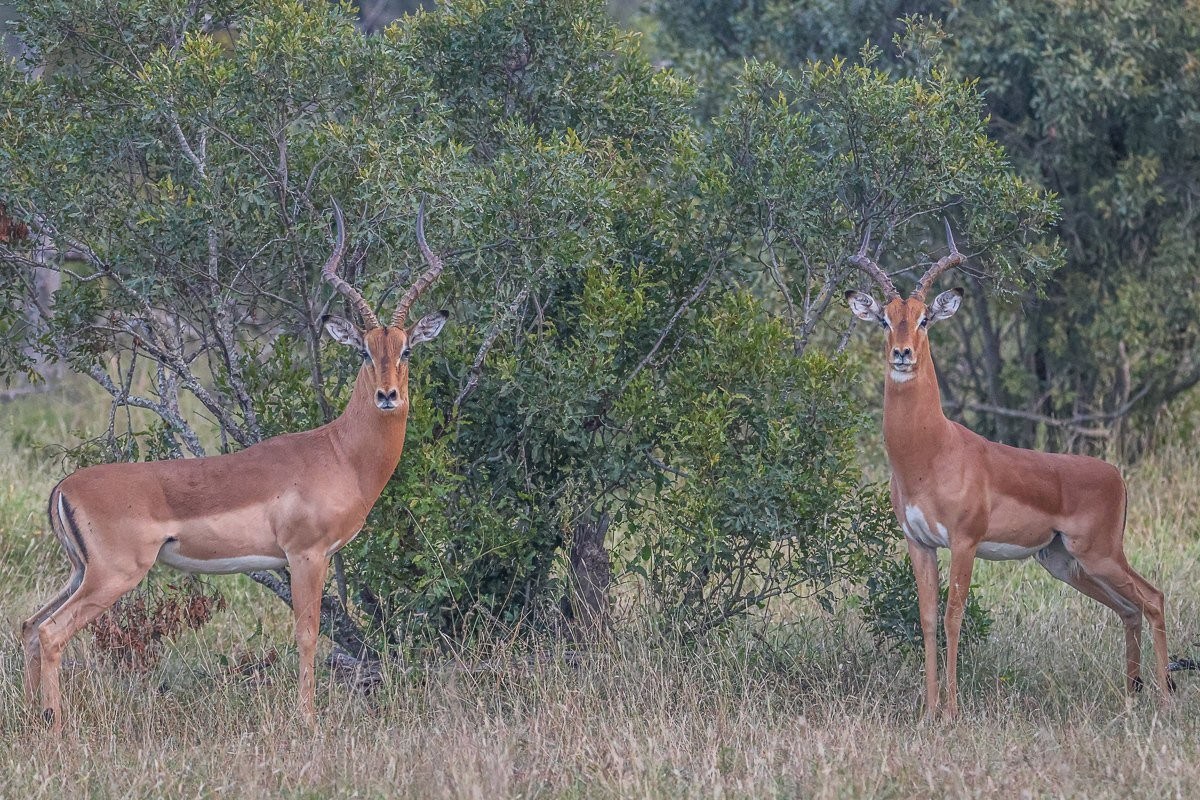
During rutting season, dominant male impala genuinely shift from the more loosely associated bachelor or mixed-herd behaviour typical outside the breeding period to actively defending a specific territory, chasing off rival males and attempting to herd receptive females within the defended area, meaning territorial behaviour genuinely intensifies dramatically during this specific window compared to the considerably more relaxed social structure impala maintain the rest of the year.
How Rutting Males Genuinely Experience Considerable Physical Exhaustion
Given the near-constant vocalisation, territorial patrolling, and confrontation with rival males the rut demands, dominant territorial males genuinely experience considerable physical depletion over the breeding period, often losing noticeable body condition, and researchers have found a male’s territorial tenure typically lasts only a limited period before physical exhaustion or a successful challenge from a rival male ends his dominant breeding position.
Why Male Rank Turnover Genuinely Happens Frequently During Rutting Season
Because the physical demands of territorial defence during the rut genuinely prove so taxing, dominant male position genuinely changes hands considerably more frequently during this period than during the rest of the year, meaning multiple different males may hold breeding territory across a single rutting season as each successive holder eventually succumbs to exhaustion or direct challenge from a fresher rival.
How Female Impala Genuinely Respond to Territorial Male Herding Behaviour
Female impala genuinely aren’t purely passive during this process, showing some ability to move between different territorial males’ areas and exercising a degree of choice in which territory they ultimately remain within, meaning the rut’s outcome genuinely reflects some combination of male competitive success and independent female movement rather than being entirely determined by male dominance alone.
Where to Observe Impala Rutting Behaviour in East Africa
Impala rutting behaviour is genuinely reliable to observe across Lake Mburo National Park and the broader Serengeti-Mara ecosystem during the species’ breeding season.
Best Time of Year for Impala Rut Viewing
Impala rutting season typically occurs during specific windows tied to regional seasonal patterns, and local guides genuinely know current timing best. See our regional best-time guide for how seasonal patterns generally affect wider game viewing.
Photographing Impala Rutting Behaviour
Capturing a territorial male mid-roar, or direct confrontation between rival males, offers genuinely dramatic behavioural photography beyond a standard grazing herd portrait. See our camera gear guide for broader equipment recommendations.
What to Pack for Predator-Prey-Focused Game Drives
Standard game drive gear – neutral clothing, sun protection, and binoculars – covers most of what impala viewing requires. If your wider itinerary includes gorilla trekking, our gorilla trekking packing list covers that portion separately.
Why Rutting Males Genuinely Face Elevated Predation Risk During This Period
Given how much attention and energy rutting males devote to territorial defence and vocalisation rather than predator vigilance, territorial impala genuinely face somewhat elevated predation risk during the rut compared to their normal, considerably more watchful behaviour, meaning the reproductive benefits of holding breeding territory genuinely come with a real, measurable safety trade-off.
How Bachelor Herds Genuinely Reorganise During and After the Rut
Males unable to establish or hold breeding territory genuinely form separate bachelor groups during the rut, and once the breeding season ends, former territorial males typically rejoin these bachelor groups themselves, meaning impala social structure genuinely cycles between the intense rut-driven territoriality and a considerably more relaxed, integrated bachelor and mixed-herd arrangement for the remainder of the year.
Why Calf Synchrony Genuinely Reflects the Rut’s Ultimate Reproductive Purpose
The concentrated timing of the rut genuinely produces a correspondingly synchronised calving period roughly seven months later, a pattern researchers link to the same predator-swamping strategy documented in other antelope species, where a concentrated birthing pulse floods local predator capacity, improving overall calf survival odds across the herd despite individual calves remaining genuinely vulnerable during the shared birthing window.
Comparing Impala Rutting Behaviour to Wildebeest Rutting Dynamics
Much like impala, wildebeest also genuinely concentrate breeding into an intense rutting period with considerable male vocalisation and territorial competition, though wildebeest rutting occurs within the context of the much larger migratory herd, a meaningfully different social backdrop than the smaller, more localised impala territories where rutting competition typically plays out.
Why Guides Value Explaining Impala Rutting Behaviour to Visitors
Given how surprising the roaring call genuinely sounds to visitors unfamiliar with the behaviour, experienced guides genuinely value explaining the reproductive strategy and territorial dynamics behind the sound, adding real appreciation for a species many visitors otherwise associate primarily with predator-evasion behaviour rather than this intense breeding-season display.
Combining Impala Rut Viewing With a Wider Predator-Prey Circuit
Impala rutting observation pairs naturally with a broader predator-focused itinerary, given the elevated predation risk and correspondingly increased predator activity the rutting period often attracts, including leopard hunting activity that often concentrates around distracted rutting males.
Why Horn Size Genuinely Predicts Rutting Success More Than Any Other Physical Trait
Research tracking impala rutting outcomes has genuinely found horn length and thickness correlate more strongly with territorial holding success than overall body size alone, since horns genuinely function as both the primary weapon in direct confrontation and a visible, easily assessed fitness signal rival males use to judge whether a direct challenge is genuinely worth the physical risk involved.
How Scent Marking Genuinely Reinforces Territorial Boundaries Alongside Vocalisation
Beyond the roaring call, territorial male impala genuinely use scent glands to mark vegetation throughout their defended breeding territory, a chemical signal that works alongside vocalisation to establish and reinforce boundaries, meaning the overall territorial advertising system genuinely combines both auditory and chemical communication channels rather than relying on sound alone to warn off rival males.
Why This Reproductive Strategy Genuinely Compares to Topi Territorial Display
Much like topi using elevated mounds for territorial breeding display, impala rutting males use vocalisation and physical positioning to advertise dominance, though impala rely considerably more heavily on sound projection than the visual elevation strategy topi favour, a meaningful difference reflecting each species’ distinct available terrain features and typical herd density.
How Rutting Intensity Genuinely Varies With Local Population Density
In areas with genuinely higher impala population density, rutting competition intensifies considerably given the larger number of rival males contesting a limited number of viable breeding territories, meaning the rut’s overall intensity and male turnover rate genuinely tracks local population pressure, similar to how hippo territorial conflict intensifies during periods of concentrated competition, rather than remaining constant regardless of how many competing males a given area actually supports.
Why This Seasonal Behaviour Genuinely Offers a Distinctive Safari Highlight
Given how genuinely different rutting-season impala behaviour looks compared to the species’ usual quiet, cautious grazing demeanour, witnessing the rut firsthand offers visitors a genuinely distinctive window into a side of impala behaviour easily missed outside this specific seasonal window, making timing a trip around known rutting activity genuinely worthwhile for visitors specifically interested in antelope breeding behaviour.
Frequently Asked Questions
Why do male impala roar during rutting season?
To advertise territorial control and reproductive dominance to both rival males and potential mates across the herd.
How long does a male typically hold breeding territory?
Often only a limited period, since the physical demands of constant defence and vocalisation lead to exhaustion or a successful rival challenge.
Do rutting males face more predation risk?
Yes, genuinely so – the intense focus on territorial defence and vocalisation reduces the vigilance they’d normally maintain against predators.
Do female impala have any choice in mate selection during the rut?
Yes – females can move between different territorial males’ areas, exercising some genuine choice rather than being entirely passive.
Where can I see impala rutting behaviour on safari?
Lake Mburo National Park and the broader Serengeti-Mara ecosystem both offer opportunities during the species’ breeding season.
Ready to Plan Your Uganda Safari?
Whether observing impala behaviour firsthand, wider predator-prey dynamics, or a full Uganda itinerary is your priority, our team can build a trip matched to your interests. Get in touch with our team below today and let’s start planning your complete Uganda safari itinerary together.

No comment