
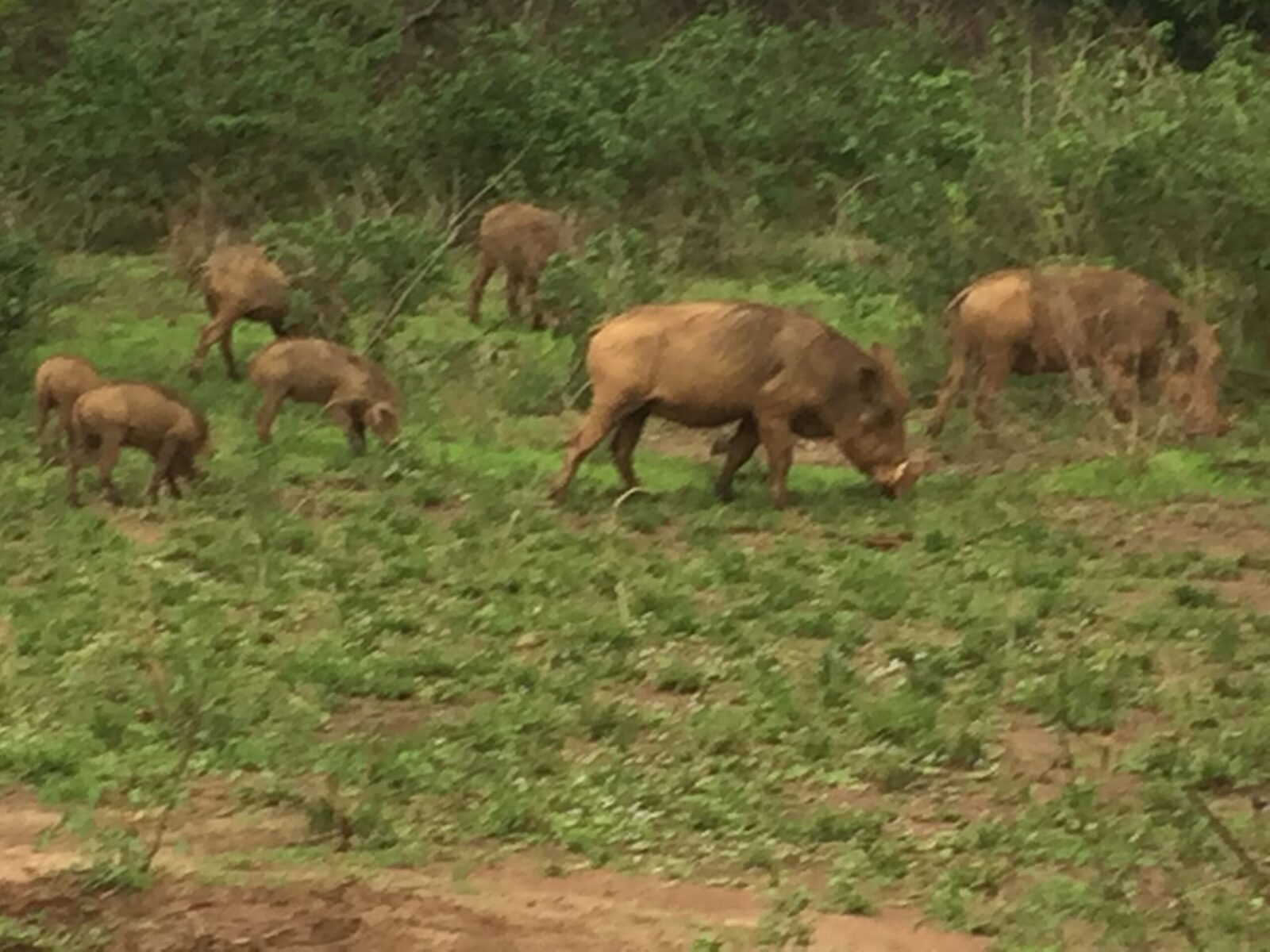


Warthogs genuinely rely on abandoned aardvark burrows as their primary refuge from predators and extreme temperature, a borrowed-shelter strategy that reflects the species’ own limited digging ability, and a distinctive backward-entry technique that keeps the animal’s vulnerable rear protected while its tusked head faces outward, ready to confront whatever might follow it inside.
Why Warthogs Genuinely Depend on Aardvark-Dug Burrows Rather Than Digging Their Own
Despite possessing tusks and reasonably strong front legs, warthogs genuinely lack the specialised digging anatomy aardvark possess, meaning the species relies almost entirely on repurposing burrows aardvark have already excavated rather than constructing its own from scratch, a genuine ecological dependency that makes warthog distribution and refuge availability directly tied to how many active or abandoned aardvark burrows exist within a given territory.
How the Distinctive Backward-Entry Technique Genuinely Works
When entering a burrow, warthogs genuinely reverse themselves in backward rather than diving in head-first, a deliberate positioning that keeps the animal’s tusked head facing the entrance and ready to confront any predator that might follow, meaning a warthog inside its burrow genuinely presents its most dangerous weapon toward the entrance rather than its vulnerable hindquarters, a defensive posture that considerably improves the animal’s odds if a predator does attempt to follow it underground.
Why Burrows Genuinely Provide Critical Temperature Regulation Beyond Predator Protection
Beyond safety from predators, warthog burrows genuinely provide considerable relief from both extreme heat during the day and cold temperatures overnight, since underground conditions remain considerably more stable than surface temperature swings, meaning burrow access genuinely functions as a critical thermoregulation tool as much as a defensive shelter, particularly important given the species’ relatively sparse hair coat compared to many other African mammals.
How Multiple Warthogs Genuinely Share the Same Burrow System
A single burrow genuinely often shelters an entire family group, typically a sow and her piglets, though larger burrow systems can sometimes accommodate multiple generations or unrelated individuals sharing space, particularly during periods of high predator pressure when the safety benefit of shared shelter genuinely outweighs any competition for space within the burrow itself.
Why Piglets Genuinely Depend on Burrow Access During Their Most Vulnerable Weeks
Newborn warthog piglets genuinely spend considerable time within the safety of a burrow during their first several weeks of life, when they’re most vulnerable to predation and least capable of the running speed adult warthogs rely on for open-ground escape, meaning burrow access during this critical early period genuinely represents one of the most important survival factors determining overall piglet survival rates within a given warthog population.
How Warthogs Genuinely Detect and Avoid Burrows Already Occupied by Dangerous Species
Given that abandoned aardvark burrows can sometimes already host other wildlife, including potentially dangerous species like snakes, warthogs genuinely rely on scent detection to assess whether a burrow is safely unoccupied before committing to enter, a cautious pre-entry assessment that reflects genuine risk awareness given how costly discovering an occupied, dangerous burrow after already entering could prove.
Where to Observe Warthog Burrow Behaviour in East Africa
Warthogs are genuinely widespread across East Africa’s savannah parks, including Lake Mburo National Park and the Masai Mara, offering genuine opportunities to observe the species’ distinctive backward burrow-entry behaviour firsthand.
Best Time of Year for Warthog Viewing
Warthogs are visible year-round given resident populations across East Africa’s major savannah parks. See our regional best-time guide for how seasonal patterns generally affect wider game viewing.
Photographing Warthog Burrow Behaviour
Capturing the distinctive backward-entry technique, or a family group emerging from a shared burrow at dawn, offers genuinely engaging behavioural photography beyond a standard grazing portrait. See our camera gear guide for broader equipment recommendations.
What to Pack for Savannah Wildlife Viewing
Standard game drive gear – neutral clothing, sun protection, and binoculars – covers most of what warthog viewing requires. If your wider itinerary includes gorilla trekking, our gorilla trekking packing list covers that portion separately.
Why This Dependency on Aardvark Genuinely Makes Warthog Distribution Ecologically Interconnected
Because warthog refuge availability genuinely depends so directly on aardvark burrowing activity, the two species share a genuine ecological relationship despite having no direct social interaction, meaning any significant decline in local aardvark population or activity could genuinely reduce available warthog shelter, a connection that illustrates how species dependency across an ecosystem often extends well beyond obvious predator-prey or competitive relationships.
How Adult Warthog Tusks Genuinely Provide a Real Deterrent Even Outside the Burrow
Beyond their defensive role at a burrow entrance, adult warthog tusks genuinely provide real deterrent capability against predators encountered in the open, with a cornered or defensive warthog capable of inflicting serious injury through a rapid charging strike, meaning the species’ overall defensive strategy genuinely combines both burrow refuge and, when necessary, direct tusked confrontation rather than relying purely on shelter and flight.
Why Warthogs Genuinely Kneel While Feeding, a Behaviour Related to Their Body Structure
Warthogs genuinely kneel on their front legs while grazing on short grass, a distinctive feeding posture that reflects the species’ relatively short neck relative to leg length, and researchers note this same kneeling posture and the callused knee pads it has produced through repeated use represent a genuinely specific anatomical adaptation to the species’ preferred short-grass feeding style, distinct from the burrow-related adaptations but reflecting a similarly close fit between behaviour and physical structure.
Comparing Warthog Burrow Reliance to Aardwolf’s Own Underground Shelter Use
Much like aardwolf, which also relies partly on burrows for daytime shelter, warthogs demonstrate how genuinely common underground refuge strategies are among East Africa’s smaller and medium-sized savannah mammals, even among species with otherwise very different diets and predator-avoidance strategies.
Why Guides Value Explaining Warthog Burrow Behaviour to Visitors
Given how often warthogs are dismissed as simply a common, unremarkable sighting, experienced guides genuinely value explaining the species’ distinctive backward-entry technique and dependency on aardvark burrows, adding real behavioural depth to what might otherwise register as a routine sighting.
Combining Warthog Viewing With a Wider Savannah Wildlife Circuit
Warthog burrow behaviour observation pairs naturally with a broader savannah-focused itinerary, giving travelers genuine appreciation for East Africa’s often-overlooked ecological interconnections.
Why Warthog Burrows Genuinely Become Contested Territory During Drought
During severe drought when both shade and cooler underground refuge become genuinely more valuable, competition for access to the limited number of available burrows within a given territory genuinely intensifies, sometimes forcing less dominant warthogs to accept considerably less ideal shelter or increased exposure to both temperature extremes and predation risk during the driest, most challenging periods of the year.
How Warthogs Genuinely React When a Predator Approaches an Occupied Burrow
When a predator does approach an occupied burrow, warthogs genuinely rely on the burrow’s narrow entrance to limit how effectively a larger predator can actually reach inside, meaning the confined space itself becomes a genuine defensive advantage, similar in underlying logic to how narrow tree branches protect vervet monkeys from leopard pursuit by limiting a larger predator’s physical access.
Why Multiple Burrow Entrances Genuinely Provide an Escape Route Advantage
Many aardvark-dug burrows genuinely feature multiple entrance and exit points, and warthogs occupying such a system genuinely benefit from this layout by having an alternative escape route available should a predator block the primary entrance, meaning burrow selection itself, not just occupation, genuinely factors into how effectively the shelter serves its protective function, similar to how tortoises rely on considered shelter selection rather than simply the first available cover.
Why Seasonal Burrow Fidelity Genuinely Varies Across a Warthog’s Home Range
Rather than relying on a single fixed burrow year-round, warthogs genuinely maintain awareness of several different burrows scattered across their home range, shifting between them based on current predator activity, seasonal temperature, and immediate safety needs, meaning a warthog’s relationship to underground shelter genuinely functions as a flexible, adaptable network of options rather than one single, permanently claimed refuge.
Why This Burrow Dependency Genuinely Illustrates a Broader Ecosystem Principle
Beyond warthog biology specifically, the species’ complete reliance on aardvark-excavated shelter genuinely illustrates how a single species’ behaviour, in this case aardvark digging activity, can quietly underpin the survival strategy of an entirely different, unrelated species sharing the same landscape, a genuine reminder that ecosystem health often depends on maintaining these kinds of indirect, easily overlooked interspecies dependencies.
Frequently Asked Questions
Do warthogs dig their own burrows?
No, genuinely not usually – they lack aardvark’s specialised digging anatomy and instead rely on repurposing already-abandoned aardvark burrows.
Why do warthogs enter burrows backward?
It keeps their tusked head facing the entrance, ready to confront any predator that might follow them inside.
Why are burrows so important for warthog piglets specifically?
Piglets are most vulnerable to predation during their first weeks, and burrow access during this period is critical to overall survival.
Do multiple warthogs share the same burrow?
Yes, often – typically a sow and her piglets, though larger systems can shelter multiple generations or unrelated individuals.
Where can I see warthog behaviour on safari?
Lake Mburo National Park and the Masai Mara both offer genuine opportunities to observe warthog burrow behaviour firsthand.
Ready to Plan Your Uganda Safari?
Whether observing warthog behaviour firsthand, wider savannah wildlife, or a full Uganda itinerary is your priority, our team can build a trip matched to your interests. Get in touch with our team below today and let’s start planning your complete Uganda safari itinerary together.



No comment