
How Do Tortoises Survive East Africa’s Savannah?
The leopard tortoise, East Africa’s largest and most widespread tortoise species, genuinely survives the savannah’s extreme heat, seasonal drought, and considerable predation pressure through a combination of protective shell architecture, burrowing behaviour, and a remarkably slow, efficient metabolism that lets it endure conditions considerably harsher than most other reptiles in the same habitat could tolerate.
Why the Leopard Tortoise’s Shell Genuinely Provides Such Effective Protection
The species’ genuinely distinctive spotted, dome-shaped shell provides considerable protection against most predators, with the shell’s curved architecture distributing bite force from a predator’s jaws considerably more effectively than a flatter shell shape would manage, meaning even a determined attack from species like hyena often fails to breach the shell entirely, particularly once an individual reaches full adult size.
How Burrowing Genuinely Helps Tortoises Escape Extreme Heat
During the hottest parts of the day, leopard tortoises genuinely retreat into burrows, either self-dug or repurposed from other animals, where underground temperatures remain considerably cooler and more stable than surface conditions, a behavioural thermoregulation strategy that lets the species remain active during cooler morning and evening hours while avoiding the genuinely dangerous heat stress that prolonged midday surface exposure would otherwise cause.
Why a Genuinely Slow Metabolism Provides a Real Survival Advantage
Tortoises genuinely possess a considerably slower metabolic rate than most other savannah animals, meaning they require substantially less food and water relative to body size to survive, an adaptation that becomes genuinely critical during severe drought when food and water scarcity threatens considerably faster-metabolising species first, letting tortoises persist through conditions that would seriously stress or kill many other savannah inhabitants.
How Tortoises Genuinely Extract Water From Vegetation Rather Than Drinking Regularly
Leopard tortoises genuinely derive much of their water needs directly from the moisture content of the plants they eat, particularly succulent vegetation and fruit when available, meaning the species can genuinely go extended periods without direct access to standing water, a physiological independence from regular drinking that considerably expands the range of habitat viable for the species across East Africa’s drier savannah regions.
Why Juvenile Tortoises Face Genuinely Elevated Predation Risk Compared to Adults
While an adult leopard tortoise’s shell provides considerable protection, juveniles genuinely possess a softer, less fully developed shell that offers considerably less defence against predators including birds of prey, genets, and various small carnivores, meaning the species faces its most concentrated predation pressure during the first several years of life before shell hardening provides the fuller protection adults rely on.
How Tortoises Genuinely Regulate Body Temperature Through Behaviour Rather Than Physiology
As cold-blooded reptiles, tortoises genuinely can’t generate their own body heat internally, instead relying entirely on behavioural thermoregulation, basking in direct sun during cooler morning hours to raise body temperature before the day’s activity period, then retreating to shade or burrows once temperatures become genuinely excessive, a carefully managed daily temperature cycle essential to the species’ overall activity and digestion.
Where to Observe Leopard Tortoises in East Africa
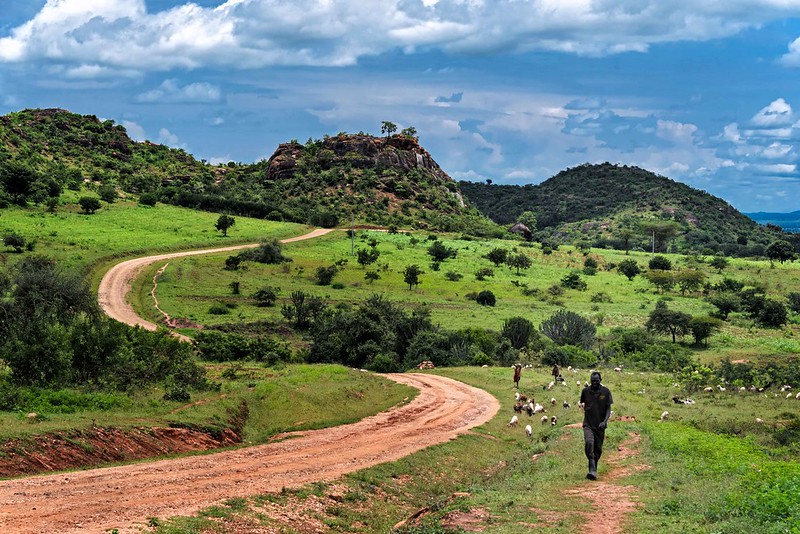
Leopard tortoises are genuinely widespread across East Africa’s savannah parks, including Samburu National Reserve and Uganda’s drier northern parks like Kidepo, though their naturally slow movement and camouflaged shell pattern mean sightings genuinely require attentive scanning rather than expecting an obvious, easily spotted animal.
Best Time of Year for Tortoise Viewing
Leopard tortoises are genuinely most active during cooler morning and evening hours, and visible year-round given their resident status. See our regional best-time guide for how seasonal patterns generally affect wider game viewing.
Photographing Leopard Tortoises
Capturing the species’ genuinely distinctive spotted shell pattern up close offers a rewarding, easily overlooked photographic subject compared to the region’s larger, more commonly photographed wildlife. See our camera gear guide for broader equipment recommendations.
What to Pack for Savannah Wildlife Viewing
Standard game drive gear – neutral clothing, sun protection, and binoculars – covers most of what tortoise spotting requires. If your wider itinerary includes gorilla trekking, our gorilla trekking packing list covers that portion separately.
Why Leopard Tortoises Genuinely Live Considerably Longer Than Most Savannah Animals
Leopard tortoises genuinely possess a lifespan that can exceed 75 years in favourable conditions, considerably longer than most mammals sharing the same savannah habitat, a longevity researchers link directly to the species’ slow metabolism and reduced predation risk once adult shell hardening provides its fuller protective benefit, meaning individual tortoises can genuinely persist through multiple decades of changing environmental conditions within the same home range.
How Tortoises Genuinely Contribute to Seed Dispersal Across the Savannah
As the species moves across considerable home range feeding on fruit and vegetation, leopard tortoises genuinely contribute to seed dispersal, passing viable seeds through their digestive system and depositing them, often germinated more successfully than seeds that haven’t passed through a digestive tract, across a comparatively wide area, a genuine ecological function that makes the species considerably more ecologically important than its slow, understated presence might initially suggest.
Why Shell Growth Rings Genuinely Allow Rough Age Estimation
Much like tree rings, a leopard tortoise’s shell genuinely develops visible growth rings over time, allowing researchers and experienced observers to make a rough age estimate based on ring count and spacing, though environmental conditions affecting growth rate mean this method provides genuinely approximate rather than precise age determination, particularly for older individuals whose earliest rings have often worn down considerably.
Comparing Leopard Tortoise Defence to Pangolin’s Rolling Strategy
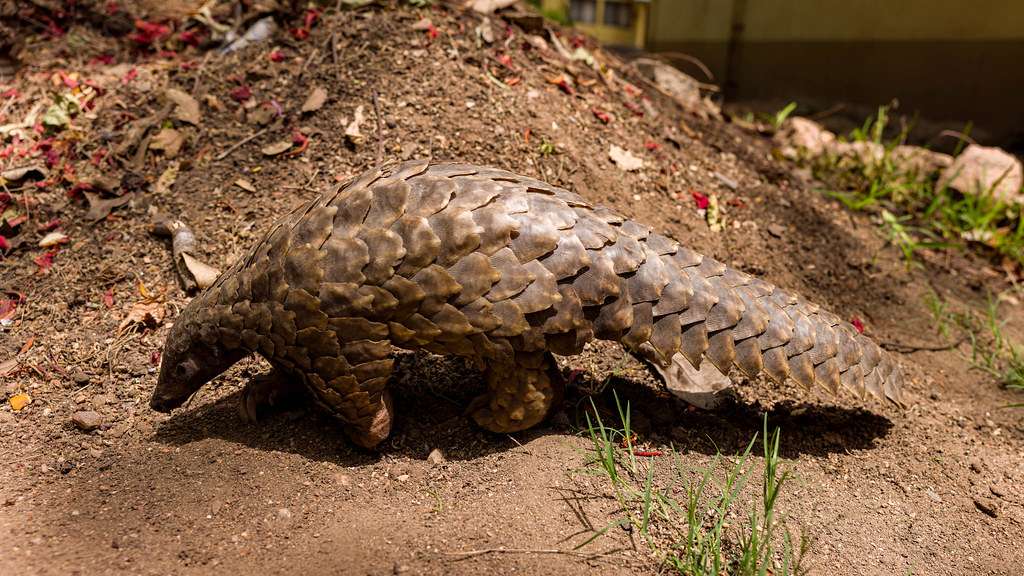
While both species genuinely rely on hard protective covering as a primary defence, the leopard tortoise’s fixed dome shell offers passive, constant protection regardless of posture, unlike the pangolin’s active rolling behaviour, which requires the animal to actively curl into a ball when threatened, a meaningful structural difference between two otherwise broadly comparable armoured-defence strategies found among East African wildlife.
Why Guides Value Pointing Out Tortoises Despite Their Understated Presence
Given how easily a leopard tortoise can be overlooked entirely during a game drive focused on larger, more dramatic wildlife, experienced guides genuinely value stopping to point out a spotted, camouflaged tortoise, adding real appreciation for a species whose considerable longevity and ecological role easily go unnoticed without specific guidance.
Combining Tortoise Viewing With a Wider Savannah Wildlife Circuit
Leopard tortoise sightings pair naturally with a broader savannah-focused itinerary, giving travelers genuine appreciation for East Africa’s often-overlooked smaller and slower-moving wildlife.
Why Tortoise Reproduction Genuinely Relies on a Distinct Nesting Strategy
Female leopard tortoises genuinely dig a nest chamber using their hind legs to bury eggs underground, providing genuine incubation warmth and protection from most predators without requiring any direct maternal presence afterward, a reproductive strategy considerably different from the active parental defence documented in species like ostrich, since tortoise hatchlings must survive entirely independently from the moment they emerge with no parental support whatsoever.
How Tortoise Digestion Genuinely Handles Tough, Fibrous Vegetation
Leopard tortoises genuinely possess a digestive system well suited to breaking down considerably tougher, more fibrous plant material than many other herbivores can efficiently process, including dry grasses and woody vegetation that becomes genuinely more prevalent during dry season conditions, meaning the species can continue feeding effectively even as more nutrient-dense options become scarce across the wider savannah landscape.
Why Fire Resistance Genuinely Matters in Savannah Habitat
Given how frequently East Africa’s savannah experiences natural or deliberately set grass fires, leopard tortoises genuinely rely on their ability to retreat into burrows or dense cover to survive fast-moving fire fronts that would otherwise pose a genuine mortality risk, an adaptive behaviour that, combined with the shell’s inherent heat resistance compared to bare skin, gives the species a real survival advantage during a savannah hazard many faster, more mobile animals simply outrun instead of enduring in place.
How Researchers Track Individual Tortoises Across Considerable Home Ranges
Given how far an individual leopard tortoise can genuinely roam across its lifetime despite its slow movement, researchers studying population dynamics increasingly rely on shell notching and, more recently, small tracking devices to monitor individual movement patterns, data that has revealed considerably larger home ranges than earlier assumptions based on the species’ famously unhurried pace might have suggested, similar in research approach to how wildlife movement tracking has expanded understanding of other East African species.
By retreating into burrows during the hottest hours and remaining active only during cooler morning and evening periods.
Do tortoises need to drink water regularly?
Not necessarily – they derive much of their water needs from moisture in the vegetation and fruit they eat.
How long can leopard tortoises live?
Genuinely over 75 years in favourable conditions, considerably longer than most mammals sharing the same savannah habitat.
Are young tortoises more vulnerable than adults?
Yes, genuinely so – juveniles have softer, less developed shells offering considerably less protection than a full adult shell provides.
Where can I see leopard tortoises on safari?
Samburu National Reserve and Uganda’s drier northern parks both host resident populations, though sightings require attentive scanning.
Ready to Plan Your East Africa Safari?
Whether spotting leopard tortoises, wider savannah wildlife, or a full East Africa itinerary is your priority, our team can build a trip matched to your interests. Get in touch with our team below today and let’s start planning your complete safari itinerary together.
No comment