
Kidepo Valley National Park: A Complete Guide
Kidepo Valley National Park genuinely offers Uganda’s most remote, dramatically scenic safari experience, a rugged, semi-arid wilderness in the country’s far northeast home to species found nowhere else in Uganda, including cheetah and ostrich, set against a backdrop of mountain ranges rising from vast open valley floor.
Why Kidepo’s Remoteness Genuinely Shapes the Entire Experience
Kidepo sits genuinely far from Uganda’s more accessible southwestern safari circuit, a considerable distance that has kept visitor numbers genuinely low compared to parks like Queen Elizabeth or Murchison Falls, meaning travelers who make the journey are rewarded with genuinely uncrowded game viewing and a real sense of wilderness solitude increasingly rare across East Africa’s more established safari destinations.
Why Kidepo Genuinely Hosts Species Found Nowhere Else in Uganda
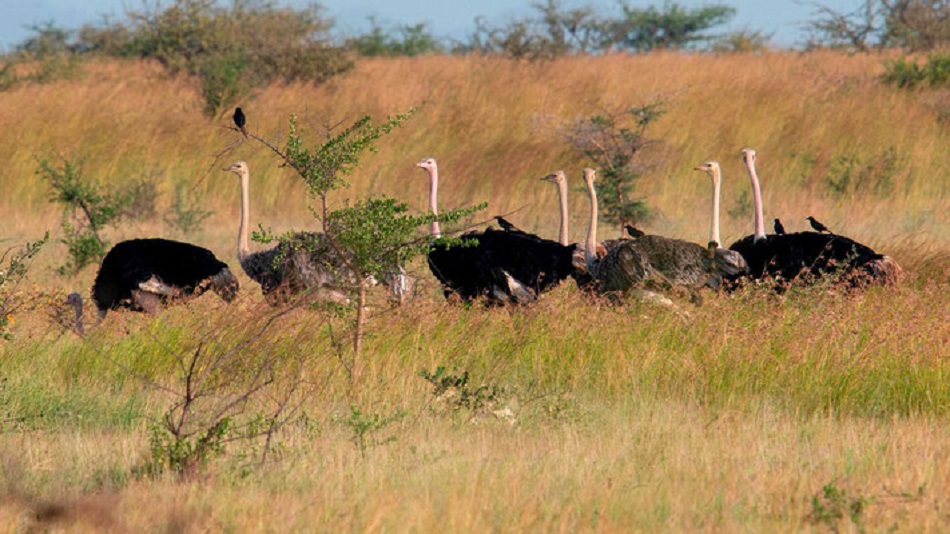
Kidepo’s semi-arid, savannah-and-mountain ecosystem genuinely supports several species found in no other Ugandan park, including cheetah, ostrich, and klipspringer, a genuinely distinctive wildlife community reflecting the park’s more arid, open terrain considerably different from the greener, denser habitat typical of Uganda’s other major parks.
How Kidepo’s Dramatic Mountain Backdrop Genuinely Sets It Apart
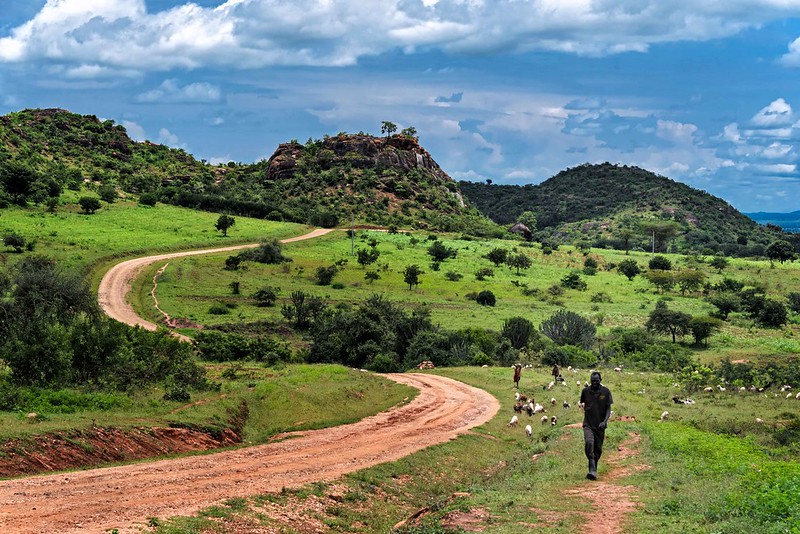
Unlike Uganda’s flatter savannah parks, Kidepo genuinely offers a striking mountainous backdrop, including the Morungole and Napore ranges rising from the valley floor, creating a genuinely dramatic scenic contrast that photographers and landscape-focused travelers specifically seek out, a visual character considerably different from the more uniformly flat terrain found across much of the country’s southern and western safari circuit.
Why Kidepo’s Buffalo and Predator Populations Genuinely Rival Uganda’s Better-Known Parks
Despite its remote location, Kidepo genuinely supports strong resident populations of buffalo, leopard, and lion, giving visitors genuine Big Five potential in a considerably less-visited setting than the country’s more famous parks offer.
How the Narus and Kidepo Valleys Genuinely Offer Complementary Game Viewing
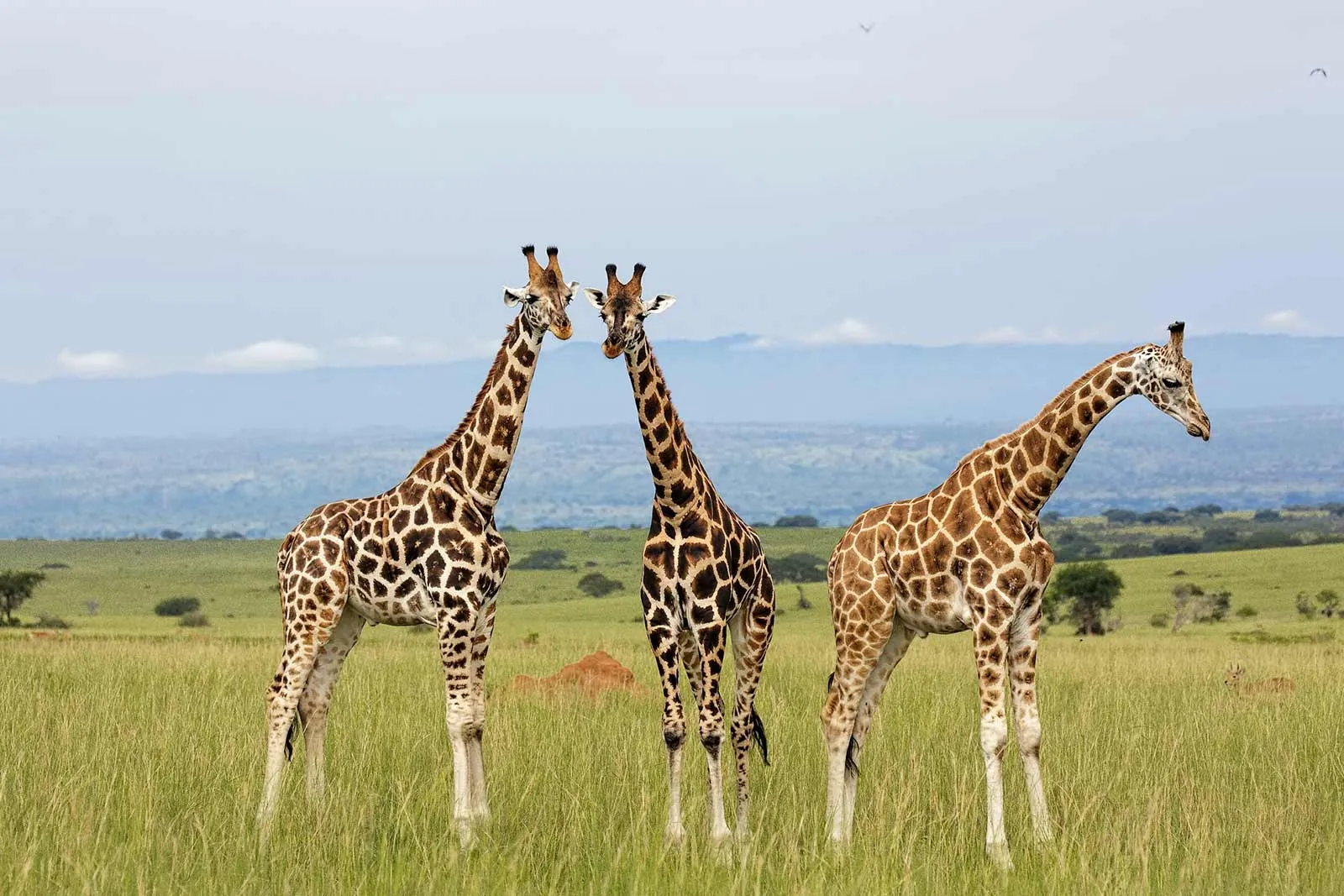
The park’s two main valleys, Narus and Kidepo, genuinely offer somewhat different game-viewing experiences, with Narus Valley typically providing more reliable year-round wildlife concentration around its permanent water sources, while the considerably more seasonal Kidepo Valley offers genuinely striking, dramatic scenery that varies considerably between wet and dry season conditions.
Why Karamojong Cultural Visits Genuinely Add Another Dimension
The Karamojong people inhabiting the region surrounding Kidepo genuinely maintain distinct cultural traditions considerably different from communities found elsewhere in Uganda, and guided visits to local Karamojong villages offer visitors a genuine opportunity to combine wildlife safari with meaningful cultural engagement, adding a dimension many more purely wildlife-focused Uganda parks don’t offer to the same degree.
Best Time of Year to Visit Kidepo
Kidepo offers genuinely strong wildlife viewing during dry season months, when game concentrates most reliably around Narus Valley’s permanent water sources. See our Uganda best-time guide for how the country’s broader seasons shape wider trip planning.
Getting to Kidepo Valley National Park
Given Kidepo’s considerable distance from Kampala, most visitors genuinely reach the park via scheduled flight rather than the lengthy road journey, a practical necessity that also reflects just how remote and undeveloped the surrounding region genuinely remains compared to Uganda’s more accessible southern safari circuit.
Photographing Kidepo’s Mountain Backdrop and Distinctive Wildlife
Capturing cheetah or ostrich against Kidepo’s dramatic mountain scenery offers genuinely unique photographic opportunities unavailable anywhere else in Uganda. See our camera gear guide for broader equipment recommendations.
What to Pack for a Kidepo Safari
Standard game drive gear – neutral clothing, sun protection, and binoculars – covers most of what the park requires, and dust protection genuinely matters given Kidepo’s characteristically dry, arid terrain. If your wider itinerary includes gorilla trekking, our gorilla trekking packing list covers that portion separately.
Why Kidepo’s Isolation Genuinely Requires More Deliberate Trip Planning
Given how considerably more remote Kidepo sits relative to Uganda’s other major parks, visitors genuinely need to allocate sufficient time and budget for either the scheduled flight or considerable road journey required to reach the park, meaning Kidepo generally suits travelers with somewhat more flexible itineraries or those specifically prioritising the park’s unique wildlife and scenery over convenience.
How Kidepo Compares to Kenya’s Samburu for a Remote, Arid-Adapted Safari
Much like Samburu National Reserve in Kenya, Kidepo genuinely offers a considerably more arid-adapted wildlife community and remote atmosphere than East Africa’s more famous savannah parks, though Kidepo’s genuinely dramatic mountain backdrop gives it a distinctly different visual character from Samburu’s riverine terrain, meaning the two destinations, despite sharing a broadly similar remote appeal, offer genuinely distinct scenic experiences.
Why Kidepo’s Bird Diversity Genuinely Surprises First-Time Visitors
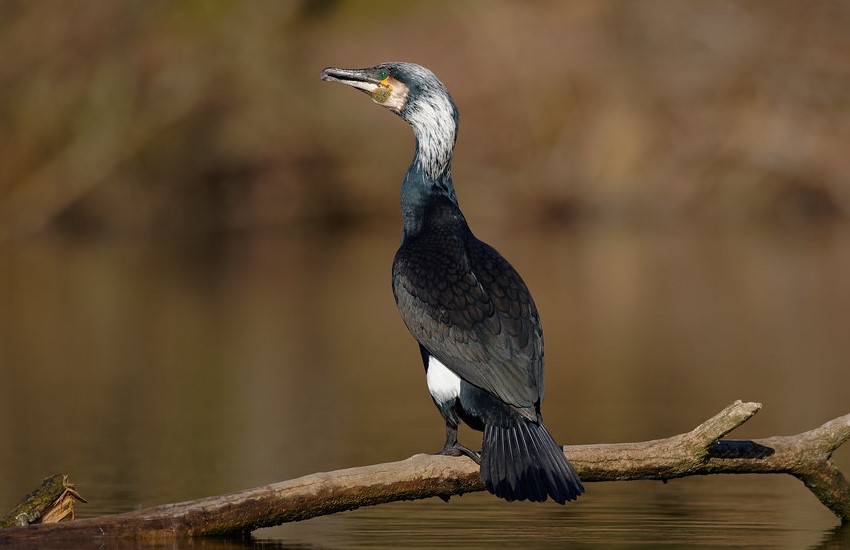
Beyond its headline mammal species, Kidepo genuinely hosts considerable bird diversity reflecting its transitional position between East African savannah and more arid Sahelian habitat further north, giving birders a genuinely distinctive checklist opportunity considerably different from what Uganda’s wetland-focused parks further south typically offer.
Why Guides Value Kidepo’s Genuine Sense of Wilderness
Given how few other vehicles visitors typically encounter during a Kidepo game drive, experienced guides genuinely value the park’s rare combination of strong wildlife density and near-total solitude, an increasingly uncommon pairing across East Africa’s more heavily visited safari circuits.
Why Kidepo’s Predator Sightings Genuinely Benefit From the Park’s Open Terrain
Given how comparatively open Kidepo’s terrain is relative to Uganda’s denser southern parks, predator sightings, particularly the park’s unique resident cheetah population, genuinely benefit from considerably better visibility than the thicker vegetation found elsewhere in the country, meaning game drives focused on tracking predator activity often prove genuinely more productive here despite the park’s overall lower total visitor traffic and correspondingly less concentrated guide knowledge network.
How Kidepo’s Ostrich Population Genuinely Reflects the Park’s Distinct Ecosystem
Kidepo’s resident ostrich population genuinely represents one of the clearest visual markers of just how different the park’s ecosystem is from the rest of Uganda, since ostrich require considerably drier, more open savannah than the country’s wetter southern and western parks typically offer, meaning a Kidepo ostrich sighting genuinely signals arrival into a habitat type found nowhere else within Uganda’s protected area network.
Why Seasonal Water Availability Genuinely Shapes Wildlife Movement Within the Park
Because much of Kidepo’s terrain genuinely dries out considerably during the dry season, wildlife distribution shifts noticeably toward Narus Valley’s more reliable permanent water sources, meaning game viewing strategy within the park genuinely benefits from understanding this seasonal movement pattern, information experienced local guides can use to prioritise which specific areas of the park are likely to offer the most productive sightings during a given visit.
Why Accommodation Options Near Kidepo Remain Genuinely More Limited
Reflecting the park’s remote location and lower visitor numbers, accommodation options around Kidepo genuinely remain considerably more limited than the wider selection available near Uganda’s more established parks, meaning advance booking genuinely matters more here, and discussing current availability directly with your operator well ahead of your planned visit is worth doing given how comparatively few properties currently operate in the immediate area.
Why Kidepo’s History as a Rarely Visited Park Is Genuinely Changing
While Kidepo has genuinely remained one of Uganda’s least visited major parks for decades, largely due to its remote location and historical regional security concerns now considerably improved, growing awareness of its unique wildlife and dramatic scenery has genuinely begun drawing more attention from travelers specifically seeking an alternative to Uganda’s more established southern circuit, meaning the park’s profile is genuinely shifting even as it retains considerably lower visitor density than comparable East African destinations.
Why Combining Kidepo With a Wider Uganda Circuit Genuinely Requires More Time
Given the considerable travel distance and genuine time investment Kidepo requires relative to Uganda’s other, more accessible parks, most well-planned itineraries treat the park as a dedicated addition to a longer overall trip rather than a quick side excursion, meaning travelers with more limited total time available should genuinely weigh whether Kidepo’s unique appeal justifies the additional days needed against simply spending that time more deeply exploring the country’s more accessible southern circuit instead, a genuine trade-off worth discussing openly and quite honestly with your operator during the very earliest initial trip itinerary planning stage.
Frequently Asked Questions
What makes Kidepo different from Uganda’s other national parks?
Its remote, semi-arid terrain hosts species found nowhere else in Uganda, including cheetah and ostrich, set against a dramatic mountain backdrop.
How do I get to Kidepo Valley National Park?
Most visitors reach the park via scheduled flight given the considerable road distance from Kampala.
Which valley offers the best game viewing?
Narus Valley typically provides more reliable year-round wildlife concentration around its permanent water sources.
Can I combine a Kidepo visit with cultural experiences?
Yes – guided visits to local Karamojong villages offer a genuine opportunity to combine wildlife safari with cultural engagement.
When is the best time to visit Kidepo?
Dry season months, when game concentrates most reliably around Narus Valley’s permanent water sources.
Ready to Plan Your Uganda Safari?
Whether Kidepo’s remote wilderness, the country’s better-known southern circuit, or a full Uganda itinerary is your priority, our team can build a trip matched to your interests. Get in touch with our team below today and let’s start planning your complete Uganda safari itinerary together.

No comment