




Why Do Dik-Diks Mate for Life?
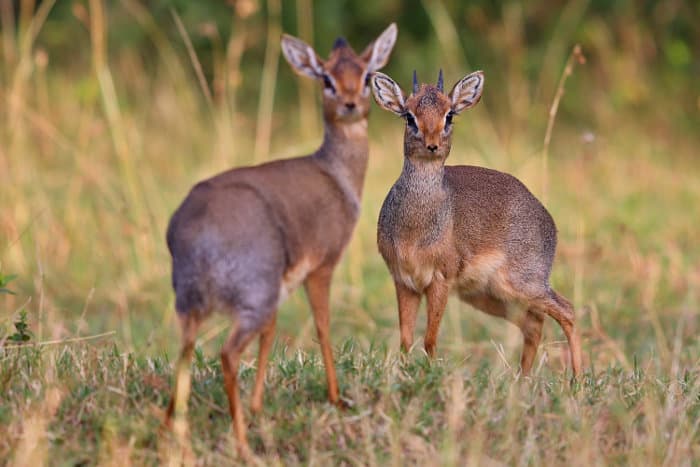
Dik-diks genuinely form monogamous pair bonds that last for life, one of the few African antelope species to do so, with mated pairs sharing and defending a small territory together for years, a genuinely unusual social strategy among antelope that researchers link directly to the species’ diminutive size and the specific predation pressure it faces.
Why Small Size Genuinely Makes Monogamy a More Viable Strategy
Standing barely 40 centimetres at the shoulder, dik-diks are genuinely among the smallest African antelope, and this small size means a single territory can realistically only support one breeding pair rather than the larger harem groups bigger antelope species maintain, meaning monogamous pairing genuinely represents the most efficient reproductive strategy available given how little space and food resource a dik-dik-sized territory can actually sustain.
How Constant Predator Vigilance Genuinely Favours a Permanent Partner
Given their small size, dik-diks face genuine predation pressure from an unusually wide range of predators, including species too small to threaten most other antelope, such as monitor lizard, python, and eagle, alongside the usual larger predators, and researchers believe having a permanent, familiar partner genuinely improves shared vigilance efficiency compared to the alternative of repeatedly establishing trust and coordination with new, unfamiliar partners.
Why Dik-Dik Pairs Genuinely Maintain Such Small, Tightly Defended Territories
A mated dik-dik pair genuinely defends a considerably smaller territory than most other antelope species, sometimes less than five hectares, marked and reinforced through dung middens and a distinctive facial scent gland both partners use consistently, and this genuinely compact territory size reflects the pair’s modest food requirements while still providing enough space and cover to support successful predator avoidance and breeding.
How the Preorbital Scent Gland Genuinely Reinforces the Pair Bond
Dik-diks genuinely possess a distinctive black scent gland just below each eye, used to mark territory boundaries and vegetation throughout their shared range, and researchers believe this consistent scent marking, performed by both partners rather than one dominant individual alone, genuinely helps reinforce and maintain the pair bond itself, not just territorial boundaries, functioning as an ongoing chemical communication channel between two animals that will spend years together.
Why Genuine Fidelity, Not Just Proximity, Defines Dik-Dik Pairing
Unlike some species where “pair living” simply describes two individuals occupying overlapping space without genuine reproductive exclusivity, researchers studying dik-dik reproduction have found genuinely high fidelity within established pairs, with extra-pair mating considerably rarer than in many other socially monogamous species, meaning dik-dik monogamy genuinely functions as true reproductive exclusivity rather than a looser social arrangement that merely resembles pairing from a distance.
How Offspring Are Genuinely Raised Within This Stable Pair Structure
Dik-dik calves genuinely benefit from both parents’ active involvement, with the male taking on considerable vigilance and territorial defence responsibility while the female focuses more on nursing and direct calf care, and once a calf reaches a certain age, typically around six months, it genuinely leaves the parental territory to establish its own, a dispersal pattern that keeps the small parental territory from becoming overcrowded across successive breeding seasons.
Where to Observe Dik-Dik Pair Behaviour in East Africa
Dik-diks are genuinely widespread across East Africa’s drier savannah habitat, including areas within Samburu National Reserve, Amboseli National Park, and Uganda’s Murchison Falls, offering genuine opportunities to observe paired territorial behaviour firsthand.
Best Time of Year for Dik-Dik Viewing
Dik-diks are visible year-round given their resident, territorial pairing. See our regional best-time guide for how seasonal patterns generally affect wider game viewing.
Photographing Dik-Dik Pairs
Capturing a mated pair together, or the distinctive facial scent gland marking behaviour, offers genuinely intimate behavioural photography given how consistently the species is found in bonded pairs rather than larger, harder-to-frame herds. See our camera gear guide for broader equipment recommendations.
What to Pack for Small-Antelope-Focused Game Drives
Standard game drive gear – neutral clothing, sun protection, and binoculars – covers most of what dik-dik viewing requires, and binoculars genuinely matter more here given the species’ small size and tendency to remain in dense cover. If your wider itinerary includes gorilla trekking, our gorilla trekking packing list covers that portion separately.
Why Dik-Diks Genuinely Rely on a Distinctive Zigzag Flight Pattern When Threatened
When startled, dik-diks genuinely flee in a distinctive rapid zigzag pattern through dense cover rather than sprinting in a straight line, a defensive strategy that plays to the species’ small size and agility advantage over most pursuing predators, and this erratic flight typically ends with the pair freezing motionless in cover rather than continuing to run once sufficient distance has been established.
How Dik-Dik Widowhood Genuinely Affects Surviving Partners
When one member of a mated pair dies, researchers have found the surviving individual genuinely doesn’t always immediately pair with a new partner, sometimes remaining unpaired for an extended period, a pattern that suggests the bond itself carries genuine behavioural weight beyond pure reproductive convenience, though eventually most surviving dik-diks do establish a new pair bond and territory given the clear reproductive and survival advantages pairing provides.
Why Water Independence Genuinely Shapes Dik-Dik Habitat Selection
Dik-diks genuinely derive most of their water needs directly from the moisture content of the vegetation they eat, allowing pairs to establish territory considerably further from permanent water sources than most other antelope species require, a genuine physiological adaptation that expands the range of viable habitat available to the species across East Africa’s drier, more marginal savannah terrain.
Comparing Dik-Dik Monogamy to Oribi’s Similar Pairing Strategy
Much like oribi, another small African antelope that pairs monogamously rather than forming larger herds, dik-diks genuinely arrived at a broadly similar social solution independently, suggesting small body size and correspondingly compact territory requirements consistently favour pair-based social structure across multiple unrelated antelope lineages facing genuinely similar ecological pressures.
Why Guides Value Explaining Dik-Dik Pairing to Visitors
Given how easy it is to overlook such a small species during a game drive focused on larger wildlife, experienced guides genuinely value pointing out a mated dik-dik pair and explaining the species’ unusual lifelong fidelity, adding real appreciation for a genuinely distinctive social strategy easily missed without specific guidance.
Combining Dik-Dik Viewing With a Wider Small-Antelope Circuit
Dik-dik pair viewing pairs naturally with a broader small-antelope-focused itinerary covering other diminutive species within the same overall trip, giving travelers genuine appreciation for East Africa’s often-overlooked smaller wildlife.
Why Dik-Dik Digestive Efficiency Genuinely Supports Such a Compact Territory
Dik-diks genuinely practice selective browsing, carefully choosing the most nutrient-dense leaves, shoots, and fruit rather than grazing indiscriminately the way larger antelope often do, a feeding strategy that lets a pair extract sufficient nutrition from a genuinely small home range without needing to range widely, directly supporting the compact territory size that makes lifelong pairing such a viable reproductive strategy in the first place.
How Dik-Dik Alarm Calls Genuinely Differ From Larger Antelope Warning Systems
Rather than relying on visible group vigilance the way herd-forming antelope do, a mated dik-dik pair genuinely depends on a distinctive high-pitched whistling alarm call to warn its partner of approaching danger, a call researchers believe carries specific enough acoustic information that the receiving partner can adjust its escape response based on the call’s exact pitch and repetition pattern rather than simply reacting to any generic alarm sound, a specificity somewhat comparable to how vervet monkey alarm calls carry distinct, predator-specific meaning rather than functioning as one undifferentiated warning signal.
Why Dik-Dik Naming Genuinely Comes From Their Own Alarm Call
The species’ distinctive name genuinely derives directly from the sound of its own alarm whistle, a repeated, genuinely distinctive “zik-zik” or “dik-dik” call that early observers found so unusual it became the animal’s common name across multiple different regional languages spoken throughout its range, a genuinely rare case indeed of a species being named directly after its own distinctive vocalisation rather than any physical feature or particular habitat characteristic.
Frequently Asked Questions
Do dik-diks really mate for life?
Yes, genuinely so – mated pairs share and defend a small territory together for years, with considerably higher fidelity than many other socially monogamous species.
Why did dik-diks evolve monogamy instead of forming herds?
Their small size means a single territory can realistically only support one breeding pair rather than a larger harem group.
What is the black gland below a dik-dik’s eye for?
A scent gland used by both partners to mark territory boundaries, helping reinforce both the territory and the pair bond itself.
Do dik-diks need to drink water regularly?
Not necessarily – they derive most water needs from the vegetation they eat, allowing territory further from permanent water sources.
Where can I see dik-dik pairs on safari?
Samburu National Reserve and Uganda’s Murchison Falls both offer genuine opportunities to observe paired territorial behaviour.
Ready to Plan Your East Africa Safari?
Whether observing dik-dik pair behaviour firsthand, wider small-antelope viewing, or a full East Africa itinerary is your priority, our team can build a trip matched to your interests. Get in touch with our team below today and let’s start planning your complete safari itinerary together.




No comment