
Samburu National Reserve: A Complete Guide
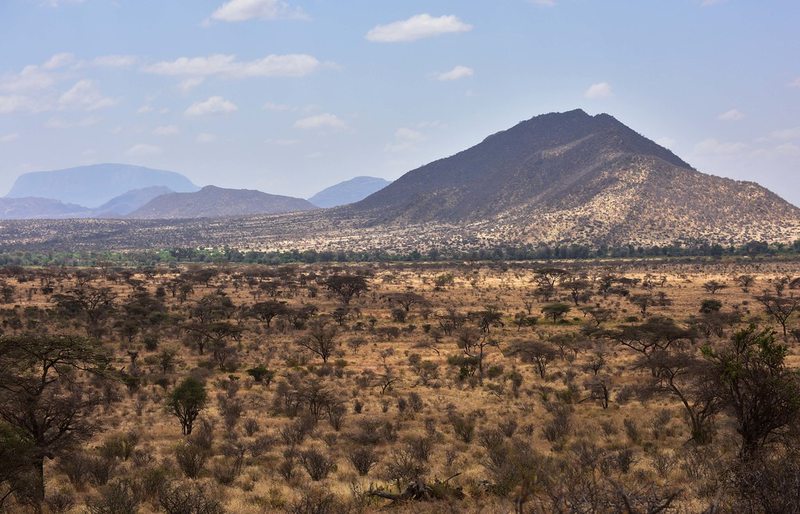
Samburu National Reserve genuinely offers something few other East African destinations can, a rugged, semi-arid landscape home to the “Samburu Special Five,” a distinctive group of arid-adapted species found here and in few other places, combined with strong resident predator populations and the scenic Ewaso Nyiro River cutting through genuinely striking northern Kenya terrain.
What Makes the “Samburu Special Five” Genuinely Unique
Samburu is genuinely famous for hosting five distinctive species adapted specifically to arid, semi-desert conditions and rarely seen together in more typical East African savannah parks: Grevy’s zebra, reticulated giraffe, Somali ostrich, gerenuk, and beisa oryx, a genuinely specialised wildlife community that sets Samburu apart from the more commonly featured Big Five focus most first-time visitors expect from a Kenya safari.
Why Grevy’s Zebra Genuinely Differs From the More Common Plains Zebra
Grevy’s zebra, genuinely the largest and most endangered of Africa’s three zebra species, displays considerably narrower, more tightly packed stripes than the plains zebra found across most of East Africa, along with genuinely larger, more rounded ears, and Samburu represents one of the most reliable places anywhere to observe this increasingly rare species given its severely restricted remaining range.
How the Gerenuk’s Genuinely Unusual Feeding Posture Sets It Apart
The gerenuk, sometimes called the giraffe-necked antelope, genuinely feeds by standing upright on its hind legs to reach higher branches most other antelope species simply cannot access, a distinctive, almost bipedal feeding posture that makes this genuinely unusual species one of Samburu’s most visually memorable sightings for first-time visitors unfamiliar with the behaviour.
Why the Ewaso Nyiro River Genuinely Anchors the Reserve’s Wildlife
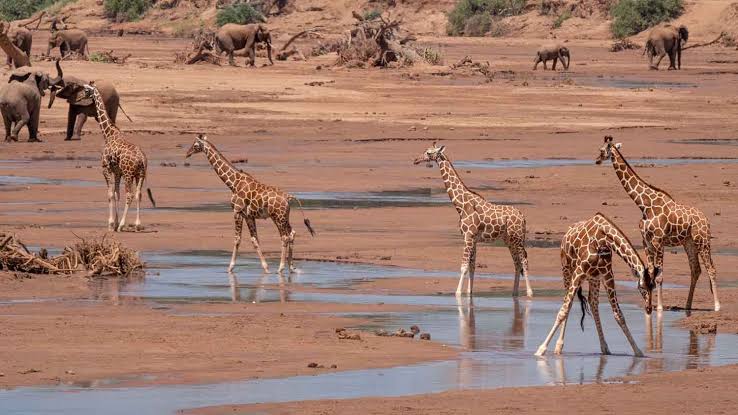
Despite Samburu’s genuinely arid surrounding terrain, the Ewaso Nyiro River provides a permanent, reliable water source that concentrates wildlife densely along its banks, meaning game viewing here often proves considerably more predictable than the surrounding dry landscape might suggest, with elephant, buffalo, and predators all genuinely drawn to the river’s consistent water and riverine vegetation.
What Predators Samburu Genuinely Offers
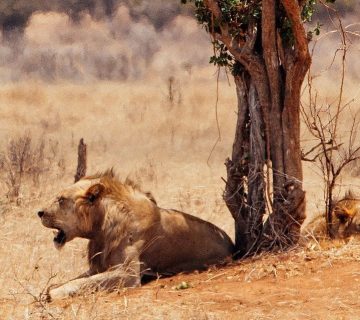
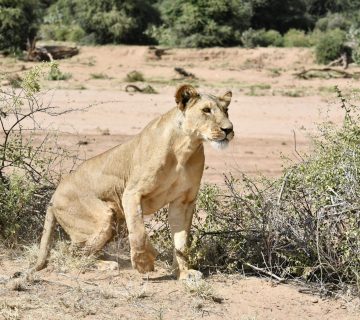
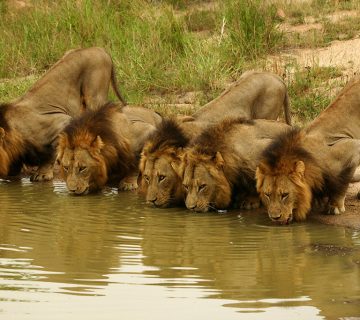
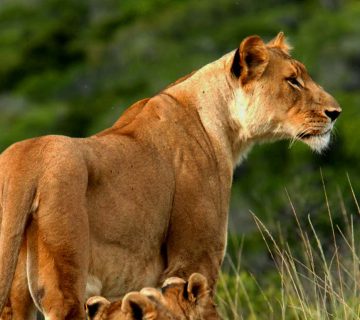
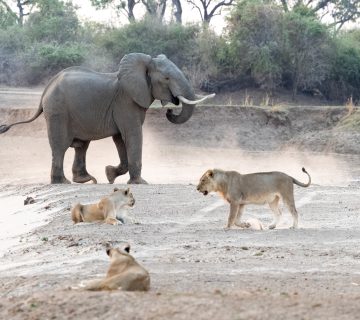
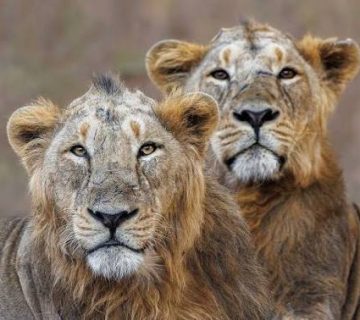
Beyond its distinctive Special Five, Samburu genuinely supports strong resident lion, leopard, and cheetah populations, with the reserve’s more open, arid terrain often providing genuinely excellent visibility for predator sightings compared to denser habitat found elsewhere, making Samburu a strong destination for predator-focused photography specifically.
Best Time of Year to Visit Samburu
Samburu offers genuinely strong wildlife viewing year-round given the Ewaso Nyiro River’s reliable water source, though dry season months typically concentrate game most densely along the riverbank. See our regional best-time guide for how East Africa’s broader seasonal patterns affect wider trip planning.
Getting to Samburu National Reserve
Samburu sits in genuinely more remote northern Kenya territory than parks like the Maasai Mara or Amboseli, typically reached via a scheduled flight from Nairobi or a considerably longer road journey, making the reserve genuinely better suited to travelers with more flexible time or those specifically prioritising its unique wildlife community over convenience.
Photographing Samburu’s Special Five and Arid Landscape
Capturing Grevy’s zebra’s distinctive stripe pattern or a gerenuk feeding upright offers genuinely unique photographic opportunities unavailable at most other East African destinations. See our camera gear guide for broader equipment recommendations.
What to Pack for a Samburu Safari
Standard game drive gear – neutral clothing, sun protection, and binoculars – covers most of what the reserve requires, and dust protection genuinely matters given Samburu’s characteristically dry, arid terrain. If your wider itinerary includes gorilla trekking, our gorilla trekking packing list covers that portion separately.
Why the Reticulated Giraffe Genuinely Stands Out From Other Giraffe Subspecies
Reticulated giraffe, one of Samburu’s Special Five, genuinely display a considerably more defined, geometric net-like coat pattern than the Masai giraffe more commonly seen further south, with sharp white lines creating a distinctive polygon pattern against a rich chestnut-brown background, a visually striking subspecies that photographers genuinely seek out specifically for this distinctive coat variation.
How the Beisa Oryx’s Considerable Heat Tolerance Genuinely Suits Samburu’s Climate
The beisa oryx, genuinely equipped with a specialised physiological cooling system that allows body temperature to rise safely without triggering excessive water loss through sweating, represents a genuinely remarkable adaptation to Samburu’s hot, arid conditions, allowing the species to remain active during daylight hours when many other herbivores would need to seek shade or reduce activity considerably.
Why Samburu Community Involvement Genuinely Shapes Conservation Success
The surrounding Samburu community genuinely plays a direct role in the reserve’s conservation and management, with local involvement in tourism revenue and wildlife protection efforts helping maintain the delicate balance between community livelihoods and habitat preservation across this considerably more remote, less internationally famous corner of Kenya’s protected area network.
Comparing Samburu to the Maasai Mara for a Kenya Itinerary
Where the Maasai Mara offers genuinely unmatched predator density and migration drama, Samburu’s core strength lies specifically in its unique, arid-adapted Special Five species and considerably more remote, uncrowded atmosphere, meaning many well-planned Kenya itineraries genuinely combine both destinations, or pair Samburu with Amboseli’s elephant-focused viewing, to capture each region’s genuinely distinct wildlife community within a single broader trip.
Why Samburu’s Elephant Population Genuinely Offers Distinctive Viewing
Samburu’s resident elephant families, well studied through long-running local research programmes, genuinely display the same complex matriarchal social structure documented elsewhere in East Africa, though set against Samburu’s distinctly arid, riverine backdrop rather than the greener savannah typical of destinations further south, giving photographers and researchers alike a genuinely different visual and behavioural context for observing otherwise familiar elephant family dynamics.
How Samburu’s Predator Sightings Genuinely Benefit From the Terrain’s Openness
Samburu’s comparatively sparse vegetation cover means leopard sightings, typically among the hardest of the Big Five to reliably observe elsewhere, genuinely occur with somewhat greater frequency here than in denser habitat, since the reserve’s more open riverine woodland and rocky outcrops offer fewer places for the naturally elusive cat to disappear entirely from view compared to thicker forest terrain.
Why Samburu’s Cultural Heritage Genuinely Adds Another Dimension to a Visit
Beyond wildlife viewing, the surrounding Samburu people’s distinctive cultural traditions, closely related to Maasai heritage but genuinely maintaining their own distinct customs and language, offer visitors a genuine opportunity to combine wildlife safari with cultural visits to local villages, adding a dimension many more purely wildlife-focused Kenya parks don’t offer to the same degree.
How Samburu’s Remote Location Genuinely Affects Trip Planning
Given its considerably more remote northern location relative to Nairobi, Samburu genuinely requires somewhat more deliberate advance itinerary planning than parks positioned closer to the capital, with most visitors choosing between a scheduled flight for time efficiency or a longer scenic road journey for those wanting to see more of Kenya’s changing landscape en route, a genuine trade-off worth discussing directly with your operator when planning trip length.
Why Somali Ostrich Genuinely Differs From the More Widely Recognised Common Ostrich
The Somali ostrich, one of Samburu’s Special Five, genuinely displays a distinctive blue-grey neck and legs during breeding season rather than the pink tones associated with the more widely recognised common ostrich found across much of the rest of East Africa, a genuinely visible taxonomic distinction that was only formally recognised as a separate species relatively recently, reflecting how much remains actively studied even among well-known African wildlife.
Why Buffalo Springs and Shaba Genuinely Extend the Broader Samburu Ecosystem
Samburu National Reserve sits alongside two adjoining reserves, Buffalo Springs and Shaba, together forming a genuinely larger connected ecosystem sharing the same Ewaso Nyiro River corridor and broadly similar wildlife community, meaning visitors aren’t limited purely to Samburu’s own boundaries but can genuinely access considerably more combined protected habitat through a single well-planned itinerary covering all three adjoining reserves without needing to relocate lodges or camps between them.
Why Discussing Current Wildlife Activity With Your Operator Genuinely Matters Here
Given how much Samburu’s more specialised, arid-adapted wildlife community differs from the standard Big Five focus most travelers expect, discussing your specific interest in the Special Five species directly with your operator before finalising an itinerary genuinely helps ensure your guide prioritises the right search areas and timing, since these species require somewhat more targeted knowledge to reliably locate than more universally common savannah wildlife.
Frequently Asked Questions
What is the “Samburu Special Five”?
Five arid-adapted species found here and in few other places: Grevy’s zebra, reticulated giraffe, Somali ostrich, gerenuk, and beisa oryx.
What makes the gerenuk’s feeding behaviour unusual?
It stands upright on its hind legs to reach higher branches most other antelope species simply cannot access.
How is Grevy’s zebra different from the more common plains zebra?
It’s genuinely larger, more endangered, with considerably narrower, more tightly packed stripes and larger, rounded ears.
Does Samburu have good predator viewing too?
Yes – strong resident lion, leopard, and cheetah populations, with the reserve’s open terrain often providing excellent visibility.
How do I get to Samburu National Reserve?
Typically via a scheduled flight from Nairobi, or a considerably longer road journey given the reserve’s more remote northern location.
Ready to Plan Your Kenya Safari?
Whether Samburu’s unique Special Five, the Maasai Mara’s migration, or a full Kenya itinerary is your priority, our team can build a trip matched to your interests. Get in touch with our team below today and let’s start planning your complete Kenya safari itinerary together.

No comment