
How Cheetahs Avoid Overheating During a Chase
A hunting cheetah’s body temperature genuinely rises to dangerous levels within seconds of reaching top speed, a physiological challenge so severe that overheating, rather than exhaustion alone, is one of the primary reasons a chase rarely extends beyond a few hundred metres before the cat must abandon pursuit.
Why Speed Creates Such a Genuine Overheating Problem
Generating the explosive muscular power required to reach speeds well over 100 kilometres per hour produces genuinely enormous heat within a cheetah’s body, considerably more than the animal’s cooling systems can dissipate during the short, intense burst of a hunt. This physiological reality means a cheetah is effectively racing against its own rising body temperature as much as against its intended prey.
How Close Cheetah Come to Dangerous Body Temperatures
Research measuring cheetah body temperature during hunts has documented genuinely significant increases within just the first minute of a chase, approaching levels that would risk serious physiological damage if sustained for much longer, explaining why cheetah must abandon an unsuccessful chase relatively quickly rather than continuing to pursue prey over greater distance.
Why Cheetah Can’t Simply Run Longer
Unlike endurance-based predators that can sustain a pursuit over considerable distance, a cheetah’s entire hunting strategy is built around a genuinely brief, explosive burst rather than sustained speed, meaning the overheating risk isn’t simply an unfortunate side effect but a fundamental physiological limitation built into the species’ entire evolutionary approach to hunting.
The Recovery Period After a Hunt
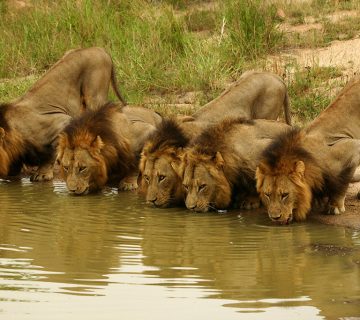
Following a chase, whether successful or not, cheetah require a genuinely extended recovery period, often twenty minutes or more, to allow body temperature and heart rate to return to normal levels before feeding or resuming other activity. This recovery vulnerability, when a cheetah is genuinely too exhausted and overheated to defend a fresh kill, is part of why cheetah frequently lose kills to lion and hyena during this critical window.
Physical Adaptations That Help Manage Heat
Cheetah possess genuinely enlarged nasal passages and lungs relative to body size, adaptations that support the rapid oxygen exchange needed during a sprint while also aiding some degree of heat dissipation through increased airflow, though these adaptations alone cannot fully offset the dramatic heat generated during a full-speed chase.
Why This Limitation Shapes Cheetah Hunting Strategy
Given the genuine overheating risk, cheetah hunt almost exclusively during daylight hours when they can rely on keen eyesight to carefully select a genuinely favourable moment to attack, minimising the distance and duration of the actual chase itself rather than relying on opportunistic pursuit that might extend beyond a safe physiological limit.
Where to Observe Cheetah Hunting Behaviour
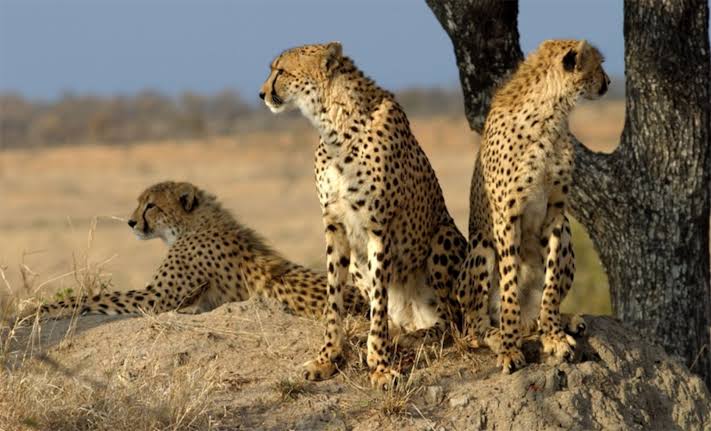
Cheetah hunting behaviour, including the careful stalking phase preceding a genuine chase, can be observed across East Africa’s major cheetah destinations, including the Serengeti, the Masai Mara, and Amboseli, each offering genuine opportunities to witness this physiologically demanding hunting strategy firsthand.
Best Time of Year for Cheetah Hunting Observation
Cheetah hunting activity occurs year-round given their daytime hunting pattern, though the wildebeest migration’s calving season offers particularly concentrated activity in the Serengeti-Mara ecosystem. See our regional best-time guide for how East Africa’s seasonal patterns generally affect wider game viewing.
Photographing a Cheetah Chase
Capturing the full sequence of a cheetah hunt, from careful stalk through explosive chase, offers one of Africa’s more genuinely dramatic wildlife photography opportunities. A telephoto lens with a fast shutter speed is essential for freezing motion, similar to the gear recommended in our camera gear guide.
What to Pack for Cheetah-Focused Game Drives
Standard game drive gear – neutral clothing, sun protection, and binoculars – covers most of what cheetah viewing requires. If your wider itinerary includes gorilla trekking, our gorilla trekking packing list covers that portion separately.
Why This Physiological Limit Matters for Conservation
Understanding cheetah’s genuine physiological constraints has real conservation relevance, informing research into how habitat fragmentation and increased vehicle disturbance during hunts might compound the species’ already narrow margin for successful, safe hunting within their limited physical capacity.
How Researchers Actually Measure Cheetah Body Temperature
Scientists studying cheetah thermoregulation during hunts have used genuinely innovative methods, including implanted temperature-logging devices and infrared thermal imaging, to track exactly how quickly and how high body temperature rises during a real chase in the field. These studies have provided considerably more precise data than earlier assumptions based purely on observed chase duration and behaviour alone.
Why Cheetah Prioritise Stalking Over Pure Speed
Given the genuine physiological cost of a full-speed chase, cheetah invest considerable time in the careful stalking phase preceding an attack, using cover and patience to close the distance to prey as much as possible before committing to the genuinely costly sprint itself. This preparation-heavy approach reflects a hunting strategy built around minimising chase distance rather than simply relying on raw speed alone.
The Trade-Off Between Speed and Endurance
Cheetah represent one of evolution’s more extreme trade-offs between speed and endurance, sacrificing the sustained stamina other predators like African wild dogs rely on for genuinely explosive, if physiologically costly, short-burst speed instead. This specialisation makes cheetah uniquely vulnerable to losing kills during their extended recovery period, a genuine competitive disadvantage compared to more balanced predator strategies.
How Heat Stress Affects Cheetah Cub Training
Young cheetah learning to hunt under a mother’s guidance must gradually develop tolerance and awareness of their own physiological limits, with early practice hunts genuinely helping cubs learn when to abandon a chase before overheating becomes dangerous, a critical survival skill that takes considerable time and experience to fully develop.
Comparing Cheetah Thermoregulation to Other African Cats
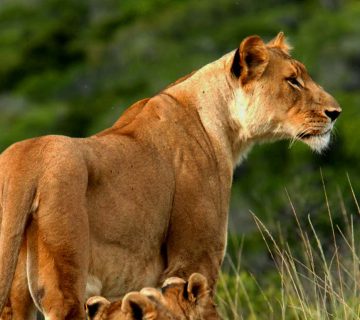
Unlike lion and leopard, which can sustain more prolonged physical exertion during a hunt or confrontation, cheetah’s genuinely specialised lightweight build and speed-focused anatomy leave them considerably more vulnerable to overheating, a trade-off that shapes nearly every aspect of their distinct hunting behaviour compared to Africa’s other big cats.
What This Means for a Successful Hunt
Given the genuine time pressure created by overheating risk, a cheetah’s hunting success depends heavily on selecting the right moment to attack, meaning many stalking sequences end without any chase at all if the cat judges the odds of a quick, successful capture insufficient to justify the physiological cost involved.
Why Guides Value Explaining This Physiological Detail
Experienced guides who take time to explain the genuine overheating risk behind a cheetah’s brief chase help travelers appreciate unsuccessful hunts, which are actually more common than successful ones, as a genuinely rational, deliberate physiological decision rather than simple failure, reframing entirely how visitors interpret what might otherwise seem like a disappointing, unsuccessful outcome overall.
Why an Unsuccessful Hunt Isn’t a Failed One
Given how genuinely costly overheating can become, a cheetah abandoning a chase partway through often represents a genuinely sound survival decision rather than a failure, since continuing to pursue prey at the risk of dangerous overheating could threaten the cat’s own survival far beyond the immediate cost of one missed meal.
What to Watch for During a Stalking Sequence
Before any chase begins, watching a cheetah’s careful, low-crouched stalking approach, tail twitching and body tensed, offers genuinely compelling behavioural viewing in its own right, often extending over many long minutes of patient positioning before the brief, explosive chase itself even genuinely begins at all.
Getting to East Africa’s Best Cheetah-Viewing Parks
Most itineraries reach the Serengeti and Masai Mara via road or scheduled flight from their respective regional hubs, with open-plains destinations genuinely offering the strongest overall odds of witnessing both the stalking phase and, with some genuine luck, a full complete chase sequence.
A Genuinely Rare Sight Worth Waiting For
Given how brief and physiologically costly a full chase actually is, witnessing one from start to finish remains genuinely uncommon even across a longer multi-day safari, making a genuinely successful, complete sighting feel appropriately rare, hard-won, and considerably more memorable as a result.
Frequently Asked Questions
Why can’t cheetah sustain their top speed for longer?
Generating explosive speed produces genuinely dangerous levels of body heat that the animal cannot safely sustain beyond a brief, intense burst.
How long does a cheetah need to recover after a chase?
Often twenty minutes or more, a vulnerable recovery period during which cheetah frequently lose kills to larger competing predators.
Do cheetah hunt at night to avoid overheating?
No, they hunt almost exclusively during daylight, relying on careful visual stalking to minimise chase distance and duration.
Where can I see cheetah hunting behaviour on safari?
The Serengeti, Masai Mara, and Amboseli all offer genuine opportunities to witness this physiologically demanding hunting strategy.
Do cheetah’s physical adaptations fully solve the overheating problem?
No, genuinely not – enlarged nasal passages and lungs help somewhat, but cannot fully offset the heat generated during a full-speed chase.
Ready to Plan Your East Africa Safari?
Whether witnessing cheetah hunting behaviour firsthand, the wildebeest migration, or a full East Africa itinerary is your priority, our team can build a trip matched to your interests. Get in touch with our team below today and let’s start planning your complete safari itinerary together.

No comment