


Klipspringers of Kidepo Valley National Park
Klipspringers balance on Kidepo Valley National Park’s rocky outcrops with genuinely remarkable precision, their specialised hooves and compact frame allowing them to navigate near-vertical terrain that would be impossible for almost any other antelope species found across East Africa.
A Genuinely Specialised Rock-Dwelling Antelope
Klipspringers, whose name derives from the Afrikaans for “rock jumper,” are genuinely unique among East African antelope for their specialised adaptation to rocky, mountainous terrain rather than open grassland or woodland. Kidepo’s dramatic rocky outcrops and kopjes, scattered across the park’s otherwise rugged savannah landscape, provide exactly the specialised habitat klipspringers depend on.
The Klipspringer’s Remarkable Hoof Adaptation
A klipspringer’s hooves are genuinely unlike those of any other African antelope, cylindrical and blunt rather than the typical pointed hoof shape, an adaptation that provides exceptional grip and stability on rock surfaces. This specialised hoof structure allows klipspringers to stand on remarkably small footholds, sometimes balancing on an area barely larger than a coin, with genuinely astonishing confidence and precision.
Where to Find Klipspringers in Kidepo
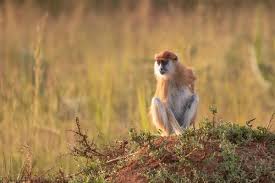
Klipspringers favour Kidepo’s rocky kopjes and outcrops scattered across the Narus and Kidepo valleys, often seen standing motionless atop a prominent rock, surveying the surrounding terrain for predators. Their genuinely distinctive rocky habitat preference sets them apart from the grassland species most visitors expect to see during a standard game drive.
Klipspringer Social Structure and Monogamy
Klipspringers form genuinely long-term monogamous pairs that maintain and defend a shared rocky territory together, a mating system relatively unusual among African antelope and reflecting the specialised, limited nature of suitable rocky habitat available within their range. Pairs are frequently seen standing close together, taking turns watching for approaching danger while the other feeds.
Why Klipspringers Stand on Their Toes
Klipspringers walk and stand genuinely on the very tips of their hooves, an unusual posture among antelope that maximises stability and precision on uneven rock surfaces while also allowing genuinely rapid, agile movement across terrain that would be treacherous for a flatter-footed animal. This distinctive stance is immediately recognisable once you know what to look for.
Klipspringers and Kidepo’s Wider Wildlife
Klipspringers share Kidepo’s dramatic landscape with the park’s leopard population, given leopard’s own preference for rocky, elevated terrain, though klipspringers’ genuinely exceptional agility and vigilance help them persist successfully despite this shared predator pressure.
Best Time of Year for Klipspringer Sightings
Klipspringers are visible in Kidepo year-round given their resident, territorial status, making seasonal timing genuinely less critical than for many other Uganda wildlife sightings. See our Uganda best-time guide for how the country’s broader dry and wet seasons still affect wider trip planning.
Self-Drive vs Guided Safaris for Klipspringer Viewing
Locating klipspringers genuinely benefits from guide knowledge of which specific rocky outcrops currently hold resident pairs, given how effectively their still, motionless posture can blend into the surrounding rock formations. Most visitors combine Kidepo with a wider guided Uganda itinerary given the park’s genuine remoteness.
Photographing Kidepo’s Klipspringers
A klipspringer perched confidently atop a rocky outcrop, silhouetted against Kidepo’s dramatic mountainous backdrop, offers one of the park’s genuinely more striking photographic compositions. A mid-range zoom covers most sightings comfortably, similar to the gear recommended in our camera gear guide.
What to Pack for a Kidepo Safari
Standard game drive gear – neutral clothing, sun protection, and binoculars – covers most of what the park requires. If your wider itinerary includes gorilla trekking, our gorilla trekking packing list covers that portion separately.
Why Kidepo’s Terrain Suits Klipspringers So Well
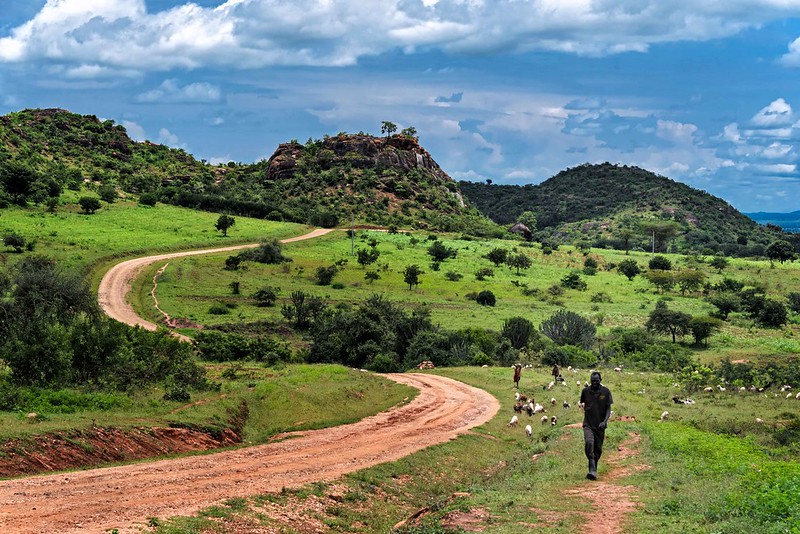
Kidepo’s genuinely rugged, mountainous landscape, dramatically different from Uganda’s more typically forested or wetland-dominated parks, provides the specific rocky habitat klipspringers require in a way few other Ugandan protected areas can match, making Kidepo one of the country’s more reliable klipspringer destinations.
Combining Klipspringer Viewing With Kidepo’s Wider Wildlife
Klipspringer sightings complement Kidepo’s elephant and buffalo populations, along with its genuinely remote, dramatic scenery, rounding out one of Uganda’s most distinctive, off-the-beaten-path wildlife destinations.
Getting to Kidepo Valley National Park
Kidepo sits in Uganda’s far northeastern corner, genuinely remote from the country’s standard southwestern tourism circuit, best reached via scheduled flight from Entebbe given the genuinely considerable road distance and travel time involved from Kampala itself.
Klipspringer Escape and Jumping Ability
Beyond their specialised hooves, klipspringers possess genuinely powerful hindquarters allowing explosive vertical leaps between rocky ledges when startled, a jumping ability that makes them remarkably difficult for predators to pursue across their preferred broken, uneven terrain. This combination of grip and leaping power gives klipspringers a genuine survival advantage within their specialised rocky niche despite their small overall size.
Calving and Early Life on Rocky Terrain
Klipspringer calves are hidden among rocky crevices for their first weeks of life, a concealment strategy well suited to their parents’ rocky territory, with the mother visiting periodically to nurse rather than keeping the calf in constant close proximity. This hiding strategy, combined with the naturally difficult terrain surrounding most klipspringer territories, genuinely improves calf survival odds against ground-based predators unable to easily navigate the same rocky ground.
Klipspringer Scent Marking and Territorial Behaviour
Klipspringer pairs maintain their shared territory through genuinely regular scent marking using a specialised pre-orbital gland near the eye, depositing scent on twigs and rocks throughout their home range to signal territorial boundaries to neighbouring pairs. This consistent marking behaviour helps minimise direct territorial conflict between established pairs occupying adjacent rocky outcrops.
Why Klipspringers Rarely Descend to Open Ground
Klipspringers genuinely minimise time spent on open, flat ground, where their specialised rocky-terrain adaptations offer no particular advantage and where they become considerably more vulnerable to predators like lion and hyena that dominate open savannah hunting. This behavioural caution reinforces just how completely klipspringers have adapted their entire lifestyle around rocky habitat specifically.
Comparing Kidepo’s Klipspringers to Other East African Populations
While klipspringers occur across scattered rocky habitat throughout East Africa, Kidepo’s genuinely extensive network of kopjes and rocky outcrops gives the park one of Uganda’s strongest, most reliable klipspringer populations, comparable in habitat suitability to rocky destinations found in Tanzania’s Moru Kopjes further south.
Why Kidepo’s Remoteness Rewards Genuinely Patient Travelers
Kidepo’s genuine distance from Uganda’s standard tourism circuit means considerably fewer visitors overall, translating into quieter, more exclusive game drives and a genuinely rewarding sense of discovery when locating species like klipspringers that require real patience and guide expertise to find reliably.
Best Lodges for Klipspringer and Rocky Terrain Viewing
Properties positioned near Kidepo’s Narus Valley genuinely simplify logistics for travelers specifically prioritising klipspringer and wider rocky-terrain wildlife viewing, cutting down on drive time before and after game drives. Discussing current sighting locations directly with your operator, alongside the park’s leopard activity, is genuinely worth doing before finalising your complete Kidepo itinerary.
Why Guides Value a Genuine Klipspringer Sighting
Experienced Kidepo guides frequently rate a confirmed klipspringer sighting among the more genuinely satisfying moments of a longer game drive, precisely because of how specialised and visually striking their rock-balancing behaviour actually is compared to the park’s more conventional grassland antelope species.
Combining Klipspringer Viewing With Kidepo’s Scenery
Beyond wildlife alone, Kidepo’s dramatic mountain backdrop, including views toward the Morungole range where the indigenous Ik people live, gives a klipspringer sighting genuine scenic context rarely matched by any other Uganda park, adding real visual depth to what’s already one of the country’s more remote and rewarding destinations.
What Makes a Klipspringer Sighting Feel Genuinely Earned
Given how effectively klipspringers blend into their rocky surroundings while standing perfectly still, spotting one often requires genuinely careful, deliberate scanning of distant outcrops rather than the more passive, relaxed wildlife-watching typical of open-plains game drives found elsewhere across Uganda’s other national parks.
Klipspringer Diet on Rocky Terrain
Klipspringers browse on leaves, shoots, and fruit from the hardy shrubs and succulents that grow among rocky outcrops, a genuinely specialised diet well suited to their particular rocky habitat and considerably different from the grass-focused feeding typical of Kidepo’s more numerous open-plains grazing antelope species found nearby.
Frequently Asked Questions
Why are klipspringers called “rock jumpers”?
Their name derives from Afrikaans, reflecting their genuinely remarkable ability to navigate rocky, near-vertical terrain most other antelope species cannot manage.
What makes klipspringer hooves so unusual?
They’re cylindrical and blunt rather than pointed, providing exceptional grip on rock surfaces and allowing balance on remarkably small footholds.
Do klipspringers live in pairs?
Yes, genuinely long-term monogamous pairs that maintain and defend a shared rocky territory together, taking turns watching for predators.
Where in Kidepo are klipspringers found?
Rocky kopjes and outcrops scattered across the Narus and Kidepo valleys, standing motionless atop prominent rocks surveying the terrain.
What’s the best time of year to see klipspringers?
Year-round given their resident, territorial status, making seasonal timing genuinely less critical than for other Uganda wildlife.
Ready to Plan Your Kidepo Safari?
Whether the park’s remarkable klipspringers, its genuinely remote, dramatic scenery, or a full Uganda itinerary is your priority, our team can build a trip matched to your interests. Get in touch with our team below today and let’s start planning your complete Uganda safari itinerary together.

No comment