
Marabou Storks of Murchison Falls National Park
Marabou stork stand along Murchison Falls National Park’s riverbanks and open ground in genuinely imposing numbers, their bald head, massive bill, and considerable wingspan giving them one of the park’s more visually striking, if not conventionally beautiful, bird species.
Getting to Know Africa’s Largest Stork
Marabou stork are genuinely among the largest flying birds in Africa, with a wingspan that can exceed two and a half metres, making them an imposing presence whether perched along the Nile’s banks or soaring overhead on thermal currents. Their bald head and neck, an adaptation shared with vultures for hygienic feeding on carrion, gives them a genuinely distinctive, if polarising, appearance.
Where to Find Marabou Storks in Murchison Falls
Marabou stork are frequently seen along the Nile’s banks during the park’s famous boat cruise toward the falls, as well as scavenging near predator kills across the northern savannah sector. Their genuinely opportunistic feeding habits mean sightings often cluster wherever food, whether fish, carrion, or human refuse, happens to be currently available.
Marabou Stork Feeding Behaviour
Marabou stork are genuinely versatile scavengers and predators, feeding on carrion, fish, small reptiles, and occasionally the eggs or chicks of other bird species, a dietary flexibility that has made them remarkably successful across a wide range of African habitats. This adaptability, while sometimes viewed unfavourably given their willingness to scavenge human refuse near towns, reflects genuine ecological resourcefulness.
Marabou Storks and Murchison’s Predator-Scavenger Cycle
Marabou stork frequently join vultures at fresh kills within Murchison Falls, using their powerful bill to compete for scraps once larger predators have taken their share. This scavenging behaviour, similar to the ecological role vultures play, makes marabou stork a genuinely useful part of the park’s wider carcass-cleanup system.
Why Marabou Storks Look the Way They Do
The marabou’s bald head and neck, rather than being simply unusual, serves a genuinely practical hygienic function, preventing feathers from becoming matted with blood and other matter while feeding deep inside a carcass, the same adaptation seen in African vultures facing similar feeding challenges. Their distinctive pink throat pouch, used in vocal displays and courtship, adds further visual character to an already unmistakable bird.
Marabou Stork Nesting and Breeding
Marabou stork nest colonially in tall trees, often forming genuinely large breeding colonies that can include dozens of nests within a concentrated area, with both parents sharing incubation and chick-rearing duties across the breeding season. These colonies, while not always conventionally attractive given the birds’ scavenging habits, represent a genuinely significant breeding investment for a species that produces relatively few offspring per attempt.
Best Time of Year for Marabou Stork Sightings
Marabou stork are visible in Murchison Falls year-round given their resident status, making seasonal timing genuinely less critical than for many other wildlife sightings within the park. See our Uganda best-time guide for how the country’s broader dry and wet seasons still affect wider trip planning.
Self-Drive vs Guided Safaris for Marabou Stork Viewing
Marabou stork are among the more straightforward Murchison species to locate given their considerable size and frequent presence along the Nile and near kill sites, though a guided safari or dedicated boat cruise still adds real value in interpreting their ecological role. Most visitors combine Murchison with a wider guided Uganda itinerary.
Photographing Murchison’s Marabou Storks
Marabou stork perched along the Nile’s banks, or captured mid-flight showing their considerable wingspan, offer genuinely striking photographic opportunities distinct from the park’s more conventionally attractive wildlife. A mid-range zoom covers most sightings comfortably, similar to the gear recommended in our camera gear guide.
What to Pack for a Murchison Falls Safari
Standard game drive gear – neutral clothing, sun protection, and binoculars – covers most of what the park requires. If your wider itinerary includes gorilla trekking, our gorilla trekking packing list covers that portion separately.
Marabou Storks and Murchison’s Boat Cruise
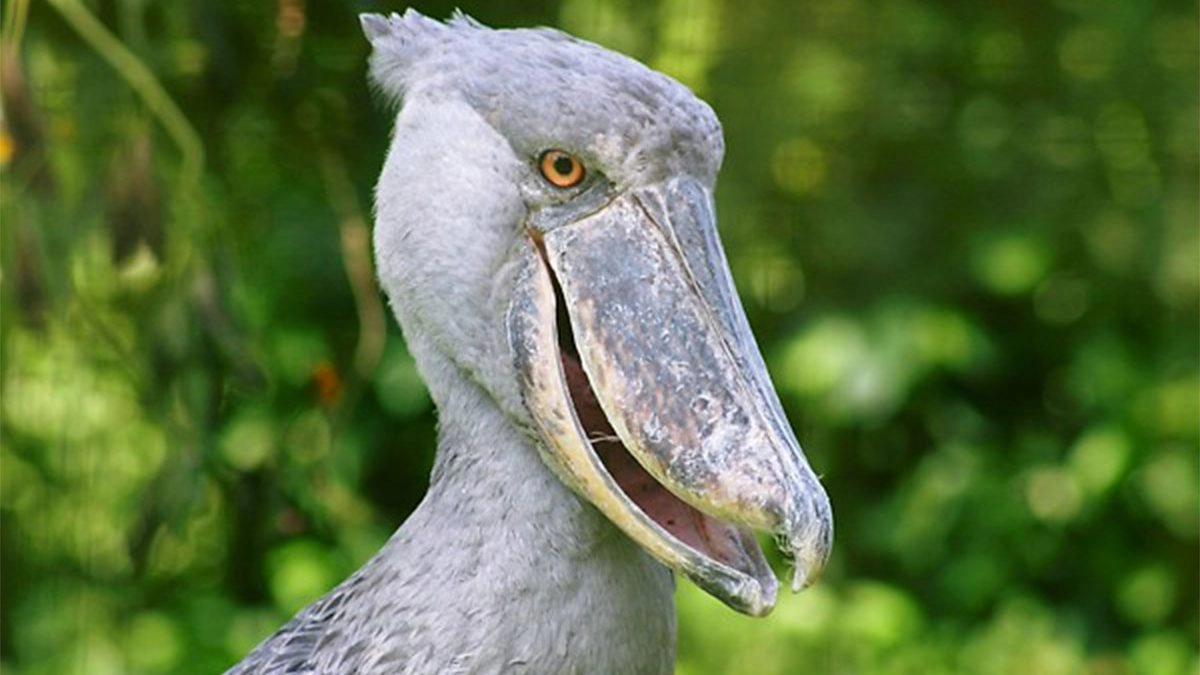
The Nile boat cruise toward the falls offers genuinely reliable marabou stork viewing alongside the park’s famous shoebill stork sightings, giving birders a chance to compare two of East Africa’s most distinctive large wading bird species within a single activity.
Marabou Stork’s Ecological Role
As a genuinely effective scavenger, marabou stork contribute to the wider ecosystem’s carcass cleanup function, working alongside vultures and hyena to limit disease spread by rapidly consuming carrion that would otherwise decompose slowly across the landscape. This role, while less celebrated than the park’s headline mammal sightings, makes marabou stork a genuinely important part of Murchison’s overall ecological balance.
Combining Marabou Stork Viewing With a Wider Uganda Circuit
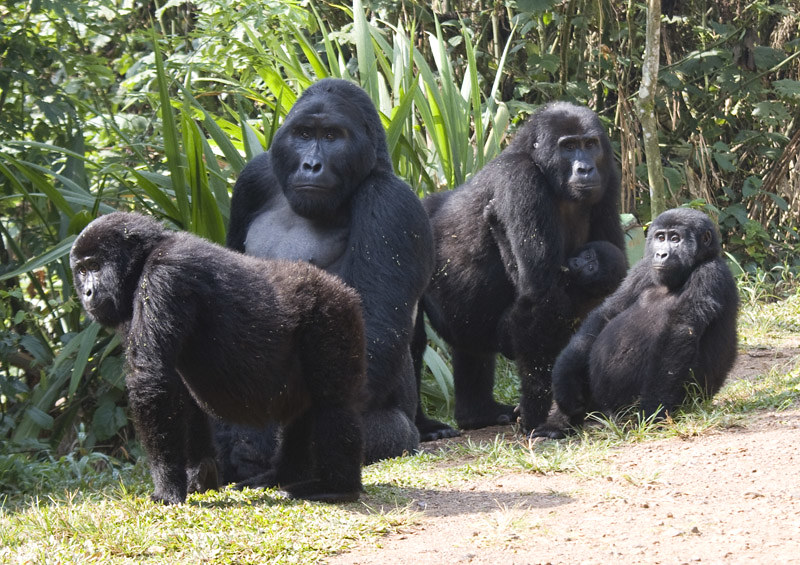
Murchison Falls is commonly combined with gorilla trekking further southwest, giving travelers genuine variety across savannah wildlife, river-based birding, and forest primates within a single well-planned Uganda itinerary.
Getting to Murchison Falls National Park
Murchison sits roughly four to five hours from Kampala by road, or a shorter scheduled flight, making it genuinely one of Uganda’s more accessible major parks and a common, popular inclusion on itineraries combining savannah wildlife with gorilla trekking further southwest.
Marabou Storks in Urban Settings
Beyond protected parks, marabou stork have genuinely adapted to scavenging near towns and rubbish dumps across parts of East Africa, a behaviour that has earned them a somewhat mixed local reputation compared to their genuinely important ecological role within wilder, protected ecosystems like Murchison Falls. This urban adaptability, while sometimes viewed unfavourably, demonstrates the species’ remarkable behavioural flexibility across dramatically different environments.
Marabou Stork Flight and Soaring Ability
Despite their somewhat ungainly appearance on the ground, marabou stork are genuinely accomplished soaring flyers, using rising thermal air currents to gain considerable altitude with minimal energy expenditure, not unlike the vultures they frequently compete with at kill sites. This soaring capability allows marabou stork to cover substantial distances scanning for feeding opportunities across Murchison’s wider landscape.
Comparing Marabou Storks to Murchison’s Vultures
Marabou stork and vultures occupy genuinely overlapping ecological niches as scavengers, though marabou stork’s powerful bill and considerable size often allow them to compete successfully for carcass access even against several vulture species simultaneously, making them a genuinely dominant presence at shared feeding sites.
The Marabou’s Distinctive Vocal and Visual Displays
During courtship and territorial disputes, marabou stork inflate their distinctive pink throat pouch and produce a range of guttural sounds, a genuinely dramatic display quite different from typical bird vocalisation. These displays, combined with bill-clattering behaviour, play an important role in both pair bonding and establishing dominance within breeding colonies.
Marabou Storks and the Wider Nile Ecosystem
Beyond scavenging, marabou stork also hunt fish and small aquatic prey along the Nile’s banks, giving them a genuinely dual role as both predator and scavenger within Murchison’s river ecosystem, a versatility that complements the more specialised feeding strategies of the Nile’s other wildlife encountered on the same boat cruise route toward the falls.
Marabou Storks Alongside Murchison’s Big Five
Marabou stork sightings often occur naturally during game drives focused on the park’s Big Five wildlife, particularly near recent kill sites where their scavenging behaviour makes them a genuinely reliable secondary sighting alongside the park’s headline mammal species.
Best Lodges for Marabou Stork and Birding Visits
Properties positioned along the Nile River corridor genuinely simplify logistics for travelers specifically prioritising marabou stork and wider river-birding opportunities, cutting down on transfer time before and after the boat cruise. Discussing lodge location directly with your operator, alongside current information on active nesting colonies, is genuinely worth doing before finalising your complete Murchison Falls itinerary.
Combining Marabou Stork Viewing With a Wider Birding Trip
Birders visiting Murchison Falls often combine marabou stork and shoebill sightings with wider Uganda birding coverage, given the country’s genuinely exceptional overall species diversity across its varied protected habitats, from wetland cranes to forest specialists further south.
What Makes a Genuinely Memorable Sighting
Watching a marabou stork’s full display, throat pouch inflated and bill clattering during a territorial dispute, offers a genuinely memorable, unusual behavioural encounter well beyond a simple passing glance at a perched bird.
Frequently Asked Questions
Why do marabou storks have bald heads?
It’s a genuinely practical hygienic adaptation, preventing feathers from becoming matted with blood while feeding deep inside a carcass.
How large are marabou storks?
Genuinely enormous – their wingspan can exceed two and a half metres, making them among the largest flying birds in Africa.
Where can I see marabou storks in Murchison Falls?
Along the Nile’s banks during the boat cruise, and scavenging near predator kills across the northern savannah sector.
What do marabou storks eat?
A genuinely wide range including carrion, fish, small reptiles, and occasionally the eggs or chicks of other bird species.
Can I see marabou storks alongside shoebill storks?
Yes, the Nile boat cruise offers reliable viewing of both distinctive large wading bird species within a single activity.
Ready to Plan Your Murchison Falls Safari?
Whether the park’s distinctive marabou storks, its famous shoebill population, or a full Uganda itinerary combining gorilla trekking is your priority, our team can build a trip matched to your interests. Get in touch with our team below today and let’s start planning your complete Uganda safari itinerary together.

No comment