
Vultures of the Serengeti
Vultures circle high above the Serengeti’s plains in genuinely remarkable numbers, their presence overhead frequently the first visible sign of a fresh kill, making these often-maligned birds one of the ecosystem’s most ecologically essential, if underappreciated, wildlife sightings.
Multiple Vulture Species Sharing the Serengeti’s Skies
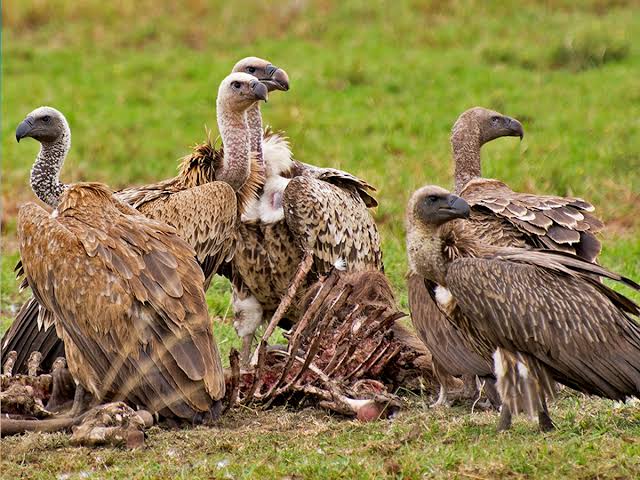
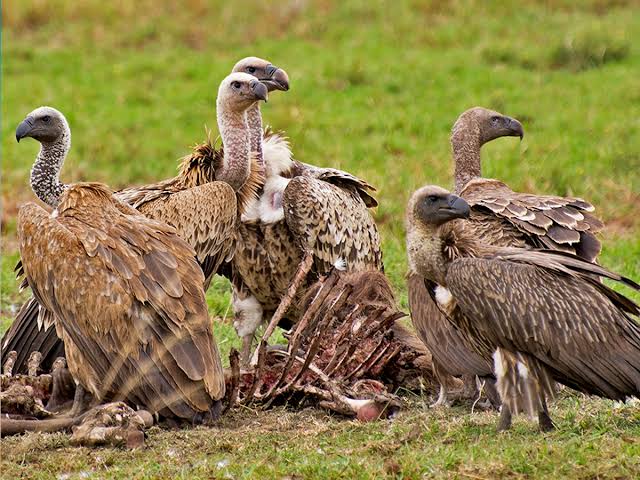
The Serengeti hosts several vulture species, including white-backed, Rüppell’s, lappet-faced, and hooded vulture, each occupying a genuinely distinct feeding niche at a carcass, from the powerful lappet-faced vulture’s ability to tear open tough hide to smaller species specialising in cleaning up remaining scraps once larger competitors finish feeding. This species diversity creates a genuinely efficient, layered scavenging system unmatched by any single species alone.
How Vultures Locate Carcasses
Vultures rely on exceptional eyesight to spot carcasses from considerable altitude, and a single circling bird descending toward the ground quickly attracts other vultures watching from nearby, creating the visible spiral of birds that guides often use as a genuine indicator of recent predator activity elsewhere on the plains. This social information-sharing behaviour means a fresh kill can draw dozens of vultures within a remarkably short window.
Vultures and the Serengeti’s Predator-Prey Cycle
Vultures typically wait at a respectful distance while lion or hyena feed on a fresh kill, moving in only once the primary predators have taken their share, a genuinely efficient division of scavenging labour that ensures a carcass is fully utilised across the wider food chain rather than going to waste.
Why Vultures Are Genuinely Essential to the Ecosystem
Vultures perform a genuinely critical ecological service by rapidly consuming carcasses that would otherwise decompose slowly, a cleanup function that significantly limits the spread of disease across the wider Serengeti ecosystem. Their specialised digestive systems can safely process pathogens that would sicken most other scavengers, making vultures uniquely important to overall ecosystem health.
The Genuine Conservation Crisis Facing African Vultures
Vulture populations across Africa have suffered catastrophic declines in recent decades, driven primarily by poisoning, both accidental through pesticide use and deliberate through poachers targeting vultures to avoid their circling presence alerting rangers to illegal kills. This crisis has pushed several vulture species toward critically endangered status, making the Serengeti’s still relatively healthy population genuinely significant to the species’ wider survival.
Vulture Feeding Hierarchy at a Carcass
A genuine pecking order exists among vulture species at a shared carcass, with larger, more powerful species like lappet-faced vulture generally feeding first and controlling access to the choicest parts, while smaller species wait or feed around the margins. This hierarchy, combined with the different species’ varying bill shapes suited to different feeding tasks, creates a genuinely efficient system for processing a carcass completely.
Best Time of Year for Vulture Sightings
Vultures are visible in the Serengeti year-round given their resident status, though activity often increases during the migration’s calving season, when the concentration of vulnerable prey and subsequent predator kills draws heightened vulture presence to the southern plains. See our regional best-time guide for how East Africa’s seasonal patterns generally affect game viewing.
Self-Drive vs Guided Safaris for Vulture Viewing
Experienced guides genuinely use circling vulture activity as a practical tool for locating recent predator kills, making a guided safari particularly valuable for travelers hoping to witness the fuller predator-scavenger dynamic rather than an isolated vulture sighting alone. Most visitors combine Serengeti with a wider guided Northern Circuit itinerary.
Photographing Serengeti Vultures
Vultures gathered at a carcass, or circling in formation against the open sky, offer genuinely compelling photographic opportunities distinct from more conventionally attractive wildlife subjects. A mid-range zoom covers most sightings well, similar to the gear recommended in our camera gear guide.
What to Pack for a Serengeti Safari
Standard game drive gear – neutral clothing, sun protection, and binoculars – covers most of what the park requires. If your wider itinerary includes gorilla trekking, our gorilla trekking packing list covers that portion separately.
Vulture Conservation Efforts in the Serengeti
Anti-poaching initiatives across the Serengeti increasingly incorporate vulture-specific protection measures, given how directly poachers’ poisoning tactics threaten the species, alongside broader research monitoring population trends across the ecosystem. Tourism revenue from the park directly supports these ongoing conservation efforts.
Combining Vulture Viewing With a Wider Northern Circuit
The Serengeti is commonly paired with Ngorongoro Crater on a standard Northern Circuit itinerary, and the crater’s own resident vulture population offers genuine additional viewing opportunities within a single well-planned Tanzania trip.
Vulture Flight Efficiency and Soaring Behaviour
Vultures are genuinely masterful soaring flyers, using rising thermal air currents to gain altitude with minimal energy expenditure, allowing them to cover vast distances scanning for carcasses across the Serengeti’s plains without the metabolic cost active flapping flight would require. This energy-efficient soaring behaviour is part of why vultures can patrol such genuinely enormous territories compared to more energetically limited scavenging species.
Why Poison Poses Such a Severe Threat
Poachers deliberately poisoning carcasses to kill vultures, specifically to prevent circling birds from alerting rangers to illegal poaching activity, represents one of the most genuinely devastating threats facing African vulture populations today, since a single poisoned carcass can kill dozens of birds simultaneously given their social feeding behaviour. This deliberate targeting, distinct from accidental pesticide poisoning, has become a particularly urgent conservation concern across much of the vulture’s range.
Nesting and Breeding Behaviour
Different vulture species nest in genuinely varied locations, from cliff ledges favoured by Rüppell’s vulture to the large stick nests white-backed vulture build in tall trees, with most species raising a single chick per breeding attempt given the considerable parental investment required. This relatively low reproductive rate is part of why vulture populations recover so slowly from the population crashes caused by poisoning events.
Vulture Digestive Adaptations
Vulture stomachs contain genuinely powerful acid capable of destroying dangerous bacteria and toxins present in decaying carcasses, an adaptation that allows them to safely consume material that would sicken or kill most other scavengers. This specialised digestive capability is central to their essential ecological cleanup role, effectively neutralising pathogens before they can spread further across the wider ecosystem.
Comparing Serengeti Vultures to the Masai Mara
Kenya’s Masai Mara shares the same broader ecosystem and hosts a genuinely comparable vulture population, meaning travelers combining both destinations on a wider itinerary can expect to witness similar scavenging dynamics regardless of which side of the shared border their trip currently covers.
Best Lodges for Vulture and Scavenger Behaviour Viewing
Properties positioned along the Serengeti’s central and southern plains genuinely simplify logistics for travelers specifically interested in observing the fuller predator-scavenger dynamic, cutting down on drive time before and after game drives. Discussing current kill activity and recent vulture concentrations directly with your operator is genuinely worth doing before finalising your complete Serengeti itinerary.
Why Guides Value Vulture Behaviour as a Wildlife-Finding Tool
Experienced guides genuinely rely on distant circling vulture activity as one of the most practical, reliable indicators of a fresh kill elsewhere on the plains, often adjusting a game drive’s route specifically based on this visual cue rather than radio reports alone, given how quickly vultures can detect a carcass from considerable altitude.
Getting to the Serengeti for Vulture and Predator Viewing
Most itineraries reach the Serengeti via road from Arusha through Tanzania’s wider Northern Circuit parks, or by scheduled light aircraft directly into one of the park’s several airstrips, with the choice generally depending on how much of the Northern Circuit’s driving time a traveler wants to include.
Conservation Status Snapshot
Several Serengeti vulture species, including the previously common white-backed vulture, are now classified as critically endangered, a designation reflecting population declines of over ninety percent in some regions over recent decades, making every remaining Serengeti population genuinely significant to the species’ continued long-term survival across its entire African range.
What to Expect From a Typical Vulture Sighting
Most vulture sightings begin with distant circling activity, drawing attention upward well before the ground-level scavenging behaviour itself becomes visible, a two-stage sighting experience genuinely different from most other Serengeti wildlife encounters.
Frequently Asked Questions
How many vulture species live in the Serengeti?
Several, including white-backed, Rüppell’s, lappet-faced, and hooded vulture, each occupying a genuinely distinct feeding niche at a shared carcass.
Why are vultures important to the ecosystem?
They rapidly consume carcasses, genuinely limiting disease spread, and their specialised digestive systems safely process pathogens other scavengers cannot.
Are vultures endangered?
Yes, critically in several species – poisoning, both accidental and deliberate, has caused catastrophic population declines across Africa.
Can vultures help me find other wildlife?
Yes, genuinely so – guides often use circling vulture activity as a practical indicator of recent predator kills elsewhere in the park.
What’s the best time of year to see vultures in the Serengeti?
Year-round given their resident status, though activity increases during the migration’s calving season when predator kills become more frequent.
Ready to Plan Your Serengeti Safari?
Whether the Serengeti’s essential vulture population, the wildebeest migration, or a full Northern Circuit itinerary is your priority, our team can build a Tanzania trip matched to your time and interests. Get in touch with our team below today and let’s start planning your complete Tanzania safari itinerary together.

No comment