
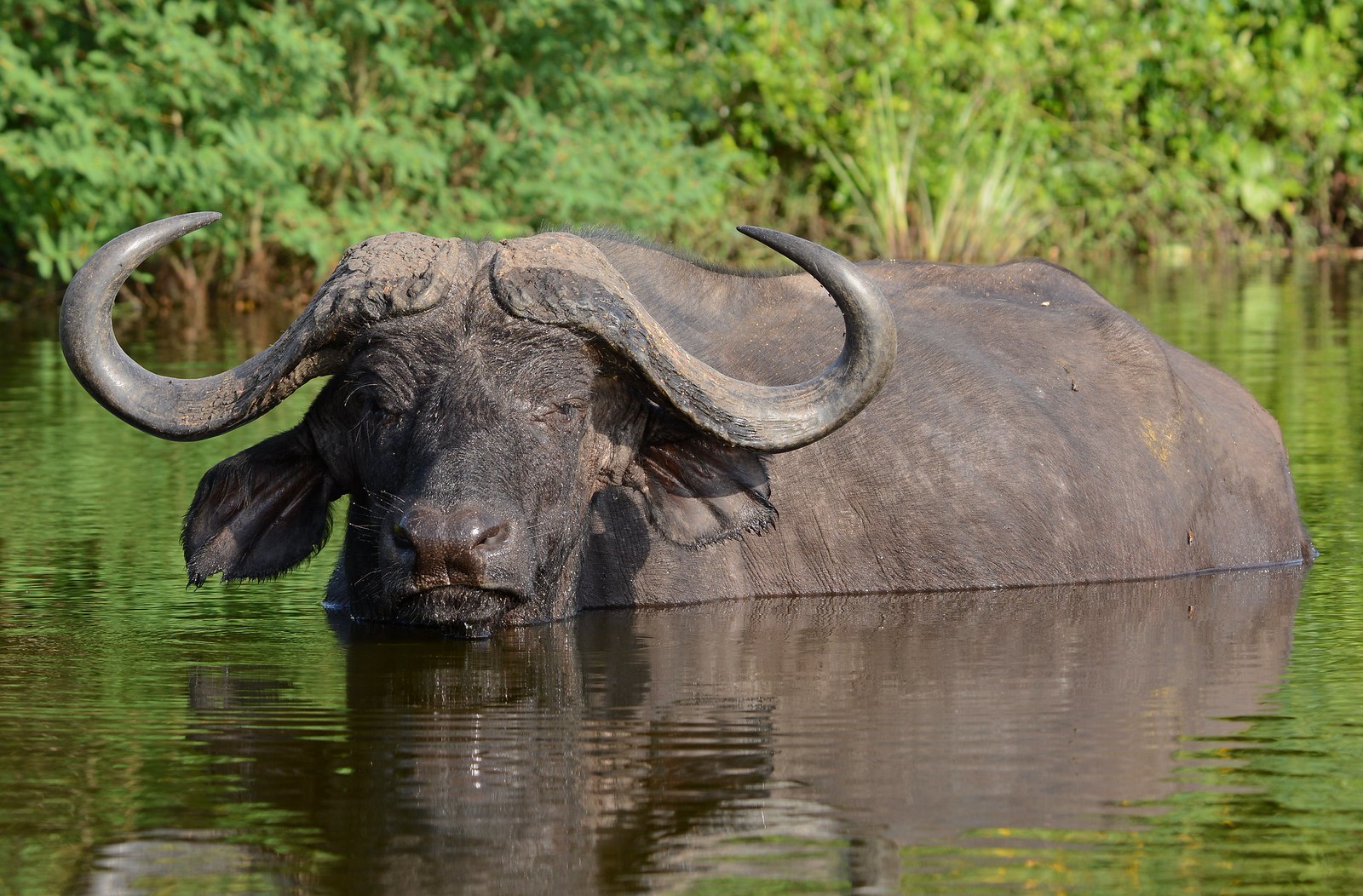
Buffalo herds in Lake Nakuru National Park graze the park’s compact, fully fenced landscape alongside one of Kenya’s most significant rhino populations, making buffalo one of the more consistently, reliably seen Big Five species within this genuinely unusual sanctuary-style park.
Where to Find Buffalo in Lake Nakuru
Buffalo range across Lake Nakuru’s varied terrain, from open grassland near the lakeshore to the acacia woodland further from the water, with herds often visible grazing within easy reach of the park’s main game drive routes. The park’s compact size compared to Kenya’s larger reserves makes locating herds genuinely efficient within a shorter, well-planned visit.
Why Lake Nakuru Is Fully Fenced
Unlike most of Kenya’s major parks, Lake Nakuru is entirely enclosed by an electric perimeter fence, originally built to protect the park’s black and white rhino population from poaching, a measure that has also benefited buffalo and the park’s other large herbivores by reducing human-wildlife conflict along the boundary. This fencing gives Lake Nakuru a genuinely different character from Kenya’s open-ecosystem parks.
Buffalo Herd Behaviour and Social Structure
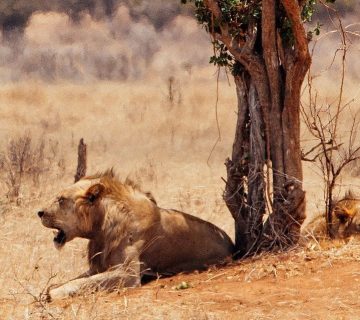
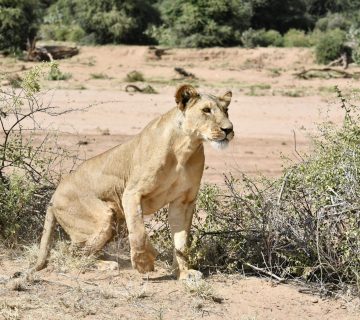
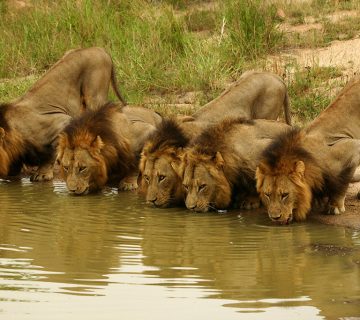
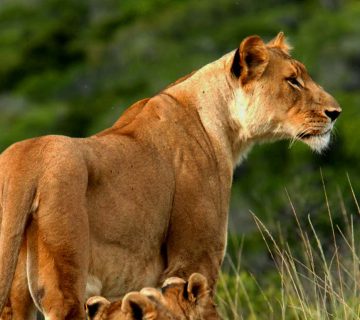
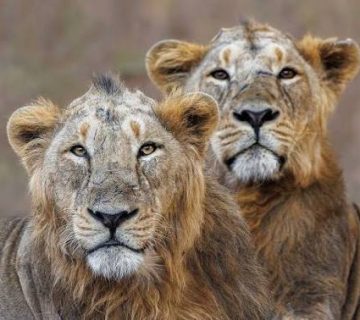
Cape buffalo herds operate under a loose but genuine social structure, with older, experienced females often leading collective movement while dominant bulls compete for breeding access during specific periods. Herds provide real collective defence against predators, and watching a large group respond to the park’s resident lion prides offers genuine insight into buffalo’s reputation as one of Africa’s most genuinely formidable prey species overall.
Lake Nakuru’s Full Big Five Picture
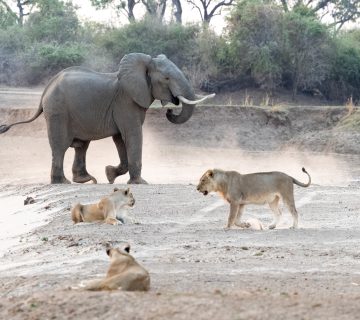
Buffalo is one of the Big Five species found within Lake Nakuru’s fenced boundaries, alongside rhino, lion, and leopard, with elephant notably absent from the park given its more limited overall protected space and habitat.
Solitary Bulls: “Dagga Boys” at Lake Nakuru
Older male buffalo, often pushed out of the main herd as younger bulls take over breeding dominance, are frequently seen alone or in small bachelor groups across the park, earning the nickname “dagga boys” after the Zulu word for mud, given how often they’re found wallowing alone. These solitary bulls have a reputation among guides as some of the more unpredictable individual animals in the park.
Best Time of Year for Buffalo Sightings
Buffalo are visible in Lake Nakuru year-round given their resident status within the fenced park, and the compact size means seasonal variation matters less here than in Kenya’s larger, more dispersed parks. That said, the dry seasons, roughly June to October and January to February, still offer somewhat easier visibility as vegetation thins.
How Lake Nakuru Compares to Other Buffalo Destinations
Kenya’s Masai Mara offers considerably larger herds given its bigger overall size, while Lake Nakuru’s compact, fenced sanctuary concentrates sightings more predictably within a smaller, more efficiently covered area, particularly valuable for travelers combining buffalo viewing with a reliable rhino sighting.
Self-Drive vs Guided Safaris in Lake Nakuru
Buffalo are among the more straightforward Big Five species to locate independently given their large herd size and preference for open terrain, and Lake Nakuru’s compact size and good road network make self-driving genuinely feasible here. A guided safari still adds real value in coordinating sightings with current herd movement and the park’s varied terrain.
Photographing Lake Nakuru’s Buffalo
The park’s varied terrain, from lakeshore grassland to wooded escarpment, offers genuinely different photographic backdrops depending on where a herd happens to be grazing, and the park’s famous flamingo-lined lake occasionally features as an unusual backdrop for buffalo sightings near the water’s edge. A wider-angle lens is worth having on hand alongside standard telephoto gear.
What to Pack for a Lake Nakuru Safari
Standard game drive gear – neutral clothing, sun protection, and binoculars – covers most of what the park requires, and given the lake’s alkaline, sometimes pungent shoreline, comfortable closed shoes are worth prioritising for any short walks near the water. If your wider itinerary includes gorilla trekking, our gorilla trekking packing list covers that portion separately.
Buffalo as Africa’s Most Dangerous Big Five Species
Cape buffalo are frequently cited by professional guides as among the most dangerous Big Five species to encounter on foot, given their unpredictable temperament and willingness to charge when threatened or cornered, particularly solitary “dagga boy” bulls. This reputation is part of why walking activities involving buffalo territory always proceed under close guide supervision.
Buffalo’s Role in a Fenced Sanctuary Ecosystem
Managing a buffalo population within a fully fenced park presents genuine considerations distinct from open-ecosystem parks, including careful grazing management to prevent overuse of the park’s compact grassland and maintaining a healthy prey base for the resident lion population without the natural migration corridors larger, unfenced parks provide. Kenya Wildlife Service manages these dynamics closely across all of the park’s large herbivore populations, coordinating occasional translocations between fenced sanctuaries where genuinely necessary to sustain healthy long-term numbers.
Getting to Lake Nakuru National Park
Lake Nakuru sits roughly three hours’ drive from Nairobi, making it one of the more accessible parks on a standard Kenya circuit and a popular stop on longer itineraries combining it with the Masai Mara further west. This convenient positioning is part of why so many multi-park Kenya trips include a Lake Nakuru stop.
Buffalo’s Role in Lake Nakuru’s Ecosystem
As one of the park’s primary large grazing herbivores, buffalo play a significant role in shaping Lake Nakuru’s compact grassland through consistent grazing pressure, influencing vegetation patterns that in turn affect where other species choose to feed. This ecological role, combined with buffalo’s importance as a major prey species for the park’s lion population, makes them a genuinely central part of Lake Nakuru’s wider food web within its compact fenced boundaries.
Lake Nakuru’s Escarpment and Varied Terrain
Beyond the lakeshore itself, Lake Nakuru’s landscape rises into wooded escarpment offering panoramic views over the entire park, terrain that buffalo use differently from the open grassland closer to the water. This topographic variety, unusual for such a compact park, gives Lake Nakuru genuine visual diversity across a single day’s game drive, rewarding visitors who explore beyond the lakeshore alone.
Combining Buffalo Viewing With the Park’s Flamingos
Beyond buffalo, lion, and rhino, Lake Nakuru’s soda lake has historically hosted enormous flamingo flocks, one of Kenya’s most iconic bird spectacles, giving a single park visit genuine variety beyond mammal sightings alone. Flamingo numbers fluctuate with water chemistry and levels, so checking current conditions with your operator is worth doing if this is a specific priority for your visit and photography plans.
Best Lodges for Buffalo Viewing at Lake Nakuru
Properties positioned along the park’s escarpment or overlooking the lake itself generally offer genuinely striking views alongside convenient access to game drive routes covering both buffalo and rhino territory. Discussing lodge location with your operator, factoring in which side of the park best matches your wider wildlife priorities, is genuinely worth doing before finalising a Lake Nakuru itinerary and route.
Human-Wildlife Conflict and the Perimeter Fence
Before the perimeter fence was completed, Lake Nakuru’s proximity to the growing town of Nakuru created genuine human-wildlife conflict challenges, with buffalo and other large herbivores occasionally moving beyond park boundaries into populated areas. The fence has significantly reduced these incidents, allowing both the park’s wildlife and neighbouring communities to coexist with considerably less friction than in the park’s earlier history and development.
Combining Lake Nakuru With a Wider Kenya Circuit
Many longer Kenya itineraries pair Lake Nakuru with the Masai Mara or Amboseli, giving travelers a genuinely varied picture of Kenya’s different landscapes within a single well-sequenced trip. See our Big Five guide for how operators typically build multi-park Kenya itineraries.
Frequently Asked Questions
Are buffalo dangerous to encounter in Lake Nakuru?
Generally not from within a vehicle, though on foot they’re considered genuinely dangerous, particularly solitary bulls, which is why guided supervision is essential on any walking activity.
Why is Lake Nakuru fully fenced?
Primarily to protect its significant rhino population from poaching, a measure that has also benefited buffalo and the park’s other large herbivores.
Does Lake Nakuru have elephants alongside buffalo?
No, elephant are notably absent from the park given its more limited overall space, unlike Kenya’s larger Big Five destinations.
Can I see buffalo and rhino in one visit?
Yes, this is one of Lake Nakuru’s genuine advantages, offering both species within a single, compact, easily covered game drive.
Is Lake Nakuru worth combining with the Masai Mara?
Genuinely yes – the two parks sit within a reasonable drive of each other, making the combination one of the more popular multi-park Kenya itineraries.
How does Lake Nakuru’s buffalo population compare to Tsavo’s?
Both offer reliable sightings, though Tsavo’s much larger, open landscape gives its buffalo herds room to range far more widely than Lake Nakuru’s compact, fenced sanctuary.
Ready to Plan Your Lake Nakuru Safari?
Whether Lake Nakuru’s buffalo herds, its significant rhino population, or a full Kenya Big Five circuit is your priority, our team can build an itinerary matched to your interests. Get in touch with our team below and let’s start planning your complete Kenya safari itinerary together.

No comment