
Gorilla Habituation Experience in Uganda: What to Expect
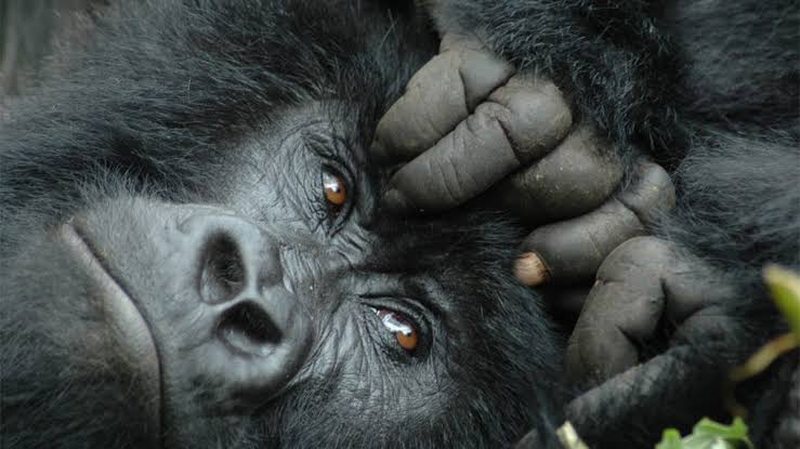
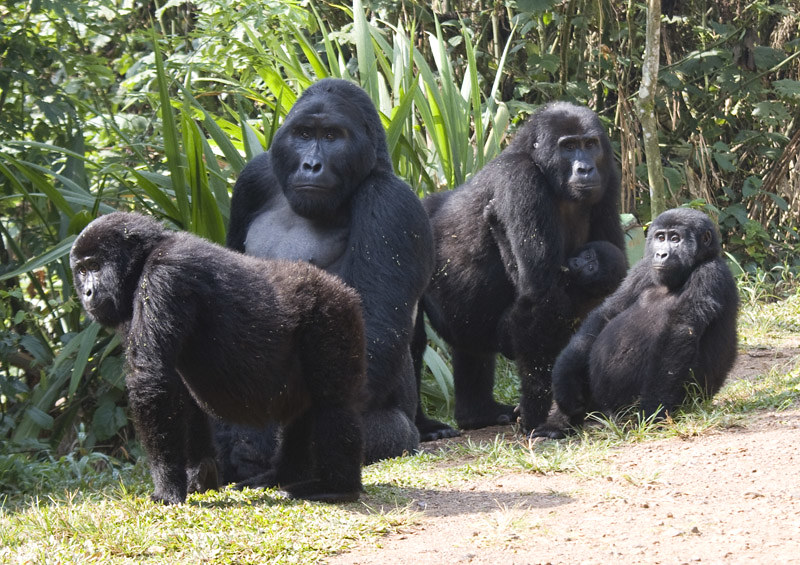
Gorilla habituation in Uganda’s Bwindi Impenetrable National Park offers a genuinely deeper alternative to standard gorilla trekking – a full four hours with a gorilla family still being acclimatised to human presence, rather than the standard one hour with an already fully habituated group, giving serious primate enthusiasts a far more immersive encounter.
What Is Gorilla Habituation?
Before a gorilla family can be visited by regular tourist trekking groups, rangers and researchers spend two to three years gradually acclimatising them to human presence, a process known as habituation. The habituation experience allows a small number of visitors to join this process directly, observing a family at an earlier stage of acclimatisation alongside the researchers and trackers doing the actual habituation work.
Habituation vs Standard Gorilla Trekking
Standard gorilla trekking permits one hour with a fully habituated family once located, while the habituation experience extends that to a full four hours, offering considerably more time to observe natural behaviour, feeding, and social dynamics. Habituation permits are also more limited in number and only available in Bwindi’s Rushaga sector, making advance booking genuinely essential for travelers wanting this specific experience.
Where Gorilla Habituation Takes Place
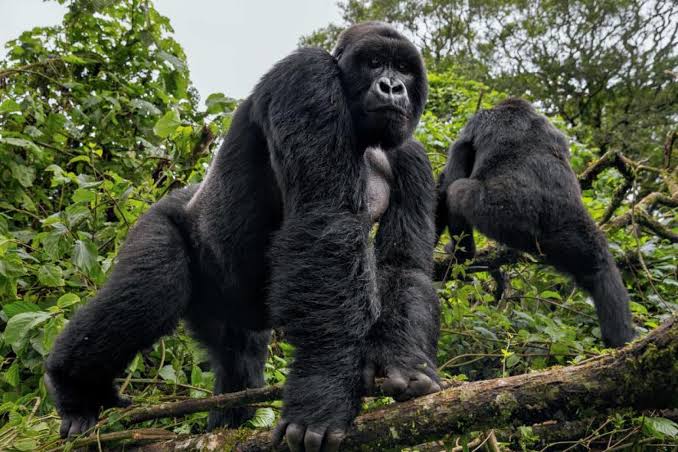
Uganda’s gorilla habituation experience is offered exclusively in Bwindi’s Rushaga sector, home to two families currently undergoing habituation and available for this extended visitor experience. This is distinct from Bwindi’s other sectors – Buhoma, Ruhija, and Nkuringo – which offer only standard one-hour trekking with fully habituated families.
What a Habituation Day Involves
Habituation groups depart earlier than standard trekking groups, since the extended four-hour observation window means a longer overall day, and group sizes are capped smaller than standard trekking to minimise disturbance to a family still growing accustomed to human presence. Rangers and researchers accompanying the group provide genuinely deep insight into individual gorillas’ personalities and the habituation process itself, adding an educational dimension standard trekking doesn’t offer.
Permit Costs
Gorilla habituation permits cost considerably more than standard trekking permits, reflecting the smaller group sizes and extended time involved, though many serious primate enthusiasts consider the deeper experience worth the premium. See our complete gorilla trekking pricing guide for current costs across both standard trekking and the habituation experience.
Physical Fitness Required
Given the extended four-hour observation window on top of the hike itself, gorilla habituation genuinely demands a higher baseline fitness level than standard trekking, and Rushaga’s terrain can be steep in places. Travelers with any doubts about their fitness for the standard trekking experience should generally start there before considering the more physically demanding habituation option on a return visit.
Booking a Habituation Permit
Given the limited daily availability, just a handful of habituation permits are issued per day compared to standard trekking permits, booking well in advance, ideally six months to a year ahead, is genuinely essential. Our team handles habituation permit bookings directly with the Uganda Wildlife Authority as part of a full itinerary, removing the guesswork from securing one of these limited daily slots.
Habituation vs Rwanda’s Gorilla Trekking
Rwanda’s Volcanoes National Park does not currently offer a comparable extended habituation experience for tourists, making Uganda’s Rushaga sector the primary destination for travelers specifically seeking this deeper, longer format. See our Rwanda gorilla trekking lodges guide for how Rwanda’s standard trekking experience compares for travelers weighing both countries.
Combining Habituation With Standard Trekking
Many longer Uganda itineraries combine a day of gorilla habituation with a separate day of standard trekking with a different family, giving travelers both the depth of the extended experience and a second, shorter encounter for comparison. This combination has become genuinely popular among repeat gorilla trekking visitors specifically seeking to add habituation to an itinerary that already includes standard trekking elsewhere in Bwindi.
What to Pack for Gorilla Habituation
Given the extended duration, packing more water and snacks than a standard trek requires is sensible, alongside the same core gear – sturdy hiking boots, gardening gloves, and rain protection. Our gorilla trekking packing list covers the full range of essentials applicable to both standard trekking and habituation.
Age and Health Restrictions
The same minimum age requirement of fifteen years old that applies to standard gorilla trekking also applies to habituation, and visitors showing symptoms of cold, flu, or other communicable illness are asked to postpone given gorillas’ susceptibility to human respiratory disease. These restrictions apply equally to both experiences, reflecting the same underlying conservation priority of protecting habituated and semi-habituated families alike.
Rushaga Sector’s Broader Appeal
Beyond habituation, Rushaga also offers standard trekking to several fully habituated families, along with generally excellent lodge options nearby, making it a strong base even for travelers not specifically pursuing the extended habituation experience. Its position in Bwindi’s southern sector also makes it a convenient entry point for itineraries approaching from Rwanda via the Cyanika border crossing.
Combining Habituation With a Wider Uganda Circuit
Travelers combining habituation with Murchison Falls’ Big Five circuit or Kibale’s chimp trekking get a genuinely comprehensive Uganda experience spanning savannah, forest primates, and an unusually deep gorilla encounter within a single well-planned trip.
History of Uganda’s Gorilla Habituation Programme
Uganda introduced the tourist-accessible habituation experience as an extension of its long-running conservation habituation work, giving visitors a way to directly support and observe the process that has been central to the country’s mountain gorilla conservation success for decades. Revenue from habituation permits, like standard trekking permits, feeds directly into ongoing conservation funding and community programmes around Bwindi, reinforcing the same tourism-funds-conservation model that has helped Uganda’s gorilla population grow steadily over recent decades.
Photography During a Habituation Experience
The extended four-hour window gives photographers considerably more opportunity to capture varied behaviour – feeding, grooming, interactions between family members – than the standard one-hour trek typically allows. A telephoto zoom in the 100-400mm range remains the most versatile choice, and the longer session means more patience-rewarding opportunities for a genuinely well-composed shot rather than rushing to capture whatever’s in front of you in a limited window.
Best Lodges Near Rushaga for Gorilla Habituation
Given habituation’s earlier departure time and longer overall day, staying at a lodge close to the Rushaga trailhead genuinely matters, minimising pre-dawn transfer time before a demanding day ahead. Several comfortable to luxury properties operate in the immediate Rushaga area specifically to serve this sector, and booking accommodation alongside your habituation permit ensures both are confirmed together well ahead of your travel dates.
The Conservation Value of Gorilla Habituation Tourism
Beyond the visitor experience itself, tourist-funded habituation supports the broader research and ranger presence needed to safely acclimatise a wild gorilla family to human contact over several years, a resource-intensive process that benefits significantly from the additional revenue tourism generates. This funding model has been central to Uganda’s broader gorilla conservation success, helping support the ranger patrols and community programmes that protect habituated and unhabituated families alike across Bwindi’s forest.
Combining Habituation With a Rwanda Border Crossing
Rushaga’s position in southern Bwindi puts it within a comfortable drive of the Cyanika border crossing into Rwanda, making it a genuinely practical entry or exit point for travelers combining Uganda’s habituation experience with a wider Rwanda itinerary. This routing has become increasingly popular among travelers wanting to experience both countries’ distinct approaches to gorilla tourism on a single, well-sequenced trip.
How Many Gorilla Families Are Available for Habituation?
Rushaga currently offers habituation access to two gorilla families at varying stages of the acclimatisation process, with the Uganda Wildlife Authority managing which specific family each booked group visits based on that day’s tracking conditions. Because availability is genuinely limited to just these two families, and only a small number of permits are issued per family per day, demand regularly exceeds supply during peak travel months.
Frequently Asked Questions
Is gorilla habituation worth the extra cost?
For travelers with a genuine, deep interest in gorilla behaviour and conservation, yes – the extended four-hour window offers a considerably richer experience than the standard one-hour trek.
How much more does habituation cost than standard trekking?
Considerably more – see our pricing guide linked above for current costs across both standard trekking and the habituation experience.
Can beginners do gorilla habituation, or should I start with standard trekking?
Given the greater physical demands, first-time trekkers with any fitness concerns are generally better starting with standard trekking before considering habituation on a future visit.
Is habituation available in Rwanda too?
No, this extended experience is currently only offered in Uganda’s Bwindi Impenetrable National Park, specifically in the Rushaga sector, unlike standard trekking which is also available across the border in Congo’s Virunga National Park.
How far in advance should I book a habituation permit?
Ideally six months to a year ahead, given how limited daily habituation permits are compared to standard trekking permits.
Ready to Plan Your Gorilla Habituation Experience?
Whether the full habituation experience, standard gorilla trekking, or a combination of both across a wider Uganda itinerary is your priority, our team can help you secure the right permits and build a trip matched to your interests. Get in touch with our team below today and let’s start planning your Uganda safari together.

No comment